

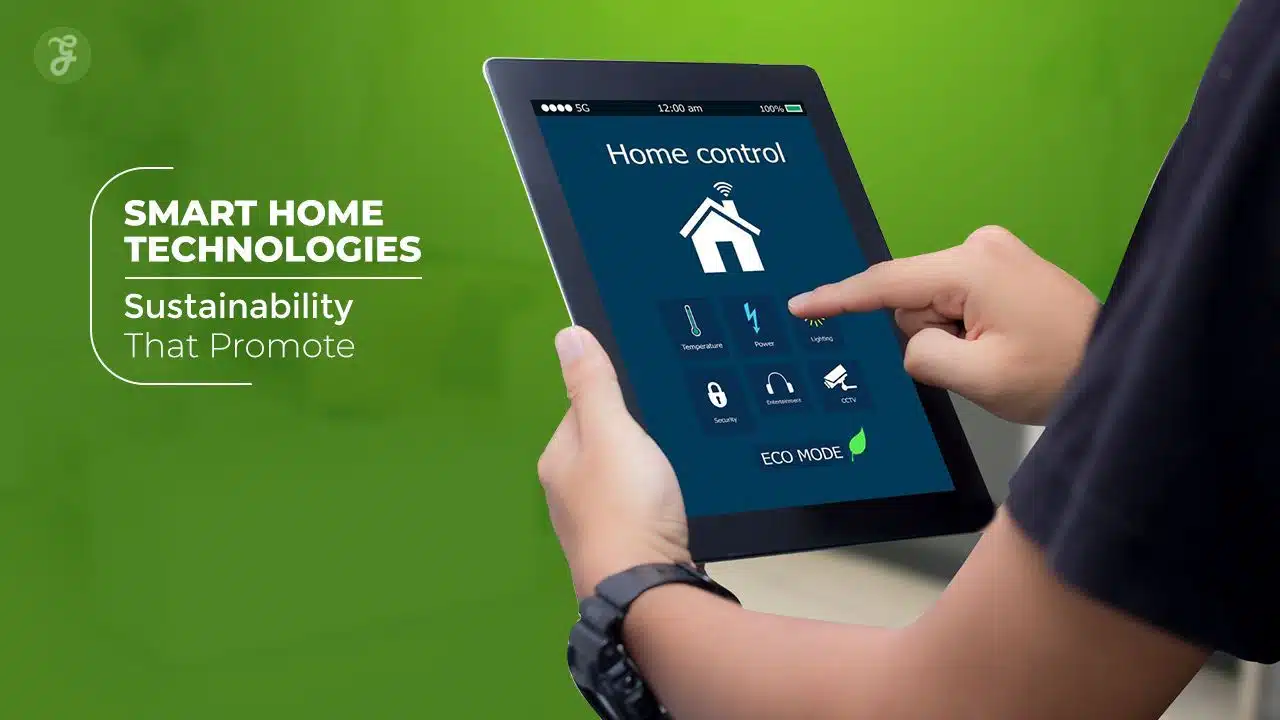
Sustainability has become a crucial focus for homeowners and technology developers alike.
As global concerns about climate change and resource conservation grow, smart home technologies that promote sustainability offer innovative ways to reduce environmental impact while enhancing everyday convenience.
By integrating these technologies, individuals can make their homes eco-friendly and energy-efficient, all while saving money in the long run.
This article explores ten smart home technologies that promote sustainability, providing a roadmap for anyone looking to create a greener, smarter living space.
What Is Sustainable Smart Home Technology?
Sustainable smart home technology refers to devices and systems designed to optimize resource usage, minimize waste, and reduce the environmental footprint of households.
These technologies often leverage automation, data analytics, and real-time monitoring to achieve sustainability goals. Key features include:
- Energy Efficiency: Smart devices reduce unnecessary energy consumption.
- Water Conservation: Automated systems optimize water usage.
- Renewable Integration: Many smart technologies work seamlessly with solar panels and other renewable energy sources.
Why Sustainability Matters in Smart Homes
Adopting sustainable smart home technologies goes beyond convenience. Here are two main reasons why it’s vital:
- Environmental Benefits:
- Reduced carbon emissions.
- Decreased reliance on non-renewable resources.
- Financial Savings:
- Lower utility bills.
- Increased property value due to energy-efficient features.
Benefits of Smart Home Technologies That Promote Sustainability
Environmental Impact
Smart home technologies that promote sustainability contribute significantly to a greener planet.
Examples include:
- Lower Energy Consumption: Devices like smart thermostats optimize heating and cooling systems, saving energy.
- Waste Reduction: Smart appliances and waste management systems help households produce less waste.
Cost-Effectiveness
While some devices require an initial investment, the long-term savings are undeniable:
- Reduced energy bills from efficient devices.
- Lower water bills due to smart irrigation and water management systems.
Top 10 Smart Home Technologies That Promote Sustainability
1. Smart Thermostats
Smart thermostats are revolutionizing how we manage indoor climates by learning user preferences, analyzing weather data, and automatically adjusting heating and cooling settings.
These devices are ideal for maintaining comfort while saving energy. Key features include remote control via apps and energy usage insights, helping users make informed decisions.
Key Features of Smart Thermostats
| Feature | Benefit | Examples |
| Learning Preferences | Automatically adjusts based on habits | Nest, Ecobee |
| Remote Control | Adjust settings from anywhere | Honeywell |
| Energy Reports | Monitor and reduce energy consumption | Emerson Sensi |
2. Energy-Efficient Smart Lighting Systems
Smart lighting systems reduce energy waste by allowing users to control brightness and set schedules.
These systems often use LED technology, which consumes significantly less power than traditional bulbs.
Features like motion detection ensure lights are only on when needed, adding another layer of efficiency.
Benefits of Smart Lighting
| Feature | Energy-Saving Aspect | Popular Brands |
| Motion Detection | Lights turn off when no one is present | Philips Hue, LIFX |
| Scheduling | Automates lighting to match routines | Wyze, Sengled |
| Customization | Adjust brightness and color temperatures | GE Cync |
3. Solar-Powered Smart Devices
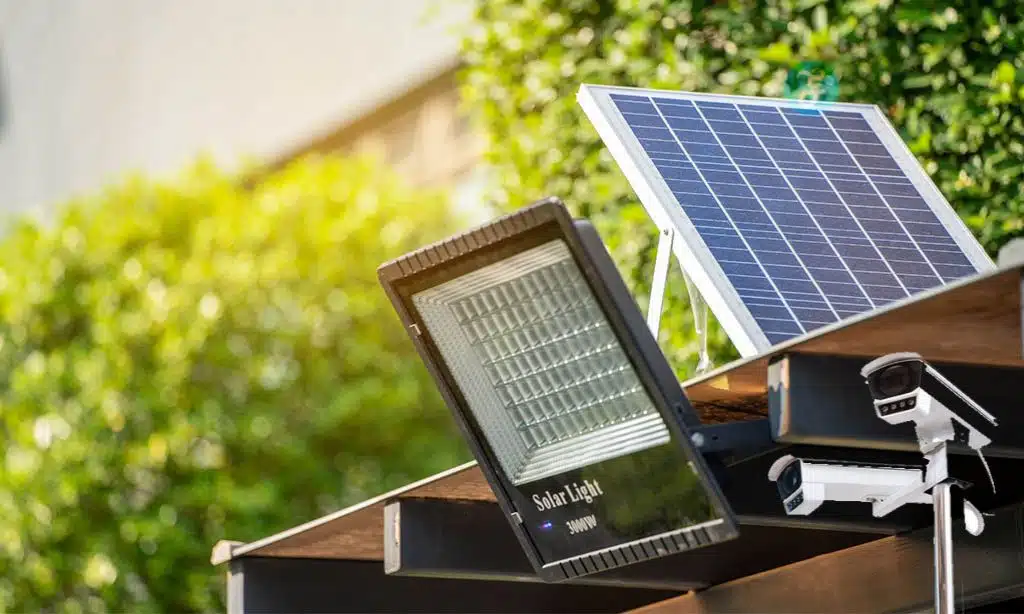
Solar-powered smart devices provide an eco-friendly alternative by harnessing renewable energy.
They include outdoor security cameras, garden lights, and portable chargers. These devices not only reduce electricity bills but also offer sustainable solutions for remote or off-grid areas.
Examples of Solar-Powered Devices
| Device | Benefit | Brand Examples |
| Solar Security Cameras | 24/7 monitoring without grid power | Ring Solar Cam |
| Solar Lanterns | Portable lighting for emergencies | LuminAID |
| Solar Chargers | Charge devices sustainably | Anker |
4. Smart Water Management Systems
Smart water management systems conserve water by optimizing usage based on weather conditions and soil moisture levels.
These systems are especially useful for homeowners with gardens or large lawns, ensuring plants are watered efficiently without wastage.
Features of Smart Water Management Systems
| Feature | Environmental Impact | Example |
| Weather Adaptation | Adjusts watering based on rainfall | Rachio |
| Leak Detection | Prevents water wastage from leaks | Phyn Plus |
| Remote Monitoring | Control water systems via apps | Orbit B-Hyve |
5. Home Energy Monitoring Systems
Home energy monitors track electricity usage in real-time, identifying energy-draining appliances and suggesting optimizations.
These insights empower homeowners to take actionable steps toward reducing their carbon footprint.
Advantages of Home Energy Monitors
| Feature | Benefit | Examples |
| Real-Time Tracking | Identifies high-energy appliances | Sense Monitor |
| Cost Analysis | Helps lower electricity bills | Emporia Vue |
| Alerts and Insights | Sends usage alerts to smartphones | Neurio Monitor |
6. Smart Appliances with Energy Star Certification
Energy Star-certified smart appliances combine sustainability with performance, using less energy and water without compromising on functionality.
These appliances include refrigerators, washing machines, and dishwashers, all of which offer remote monitoring and scheduling.
Energy Star Smart Appliances
| Appliance | Feature | Example Models |
| Refrigerator | Monitors freshness and energy usage | LG ThinQ |
| Washing Machine | Uses minimal water for optimal cleaning | Samsung SmartThings |
| Dishwasher | Schedules cycles during off-peak hours | Bosch 500 Series |
7. Smart Plugs and Power Strips
Smart plugs and power strips reduce standby power, which accounts for a significant portion of wasted electricity.
By automating power supply, these devices ensure that electronics are completely off when not in use.
Smart Plug Benefits
| Feature | Functionality | Popular Brands |
| Remote On/Off | Control devices from anywhere | TP-Link Kasa |
| Energy Monitoring | Tracks usage for connected appliances | Wemo |
| Scheduling | Automates power to save energy | Gosund |
8. Eco-Friendly Smart Blinds and Windows
Smart blinds and windows enhance energy efficiency by regulating natural light and indoor temperature.
They work in tandem with other smart systems to create an optimal indoor environment while reducing heating and cooling needs.
Smart Blinds Features
| Feature | Energy-Saving Aspect | Example |
| Light Regulation | Maximizes natural light usage | Somfy Blinds |
| Temperature Control | Prevents heat loss during winter | IKEA Fyrtur |
| Automated Scheduling | Adjusts blinds based on time of day | Lutron Serena |
9. Smart Waste Management Systems
Smart waste management systems promote recycling and reduce household waste by sorting materials and compacting trash.
These systems encourage eco-friendly habits while minimizing landfill contributions.
Waste Management Tools
| Feature | Eco-Friendly Benefit | Example |
| Automated Sorting | Separates recyclables from waste | HomeBiogas |
| Volume Reduction | Compacts trash to reduce space | Joseph Joseph Totem |
| Recycling Guidance | Provides tips for sustainable disposal | Bin-e |
10. Connected Electric Vehicle (EV) Charging Stations
Integrated EV charging stations are a cornerstone of sustainable transportation.
These chargers allow users to manage charging schedules, monitor energy usage, and leverage off-peak electricity rates.
EV Charging Station Features
| Feature | Benefit | Examples |
| Scheduled Charging | Saves money with off-peak rates | Tesla Wall Connector |
| Usage Monitoring | Tracks energy consumption | ChargePoint Flex |
| Solar Integration | Charges using solar-generated power | ClipperCreek |
How to Choose the Right Smart Home Technology for Sustainability
Factors to Consider
When selecting smart home technologies, prioritize:
- Compatibility: Ensure devices integrate seamlessly with your existing systems.
- Energy Efficiency Ratings: Look for Energy Star certifications or similar ratings.
Budget-Friendly Options
You don’t need to break the bank to start:
- Entry-level devices like smart plugs and LED bulbs.
- Gradual upgrades to advanced systems like energy monitors or smart appliances.
Challenges and Limitations of Sustainable Smart Home Technologies
Initial Investment Costs
Many smart devices require a significant upfront investment. However, long-term savings often offset these costs.
Technical Know-How
Installing and maintaining these systems can be challenging for non-tech-savvy individuals.
Integration and Compatibility Issues
Not all smart devices work seamlessly together. Ensure compatibility before purchasing.
Real-Life Examples of Smart Sustainable Homes
Case Study: The Johnson Family
The Johnson family integrated smart thermostats, energy-efficient appliances, and solar-powered devices into their home. Results:
- Energy Savings: Reduced electricity bills by 40%.
- Carbon Footprint: Lowered emissions by 30% annually.
Takeaway
Integrating smart home technologies that promote sustainability is a practical and impactful way to reduce environmental footprints.
By adopting these innovations, homeowners can save on utility costs, contribute to a greener planet, and create a more efficient living space.
Start with small changes and gradually transition to a fully sustainable smart home—the planet and your wallet will thank you.
























