Electricity costs in Canberra have risen, posing a significant challenge for many residents. With escalating prices, finding ways to reduce consumption and save money has become increasingly crucial. Energy efficiency plays a vital role in lowering household bills, ensuring that residents are not only reducing their expenses but also contributing to a more sustainable environment. This article offers simple and affordable home improvements that Canberra residents can implement to cut electricity costs effectively. By following these actionable tips, homeowners will find themselves saving both money and energy in the long run.
Insulating Your Home
Proper home insulation is one of the most effective ways to maintain a comfortable indoor temperature while reducing energy consumption. Insulating your home ensures that heat stays inside during the winter and outside during the summer, thereby minimising the need for excessive heating and cooling. This not only leads to a significant reduction in electricity bills but also improves the overall energy efficiency of your home.
Several types of insulation materials are suitable for Canberra’s diverse climate. These include:
- Fibreglass: Known for its effectiveness and affordability, fibreglass insulation is made from fine glass fibres, offering excellent thermal resistance.
- Foam Board: Comprising rigid panels of insulation, foam board is particularly effective for insulating walls and foundations.
- Cellulose: An eco-friendly option, cellulose insulation is made from recycled paper and offers good thermal protection.
- Spray Foam: Though costlier, spray foam insulation provides excellent air sealing capabilities and can fill even the smallest cracks and gaps.
When it comes to DIY insulation, homeowners can take on projects like sealing gaps with caulk or installing weather stripping on doors and windows. However, for larger insulation tasks, such as adding insulation to walls, attics, or crawl spaces, professional installation is recommended to ensure optimal effectiveness and compliance with safety standards.
While the initial cost of investing in insulation may seem high, the long-term benefits far outweigh the expenditure. For instance, properly insulating an average-sized home can reduce heating and cooling costs by up to 30 per cent, leading to substantial savings over time. Furthermore, improved insulation often enhances the resale value of the property, providing an additional financial incentive.
Upgrading to Energy-Efficient Appliances
Energy-efficient appliances are designed to minimise power consumption while maintaining or even improving performance. When looking for such appliances, one of the key indicators is the energy rating, such as the ENERGY STAR label, which signifies that the appliance meets specific energy efficiency guidelines set by the government.
Older appliances, though they may still function well, often consume much more electricity compared to modern energy-efficient models. Upgrading to newer appliances can make a notable difference in your electricity bills. Here are some key appliances to consider upgrading for maximum savings:
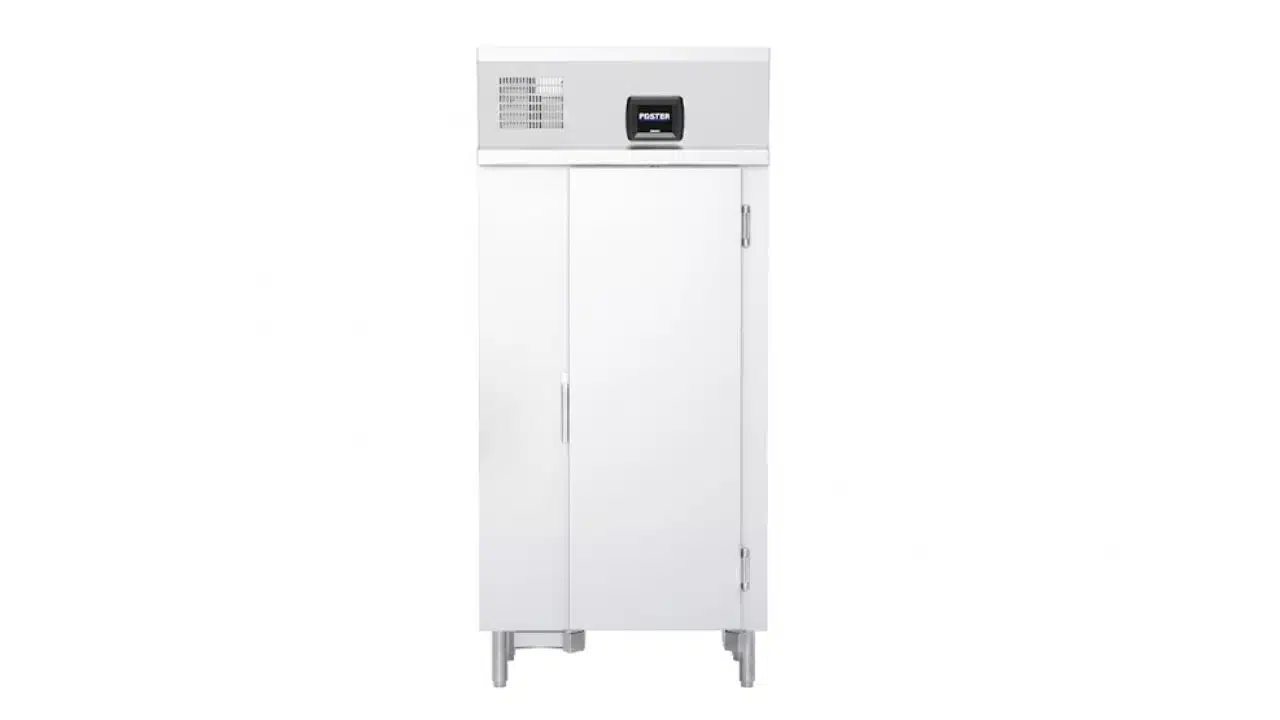
- Refrigerators: Older refrigerators are notorious for consuming large amounts of electricity. Modern energy-efficient models use up to 40 per cent less energy.
- Washing Machines: Front-loading washing machines are generally more energy-efficient than top loaders, often using less water and energy per load.
- Air Conditioners: Upgrading to an energy-efficient air conditioner, especially those with inverter technology, can significantly reduce cooling costs.
- Dishwashers: Newer, energy-efficient dishwashers use less water and electricity, reducing both water and energy bills.
The Australian government offers various rebates and incentives for upgrading to energy-efficient appliances. These programs aim to help offset the initial purchase cost, making energy-efficient appliances more accessible to homeowners. Checking for available rebates in your area can further enhance the financial benefits of upgrading your home appliances.
Using Smart Thermostats and Energy Monitors
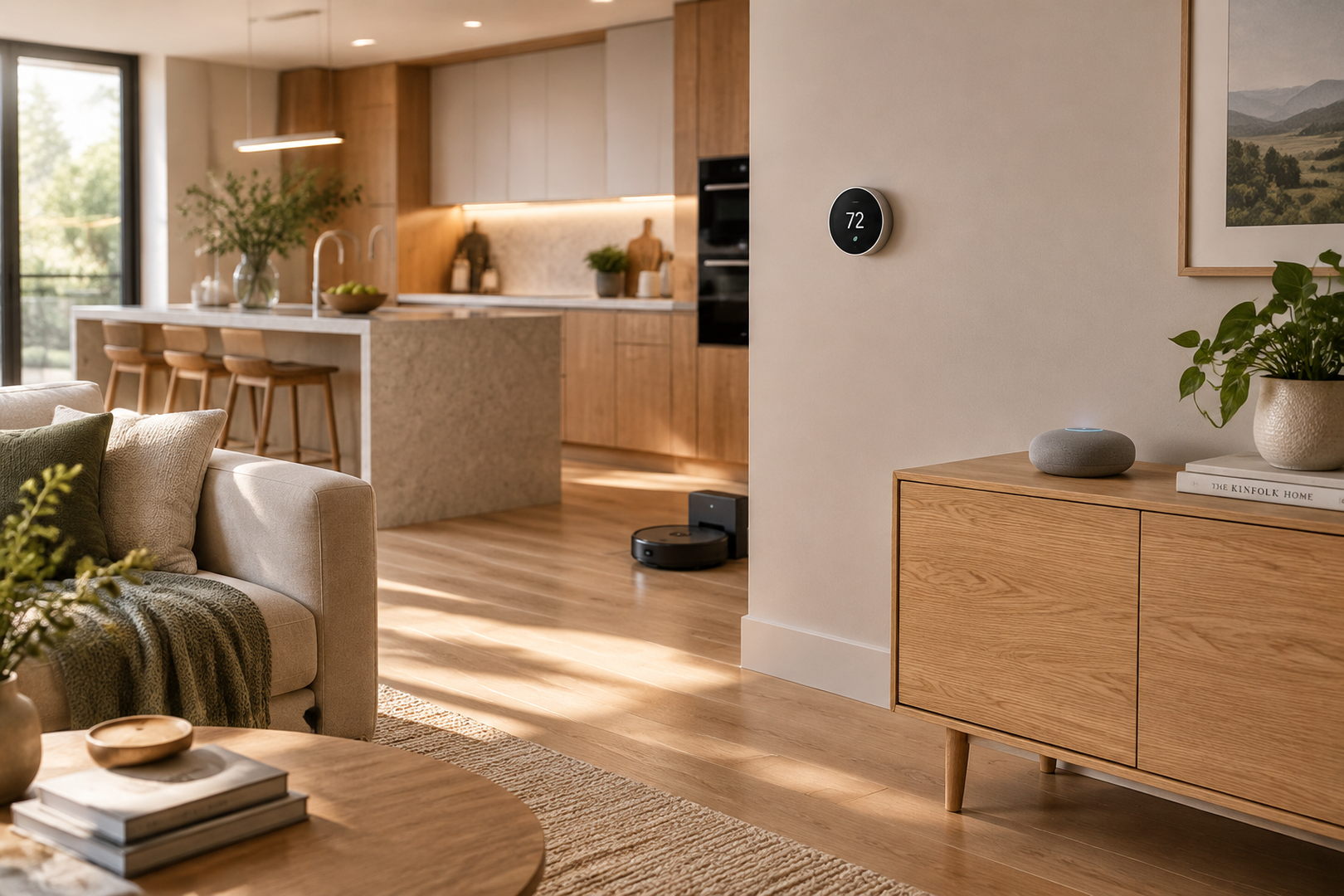
Smart thermostats have revolutionised the way homeowners manage their heating and cooling systems. These devices allow users to control the temperature of their home remotely via smartphones or computers, ensuring optimal energy use while maintaining comfort. Smart thermostats learn user behaviours and adjust settings automatically to maximise energy savings. Features like motion sensors and geofencing provide further control over home energy use, adjusting the temperature when the house is empty or occupants are arriving home.
In Canberra’s variable climate, smart thermostats can offer significant benefits. The region experiences both cold winters and hot summers, leading to substantial heating and cooling expenses. By using a smart thermostat, homeowners can better manage their HVAC systems, reducing unnecessary usage and cutting down on electricity costs.
Energy monitors are another valuable tool in the quest to reduce electricity consumption. These devices track and report on energy usage in real time, providing homeowners with detailed insights into how and when energy is being used. With this information, it’s easier to identify energy-hogging appliances or habits that can be adjusted to save power.
Top-recommended smart thermostats and energy monitors for Australian homes include:
- Nest Learning Thermostat: Known for its user-friendly interface and learning capabilities, the Nest Learning Thermostat adapts to your schedule and preferences over time.
- Ecobee SmartThermostat: Featuring room sensors that help manage hot and cold spots, the Ecobee SmartThermostat optimises energy use.
- Sense Energy Monitor: This device provides detailed energy usage reports, helping users understand their electricity consumption patterns and identify areas for improvement.
- TP-Link Kasa Smart Wi-Fi Plug with Energy Monitoring: An affordable option, this device allows users to monitor energy use of individual appliances and control them remotely.
Solar Power Solutions
Solar power is a renewable energy source gaining popularity among Canberra residents. By installing solar panels, households can generate their electricity, significantly reducing reliance on the grid and cutting electricity costs. Moreover, solar power is environmentally friendly, contributing to the reduction of greenhouse gas emissions.
The benefits of installing solar panels in Canberra are manifold. The region receives abundant sunshine throughout the year, making it an ideal location for harnessing solar energy. With solar panels, homes can produce electricity during peak sunlight hours and store excess energy in batteries for use during evenings or cloudy days. This not only reduces electricity bills but also provides a degree of energy independence.
When considering the cost and savings analysis of solar panel installations, it’s important to account for the initial investment, which includes the cost of panels, inverters, batteries, and installation. While this upfront cost can be significant, the long-term savings on electricity bills are substantial. Typically, a well-designed solar panel system can pay for itself within 5-10 years through savings on energy bills. Additionally, many solar panel manufacturers offer warranties of 25 years or more, ensuring prolonged benefits.
The Australian government provides various incentives and rebates for solar energy installations, making it more accessible and affordable for homeowners. These benefits can include the Small-scale Renewable Energy Scheme (SRES), which offers financial incentives through Small-scale Technology Certificates (STCs) that can be sold or traded to offset installation costs. State and territory programs may also provide additional rebates or feed-in tariffs for excess energy fed back into the grid.
Efficient Lighting Solutions
Lighting constitutes a significant portion of household electricity consumption. By adopting efficient lighting solutions, homeowners can greatly reduce their energy usage and corresponding costs. One of the simplest and most effective changes is switching to LED lighting.
LED bulbs are highly energy-efficient, consuming up to 75 per cent less energy than traditional incandescent bulbs. They also last significantly longer, reducing the frequency and cost of replacements. Although the initial cost of LED bulbs is higher, their long lifespan and lower energy consumption make them cost-effective in the long run.
When comparing LED, CFL (Compact Fluorescent Lamps), and incandescent bulbs, LEDs come out on top. CFLs, while more energy-efficient than incandescent bulbs, contain mercury, posing environmental hazards if not disposed of properly. LEDs, on the other hand, are eco-friendly and offer superior energy savings.
To reduce energy consumption further, consider the following best lighting practices:
- Use dimmers: Installing dimmer switches allows you to adjust the brightness to suit your needs, reducing energy consumption.
- Utilise timers and motion sensors: These devices ensure that lights are only on when needed, preventing unnecessary usage.
- Opt for task lighting: Instead of illuminating an entire room, use focused lighting for specific tasks, such as reading or cooking.
Maximising natural light is another excellent way to cut lighting costs. Arrange furniture to make the most of natural light during the daytime, and use light-coloured paints and reflective surfaces to enhance the brightness in your home. Opening curtains and blinds during the day also helps to reduce the need for artificial lighting, which is just one of many ways you can reduce electricity costs with simple home improvements that not only save money but also contribute to a more sustainable lifestyle.
Conclusion
In conclusion, several simple home improvements can help Canberra residents reduce electricity costs significantly. By investing in proper insulation, upgrading to energy-efficient appliances, using smart thermostats and energy monitors, installing solar panels, and adopting efficient lighting solutions, homeowners can achieve substantial savings on their electricity bills.
Implementing these tips not only provides immediate financial benefits but also contributes to long-term energy efficiency and environmental sustainability. Reducing electricity costs with simple home improvements is a practical and effective approach that brings both economic and ecological advantages.
Now is the perfect time to start making these changes. By taking proactive steps towards energy efficiency, Canberra residents can enjoy a more comfortable and cost-effective home environment while also playing their part in protecting the planet.