Most of us spend the bulk of our day indoors, and over time, pollutants from cooking, cleaning products, furnishings, moisture, and combustion appliances tend to accumulate in that space. Outdoor air seeping in only adds to the mix. Improving indoor air quality isn’t about finding one perfect gadget—it calls for source control, ventilation, and filtration working together. A device such as an air purifier can play a supporting role in this strategy, but it won’t substitute for proper ventilation, routine maintenance, or tackling pollutants at their source. The most effective approach starts with figuring out what’s actually driving your air quality concerns, then layering in ventilation and filtration as needed.
Understanding Common Indoor Air Pollutants
Indoor pollutants generally fall into a handful of categories. Particulate matter comes from cooking, smoke, dust, and combustion sources. Biological pollutants include mold spores, pollen, dust mites, and pet dander. Gases and vapors get released from cleaning products, paints, furnishings, and fuels. Carbon monoxide can build up from malfunctioning or improperly vented combustion appliances, and excess moisture often paves the way for mold growth.
Pollutant levels vary widely depending on a building’s age, its ventilation design, local climate, occupant habits, pets, and whether renovations or combustion appliances are in the picture. Some problems, like visible mold or smoke, are easy enough to spot. Others—carbon monoxide and certain volatile organic compounds among them—have no smell or visible sign whatsoever. If you’re dealing with persistent symptoms or suspect carbon monoxide exposure, call a qualified professional or medical provider rather than trying to guess your way through it.
Start With Source Control
Reducing or eliminating pollutants at their source is typically the most effective first move. In practice, that might mean running kitchen exhaust that vents outdoors while cooking, skipping indoor smoking or burning materials, following label instructions for cleaning products and paints, storing chemicals securely, repairing water leaks promptly, and having fuel-burning appliances serviced by qualified professionals.
It’s worth noting that “fragrance-free,” “natural,” or “green” labeling doesn’t guarantee a product is free of emissions or right for every household. Consider two kitchens cooking the same meal: in one, the exhaust fan runs throughout and after cooking, capturing grease particles and combustion byproducts; in the other, no exhaust is used at all. Over weeks and months, the gap in accumulated particulates and odors can become substantial.
First priority: Before buying any equipment, focus on removing or reducing pollution at its source. This single step often has the greatest impact on indoor air quality.
Improve Ventilation Safely
Bringing outdoor air indoors helps dilute and clear out accumulated pollutants. That can mean opening windows when outdoor conditions allow, running bathroom and kitchen exhaust fans during and after activities that generate moisture or pollutants, and stepping up ventilation temporarily after painting or remodeling.
There are limits, though. Opening windows isn’t always wise during wildfire smoke events, high outdoor pollution, extreme temperatures, or heavy allergy seasons. Exhaust fans should always vent to the outdoors—never into attics or wall cavities. It’s also worth understanding that safe ventilation isn’t the same as simple air circulation: a fan that just stirs indoor air around doesn’t introduce any fresh outdoor air at all. According to guidance from the U.S. Environmental Protection Agency, source control and ventilation are considered complementary, foundational strategies for managing indoor air quality.
Use Filtration as a Supplement
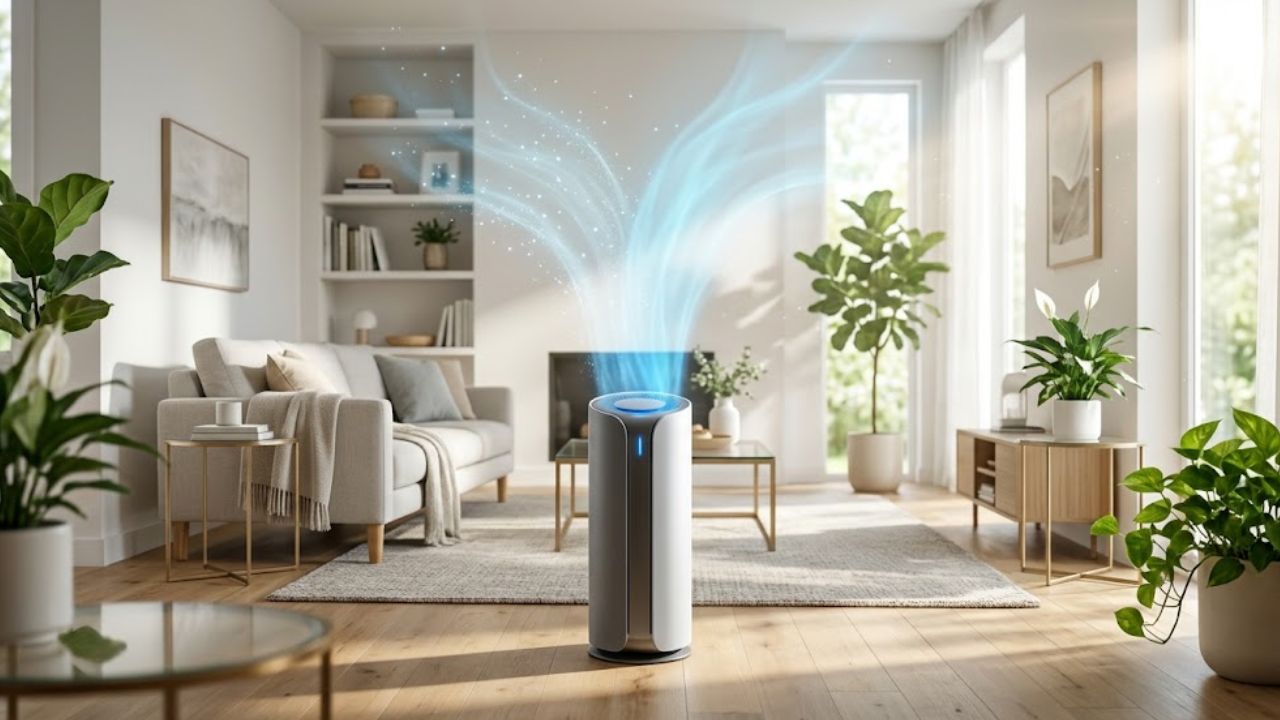
Filtration can cut down on certain airborne particles, but it won’t resolve every indoor air quality issue. Options range from portable room air cleaners to filters built into central HVAC systems, along with specialized systems designed for gases or odors. How well they work depends on filter efficiency, airflow, room size, placement, continuous operation, and whether filters get replaced on schedule.
It’s worth recognizing that particle filtration is a different matter from removing gases, odors, or moisture. And a higher-rated HVAC filter isn’t automatically the better choice—if it restricts airflow beyond what the system was built to handle, it can put unnecessary strain on the equipment. Filtration is a supplement, not a guarantee of cleaner or healthier air.
Before relying on filtration:
- Identify the specific pollutant you’re trying to address.
- Check room size or HVAC system requirements.
- Confirm ongoing maintenance needs, including filter changes.
- Continue practicing source control and ventilation alongside filtration.
Manage Moisture, Dust, and Allergens
Mold prevention comes down primarily to controlling moisture, not simply filtering the air. Address leaks, condensation, and plumbing issues as soon as they appear, and use exhaust ventilation during bathing, cooking, and clothes drying. In persistently humid climates, dehumidification may help, though results vary from household to household.
For dust and allergens, regular cleaning methods that avoid stirring particles back into the air, washing bedding per manufacturer instructions, and keeping pets out of sleeping areas can all make a difference. Replace or clean HVAC filters according to manufacturer guidance. Results vary by pollutant, building, and individual sensitivity, so allergen reduction should never be treated as a sure thing.
Consider Special Situations
Cooking—especially frying or other high-heat methods—benefits from exhaust that vents outdoors. Renovation projects call for isolating work areas, controlling dust, and following product safety instructions closely. During wildfire smoke or heavy outdoor pollution, it’s often wise to limit outdoor air intake while keeping an eye on public health guidance. Carbon monoxide alarms should be installed and properly maintained near combustion appliances. Households with children, older adults, or sensitive individuals may need to be more deliberate about pollutant reduction. Renters should document leaks, mold, or ventilation issues and report them through the proper channels.
Building a Practical Indoor Air Quality Plan
A simple decision process works well here: identify the likely pollutant, reduce it at the source, improve ventilation safely, and add compatible filtration if airborne particles remain a concern. For cooking particles, prioritize exhaust and smart cooking practices. For recurring dampness, fix the leak first. For dust or pollen, combine cleaning, source reduction, and filtration. Keeping a simple maintenance log of leaks, filter changes, and renovation activity can help you track what’s actually working over time.
What Indoor Air-Cleaning Devices Cannot Do
Air-cleaning devices generally can’t repair leaks, remove existing mold growth, replace outdoor ventilation, fix faulty combustion appliances, or eliminate all gases and odors. Nor can they guarantee protection from illness or allergic reactions. Be wary of vague “detoxifying” claims or exaggerated health promises. Devices only work as intended with proper placement, operation, and regular maintenance.
Key Takeaways for a Healthier Home
Improving indoor air quality is a layered process, not a single purchase. Source control comes first, followed by safe ventilation and appropriate filtration. Moisture management, appliance maintenance, and cooking ventilation often address the most significant risks directly. Seek qualified help for suspected carbon monoxide, significant mold, or persistent moisture problems. As a starting point, pick one likely pollutant in your home, reduce it at the source, and build a maintenance routine you can actually stick with.