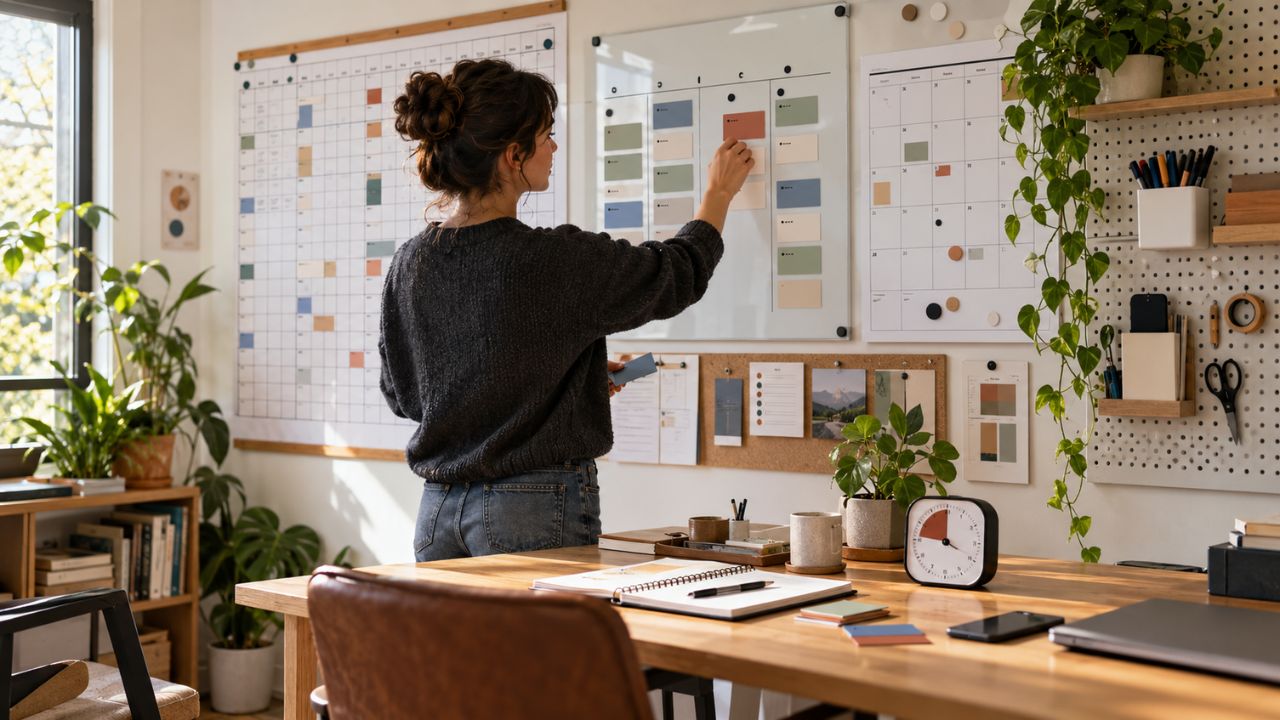
How does your body feel right now? Is your jaw clenched, your shoulders tight, or does it feel like your neck is in a vice? Even if you feel relaxed right now, those symptoms might sound familiar.
Stress can often feel like an unavoidable part of daily life, and that’s not good for your health. According to the Mayo Clinic, chronic stress can lead to heart disease, high blood pressure, diabetes, and more.
Along the way, it can cause headaches, muscle pain, exhaustion, stomach issues, and depression. To protect your well-being and find some peace in your day, it’s crucial to have quick and practical strategies to lower your stress levels.
1. Use Your Breath

Breathwork is a tried-and-true, research-based method that gently and quickly lowers anxiety by reducing blood pressure and heart rate. One effective technique is alternate nostril breathing.
Sit comfortably, close your eyes, place your right thumb over your right nostril, and inhale through your left nostril. Then, release your thumb, place your ring finger over your left nostril, and exhale through your right nostril.
Without moving your finger, inhale through your right nostril, close it with your thumb, exhale through the left, inhale through the left, close that nostril, and exhale right.
Start with 11 rounds at first. This method balances the mind and body, promoting relaxation and reducing stress. Regular practice can lead to more profound and lasting relaxation effects.
2. Get Up and Dance!
Studies have found that incorporating dance into your routine can significantly decrease physical signs of stress, such as cortisol levels, and improve your psychological ability to cope with stress.
Dancing provides physical exercise and boosts mood-regulating neurochemicals like serotonin and dopamine. So, take dance breaks at home or attend dance classes to bust stress effectively.
The joy of movement and music can quickly transform your mood and alleviate tension. Moreover, dancing with others can enhance social bonds, providing additional emotional support and stress relief.
3. Take a Walk
A brisk 10-minute stroll can lower anxiety levels. Exercise boosts mood-regulating neurochemicals in your brain, including serotonin and dopamine. Walking while listening to music you love or talking to a friend can provide an extra boost.
Socializing is another feel-good activity, so consider walking with a friend or group for even more stress relief.
Combining physical activity, fresh air, and social interaction can significantly reduce stress and improve overall well-being. Regular walks can also improve cardiovascular health, reducing long-term stress.
4. Create Some Art
A large-scale review of studies found that drawing, working with clay, and other art activities can significantly reduce anxiety and bring on a feeling of calm, as measured by decreased cortisol, heart rate, and blood pressure.
The quality of your artwork doesn’t matter; the creation process itself is beneficial. Engaging in creative activities allows you to express emotions, focus your mind, and enjoy a sense of accomplishment, all contributing to stress relief.
Additionally, art can be a form of meditation, helping you stay present and mindful. This mindful engagement can lead to prolonged periods of relaxation and mental clarity.
5. Listen to Music You Love

A study published in Psychoneuroendocrinology showed that listening to relaxing music can lower cortisol levels, the stress hormone, and help reduce anxiety. Listening to music that you enjoy, calming or energizing, can help your muscles unclench, and your mind relax. Music profoundly impacts emotions, and choosing your favorite tunes can instantly lift your mood and reduce stress.
Furthermore, music therapy has been shown to improve mental health conditions like depression and anxiety, providing a versatile tool for emotional well-being.
6. Stretch Your Body
Stretching relaxes and loosens the body, which can also ease the mind. A 2013 controlled trial showed that 10 minutes of stretching thrice a week for three months made people feel less anxious and burned out.
Stretching slowly and mindfully, focusing on your breath and the muscles you’re working on, can significantly reduce stress. Incorporating regular stretching into your routine can improve flexibility, relieve tension, and enhance your overall well-being.
Stretching can also improve circulation and reduce the risk of injuries, contributing to overall physical health.
7. Get Outside
Nature, often called “Vitamin N,” benefits the soul and the body. Spending time in nature can reduce overall stress and help you manage tension as it arises. Whether it’s a walk in the park, a hike in the mountains, or simply sitting in your garden, nature has a calming effect.
The natural environment promotes relaxation and mental clarity, offering a respite from the hustle and bustle of daily life. Studies have shown that even brief exposure to natural settings can lower blood pressure and cortisol levels.
Engaging with nature regularly can lead to sustained improvements in mood and mental health.
8. Do Progressive Relaxation
Progressive relaxation involves tensing and relaxing each muscle group, working from your toes to your head. This technique can lower blood pressure, slow heart rate, and decrease stress hormone activity.
Sit or lie quietly, close your eyes, and tense your toes for five seconds, then release. Move on to your calves, thighs, and so on until you reach your forehead. By systematically relaxing your muscles, you can achieve a state of deep relaxation and reduce stress.
This method is particularly effective for those holding body tension, as it decreases muscle tightness. Practicing progressive relaxation regularly can enhance your ability to manage stress in the long term.
9. Try Chewing Gum
Chewing gum can reduce stress, potentially due to its effects on specific neurons in the brain. Make sure to choose sugarless gum to avoid dental issues. This simple activity can help reduce anxiety and improve focus.
The rhythmic motion of chewing can provide a calming effect and improve concentration, making it a convenient and quick stress relief tool.
Studies have shown that chewing gum can reduce cortisol levels and improve mood. It can also increase alertness and performance during stressful tasks.
10. Pet Your Fur-Baby (or Someone Else’s!)

Interacting with dogs and cats can improve mood and relieve stress. Studies have shown that petting animals for even a few minutes can lower cortisol levels and increase feelings of emotional support.
If you don’t have a pet, consider volunteering at a local animal shelter. The unconditional love and companionship of animals can provide comfort and reduce stress significantly.
Pets also encourage physical activity and social interaction, which reduce stress. Caring for a pet can also provide structure and purpose, further enhancing emotional well-being.
11. Take a Quick Nap
A short nap can help alleviate physical stress, especially if you had a poor night’s sleep. Even a brief rest can lower stress hormones in your body. However, naps are not recommended for those with sleep disorders. A quick nap can refresh your mind and body, restoring energy and reducing stress.
Napping can improve cognitive function, mood, and overall performance. Keep naps to around 20 minutes to maximize the benefits and avoid grogginess.
12. Get a Splash of Chill (Literally)
Splashing your face with ice-cold water for 15 to 20 seconds can engage your body’s relaxation system. Alternatively, take a cold shower or hold an ice cube against your face. This can quickly lower stress levels by activating the body’s natural calming response.
The sudden cold stimulates the vagus nerve, which helps regulate stress responses and promotes a sense of calm.
Cold exposure can also improve circulation and boost mood. Incorporating cold showers or splashes into your routine can enhance your resilience to stress.
13. Get Rid of One Nagging Little Task
Pick one task you’ve been putting off and complete it. Whether dropping off clothes at the dry cleaner, calling your financial planner, or returning a jacket, crossing a nagging task off your list can provide relief and accomplishment.
Completing small tasks can reduce mental clutter and make you feel more in control, reducing stress. Finishing a task, no matter how small, can boost your mood and provide a quick sense of achievement.
Regularly addressing small tasks can prevent them from accumulating and becoming overwhelming.
14. Cross Off a Health Worry, Too
Address any health concerns that may be causing underlying stress. Schedule a doctor’s appointment to discuss that odd-looking mole, get that postponed vaccine, or check that unusual bump. Resolving health worries can significantly reduce anxiety. Taking proactive steps towards your health can provide peace of mind and reduce stress.
Regular health check-ups and addressing concerns promptly can prevent minor issues from escalating into major problems. Maintaining good health can enhance your overall quality of life and reduce stress.
15. Get Your Ha-Ha On
Laughter can significantly reduce stress. Watching a funny video or experiencing “mirthful laughter” can lower perceived stress immediately. The benefits might not be long-lasting, but they can provide quick relief.
Find videos or comedians that make you laugh and enjoy a good chuckle. Laughter releases endorphins, improves mood, and provides a fast and enjoyable way to reduce stress.
It also boosts the immune system and improves cardiovascular health. Incorporating humor into your daily life can lead to sustained improvements in well-being.
16. Swap Chores with a Friend
Socializing and tackling chores together can reduce stress. Spend time cleaning your friend’s space and then yours. The company and shared tasks can make the chore less daunting and more enjoyable.
Follow it up with a relaxing activity like sharing a glass of wine. Combining productivity and social interaction can alleviate stress and make mundane tasks more enjoyable.
Working together on tasks can strengthen bonds and Create a sense of community. Regularly engaging in shared activities can enhance emotional support and reduce stress.
17. Sniff Some Lavender

Lavender essential oil has been shown to reduce anxiety. Inhaling lavender can help ease stress and promote a sense of calm. Use a diffuser or put a few drops on a cloth to enjoy its soothing scent.
Aromatherapy with lavender can create a calming environment and provide quick stress relief. Lavender has also been shown to improve sleep quality and reduce symptoms of depression. Incorporating lavender into your daily routine can enhance overall well-being.
18. Cancel Something — Anything
If your schedule is packed, look for something you can cancel or postpone. Giving yourself a break and some unplanned time can reduce stress. It’s important to have mental and physical space to recharge.
Simplifying your schedule and reducing commitments can lower stress levels and provide more time for self-care. Prioritizing your time and focusing on essential activities can improve productivity and reduce overwhelm.
Regularly reassessing your commitments can help maintain a balanced and stress-free lifestyle.
19. Reconsider Negative Friendships
Evaluate your relationships and consider distancing yourself from those who cause you stress with negativity or criticism. Reducing contact with toxic individuals can significantly lower your stress levels.
Surrounding yourself with positive and supportive people can improve your mood and reduce stress. Building a network of positive relationships can provide emotional support and enhance your overall well-being.
Setting boundaries with negative individuals can protect your mental health and reduce stress. Regularly assessing your social circle can help maintain a healthy and supportive environment.
20. Ease Sunday Stress
If you dread the upcoming week, plan something enjoyable for Monday or Tuesday. Scheduling a fun activity can reduce Sunday stress and provide something to look forward to, smoother the transition into the week.
Planning enjoyable activities can create positive anticipation and reduce anxiety about the week ahead. Regular enjoyable activities can enhance your overall quality of life and reduce stress.
Balancing work and leisure can improve productivity and prevent burnout. Incorporating small pleasures into your weekly routine can enhance overall well-being.
Knowing When to Seek Professional Help
While these techniques can help manage everyday stress, it’s important to recognize when professional help is needed. Signs of chronic stress include changes in sleep or eating habits, irritability, sadness, and trouble concentrating.
If stress becomes overwhelming, seek help from a licensed professional. In emergencies, contact the National Suicide Prevention Lifeline at 800-273-TALK or text “NAMI” to 741-741. Taking care of your long-term mental and physical health is vital for managing stress.
These quick stress-relief tactics can provide immediate relief, but remember to incorporate long-term strategies like therapy or medication if necessary. Using these methods, you can improve your overall well-being and find moments of calm in your daily life.