

Property owners often watch small problems turn into expensive disasters. Poor home maintenance costs property owners thousands of dollars each year in avoidable repairs. This guide reveals ten common maintenance mistakes that drain your wallet and shows you simple ways to prevent them.
Your property value depends on it.
Key Takeaways
- Regular preventive maintenance like changing filters and roof inspections saves thousands of dollars in expensive repairs later.
- Small repairs like dripping faucets turn into major water damage and costly structural problems when delayed too long.
- HVAC filters need changing every 1-2 months to prevent system breakdowns and keep energy bills from skyrocketing dramatically.
- Cheap repair materials force property owners to redo work within months instead of lasting for years.
- Annual roof inspections and immediate storm damage checks prevent leaks from becoming expensive structural damage and replacements.
Why is Preventive Maintenance Important?
Preventative maintenance acts like a shield for your property. Regular upkeep extends the lifespan of building systems and cuts down replacement costs. Simple tasks like changing air filters, cleaning gutters, and checking roofs save thousands of dollars later.
Think of it as giving your property a health checkup. Small fixes today prevent major headaches tomorrow. Property value stays strong when you stay ahead of problems.
Skipping preventative maintenance opens the door to system breakdowns and expensive repairs. Your heating and cooling systems work harder when filters stay dirty. Water damage spreads fast without proper roof inspections.
Mold growth takes hold in damp spaces. Creating a seasonal maintenance schedule keeps everything running smooth. This approach reduces unexpected expenses and keeps tenants happy. High occupancy rates follow when properties stay in top shape.
Automated maintenance tracking systems help you stay on top of every task.
What Happens If You Delay Small Repairs?
Small repairs have a sneaky way of turning into big headaches. That dripping faucet might seem harmless, but it can cause water damage to your floors and walls over time. Delaying these minor fixes often leads to more extensive and expensive repairs down the road.
A loose roof shingle becomes a major leak during the next storm. Procrastination on these issues can escalate costs dramatically and cause serious property damage. Poor record-keeping makes things worse, as property managers lose track of maintenance requests and miss critical repairs.
Digital systems help track these problems before they spiral out of control.
Tenant satisfaction takes a major hit when small problems get ignored. Addressing tenant-reported issues promptly reduces the risk of bigger maintenance headaches later. Failure to resolve minor issues quickly can harm tenant retention rates.
Dissatisfied renters start looking for new places to live, which means higher vacancy rates and lost rental income. Your property management company’s reputation suffers when tenants feel their concerns don’t matter.
Lack of prompt response to maintenance requests creates a domino effect of problems. Tenants stop reporting issues, thinking nothing will get fixed anyway. This silence allows small problems to grow into major structural damage that costs thousands to repair.
How Can You Detect and Prevent Water Damage?
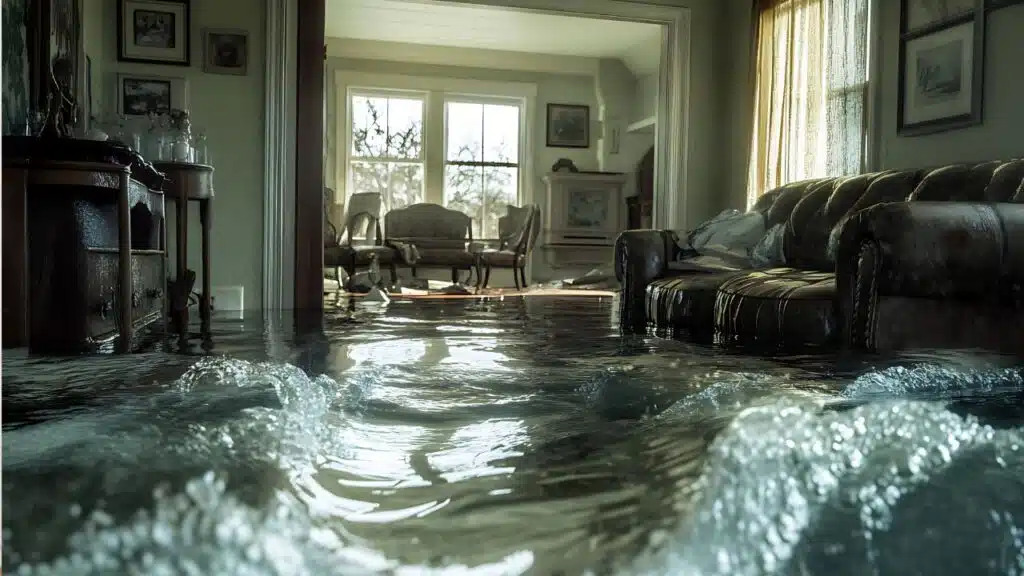
Water damage can destroy your property value and create costly repairs if left unchecked. Smart property maintenance starts with spotting trouble early and taking action fast.
- Check gutters and drainage systems twice yearly during spring and fall seasons to prevent water intrusion that leads to structural damage.
- Inspect your roof at least once per year and after major storms to catch potential leaks before they cause expensive drywall damage or mold growth.
- Direct downspouts away from your property’s foundation to stop water from pooling near the base and causing foundation cracks.
- Reseal windows and doors annually with silicone-based caulking to block water infiltration that can ruin walls and floors.
- Install gutter guards to reduce debris buildup and prevent overflow that damages your home’s exterior and foundation.
- Trim trees and shrubs before hurricane season to minimize branches that could puncture your roof or siding during storms.
- Choose moisture-resistant materials like vinyl or cement-plank siding, especially if you live in humid or storm-prone areas.
- Schedule annual plumbing inspections and fix leaks immediately to catch water-related problems before they spread throughout your rental property.
- Test water pressure regularly and watch for sudden spikes in your water bill that signal hidden leaks in walls or underground pipes.
- Monitor basement walls and floors for damp spots or white mineral deposits that indicate water seepage from outside sources.
Why Should HVAC Filters Be Changed Regularly?
Dirty HVAC filters are like clogged arteries in your home’s respiratory system. Air struggles to flow freely, forcing your heating and air-conditioning equipment to work harder than a marathon runner in Florida heat.
Change those filters every 1 to 2 months to keep your system running smoothly and your energy bills from skyrocketing.
Fresh filters trap dust, pollen, and allergens before they circulate through your rental properties. This simple maintenance task prevents costly repairs and extends your hvac system’s lifespan significantly.
Schedule annual HVAC tune-ups before and after summer to catch problems early. Your tenants will thank you for consistent comfort, and your wallet will appreciate the lower operational costs.
How Often Should You Inspect Your Roof?
Roofs need inspection at least once per year to catch problems before they spiral out of control. Major storms demand immediate roof inspections to spot damage that could turn into expensive headaches later.
Missing shingles, damaged flashing, and blocked roof drainage are red flags that need quick attention. Annual roof evaluations become even more critical in areas hit by hurricanes or severe weather events.
Ignoring roof inspections ranks among the most common maintenance mistakes property owners make. This oversight leads to leaks, water damage, and structural damage that could have been prevented with simple proactive maintenance.
Timely identification of roof issues saves you from costly replacements down the road. Regular roof maintenance protects your property value and keeps insurance companies happy by reducing claims.
What Are the Risks of Using Low-Quality Repair Materials?
Cheap repair materials can destroy your property value and drain your wallet. Using non-mold-resistant paint in humid areas leads to quick deterioration. Non-UV-protective coatings fade fast under harsh sunlight.
Wood siding in humid climates like South Florida becomes a maintenance nightmare. These poor choices force you to redo repairs within months, not years.
Quality materials save money over time, despite higher upfront costs. Vinyl or cement-plank siding resists moisture better than wood or stucco in storm-prone regions. Mold-resistant paints protect your walls from water damage and costly repairs.
Cutting corners on material quality creates repeated maintenance requests and angry tenants. Smart property maintenance means choosing the right materials for your local climate, scheduling work on dry days, and hiring qualified professionals who won’t compromise on quality.
How Do You Identify and Fix Plumbing Issues Early?
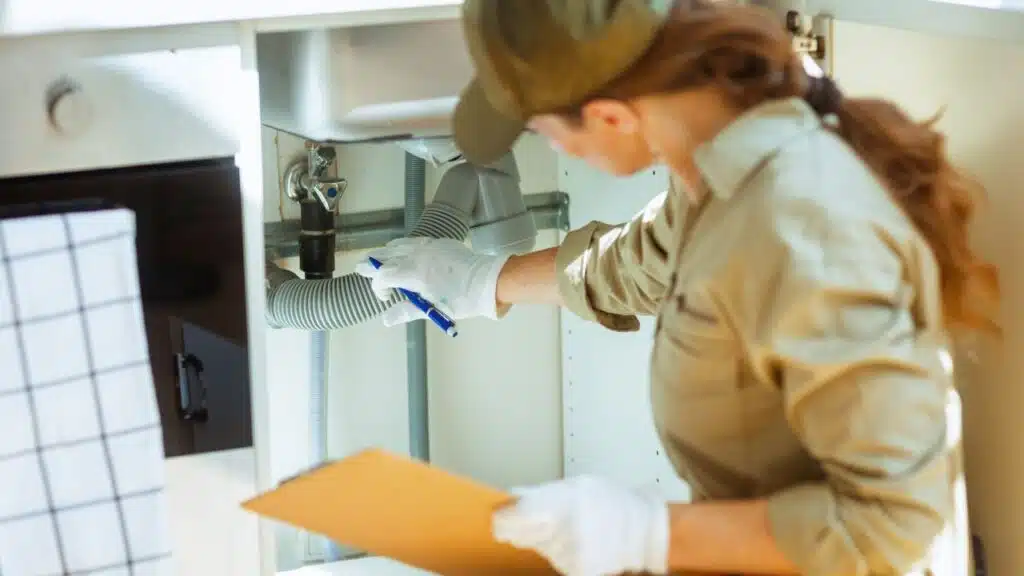
Early plumbing detection saves thousands in water damage costs. Proactive maintenance prevents small leaks from becoming major disasters.
- Check under sinks and around appliances monthly for water spots, stains, or puddles that signal hidden leaks in your plumbing system.
- Monitor water pressure changes in faucets and showers, as sudden drops often indicate pipe blockages or fixture problems requiring immediate attention.
- Listen for unusual sounds like gurgling drains, running toilets, or whistling pipes that warn of developing plumbing issues before they worsen.
- Schedule annual professional plumbing inspections to identify hidden leaks or faulty fixtures that homeowners typically miss during routine checks.
- Flush your water heater every six months to prevent sediment buildup that reduces efficiency and shortens the appliance’s lifespan significantly.
- Clear drain backups immediately using appropriate tools rather than ignoring slow-draining sinks or tubs that worsen over time.
- Avoid flushing inappropriate items like wipes, feminine products, or grease that cause expensive clogs and potential pipe damage.
- Track plumbing maintenance and repairs using digital record-keeping systems to schedule timely follow-up inspections and prevent forgotten issues.
- Address small leaks or slow drains promptly to prevent extensive water damage and dangerous mold growth in walls and floors.
- Test water shut-off valves annually to confirm they work properly during plumbing emergencies that require immediate water flow stoppage.
Why Should Smoke and Carbon Monoxide Detectors Be Maintained?
Smoke detectors and carbon monoxide detectors save lives, but only if they work properly. Property owners must check these devices at least twice per year to maintain legal compliance and protect residents.
Fresh batteries keep detectors functional during emergencies. Most jurisdictions require working smoke detectors by law, making regular maintenance a legal necessity rather than just good practice.
Neglecting detector maintenance exposes property owners to serious legal liabilities and potential penalties that can cost thousands of dollars.
Proper detector maintenance builds tenant confidence and improves property reputation. Functional safety equipment reduces insurance risks and may lower premiums for property owners.
Keeping detailed records of detector checks and replacements supports compliance documentation during inspections. Broken detectors can negatively affect occupancy rates as tenants prioritize safety when choosing where to live.
Regular testing takes just minutes but prevents fatalities during fires or carbon monoxide leaks. Smart property managers schedule seasonal maintenance checks to stay ahead of problems and protect their investment.
Takeaways
Property maintenance doesn’t have to feel like climbing Mount Everest. Smart homeowners catch problems early, save money, and keep their properties running smoothly. Regular roof inspections, HVAC maintenance, and quick fixes prevent small issues from becoming wallet-draining disasters.
Your future self will thank you for staying on top of seasonal maintenance and keeping detailed records of every repair.
FAQs
1. What are the most common maintenance mistakes property owners make?
Skipping proactive maintenance tops the list, followed by ignoring water damage signs and putting off roof inspections. Many folks also forget about seasonal maintenance tasks like gutter cleaning and hvac system checkups.
2. How can I prevent water damage from turning into a bigger headache?
Fix leaks fast, check your water heater maintenance schedule, and watch for mold growth in damp spots. Don’t let small drips become drywall damage nightmares.
3. Why is regular hvac maintenance so important for my property value?
Your heating, ventilation, and air conditioning system keeps tenants happy and energy costs low. Regular tune-ups prevent breakdowns and boost operational efficiency.
4. What seasonal maintenance tasks should I never skip?
Clean those gutters before winter hits, test smoke detectors twice a year, and schedule roof maintenance before storm season. Foundation cracks need attention before they spread like spider webs.
5. How do maintenance requests affect tenant communication and legal compliance?
Quick responses to maintenance requests keep tenants satisfied and help you stay on the right side of lease agreements. Good tenant communication prevents small issues from becoming legal headaches, plus it protects those security deposits.
6. What role does data analysis play in avoiding deferred maintenance problems?
Smart property managers use analytics and key performance indicators to track maintenance trends and spot problems early. Data-driven decisions help you plan budgets, schedule work with contractors like plumbers and electricians, and maintain that competitive advantage in the rental market.
























