

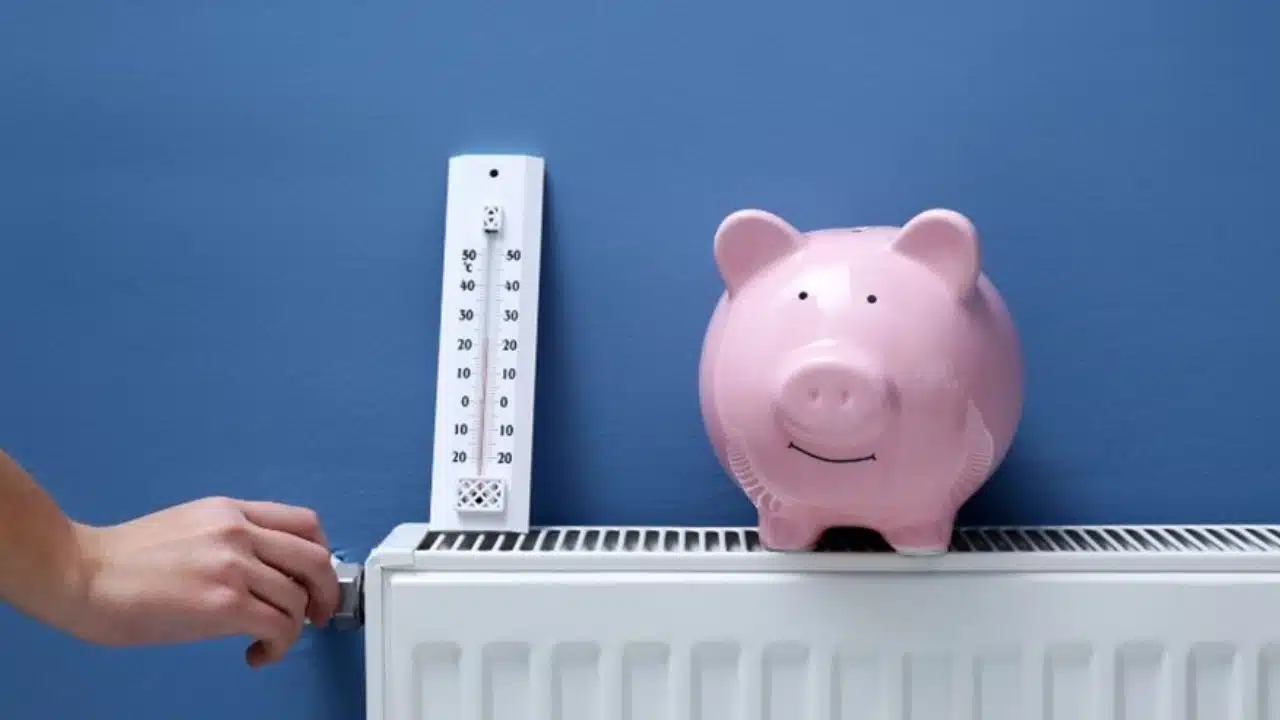
Winter often brings higher utility bills due to increased heating and energy usage. However, with some simple adjustments and mindful habits, you can reduce your expenses while keeping your home warm and comfortable.
From improving insulation to optimising your thermostat settings, there are numerous ways to save without compromising on comfort. This guide provides practical tips tailored for UK households to help lower utility costs during the colder months.
By implementing these strategies, you’ll not only save money but also contribute to a more energy-efficient and environmentally friendly lifestyle.
1. Prioritise Early Debt Repayment
Debt can drain your finances, leaving less room to manage utility bills effectively. Focus on repaying debts like credit cards, short term loans, bad credit loans, etc., before winter begins. Clearing these financial obligations frees up funds to cover heating and energy costs without stress. Use strategies like the avalanche or snowball method to systematically reduce your debt.
Being debt-free also provides peace of mind, allowing you to focus on implementing energy-saving measures for long-term benefits.
2. Use a Smart Thermostat
A smart thermostat is a great tool for managing your heating more efficiently. These devices allow you to programme heating schedules, ensuring your home is warm only when needed. Some models even learn your habits and adjust automatically to optimise energy usage.
You can also control smart thermostats remotely via your phone, enabling you to lower the temperature if you’re delayed or out for the evening. Investing in a smart thermostat helps reduce unnecessary energy consumption and lowers your heating costs during winter.
3. Insulate Your Home Properly
Proper insulation is one of the most effective ways to reduce heating costs. Insulating your loft, walls, and floors helps retain heat, reducing the need for constant heating. Check for areas where heat might escape, such as windows and doors, and add insulation where needed. Double glazing your windows or using thermal curtains can also prevent heat loss.
By ensuring your home is well-insulated, you’ll maintain a comfortable temperature without overworking your heating system, saving money in the process.
4. Seal Drafts and Gaps
Drafts and gaps around doors, windows, and skirting boards can let cold air in, making your heating system work harder. Use draft excluders, weather stripping, or caulking to seal these areas. Even small gaps can have a significant impact on your heating efficiency.
Check less obvious areas like attic hatches or around pipes for leaks as well. By addressing drafts, you’ll create a more energy-efficient home and reduce your utility bills during winter.
5. Lower the Thermostat When You’re Away
Lowering your thermostat by a few degrees when you’re not at home can lead to substantial savings. Set your thermostat to a lower temperature when you’re at work or asleep, and increase it only when you’re home.
Many thermostats have a scheduling function, allowing you to programme these adjustments automatically. Keeping the temperature slightly cooler when you’re away prevents unnecessary heating and reduces energy consumption without compromising comfort.
6. Take Advantage of Natural Heat
Maximise natural heat from the sun by opening curtains and blinds during the day to let sunlight warm your home. In the evening, close them to retain the heat and block out cold air. Position furniture away from windows and radiators to allow heat to circulate more effectively.
Using natural heat is a free and eco-friendly way to supplement your home’s heating system, reducing your reliance on central heating and lowering your utility bills.
7. Use Energy-Efficient Heating Devices
Consider upgrading to energy-efficient heaters or boilers to reduce your energy usage. Modern devices consume less energy while providing the same level of comfort. If a new boiler isn’t an option, ensure your current one is serviced regularly t maintain its efficiency.
Portable heaters with timers and thermostats can also be used to heat specific rooms instead of the entire house. Investing in energy-efficient devices pays off in the long run through reduced utility costs.
8. Optimise Your Hot Water Usage
Hot water usage can account for a significant portion of your winter utility bills. Reduce this by using water-efficient fixtures, such as low-flow showerheads, and by limiting the duration of showers. Wash clothes at lower temperatures and only run dishwashers or washing machines with full loads.
Insulating your water heater and pipes ensures that hot water stays warm for longer, reducing the energy required to reheat it. Simple changes in your water usage habits can lead to noticeable savings over time.
9. Switch to Energy-Efficient Lighting
Shorter daylight hours in winter mean increased reliance on artificial lighting. Switch to energy-efficient LED bulbs, which use significantly less energy than traditional incandescent bulbs. LEDs last longer and provide the same level of brightness, making them a cost-effective choice.
Turn off lights when leaving a room and consider using task lighting instead of illuminating an entire space. These small adjustments can help reduce your electricity bills without impacting your comfort.
10. Layer Up to Stay Warm
Wearing layers is a simple and effective way to stay warm without cranking up the heating. Use thermal clothing, warm socks, and blankets to keep comfortable indoors. Encourage family members to dress warmly instead of relying solely on the thermostat.
Lowering your home’s temperature by just one degree can reduce your heating costs significantly. Combining this habit with other energy-saving measures helps you create a cosy and budget-friendly home environment during winter.
Conclusion
Saving on utility bills during winter doesn’t mean sacrificing comfort. By implementing these practical tips, you can reduce energy usage, lower your expenses, and stay warm throughout the season. From using a smart thermostat to optimising hot water usage, small changes can lead to significant savings.
Prioritising debt repayment, improving insulation, and embracing energy-efficient habits create a sustainable approach to managing your utility costs. Start with these strategies today to enjoy a warmer, more cost-effective winter.
























