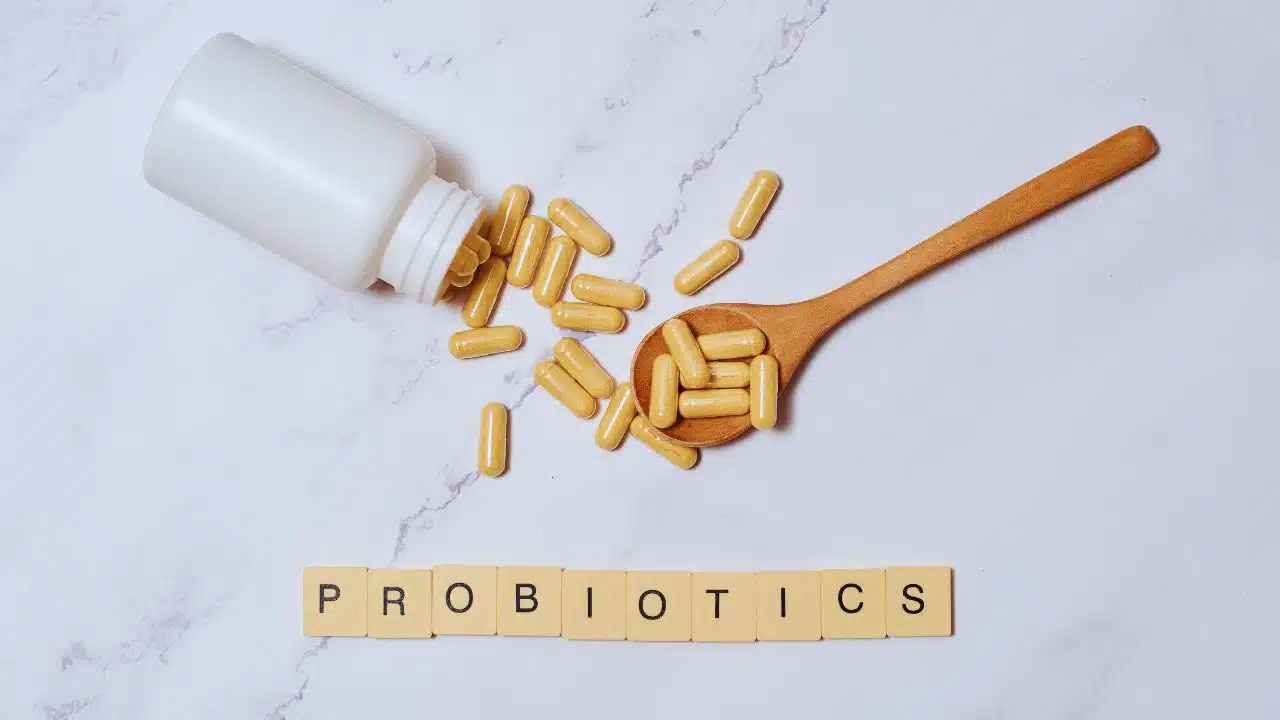
Ever wonder why some people seem to breeze through the cold season while others catch every sniffle going around? It’s not just luck — your immune system plays a huge role, and believe it or not, a big part of that defense force lives in your gut. That’s where probiotics come in.
What Are Probiotics?
Probiotics are live bacteria and yeasts that are actually good for you — especially for your digestive system. Unlike the harmful bacteria that cause infections, probiotics are friendly microbes that support your health. Think of them as tiny superheroes working behind the scenes to keep your body in balance.
You might have heard of Lactobacillus or Bifidobacterium — these are some of the most common probiotic strains. They live naturally in your gut, but things like stress, antibiotics, and a poor diet can throw off that balance, making room for bad bacteria to take over. When that happens, you may start experiencing digestive problems, fatigue, frequent infections, or even conditions like Candida overgrowth.
Probiotics in Action
Imagine your gut as a busy city. The good bacteria are the law-abiding citizens keeping everything running smoothly. They help digest food, produce vitamins, and communicate with your immune system. But when bad bacteria start overrunning the place — thanks to stress, processed foods, or illness — it’s like crime taking over the city. Chaos ensues stomach trouble, inflammation, and a weakened immune system.
This is where probiotics come in. When you consume probiotic-rich foods or supplements, you’re sending in reinforcements — good bacteria that help restore order. They push out the troublemakers, rebuild the city’s defenses, and keep everything running as it should.
How Probiotics Boost Your Immune System?

Your gut isn’t just about digestion—it houses about 70% of your immune system. When your gut flora is balanced, your immune system is stronger and better equipped to fight off infections.
Here’s how probiotics help:
- Blocking bad bacteria: Probiotics compete with harmful bacteria for space and nutrients, making it harder for the bad guys to multiply.
- Boosting antibodies: They help stimulate the production of natural antibodies and immune cells like T-cells and killer cells, which attack viruses and harmful microbes.
- Reducing inflammation: Chronic inflammation weakens your immune system. Probiotics help regulate immune responses, preventing unnecessary inflammation that can lead to conditions like autoimmune diseases.
- Healing the gut lining: A leaky gut allows toxins and bad bacteria to seep into your bloodstream, triggering immune reactions. Probiotics help strengthen the gut lining, preventing unwanted intruders from causing havoc.
- Fighting Candida and other infections: An overgrowth of Candida (a type of yeast) can lead to issues like fatigue, brain fog, and recurrent infections. Probiotics keep Candida in check, preventing it from spreading and causing trouble.
Where to Find Probiotics
Now that you know why they matter, where can you get these good bacteria? You have two main options: foods and supplements.
Probiotic-Rich Foods:
- Yogurt: Look for labels that say “live and active cultures.” Not all yogurts contain probiotics, so check before you buy.
- Kefir: A fermented milk drink with even more probiotics than yogurt. It’s tangy, delicious, and great for gut health.
- Sauerkraut & Kimchi: Fermented cabbage packed with probiotics, plus added benefits from fiber and vitamins.
- Miso & Tempeh: These fermented soybean products are common in Asian cuisine and provide a good dose of probiotics.
- Kombucha: A fizzy, fermented tea that can be a tasty way to get your probiotics.
- Pickles (Naturally Fermented): Not all pickles have probiotics — look for ones made with brine (saltwater), not vinegar.
Probiotic Supplements:
If you’re not a fan of fermented foods, supplements are another great option. Look for:
- Multiple strains: Different bacteria strains have different benefits. A mix of Lactobacillus, Bifidobacterium, and Saccharomyces boulardii is a good start.
- High CFU count: CFU (colony-forming units) indicates how many live bacteria you’re getting. A supplement with 10-50 billion CFUs is generally effective.
- Survivability: Some probiotics can’t survive stomach acid, so look for enteric-coated capsules or strains known for their resilience.
- Trusted Brands: SFI Health probiotics are high-quality, tested probiotic supplements designed to support gut health and immunity.
Final Thoughts
Your immune system is like a team of soldiers, and probiotics are the reinforcements that help them win battles. Whether you’re looking to ward off colds, recover from antibiotics, or just feel better overall, adding probiotics to your routine can make a huge difference.
Start small — add a daily serving of yogurt or try a kombucha. If you’re dealing with chronic infections or digestive issues, a high-quality supplement might be the way to go. Whatever you choose, your gut (and your immune system) will thank you!
So, ready to give your tiny superheroes a fighting chance?