Maintaining a robust immune system is more important than ever in today’s fast-paced world. Your immune system is a complex network of cells, processes, and chemicals that constantly defend your body against invading pathogens, including viruses, toxins, and bacteria.
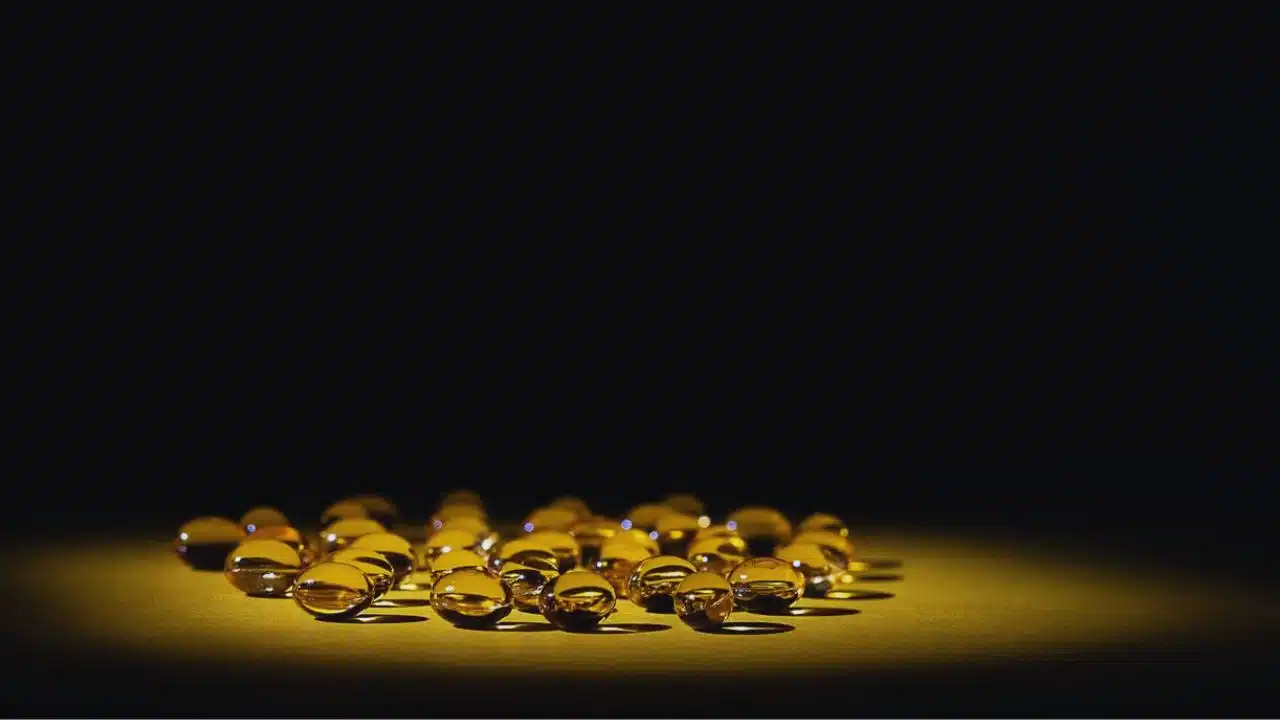
While a healthy diet and lifestyle are fundamental to keeping your immune system in shape, certain supplements can provide an additional boost. This article explores the top 15 supplements that can help enhance your immune system, offering protection against illness and infection.
Whether you’re looking to ward off the common cold or bolster your body’s defenses during flu season, these supplements are known for their immune-boosting potential. However, it’s essential to remember that no supplement can cure or prevent diseases like COVID-19, and it’s always best to consult with a healthcare professional before starting any new supplement regimen.
Let’s dive into the details and discover how these supplements can support your immune health.
1. Vitamin C
Vitamin C is renowned for its role in immune health. It supports various immune cells and enhances their ability to protect against infections. Additionally, it functions as an antioxidant, reducing oxidative stress.
High doses of intravenous vitamin C have shown promise in improving symptoms of severe infections like sepsis and acute respiratory distress syndrome (ARDS).
Daily supplementation of 250 to 1,000 milligrams is commonly recommended, with an upper limit of 2,000 milligrams to avoid adverse effects.
2. Vitamin D
Vitamin D, a fat-soluble vitamin, is critical to the immune system’s function. It enhances the pathogen-fighting capabilities of monocytes and macrophages — white blood cells — and helps reduce inflammation, thereby boosting the immune response.
Many people are deficient in vitamin D, which can impair immune function. Research indicates that vitamin D supplementation can improve immune response and lower the risk of respiratory infections.
A 2019 review found that supplementing with vitamin D significantly reduced the risk of respiratory infections in those deficient in this vitamin. The recommended daily intake for adults is 15 micrograms (600 IU), but it’s best to consult a healthcare provider to determine the appropriate dosage.
3. B Complex Vitamins
B vitamins, including B12 and B6, are essential for a healthy immune response. These vitamins support the production and function of immune cells. Many adults are deficient in B vitamins, which can negatively impact immune health.
Supplementing with a B complex can help ensure adequate levels of these essential nutrients. B vitamins are found in various foods, but supplements provide an additional boost.
4. Zinc
Zinc is a vital mineral for immune system function, aiding immune cell development and communication and reducing inflammation. Zinc deficiency can compromise immune function, increasing susceptibility to infections and diseases like pneumonia.
Approximately 2 billion people worldwide are zinc deficient, including up to 30% of older adults. Studies suggest that zinc supplements can protect against respiratory infections and shorten the duration of colds.
While zinc supplementation is generally safe for healthy adults, excessive doses can interfere with copper and iron absorption. The recommended upper limit for zinc is 40 milligrams per day.
5. Medicinal Mushrooms
Medicinal mushrooms, including cordyceps, lion’s mane, maitake, shiitake, reishi, and turkey tail, have been used centuries to prevent and treat infections and diseases. These mushrooms enhance immune response and reduce inflammation.
For example, cordyceps has been shown to reduce bacterial load in the lungs and increase natural killer (NK) cell activity. Medicinal mushrooms can be consumed in tinctures, teas, and supplements.
6. Astragalus
Astragalus is an herb frequently used in traditional Chinese medicine. Studies in animals have shown that astragalus extract can significantly enhance immune-related responses.
It boosts the activity of white blood cells and increases the production of antibodies, helping to protect against infections and support overall immune health.
7. Garlic
Garlic is known for its potent anti-inflammatory, antiviral, and immunomodulating properties. Research suggests garlic enhances immune health by stimulating specific immune cells, such as natural killer (NK) cells and macrophages.
The active compound in garlic, allicin, is responsible for many of its health benefits. Incorporating garlic into your diet or taking garlic supplements can help boost your immune system.
8. Andrographis
Andrographis contains andrographolide, a terpenoid compound with antiviral properties against several respiratory viruses. It enhances the immune system by increasing the activity of cytokine T cells and natural killer cells.
Andrographis is traditionally used to treat colds, flu, and other respiratory infections. Supplements are available in capsule and extract forms, but it’s essential to consult a healthcare professional before use.
9. Elderberry
Black elderberry (Sambucus nigra) has been traditionally used to treat infections and is currently studied for its immune health benefits. Elderberry extract exhibits antiviral potential against pathogens responsible for upper respiratory infections and influenza strains.
A 2018 review indicated that elderberry supplements could reduce the duration and severity of upper respiratory symptoms. Elderberry supplements are available in liquid and capsule forms, but raw elderberries should be cooked to prevent cyanide poisoning. Always consult a healthcare professional before taking elderberry supplements.
10. Licorice
Licorice contains glycyrrhizin, which has anti-inflammatory, antioxidative, and immune-boosting properties. Research indicates that glycyrrhizin can help protect against viral infections like hepatitis, herpes, influenza, and SARS-CoV.
Licorice has been used in traditional medicine for various ailments, including respiratory infections. However, excessive consumption can lead to side effects, so consult a healthcare professional before taking licorice supplements.
11. Pelargonium Sidoides
Pelargonium sidoides, also known as African geranium, relieves symptoms of acute viral respiratory infections like the common cold and bronchitis. Some human studies support its effectiveness in reducing the severity and duration of these infections.
However, results are mixed, and more research is needed. Pelargonium supplements are available in liquid and capsule forms.
12. Selenium
Selenium is a crucial mineral for immune health, playing a key role in antioxidant defense and immune function. Animal studies have demonstrated that selenium supplements can enhance antiviral defense against influenza strains like H1N1 and H9N2.
Selenium supports the immune system’s ability to combat infections and is found in foods like Brazil nuts, seafood, and meats. Supplements can help those with selenium deficiencies.
13. Curcumin
Curcumin, the main active compound in turmeric, has powerful anti-inflammatory properties. Animal studies suggest curcumin can enhance immune function by modulating immune cell activity and reducing inflammation.
Curcumin supplements are available in various forms, including capsules, powders, and extracts. It is often combined with black pepper extract (piperine) to enhance absorption.
14. Propolis
Propolis is a resin-like substance produced by honeybees and used as a sealant in hives. It has impressive immune-enhancing effects and may have antiviral properties. Propolis supports the immune system and protects against infections.
Although more human research is needed, propolis supplements are available in various forms, including capsules, extracts, and sprays.
15. Echinacea
Echinacea, a genus of plants in the daisy family, is known for its immune-boosting properties. Certain species of echinacea have been shown to improve immune health and protect against upper respiratory tract infections.
Echinacea supplements are available in capsules, extracts, and teas. While research is mixed, some studies suggest that echinacea can reduce the duration and severity of colds.
Final thoughts
Many supplements on the market may help improve immune health, such as zinc, elderberry, and vitamins C and D. Although these supplements may benefit immune health, they cannot replace a healthy diet and lifestyle.
If you decide to try a supplement, speak with a healthcare professional first, as some supplements may interact with certain medications or may not be suitable for everyone.
Strengthening your immune system is an ongoing process that involves making healthy lifestyle choices, such as consuming nutritious foods, getting enough sleep, and exercising regularly. Incorporating the right supplements can provide additional support, helping you stay healthy and resilient against infections and diseases.