

The automotive industry is undergoing a seismic shift, with electric vehicles (EVs) leading the charge toward a sustainable and innovative future. The adoption of next-generation electric vehicles (EVs) is accelerating, driven by groundbreaking technological advancements that promise a superior driving experience.
From enhanced range capabilities to cutting-edge connectivity features, the new era of EVs is packed with innovations that cater to eco-conscious consumers and tech enthusiasts alike.
This comprehensive guide dives into the 10 most exciting next-generation electric vehicle features, showcasing how these advancements are reshaping mobility and creating a cleaner, smarter, and more connected world.
Each feature highlights the potential of EVs to revolutionize transportation, offering insights into their benefits, real-world applications, and future implications.
1. Advanced Battery Technology
One of the most significant innovations in next-generation EVs is the development of solid-state batteries. These batteries offer higher energy density, enabling vehicles to travel longer distances on a single charge.
Unlike traditional lithium-ion batteries, solid-state batteries are safer, charge faster, and have a longer lifespan. This technology is a game-changer, paving the way for more efficient and sustainable EVs.
Benefits:
- Extended range: EVs with solid-state batteries can exceed 400 miles on a single charge.
- Faster charging: Achieve 80% charge in under 20 minutes.
- Improved safety: Reduced risk of overheating or combustion.
| Aspect | Traditional Lithium-Ion | Solid-State |
| Energy Density | Moderate | High |
| Charging Time | 30-60 minutes | Under 20 minutes |
| Lifespan | 5-8 years | 10-15 years |
| Safety | Risk of overheating | Safer, reduced risks |
Improved Charging Infrastructure
Next-generation EVs are complemented by advancements in charging infrastructure. Ultra-fast chargers, capable of delivering up to 350 kW, are becoming more widespread, while wireless charging solutions promise unparalleled convenience. These improvements address key barriers to EV adoption and enhance the overall user experience.
Key Features:
- Ultra-fast chargers reduce downtime for drivers, offering full charges in minutes.
- Wireless charging eliminates the need for physical plugs, making charging as simple as parking.
- Case Study: Companies like Electrify America are rolling out nationwide ultra-fast charging networks, ensuring EV owners can travel without range anxiety.
2. Extended Range Capabilities
One of the primary concerns for potential EV buyers has been range anxiety. Thanks to innovations in battery technology and energy-efficient motors, next-generation EVs are bridging the gap between electric and conventional vehicles. Extended range capabilities make EVs suitable for long-distance travel, offering peace of mind to drivers.
Notable Developments:
- Optimized powertrains for higher efficiency, enabling EVs to cover more miles per kWh.
- Integration of regenerative braking to maximize energy use and extend battery life.
| Model | Range (Miles) | Battery Type |
| Tesla Model S Plaid | 520 | Lithium-Ion |
| Lucid Air Dream | 503 | Lithium-Ion |
| Future Solid-State EV | 600+ | Solid-State |
3. Autonomous Driving Features
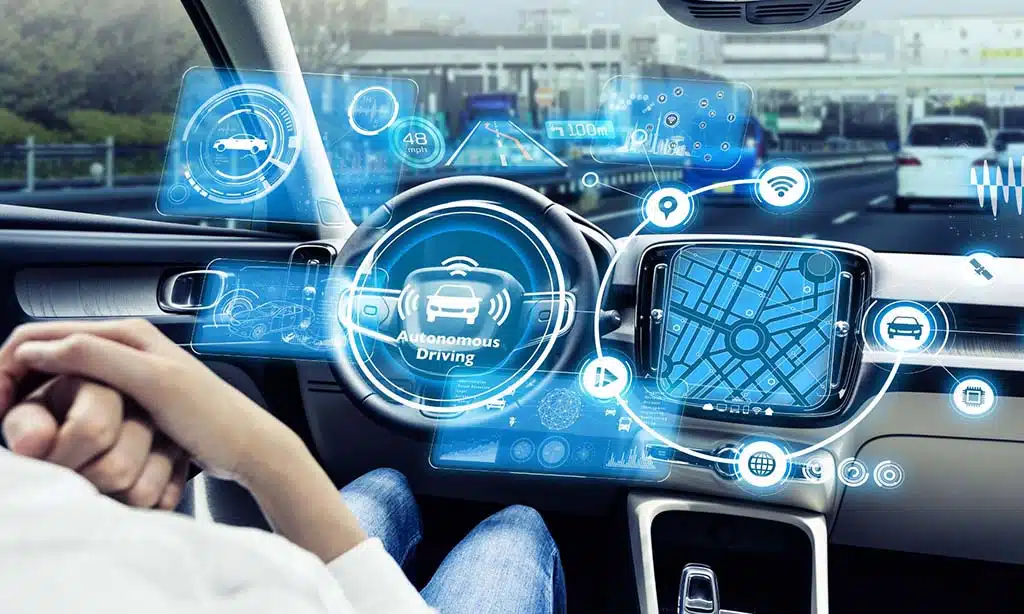
Next-generation electric vehicles are pushing the boundaries of autonomy. Equipped with AI-driven systems, these vehicles offer features like lane-keeping assist, adaptive cruise control, and autonomous parking. These advancements aim to enhance driver safety and convenience while laying the groundwork for fully self-driving cars.
Highlights:
- Level 4 and 5 autonomy: Vehicles capable of operating without human intervention in most conditions.
- AI-powered sensors: Cameras, LiDAR, and radar systems ensure precise navigation.
| Autonomy Level | Capabilities | Example |
| Level 2 | Partial automation | Tesla Autopilot |
| Level 4 | High automation | Waymo Autonomous Vehicles |
| Level 5 | Full automation | Concept Vehicles |
Vehicle-to-Vehicle (V2V) Communication
Autonomous EVs are designed to communicate with other vehicles on the road, enhancing safety and traffic management. Vehicle-to-Vehicle (V2V) communication enables cars to share data about their speed, position, and road conditions in real time, significantly reducing accidents.
Benefits:
- Improved safety through collision avoidance and coordinated driving.
- Enhanced traffic flow by reducing congestion and improving fuel efficiency.
4. Advanced Driver Assistance Systems (ADAS)
ADAS technologies are becoming standard in next-generation EVs, offering drivers increased safety and convenience. These systems use cutting-edge sensors and algorithms to prevent accidents and provide real-time feedback.
Features Include:
- Collision detection and avoidance systems that brake automatically to prevent crashes.
- Real-time driver monitoring, including fatigue detection and alerts for distracted driving.
| ADAS Feature | Functionality | Benefit |
| Collision Avoidance | Automatic braking | Prevents rear-end crashes |
| Driver Monitoring | Fatigue detection | Enhances driver awareness |
| Adaptive Cruise | Adjusts speed automatically | Reduces stress on highways |
5. Over-the-Air (OTA) Software Updates
Next-generation EVs are built with the ability to receive over-the-air software updates, allowing manufacturers to enhance performance, introduce new features, and fix bugs remotely. This capability ensures that vehicles stay up-to-date with minimal hassle for owners.
Advantages:
- Convenience: Updates are delivered without requiring a trip to the dealership.
- Security: Regular updates protect against cyber threats.
- Customization: Owners can add or upgrade features as needed.
| Brand | Notable OTA Feature | Example |
| Tesla | Battery efficiency updates | Increased range by 5% |
| Rivian | Adventure mode improvements | Terrain-specific optimizations |
6. Smart Connectivity and Infotainment
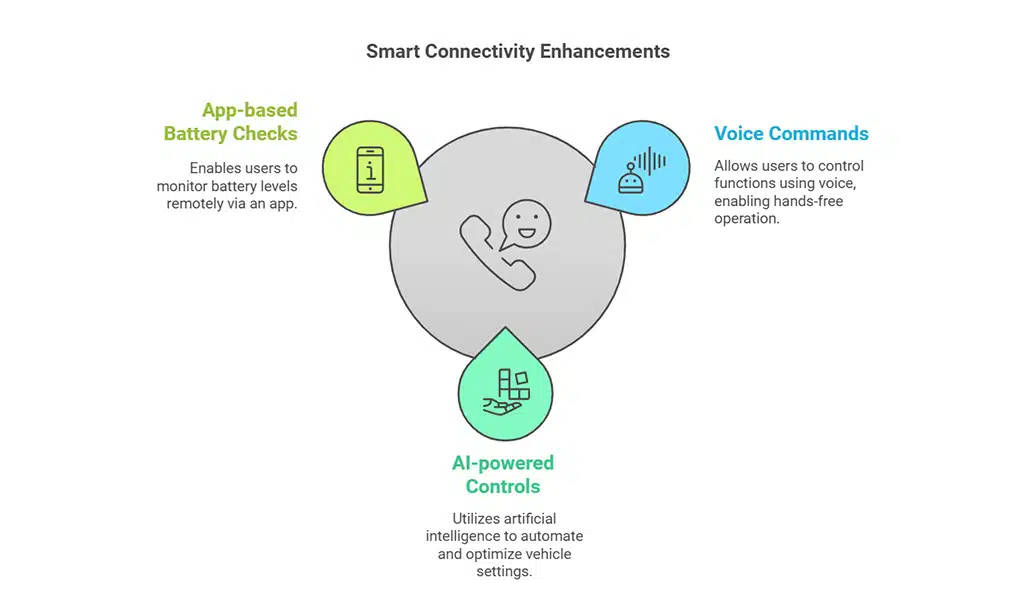
Connectivity is a cornerstone of next-generation electric vehicles. Advanced infotainment systems integrate seamlessly with smartphones and other devices, offering voice-activated controls and real-time navigation assistance. This ensures drivers and passengers stay connected and entertained on the go.
Key Features:
- Voice commands powered by AI assistants like Alexa and Google Assistant.
- Integration with apps for remote vehicle monitoring and control, such as pre-cooling the cabin or checking battery levels.
| Feature | Functionality | Benefit |
| Voice Commands | AI-powered controls | Hands-free operation |
| Remote Monitoring | App-based battery checks | Improved convenience |
Enhanced Entertainment Options
Next-generation EVs redefine in-car entertainment with options like high-definition displays, streaming services, and gaming capabilities for passengers. These systems cater to a modern, tech-savvy audience looking for more than just transportation.
7. Sustainable and Eco-Friendly Materials
Next-generation EVs prioritize sustainability in their design and manufacturing processes. Automakers are incorporating materials like recycled plastics, vegan leather, and even solar panels into their designs, significantly reducing the environmental impact.
Examples:
- BMW uses recycled ocean plastics for interior trims.
- Tesla’s Model Y features vegan leather seats.
| Material | Source | Application |
| Recycled Plastics | Ocean waste | Interior trims |
| Vegan Leather | Synthetic alternatives | Seats and upholstery |
| Solar Panels | Renewable energy | Auxiliary power |
8. Bi-Directional Charging
Bi-directional charging is revolutionizing the utility of EVs. This feature allows vehicles to serve as energy storage systems, powering homes during outages or feeding electricity back into the grid. Such advancements offer economic and environmental benefits, making EVs a valuable asset beyond mobility.
Benefits:
- Cost savings: Use stored energy during peak electricity rates.
- Energy resilience: Backup power for emergencies and grid stability.
| Application | Functionality | Example |
| V2H | Home energy backup | Ford F-150 Lightning |
| V2G | Feeding energy to grid | Nissan LEAF e+ |
9. Enhanced Performance Features
EVs are renowned for their instant torque, delivering unparalleled acceleration compared to traditional internal combustion engine vehicles. This makes them not only eco-friendly but also thrilling to drive.
Examples:
- The Rimac Nevera achieves 0-60 mph in under 2 seconds.
- Porsche Taycan combines luxury with exhilarating performance.
Adaptive Driving Modes
Drivers can customize their driving experience with adaptive modes tailored to weather, terrain, and efficiency needs.
| Driving Mode | Purpose | Example |
| Eco | Maximizes efficiency | Tesla Model 3 |
| Sport | Enhances performance | Porsche Taycan Turbo S |
| Off-road | Adjusts for rugged terrain | Rivian R1T |
10. Futuristic Design Elements
Next-generation EVs combine form and function, with sleek designs that minimize drag and enhance efficiency. Their futuristic looks not only improve performance but also appeal to style-conscious buyers.
Features:
- Flush door handles reduce drag.
- Aerodynamic wheel designs improve energy efficiency.
Interior Innovations
Inside, EVs boast spacious cabins and cutting-edge technologies that elevate comfort and convenience.
Key Innovations:
- Augmented reality heads-up displays provide real-time navigation.
- Smart cabin features, like adaptive lighting and air purification systems.
Comparison Table: Next-Generation EV Features vs Current EVs
| Feature | Current EVs | Next-Gen EVs |
| Battery Technology | Lithium-ion | Solid-state |
| Charging Speed | Moderate | Ultra-fast, Wireless |
| Autonomous Driving | Level 2-3 | Level 4-5 |
| Infotainment Options | Basic | Advanced AI-powered |
| Sustainability Materials | Limited | Recycled, Renewable |
Final Thoughts
Next-generation electric vehicles are more than just a mode of transportation—they represent a leap forward in technology, sustainability, and user experience. With advancements like solid-state batteries, autonomous driving capabilities, and bi-directional charging, these vehicles are paving the way for a smarter, cleaner future.
As we embrace the transformative Next-Generation Electric Vehicles Features, it’s clear that the future of mobility is not just electric—it’s revolutionary.
Start exploring these innovations today and be part of the change driving us toward a sustainable tomorrow.

























