

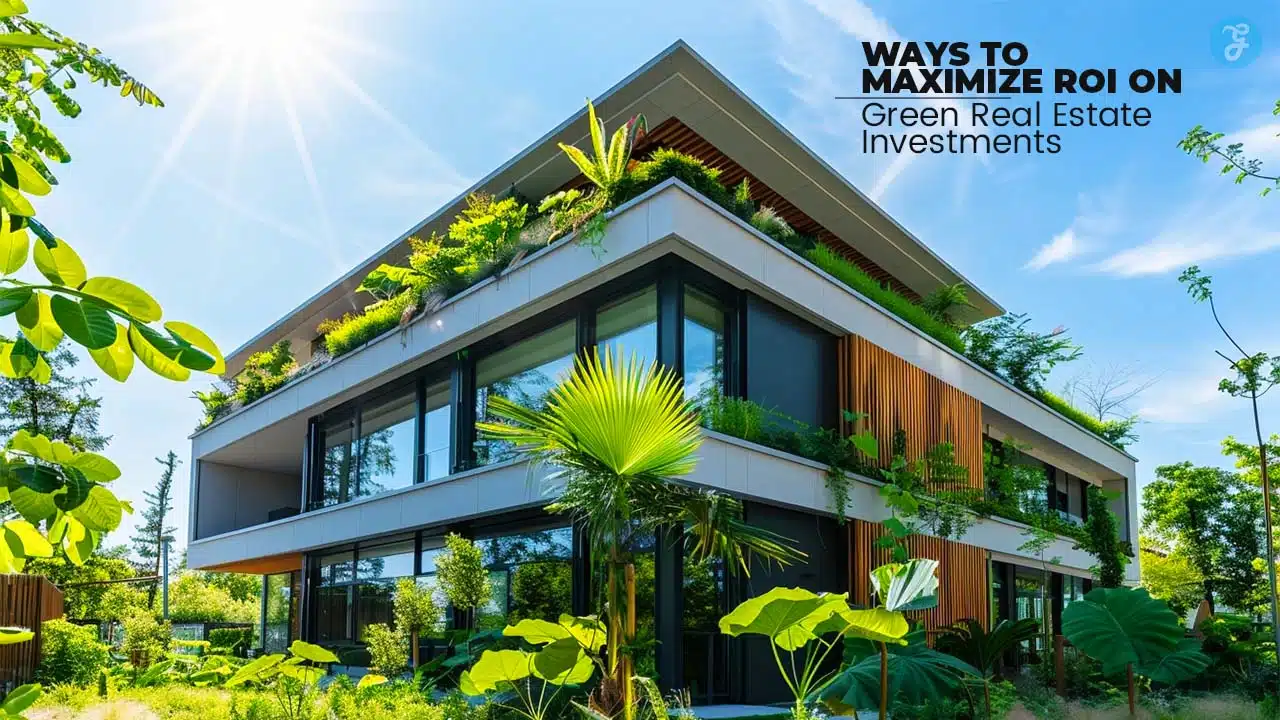
Green real estate investments are rapidly transforming the property market, driven by a growing demand for sustainability and eco-conscious living. These investments not only contribute to environmental conservation but also offer significant financial returns.
By adopting strategic approaches, you can maximize ROI on green real estate investments while aligning with global sustainability goals.
This article explores eight actionable ways to enhance your returns on green real estate investments, supported by data and insights from real-world trends.
Maximize ROI on Green Real Estate Investments: A Deep Dive
1. Understand the Basics of Green Real Estate Investments
Green real estate refers to properties designed or retrofitted with sustainability in mind. These properties incorporate features that reduce energy consumption, minimize environmental impact, and promote healthier living spaces.
Key Features of Green Real Estate:
| Feature | Description |
| Energy Efficiency | Use of renewable energy sources like solar panels to reduce utility costs. |
| Water Conservation | Installation of water-saving fixtures and rainwater harvesting systems. |
| Eco-Friendly Materials | Use of recycled or sustainable construction materials. |
Market Trends:
- According to BNP Paribas Real Estate, green buildings accounted for 27% of Germany’s commercial real estate investment market in 2023, highlighting the growing demand for sustainable properties.
- A report by the National Association of REALTORS® (NAR) states that 40% of MLS listings now include green data fields, reflecting increased transparency about sustainable features.
Understanding these fundamentals helps investors identify opportunities in this expanding market and maximize ROI on green real estate investments.
2. Invest in Energy-Efficient Upgrades
Energy-efficient upgrades are one of the most effective ways to maximize ROI on green real estate investments. These upgrades lower operational costs and make properties more appealing to tenants or buyers.
Examples of Energy-Efficient Upgrades:
| Upgrade | Benefit |
| Solar Panels | Reduce electricity bills; potential to sell excess energy back to the grid. |
| LED Lighting | Cuts energy consumption and lasts longer than traditional bulbs. |
| Smart HVAC Systems | Optimizes heating and cooling efficiency, reducing utility costs. |
Long-Term Savings:
- Investing in solar panels can reduce electricity costs by up to 70% annually while increasing property value.
- Energy-efficient HVAC systems can cut heating and cooling expenses by 20–30%.
These upgrades ensure you maximize ROI on green real estate investments by attracting eco-conscious tenants or buyers.
3. Leverage Green Building Certifications
Green building certifications validate a property’s sustainability and enhance its marketability. Certified properties often command higher rents or resale prices due to their eco-friendly reputation.
Popular Certifications:
| Certification | Purpose |
| LEED (Leadership in Energy and Environmental Design) | Validates sustainable design and construction practices. |
| BREEAM (Building Research Establishment Environmental Assessment Method) | Assesses environmental performance of buildings. |
Benefits of Certification:
- Higher resale value.
- Enhanced credibility among eco-conscious buyers.
- Access to government incentives for certified properties.
For example, LEED-certified buildings achieve 20% higher rental premiums compared to non-certified buildings. Incorporating certifications is a proven strategy to maximize ROI on green real estate investments.
4. Retrofit Existing Properties for Sustainability

Retrofitting involves upgrading older buildings with modern sustainable features, making them competitive in today’s green real estate market.
Examples of Retrofitting:
- Adding insulation to improve energy efficiency.
- Installing water-saving fixtures like low-flow toilets.
- Incorporating renewable energy solutions such as wind turbines or solar panels.
Benefits of Retrofitting:
- Reduces carbon footprint.
- Increases property value.
- Qualifies for government grants or tax incentives.
For instance, retrofitting older office spaces with energy-efficient lighting and HVAC systems can reduce operational costs by up to 30%, making them more attractive to tenants.
5. Focus on Location and Accessibility
Location plays a critical role in determining the success of any real estate investment, including green properties.
What to Look For:
| Factor | Impact |
| Proximity to transit | Attracts tenants with access to public transportation hubs. |
| Pedestrian-friendly | Bike lanes and walkable infrastructure promote sustainability. |
| Eco-friendly amenities | Parks and community gardens enhance livability. |
Properties near sustainable infrastructure tend to attract tenants willing to pay a premium. For example, tier-2 cities in Germany are catching up in the green building market due to increased accessibility and demand for sustainable living, which further helps to maximize ROI on green real estate investments.
6. Take Advantage of Government Incentives
Governments worldwide offer various incentives for green initiatives that can significantly reduce upfront costs for investors.
Examples of Incentives:
| Incentive Type | Description |
| Tax Credits | For installing renewable energy systems like solar panels or wind turbines. |
| Grants | For retrofitting buildings with sustainable features like insulation or LED lighting. |
| Rebates | For achieving green building certifications such as LEED or BREEAM. |
In Australia, for instance, government rebates on solar panel installations have made it easier for property owners to adopt renewable energy solutions. Leveraging these incentives is an excellent way to maximize ROI on green real estate investments while reducing costs.
7. Market Sustainable Features Effectively
Effective marketing is essential for maximizing ROI on green real estate investments. Highlighting your property’s sustainable features can attract tenants or buyers who prioritize eco-friendly living.
Tips for Marketing Green Properties:
- Showcase certifications like LEED or BREEAM in promotional materials.
- Use high-quality images that emphasize sustainable features such as solar panels or smart thermostats.
- Provide data-driven insights showing cost savings from energy-efficient upgrades.
For example, detailed property listings that highlight lower utility bills due to solar panels can help attract eco-conscious buyers.
8. Collaborate with Sustainability Experts
Working with professionals who specialize in sustainability ensures that your investment aligns with best practices in green real estate.
Types of Experts to Consult:
| Expert | Role |
| Sustainability Consultants | Provide insights into maximizing property value through eco-friendly practices. |
| Architects and Engineers | Ensure compliance with sustainability standards during projects. |
| Energy Auditors | Assess a property’s energy performance and recommend improvements. |
Benefits of Collaboration:
- Access to expert advice on cost-effective upgrades.
- Streamlined processes for obtaining green certifications.
- Improved property performance through tailored solutions.
Collaborating with experts helps you make informed decisions that enhance both sustainability and profitability while ensuring you maximize ROI on green real estate investments.
Takeaway
Green real estate investments offer a unique opportunity to combine profitability with environmental responsibility. By adopting strategies like energy-efficient upgrades, leveraging certifications, retrofitting older properties, and marketing sustainable features effectively, you can significantly enhance your returns while contributing to a greener future.
Understanding how location impacts demand, taking advantage of government incentives, and collaborating with sustainability experts are additional steps that can help you achieve success in this growing field. With careful planning and execution, you’ll be well-positioned to maximize ROI on green real estate investments while making a positive impact on the environment.
Start exploring opportunities today—because investing sustainably isn’t just good for the planet; it’s great for your portfolio too!
























