

Australian farms play a critical role in feeding the nation and exporting agricultural products worldwide. As climate change intensifies, the farming community faces increasing challenges, such as extreme weather events and rising energy costs.
Renewable energy solutions are no longer just an option—they are essential for sustainable and efficient farming practices.
This article explores the top 10 renewable energy solutions for Australian farms in 2025, offering practical insights and actionable advice for farmers looking to embrace sustainability.
Why Renewable Energy Is Crucial for Australian Farms in 2025
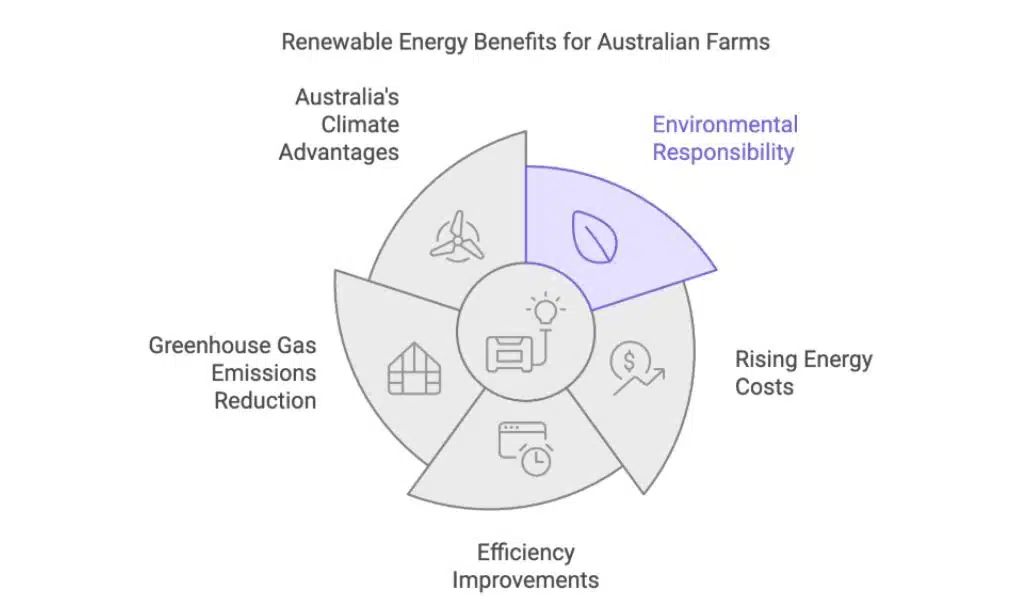
Renewable energy adoption on farms is about more than environmental responsibility. It’s a practical way to address rising energy costs, improve efficiency, and reduce greenhouse gas emissions. Australia’s unique climate, with abundant sunlight, wind, and agricultural waste, makes it an ideal location for leveraging renewable energy technologies.
Key Benefits of Renewable Energy for Australian Farms
| Benefit | Description |
| Cost Savings | Lower operational costs with reduced reliance on fossil fuels. |
| Energy Independence | Less dependence on grid electricity, especially in remote areas. |
| Environmental Benefits | Significant reductions in carbon emissions and environmental footprint. |
| Increased Productivity | Stable energy supply supports irrigation, storage, and processing. |
Top Renewable Energy Solutions for Australian Farms
As the world moves toward a greener future, Australian farms are embracing renewable energy solutions to reduce costs, increase efficiency, and minimize environmental impact. From harnessing solar power to adopting wind and bioenergy technologies, these innovations are transforming traditional farming practices.
With Australia’s abundant natural resources, renewable energy is not only sustainable but also a practical choice for farmers looking to future-proof their operations. Let’s explore the top renewable energy solutions that are revolutionizing agriculture in the country.
1. Solar Energy: A Staple for Australian Farms
Solar energy is one of the most accessible and affordable renewable energy solutions for farms. With Australia receiving over 3,000 hours of sunshine annually, solar panels can power irrigation systems, electric fences, and even cold storage facilities.
Applications of Solar Energy in Farming
| Application | Example |
| Solar-Powered Irrigation | Pumps water efficiently for crops. |
| Solar Electric Fences | Protects livestock without high energy costs. |
| Solar Cooling Systems | Maintains ideal temperatures for produce and dairy products. |
Pros and Cons of Solar Energy
| Pros | Cons |
| Abundant and renewable | High initial installation costs. |
| Low maintenance | Requires a large space for panels. |
| Long lifespan | Efficiency drops in cloudy weather. |
2. Wind Energy: Harnessing Nature’s Power
Wind energy is another reliable renewable resource, especially for farms in rural areas with open landscapes. Wind turbines convert kinetic energy from the wind into electricity, making it suitable for large-scale farms.
Advantages of Wind Energy for Farms
| Advantage | Description |
| Renewable Power Source | Sustainable and reliable in windy regions. |
| Low Operational Costs | Minimal maintenance after installation. |
| Scalable Solutions | Suitable for both small and large-scale farming operations. |
Pros and Cons of Wind Energy
| Pros | Cons |
| Clean and renewable | Dependent on wind availability. |
| Cost-effective over time | High upfront investment. |
| Space-efficient | Potential noise and visual impact. |
3. Biomass Energy: Converting Waste to Wealth
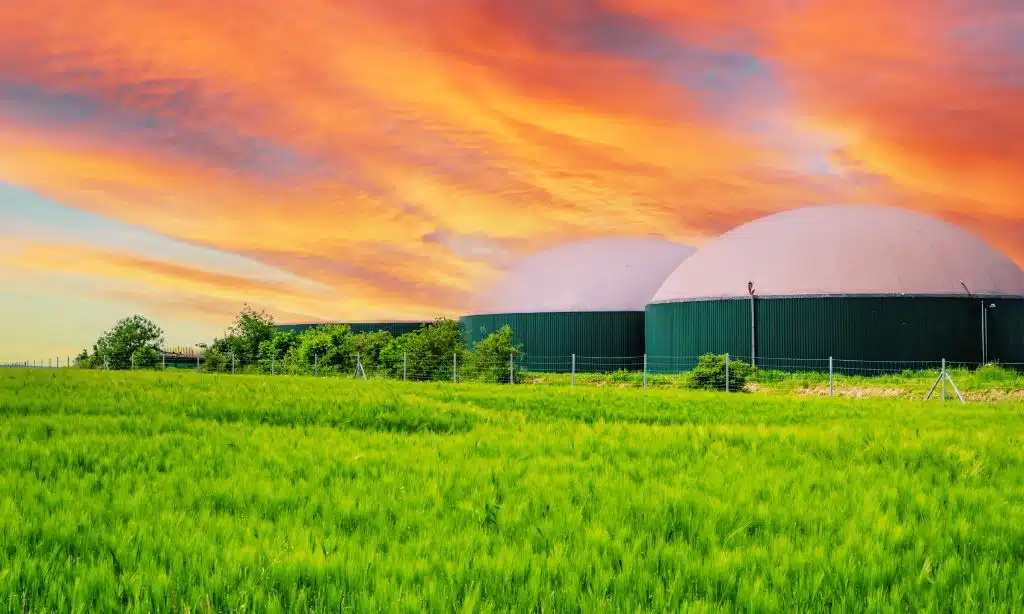
Biomass energy involves converting organic waste, such as crop residues, manure, and food waste, into usable energy. This not only provides power but also solves the issue of waste management on farms.
Biomass Applications on Farms
|
Biomass Source |
Energy Use |
| Crop Residues | Burned for heat or processed into biofuels. |
| Animal Manure | Used in biogas plants to produce electricity and heat. |
| Food Waste | Converted into bioenergy through anaerobic digestion. |
Pros and Cons of Biomass Energy
| Pros | Cons |
| Reduces waste | Requires a consistent supply of biomass. |
| Generates renewable power | Can produce emissions if not managed properly. |
| Adds value to byproducts | Initial setup can be complex. |
4. Geothermal Energy: Tapping into Earth’s Heat
Geothermal energy uses heat from the earth’s interior to provide sustainable power. While not as widely implemented as solar or wind energy, it holds potential for heating greenhouses, drying crops, and maintaining stable temperatures for livestock.
Geothermal Energy Benefits:
| Benefit | Description |
| Reliable Heat Source | Stable energy supply regardless of weather conditions. |
| Efficient Energy Use | Ideal for heating greenhouses and processing agricultural products. |
| Minimal Environmental Impact | No emissions during operation. |
Pros and Cons of Geothermal Energy
| Pros | Cons |
| Consistent energy supply | Limited to specific geographic areas. |
| Environmentally friendly | High installation costs. |
| Low operating costs | Requires professional maintenance. |
5. Hydropower: Small-Scale Solutions for Farms
Hydropower systems use the flow of water to generate electricity. While large-scale hydropower projects dominate the industry, small-scale solutions are gaining traction for individual farms.
Small-Scale Hydropower Applications:
| Application | Example |
| Micro-Hydro Systems | Generate power from streams or small rivers. |
| Irrigation Integration | Combine with irrigation systems to power water pumps. |
Pros and Cons of Hydropower
| Pros | Cons |
| Reliable energy source | Requires water flow availability. |
| Low operational costs | Potential impact on aquatic ecosystems. |
| Long lifespan | Installation can be expensive. |
6. Battery Storage: Maximizing Renewable Energy Efficiency
Battery storage systems store excess energy generated from renewable sources, ensuring a steady power supply even during low production periods.
Benefits of Battery Storage on Farms:
| Benefit | Description |
| Energy Reliability | Stores excess energy for use during peak demand. |
| Cost Management | Reduces reliance on the grid during high-rate periods. |
| Scalability | Suitable for small and large-scale operations. |
Pros and Cons of Battery Storage
| Pros | Cons |
| Reliable backup power | High initial costs. |
| Supports grid independence | Limited lifespan of batteries. |
| Reduces energy waste | Recycling of old batteries can be challenging. |
7. Smart Energy Management Systems

Smart energy management systems use AI and IoT technology to monitor and optimize energy usage on farms. These systems help farmers maximize efficiency and reduce energy waste.
Key Features of Smart Systems:
| Feature | Benefit |
| Remote Monitoring | Track energy usage via mobile apps or computers. |
| Automated Controls | Adjust energy consumption based on real-time data. |
| Predictive Maintenance | Alerts for equipment servicing before breakdowns occur. |
Pros and Cons of Smart Energy Management Systems
| Pros | Cons |
| Optimizes energy use | Requires upfront technology investment. |
| Reduces waste | Dependent on internet connectivity. |
| Improves equipment life | May involve ongoing subscription fees. |
8. Community Solar Projects for Australian Farmers
Community solar projects allow multiple farmers to share the benefits of a larger solar installation. These collaborative projects reduce costs and promote renewable energy adoption.
Advantages of Community Solar:
| Advantage | Description |
| Cost Sharing | Reduces initial investment for participants. |
| Increased Efficiency | Larger systems generate more energy per dollar invested. |
| Access for All | Provides renewable energy options for smaller farms. |
Pros and Cons of Community Solar Projects
| Pros | Cons |
| Lower individual costs | Requires coordination among participants. |
| Scalable for groups | Shared ownership may complicate decisions. |
| Environmentally friendly | Limited to areas with sufficient sunlight. |
9. Bioenergy Crops: Growing Your Own Fuel
Bioenergy crops, such as sugarcane, switchgrass, and algae, are specifically grown to produce biofuels like ethanol or biodiesel. Australian farms can cultivate these crops alongside traditional agricultural activities, creating an additional revenue stream while producing sustainable energy.
Applications of Bioenergy Crops:
- Biodiesel Production: Extract oil from crops like canola or sunflower for machinery and equipment.
- Ethanol Production: Use sugarcane or corn to create bioethanol as a cleaner alternative to fossil fuels.
Pros and Cons of Bioenergy Crops
| Pros | Cons |
|---|---|
| Diversifies farm income | Competes with food production for land |
| Reduces reliance on fossil fuels | Requires water and fertilizer inputs |
| Promotes energy self-sufficiency | Longer time to establish crop systems |
10. Green Hydrogen: The Fuel of the Future
Green hydrogen is a promising renewable energy source produced by splitting water into hydrogen and oxygen using renewable electricity (e.g., solar or wind). Hydrogen can be used for farm machinery, electricity generation, or even as a clean fuel for transportation.
Applications of Green Hydrogen on Farms:
- Hydrogen-Powered Machinery: Tractors and trucks running on hydrogen fuel cells.
- On-Site Energy Storage: Store excess renewable energy as hydrogen for later use.
- Heating and Cooling Systems: Hydrogen-powered systems for greenhouses or storage facilities.
Pros and Cons of Green Hydrogen
| Pros | Cons |
|---|---|
| Zero emissions | High setup costs for electrolysis systems |
| Efficient energy storage | Requires advanced storage infrastructure |
| Future-proof technology | Limited availability of hydrogen equipment |
Government Incentives and Policies for 2025
The Australian government provides various incentives to encourage renewable energy adoption on farms. These include grants, tax rebates, and low-interest loans.
Key Incentives for Farmers:
| Incentive | Description |
| Renewable Energy Grants | Funding for solar, wind, and biomass systems. |
| Tax Rebates | Deductions for renewable energy investments. |
| Low-Interest Loans | Financial support for large-scale energy projects. |
Pros and Cons of Government Incentives
| Pros | Cons |
| Reduces financial burden | The application process can be lengthy. |
| Encourages adoption | Limited funding availability. |
| Promotes innovation | May require meeting strict eligibility criteria. |
Challenges and Future Trends in Renewable Energy for Farms
While renewable energy offers numerous benefits, challenges such as high initial costs and maintenance issues remain. However, advancements in technology and increased government support are paving the way for broader adoption.
Emerging Trends:
| Trend | Description |
| Agri-Solar Systems | Combining solar panels with crop cultivation. |
| Energy-as-a-Service | Subscription-based renewable energy solutions. |
| Advanced Battery Tech | Longer-lasting and more affordable storage systems. |
Pros and Cons of Future Trends
| Pros | Cons |
| Encourages innovation | Some technologies are still experimental. |
| Broadens adoption | Requires adaptation and learning for farmers. |
| Enhances efficiency | Initial costs may remain high. |
Takeaways
Renewable energy solutions are transforming the way Australian farms operate. From solar and wind energy to advanced battery systems and smart energy management, these technologies provide sustainable and cost-effective ways to meet the energy demands of modern agriculture.
By embracing these solutions, farmers can reduce their environmental impact, improve efficiency, and secure their livelihoods for the future.





















