


When it comes to home improvement, there’s no shortage of advice from friends, family, and online resources.
Unfortunately, much of this advice is rooted in myths and misconceptions that can lead to costly mistakes, wasted time, and frustration.
Whether you’re planning a major renovation or small DIY projects, it’s important to separate fact from fiction so you can make informed decisions and avoid common pitfalls.
In this detailed guide, we’ll debunk 10 of the most common home improvement myths, explaining why these beliefs are misguided and providing accurate information to help you approach your home renovation projects with confidence.
Why Home Improvement Myths Persist?
Home improvement myths have persisted for decades because they are often based on outdated information, misconceptions, or anecdotal experiences that don’t apply to all situations.
Additionally, the rise of online forums, DIY shows, and home improvement blogs has sometimes spread misinformation, leading homeowners to believe in certain “rules” that aren’t always true.
These myths can cause unnecessary delays, lead to poor design choices, or result in overspending.
By debunking these myths, you can avoid common renovation mistakes and ensure that your home improvement projects are successful and cost-effective.
Common Home Improvement Myths Debunked

Here are 10 widely believed home improvement myths that often lead to poor decision-making.
Let’s break down why these myths are inaccurate and what you should know instead.
1. Myth: DIY Always Saves You Money
One of the most popular home improvement myths is that doing it yourself (DIY) will always save you money.
While it’s true that DIY projects can be cost-effective, they can also backfire if you lack the necessary skills, tools, or knowledge.
For certain projects—like plumbing, electrical work, or structural renovations—hiring a professional is often a smarter choice to ensure safety and quality results.
DIY disasters can lead to costly repairs, wasted materials, and even safety hazards, negating any potential savings.
Additionally, larger or more complex projects can take up a significant amount of your time, which might be worth more than the cost of hiring a professional.
Always assess the scope of the project, your skill level, and whether the potential risks outweigh the savings before going the DIY route.
2. Myth: All Home Improvements Increase Property Value
Many homeowners believe that any improvement they make to their home will automatically increase its value.
However, not all renovations provide a good return on investment (ROI). In fact, some projects can even lower your home’s resale value if they don’t appeal to future buyers or are poorly executed.
For example, overly personalized décor, luxury upgrades that don’t match the neighborhood, or elaborate landscaping might not provide the payoff you expect.
Before investing in any home improvement, it’s essential to research whether the project will increase your home’s value and by how much.
Focus on high-ROI improvements, such as kitchen and bathroom remodels, adding energy-efficient windows, or enhancing curb appeal, which are more likely to appeal to a broad range of buyers.
3. Myth: Bigger Renovations Are Always Better
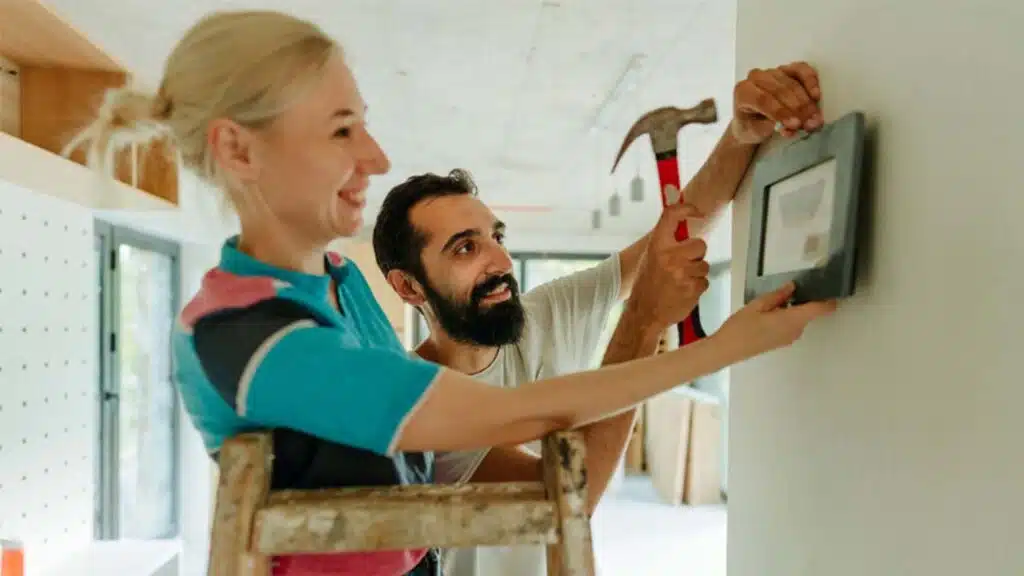
The myth that bigger renovations are always better is a common misconception among homeowners eager to make significant changes to their properties.
However, large-scale renovations are not always necessary to achieve the desired impact, and they can quickly become overwhelming, expensive, and time-consuming.
Sometimes, smaller, well-thought-out improvements can have a more significant effect on your home’s appearance and functionality.
For instance, simple updates like new lighting fixtures, refinishing cabinets, or upgrading countertops can transform a room without the need for a full-scale remodel.
Bigger isn’t always better when it comes to renovations—focusing on strategic, cost-effective changes can yield better results.
4. Myth: You Should Follow Every Trend
Home design trends change quickly, and while it may be tempting to follow the latest craze, basing your renovation solely on trends can lead to regret later.
Trendy finishes or colors may go out of style in a few years, leaving you with a dated home that no longer appeals to you or potential buyers.
Additionally, trendy materials or designs are often more expensive, and you may not recoup the cost if they lose popularity.
Instead of jumping on every trend, focus on timeless designs and materials that will stand the test of time.
Classic styles tend to have more longevity, and they can easily be updated with smaller, trendier accents, such as pillows, artwork, or light fixtures, allowing you to refresh the look without undergoing another major renovation.
5. Myth: A Permit Isn’t Necessary for Small Projects
Many homeowners believe that permits are only required for large-scale renovations like home additions or structural changes.
However, building permits are often necessary for a wide range of projects, including electrical work, plumbing, and certain types of remodels.
Failing to obtain the required permits can lead to fines, delays, and difficulties when selling your home, as unpermitted work may need to be undone or brought up to code.
Even if the project seems minor, it’s always a good idea to check with your local municipality to see if a permit is required.
Getting the necessary permits ensures that the work is up to code and protects you from potential legal and financial consequences.
6. Myth: It’s Cheaper to Replace Than to Repair
There’s a common belief that replacing something is always more cost-effective than repairing it, but that’s not always the case.
In many instances, repairing or restoring an item—such as an appliance, fixture, or furniture—can save you money and extend its lifespan.
For example, reupholstering an old but sturdy couch may be more economical than buying a brand-new one, especially if the couch has sentimental or aesthetic value.
It’s important to weigh the cost of repairs against the price of replacement, factoring in the item’s condition, age, and potential future repairs.
Repairing is often a more environmentally friendly option as well, helping reduce waste and keeping functional items in use longer.
7. Myth: Energy-Efficient Upgrades Aren’t Worth the Cost
Some homeowners believe that energy-efficient upgrades, such as installing solar panels, energy-efficient windows, or upgrading insulation, aren’t worth the upfront cost.
However, these improvements can significantly reduce energy bills over time and increase your home’s resale value.
In many cases, energy-efficient upgrades pay for themselves within a few years through savings on heating, cooling, and electricity.
Additionally, there are often tax incentives, rebates, or grants available for homeowners who invest in energy-efficient upgrades, making the initial cost more manageable.
Energy-efficient homes are also more attractive to eco-conscious buyers, providing an additional selling point if you decide to sell your home in the future.
8. Myth: Painting a Room Can’t Significantly Change Its Value
Some homeowners underestimate the impact that a fresh coat of paint can have on their home’s overall value and appeal.
In reality, painting is one of the most cost-effective improvements you can make, and it can dramatically transform the look and feel of a space.
Neutral, light colors tend to brighten rooms, making them feel larger and more inviting—qualities that potential buyers often look for.
While painting may not seem like a major renovation, it’s an affordable way to refresh a room or even an entire home.
Choosing the right color palette can make your home feel more modern and attractive, ultimately increasing its marketability.
9. Myth: You Should Always Choose the Lowest Bidder

When hiring contractors or professionals for a home improvement project, many homeowners are tempted to choose the lowest bidder to save money.
However, opting for the cheapest option isn’t always the best decision.
Lower bids may indicate lower-quality materials, rushed work, or a lack of experience. In some cases, you may end up paying more in the long run to fix mistakes or deal with subpar workmanship.
It’s essential to consider more than just price when choosing a contractor. Look at their reputation, reviews, credentials, and experience.
A more expensive bid may come with higher quality, better customer service, and greater attention to detail, ultimately providing more value for your investment.
10. Myth: Home Renovations Are Always Stressful and Disruptive
Many people believe that all home improvement projects are inherently stressful, disruptive, and time-consuming.
While it’s true that some major renovations can be challenging, not every project has to turn your life upside down.
With proper planning, communication, and choosing the right professionals, many home improvement projects can run smoothly and stay within budget and schedule.
Working with experienced contractors who communicate clearly, setting realistic timelines, and planning projects during less busy periods can help minimize disruption.
Additionally, breaking large projects into smaller, more manageable phases can reduce stress and make the renovation process more enjoyable.
Conclusion
There are many home improvement myths that persist, often leading homeowners to make poor decisions or avoid necessary upgrades altogether.
By debunking these 10 common myths, you can approach your next renovation project with confidence, knowing that you’re making informed choices that will improve your home’s value, functionality, and aesthetics.
Whether you’re tackling a DIY project or hiring professionals, understanding the truth behind these myths will help you avoid common pitfalls, save money, and create a home that meets your needs for years to come.
























