

Eco-friendly living is no longer just a trend; it’s a smart financial and environmental choice. Green homes are designed to reduce energy and water consumption, use sustainable materials, and create a healthier living environment.
But beyond their environmental benefits, green homes save money for homeowners by cutting costs in multiple areas.
In this guide, we’ll explore 12 ways green homes save you money in the long run, highlighting cost-saving practices and sustainable innovations.
How Green Homes Save Money: The Basics
Investing in a green home may seem costly upfront, but the savings over time make it a worthwhile decision. From energy efficiency to water conservation and government incentives, green homes save money in ways that are both practical and impactful.
12 Easy Ways Green Homes Save Money in the Long Run
1. Solar Panels Reduce Electricity Bills
Solar panels are one of the most impactful investments for a green home. They harness renewable energy from the sun, significantly reducing or even eliminating your electricity bills. Many governments also offer tax incentives and rebates to offset installation costs. Additionally, advancements in solar technology have lowered installation costs while increasing efficiency, making solar energy accessible to more homeowners.
| Feature | Details |
| Average Savings | Up to 50% off electricity bills |
| Installation Cost | $10,000–$25,000 (after incentives) |
| Lifespan | 20–30 years |
Switching to solar energy not only saves money but also increases your property’s value, making it a win-win investment.
2. Energy-Efficient Windows Cut Heating and Cooling Costs
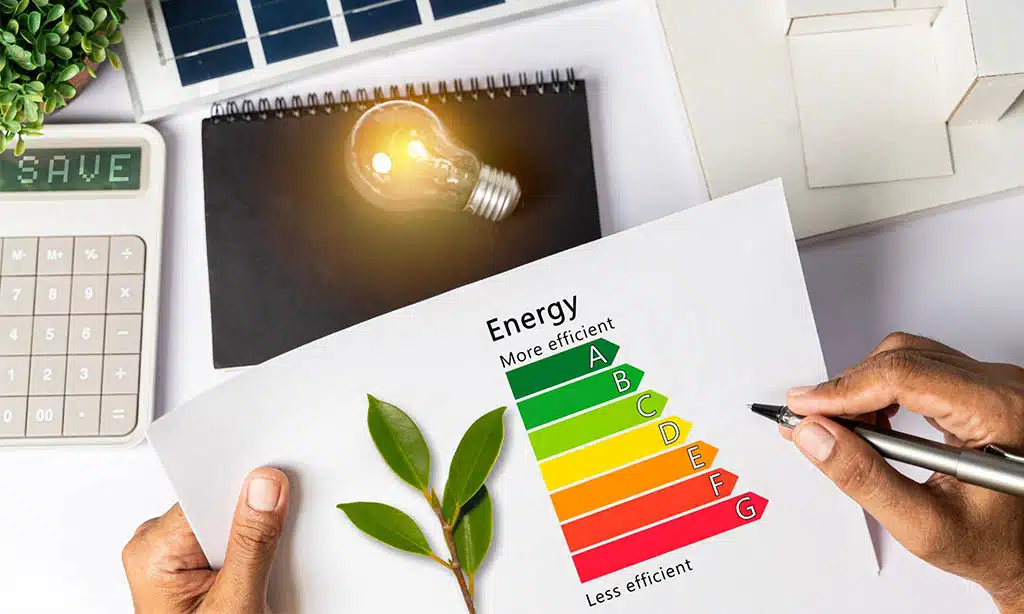
Energy-efficient windows, such as double-pane or Low-E (low emissivity) glass, prevent heat loss during winter and reduce heat gain in summer. These windows improve insulation and reduce the workload on heating and cooling systems, helping homeowners save significantly on energy bills.
| Feature | Details |
| Average Cost | $300–$1,000 per window |
| Savings | Up to 25% on heating and cooling bills |
| Additional Benefits | Noise reduction and UV protection |
These windows offer long-term savings and make your home more comfortable year-round. They’re also available in a variety of designs to suit different architectural styles.
3. Rainwater Harvesting Reduces Water Bills
Rainwater harvesting systems collect and store rainwater for irrigation, flushing toilets, and other non-potable uses. By using a sustainable water source, homeowners can significantly lower their reliance on municipal water supplies and reduce monthly water bills. This is particularly beneficial in regions with high water costs or frequent droughts.
| Feature | Details |
| Installation Cost | $2,000–$5,000 |
| Average Savings | Up to 30% reduction in water bills |
| Uses | Gardening, cleaning, flushing toilets |
This sustainable practice also conserves water resources, ensuring a greener future.
4. Low-Flow Fixtures Save Water and Energy
Low-flow faucets, showerheads, and toilets reduce water usage without compromising performance. These fixtures lower your water bills and reduce energy costs associated with heating water. Many modern designs combine style with efficiency, ensuring functionality and aesthetic appeal.
| Feature | Details |
| Cost of Fixtures | $50–$300 |
| Savings | Up to 50% reduction in water usage |
| Additional Benefits | Easy installation and maintenance |
Adopting low-flow fixtures is an affordable way to make your home more eco-friendly and cost-effective.
5. Programmable Thermostats Optimize Energy Use
Smart thermostats adjust heating and cooling based on your schedule and preferences, ensuring energy isn’t wasted when no one is home. They offer precise control over your home’s climate and often include mobile apps for remote management.
| Feature | Details |
| Cost of Thermostats | $150–$300 |
| Savings | Up to 10% on heating and cooling bills |
| Features | Remote control, energy usage reports, learning algorithms |
This technology is easy to use and quickly pays for itself in energy savings while enhancing home comfort.
6. Energy-Efficient Appliances Lower Utility Bills

Modern energy-efficient appliances, such as refrigerators, dishwashers, and washing machines, use less electricity and water while maintaining high performance. Look for ENERGY STAR-rated appliances to maximize savings. Many of these appliances also come with advanced features, such as smart connectivity, for better energy management.
| Feature | Details |
| Cost Range | $500–$2,000 per appliance |
| Savings | Up to 20% on electricity bills |
| Lifespan | 10–15 years |
Upgrading to energy-efficient appliances is an effective way to reduce utility costs and carbon footprint while enhancing convenience.
7. Proper Insulation Cuts Heating and Cooling Costs
Insulating walls, attics, and floors prevents heat loss and reduces energy consumption. Eco-friendly insulation materials like cellulose, fiberglass, and spray foam are effective and sustainable. Homes with proper insulation are not only energy-efficient but also quieter and more comfortable.
| Feature | Details |
| Installation Cost | $1,500–$4,000 |
| Savings | Up to 30% reduction in heating and cooling bills |
| Additional Benefits | Improved indoor air quality |
Proper insulation ensures a comfortable home environment while lowering energy expenses year-round.
8. Ventilation Systems Improve Air Quality and Efficiency
Energy recovery ventilators (ERVs) and heat recovery ventilators (HRVs) maintain fresh airflow in your home while minimizing energy loss. These systems are particularly useful in airtight homes designed for energy efficiency.
| Feature | Details |
| Cost Range | $1,500–$3,000 |
| Savings | Reduces HVAC system strain and energy costs |
| Additional Benefits | Healthier indoor air |
These systems balance energy efficiency with indoor comfort, creating a healthier living environment.
9. Recycled Materials Reduce Upfront Costs
Using recycled materials for construction and renovation lowers material costs while reducing environmental impact. Examples include reclaimed wood, recycled steel, and repurposed bricks. These materials often add a unique aesthetic appeal to your home.
| Feature | Details |
| Cost Savings | 10%–20% reduction in material costs |
| Common Materials | Reclaimed wood, recycled glass, steel |
| Sustainability Impact | Reduces waste and resource depletion |
Choosing recycled materials supports both your budget and the planet, making it a sustainable choice.
10. Durable Materials Minimize Replacement Costs
Durable materials like bamboo flooring, metal roofs, and fiber cement siding last longer and require less maintenance than traditional options. These materials often have a lower life-cycle cost, saving you money over time.
| Feature | Details |
| Lifespan | 20–50 years (depending on material) |
| Cost Savings | Reduces maintenance and replacement costs |
| Additional Benefits | Aesthetic appeal and resilience |
Investing in durable materials ensures your home stays beautiful and functional for decades.
11. Tax Credits for Renewable Energy Installations
Federal and state governments often provide tax credits for renewable energy systems like solar panels, wind turbines, and geothermal heat pumps. These incentives significantly reduce the upfront cost of these systems.
| Feature | Details |
| Credit Amount | Up to 30% of installation costs |
| Eligible Systems | Solar, wind, geothermal |
| Additional Benefits | Encourages adoption of renewable energy |
Take advantage of these incentives to reduce upfront costs and enjoy long-term savings.
12. Rebates for Energy-Efficient Upgrades
Local utility companies and governments frequently offer rebates for energy-efficient upgrades, such as HVAC systems, windows, and insulation. These programs make green improvements more affordable for homeowners.
| Feature | Details |
| Rebate Amount | $100–$2,000 (varies by program) |
| Eligible Upgrades | Windows, doors, HVAC systems |
| Additional Benefits | Lowers initial investment |
Research available rebates in your area to maximize savings on green home improvements.
Takeaways
Green homes are not only eco-friendly but also financially smart. By investing in energy-efficient systems, sustainable materials, and water-saving practices, you can significantly reduce your utility bills and maintenance costs.
The 12 ways green homes save money demonstrate how sustainability pays off over time, both for your wallet and the environment. Start making green upgrades today to enjoy a healthier, cost-efficient home and a brighter future.






















