The World Meteorological Organization says that pollution that traps heat and a coming El Nio make it likely that the world will cross a key climate barrier for the first time in the next five years.
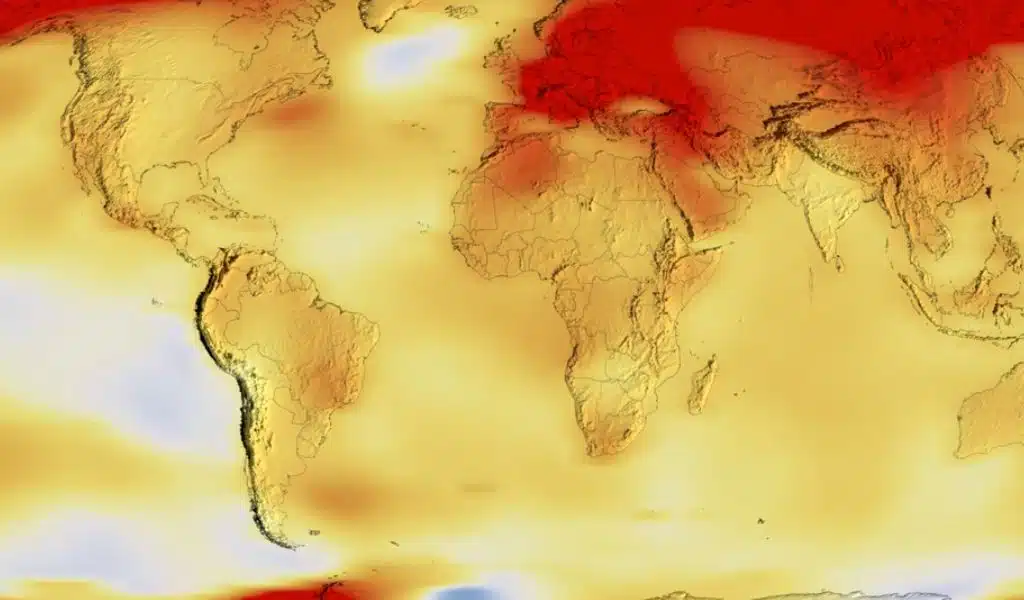
In recent years, the world’s temperatures have gone up because people keep burning fossil fuels like coal, oil, and gas, which heat up the planet. And there are no signs that this trend will change. In its annual climate report, the WMO said there is now a 66% chance that the planet’s temperature will rise above 1.5 degrees Celsius above pre-industrial levels for at least one year between 2023 and 2027.
The WMO said that as temperatures rise, there is a 98% chance that at least one of the next five years, and the next five years as a whole, will be the warmest on record for the world.
The WMO said that going over the 1.5-degree mark might only be temporary, but it would be the clearest sign yet of how quickly climate change is speeding up. It would speed up sea level rise, make weather more extreme, and kill off important species.
In the Paris Climate Agreement, countries promised to keep global warming to well below 2 degrees, and ideally to 1.5 degrees, compared to temperatures before the Industrial Revolution. Scientists think that 1.5 degrees of warming is a key tipping point, beyond which there could be a lot more extreme floods, drought, wildfires, and food shortages.
“This study does not mean that we will permanently go over the 1.5 degrees Celsius level set by the Paris Agreement, which talks about long-term warming over many years. But the WMO is warning that we will go over 1.5 degrees Celsius for short periods of time more and more often. WMO Secretary-General Professor Petteri Taalas said this in a statement.
Rising pollution from burning fossil fuels, which warms the earth, and the expected arrival of El Nio, a natural climate event that warms the whole world, are both contributing to the rising temperatures.
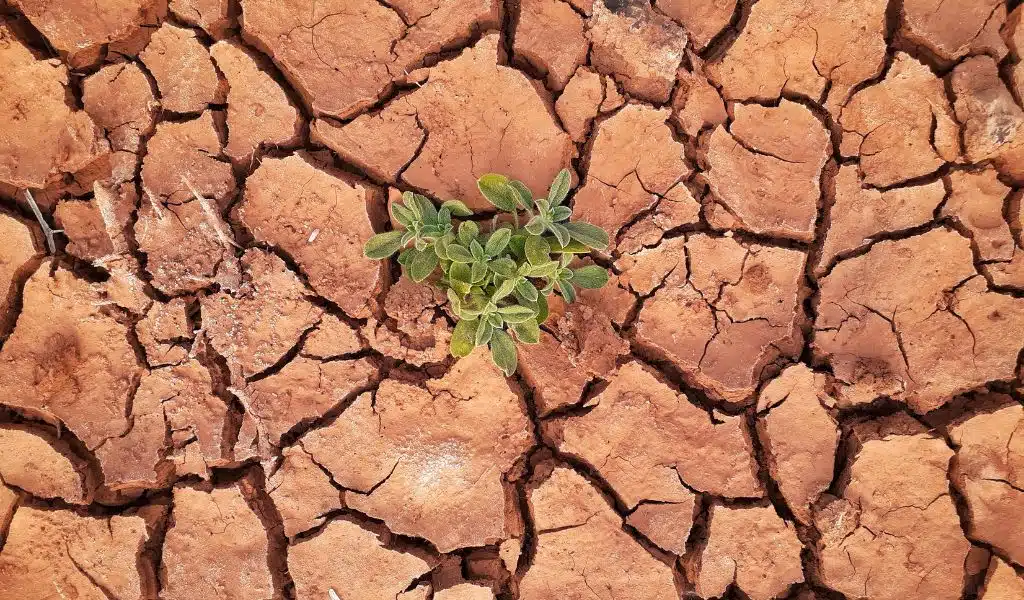
“In the coming months, El Nio is likely to get warmer, and this, along with climate change caused by humans, will push global temperatures into uncharted territory,” Taalas said. “This will have big effects on health, food stability, how water is managed, and the environment. “We have to be ready.”
The warmest year ever recorded was 2016, which came after a very strong El Nio. El Nio usually causes temperatures to rise the year after it starts, so 2024 could be on track to be the hottest year on record.
As people keep burning fossil fuels and making pollution that warms the earth, the world has already warmed by about 1.2 degrees. And even though La Nia has been making things cooler for three years, temps have risen to dangerous levels. The last eight years have been the hottest years ever recorded.
In the report, it was said that the chance of temporarily going over 1.5 degrees Celsius has been slowly going up since 2015, when the WMO said the chance of doing so was close to zero.
The WMO says that between 2023 and 2027, the average near-surface temperature of the world will be between 1.1 and 1.8 degrees Celsius higher than it was between 1850 and 1900. That refers to the time before the burning of fossil fuels caused a sharp rise in pollution that heated up the world.
Scientist Leon Hermanson, who led the study and is an expert at the Met Office, said in a statement, “Global mean temperatures are expected to keep going up, taking us further and further from the climate we’re used to.”
Why does 1.5 Degrees Matter?
Scientists have been saying for a long time that the world needs to stay within 1.5 degrees of warming to avoid drastic and possibly permanent changes.
Warming above this point makes it more likely that big tipping points will happen, such as the death of coral reefs and the melting of polar ice sheets, which will add to sea level rise and destroy coastal communities.
Sea level rise could force 13 million people in the US to move by the end of the century. For many low-lying Pacific Island countries, warming of more than 1.5 degrees is a threat to their future.
Temperature changes also make it more likely and worse for droughts, storms, wildfires, and heatwaves to happen.
A lot of temperature marks have already been broken or smashed this year all over the world.
In March, some parts of Argentina had temperatures that were up to 18 degrees Fahrenheit (10 degrees Celsius) higher than usual. In April, high temperature records were broken in a lot of Asia, and in May, places in the Pacific Northwest got so hot that they set new marks.
NASA says that if warming is kept to 1.5 degrees, about 420 million fewer people would be affected by very hot spells.
The Window to Act is Closing
Even though the 1.5 level is important, it is not a tipping point by itself.
The results will get worse with every fraction of a degree that the world warms up. But that also means that every tiny bit of cooling that can be done will help.
Scientists say that there is still time to stop global warming by moving away from burning oil, coal, and gas and toward clean energy, even though the time to act is passing.
Many people have also asked for ways to prepare for the effects of climate change that are already set in stone, like building big walls along the coasts to protect towns from rising sea levels.
At the end of the year, countries will meet at the UN COP28 climate gathering in Dubai. There, they will do a “global stocktake,” or an evaluation of how far they have come in meeting the goals they set in the Paris Climate Agreement.
By cutting pollution that warms the world by more than 40% by 2030, they should be a long way from meeting their goals to keep warming below 1.5 degrees.