On Wednesday, President Donald Trump made a significant policy announcement that paused most U.S. tariffs for a period of 90 days. This decision came as part of a broader strategic maneuver intended to alleviate some of the market pressures that had built up from the recent rounds of trade friction.
The pause applies to all countries that had not retaliated in kind against previous U.S. tariffs. In a move that was both unexpected and strategic, this suspension was designed to create room for negotiating “bespoke” trade deals with each individual country, reflecting the administration’s shift away from a one-size-fits-all policy approach.
This decision had an immediate and far-reaching impact on the financial markets. Investors reacted swiftly, and the positive sentiment was particularly evident on the stock market. Notably, Tesla Inc. saw a dramatic rebound in its share price immediately following the announcement—a surge that reversed part of the severe downward trend experienced in the previous months.
Elon Musk’s Vocal Opposition to Tariff Policies
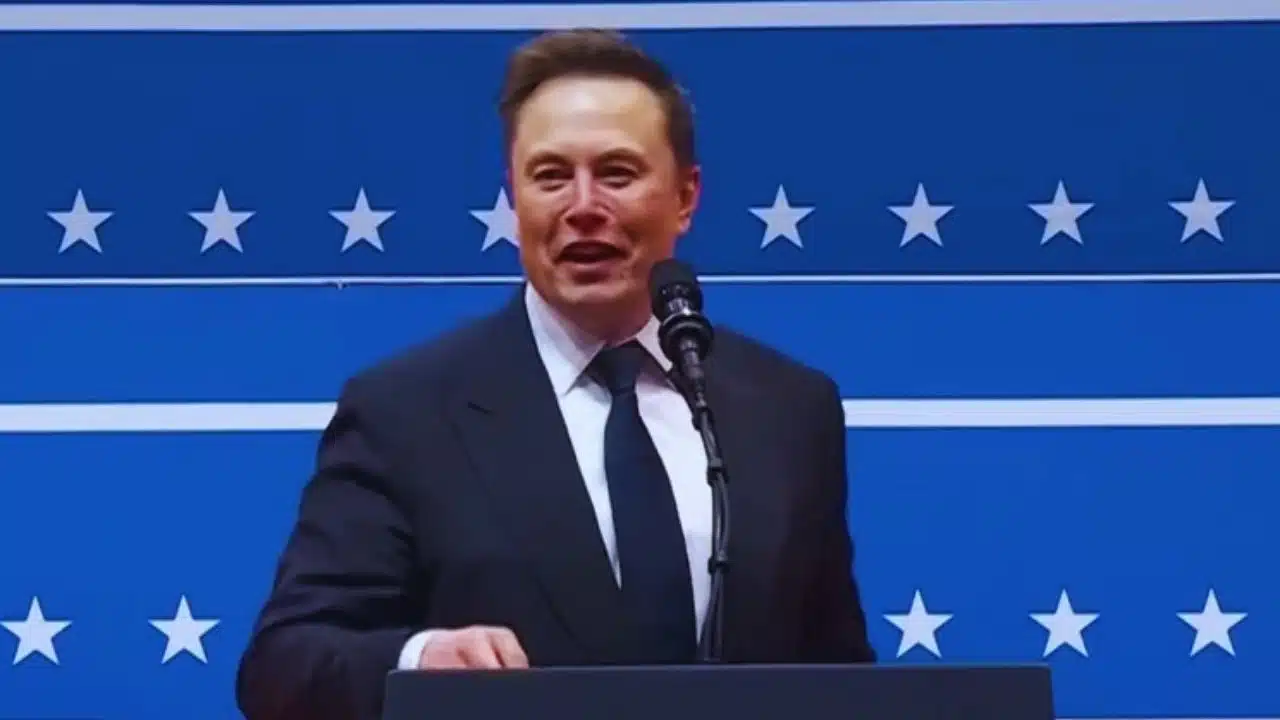
Tesla CEO Elon Musk has emerged as one of the loudest voices in criticizing the current tariff regime. Musk, whose comments have generated widespread media attention, has been publicly opposing the tariffs that have negatively affected not only Tesla’s stock performance but also the broader industrial landscape. Advocating for a “zero-tariff situation,” Musk emphasized the need for open trade and the elimination of barriers between Europe and North America. His position is grounded in a belief that reducing tariffs would lower costs and bolster efficiency within global supply chains—a critical component for the successful scaling of high-tech manufacturing, including electric vehicles.
Musk did not mince words when addressing trade advisers from the Trump administration. In a particularly pointed remark, he disparaged trade adviser Peter Navarro with harsh language, reflecting the deep divisions and internal conflicts that have been brewing within the policy-making circle. Musk’s comments resonated with many who believe that overly aggressive tariffs do more harm than good by stifling innovation, increasing costs for consumers, and ultimately hurting the competitive edge of American companies on the global stage.
Broader Market Impact and Tesla’s Stock Surge
The announcement by President Trump had an immediate and dramatic effect on the stock market. Tesla’s shares soared nearly 18% in mid-afternoon trading, reaching a substantial price that instilled confidence among investors. This rapid stock price rally not only boosted Tesla’s market capitalization by more than $100 billion since the previous trading session but also helped to reverse some of the declines that had accumulated year-to-date, despite the stock still showing an overall year-to-date decrease of about 31%.
The dramatic reaction in Tesla’s stock was seen as a reflection of broader market sentiment. Investors interpreted the tariff pause as a significant de-escalation of trade tensions, one that could potentially signal the beginning of a more stable economic environment. The positive market dynamics extended beyond Tesla, as other sectors that had been adversely affected by the tariff policies experienced a similar uplift. The suspension of tariffs was welcomed by many analysts and market commentators who have argued that the current wave of tariffs had created unnecessary uncertainty and hindered the growth of key industries.
Challenges with China: A Persistent Concern
Even as the tariff pause sent positive signals to the market, not every country was afforded the same benefit. China, one of the world’s largest trading partners and an important market for Tesla, was specifically excluded from this pause. Instead of benefiting from the reprieve, Chinese tariffs were increased to 125% following retaliatory measures by the Chinese government in response to U.S. tariffs on its products.
This exclusion from the tariff pause raises ongoing concerns for Tesla. As the company expands its footprint internationally, especially in China, the heightened tariffs on Chinese goods and potential retaliatory actions could pose risks to its competitive position. Analysts have warned that while the tariff pause may bring temporary relief, long-term uncertainties about trade policies with China could affect Tesla’s sales, manufacturing costs, and overall brand reputation in one of its largest markets. The situation highlights the vulnerability of companies that depend on global supply chains and international market access amid fluctuating political and trade policies.
Internal Policy Dynamics and Future Negotiations
The divergence in opinions within the Trump administration itself has become increasingly evident through these recent developments. The tariff pause reflects a strategic pivot by the President and his closest advisers to negotiate tailored, country-specific trade deals rather than maintaining broad and punitive tariffs. Treasury Secretary Scott Bessent has been one of the proponents of this individualized approach, emphasizing the need for “bespoke” agreements that address the specific economic circumstances of each trading partner.
This internal shift comes in direct contrast to the position held by hard-line figures within the administration, such as Peter Navarro, who had been advocates of maintaining or even increasing tariff levels as a bargaining tool. Navarro’s public support for the previous tariff regime and his eventual celebration of the pause underscore the complex balancing act involved in trade policy. On one hand, there is the need to protect domestic industries and stand firm against perceived unfair trade practices; on the other, there is the recognition that overly aggressive tariffs can backfire, leading to retaliatory measures and long-lasting harm to the economy.
Musk’s outspoken criticism, including his use of strong language against Navarro, further underscores the internal disagreements. This tension within the administration likely reflects broader debates among policymakers and industry leaders regarding the most effective way to promote American interests in the global market. As discussions continue, it remains to be seen how these negotiations will shape the future of U.S. trade policy and, by extension, the fortunes of companies like Tesla.
A Mixed Outlook in a Dynamic Trade Environment
President Trump’s decision to pause most tariffs for 90 days has had immediate positive effects on the market, with Tesla emerging as one of the biggest beneficiaries. The policy change has not only buoyed investor sentiment but also reinvigorated discussions around the effectiveness of tariffs as a trade policy tool. However, significant challenges remain—most notably the increased tariffs on Chinese products and the internal divisions within U.S. trade policy circles.
While the tariff pause presents a temporary relief, the long-term outlook is still clouded by uncertainties. Analysts and industry insiders are keenly watching how subsequent negotiations will unfold, particularly those with countries excluded from the pause, such as China. For Tesla, and indeed for many U.S. companies with global operations, the period ahead will require careful navigation of a complex, evolving trade landscape where political, economic, and strategic interests continue to intersect.
The Information is Collected from Bloomberg and CNBC.