As the world accelerates toward a more sustainable future, electric vehicles (EVs) are at the forefront of transforming the automotive industry.
EV sales have increased exponentially in recent years thanks to technological advancements, rising environmental awareness, and supportive government policies.
From mainstream carmakers to tech-driven startups, the race to capture the EV market is fast and fierce. But what does the future hold for electric vehicles in the next five years?
In this article, we’ll dive into five major predictions for the EV industry. These predictions encompass advancements in battery technology, shifts in infrastructure, the rise of autonomous electric vehicles, and much more.
Let’s take a closer look at how the landscape of electric vehicles is expected to evolve over the coming years.
1. Rapid Expansion of EV Adoption
One of the most significant predictions for the EV market is the rapid expansion of electric vehicle adoption across the globe. Rising environmental concerns, stricter emissions regulations, and increased government incentives to encourage EV ownership are driving the shift toward cleaner, greener alternatives to internal combustion engine vehicles.
Key Drivers of Increased EV Adoption
- Government Incentives and Regulations: Many governments worldwide are offering incentives such as tax credits, rebates, and grants to make EVs more affordable. Countries like Norway and the Netherlands already have ambitious plans to phase out fossil fuel-powered vehicles within the next decade.
- Falling EV Costs: The cost of producing EVs, particularly the battery, is expected to decrease significantly as technology improves and production scales up. This will make EVs more accessible to a broader audience.
- Improved Public Perception: Public sentiment around EVs is shifting positively, especially as more manufacturers release affordable, high-performing EVs that cater to everyday consumers.
As EVs become more affordable and appealing to the average driver, it’s likely that they will dominate new car sales in the coming years, marking a major shift in the global automotive landscape.
2. Breakthroughs in Battery Technology
Battery technology is at the heart of EV performance, and significant advancements are expected in this area over the next five years. One of the biggest barriers to widespread EV adoption has been “range anxiety”—the fear that an electric vehicle won’t have sufficient range to cover long distances. However, emerging battery technologies are set to change this.
Key Advancements in Battery Technology
- Solid-State Batteries: Solid-state batteries are viewed as the next generation of EV batteries. Unlike traditional lithium-ion batteries, they use solid electrolytes, which allow for higher energy density, quicker charging, and increased safety. Companies like Toyota and QuantumScape are actively developing this technology.
- Increased Range and Longevity: New battery chemistries and manufacturing processes are increasing the lifespan and range of EV batteries. With these improvements, the typical EV range could exceed 600 kilometers per charge, reducing the need for frequent recharging on long trips.
- Faster Charging Times: Faster charging is another anticipated advancement. Innovations in charging technology, including ultra-fast charging stations and improved battery cooling systems, are expected to reduce charging times to as little as 15-20 minutes for a full charge.
These advancements will address some of the current limitations of EVs, making them more attractive to consumers and helping to increase their market share in the coming years.
3. Expansion of Charging Infrastructure
The availability of charging infrastructure is critical to the widespread adoption of electric vehicles. Over the next five years, we can expect to see significant growth in the development and deployment of EV charging stations. This expansion will focus not only on increasing the number of charging stations but also on enhancing their speed, reliability, and accessibility.
Key Trends in Charging Infrastructure Development
- Public and Private Investment: Governments and private companies are investing billions in building and upgrading EV charging infrastructure. Initiatives like the European Green Deal and the U.S. Infrastructure Bill are earmarking funds specifically for EV charging station deployment.
- Wireless and Automated Charging Solutions: Technology is advancing toward wireless, induction-based charging stations that allow EVs to charge without plugging in. Automated solutions, such as robotic chargers, are also being developed to make the process easier and faster.
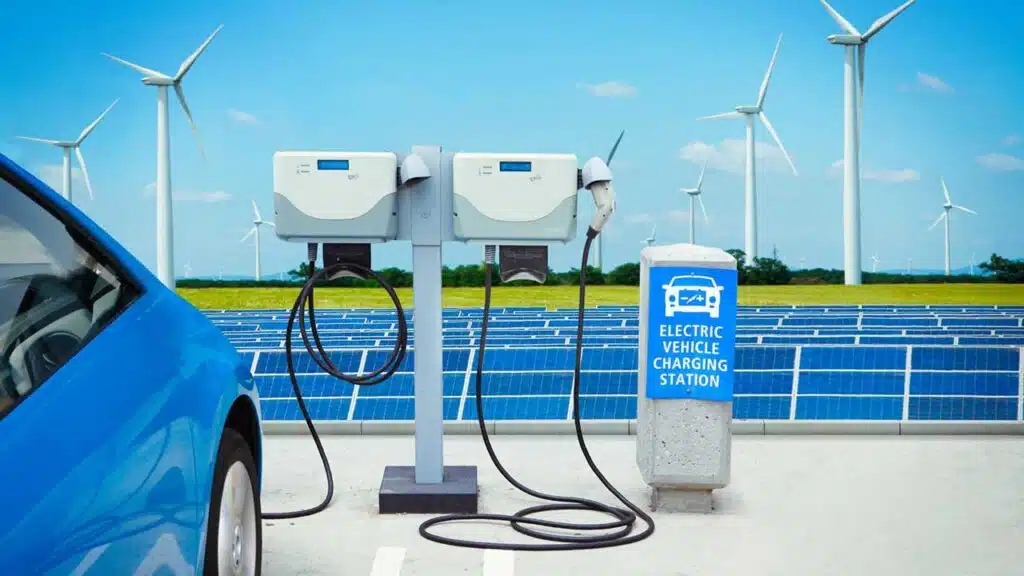
- Integration with Renewable Energy Sources: Many new charging stations are being integrated with renewable energy sources, such as solar or wind power, to further reduce the environmental impact of EVs. This shift will help make EV ownership even more sustainable.
The expansion of high-speed charging networks, combined with new technologies that simplify and accelerate the charging process, will make it easier for EV drivers to keep their vehicles charged and ready, whether they are commuting or taking long road trips.
4. Rise of Autonomous Electric Vehicles
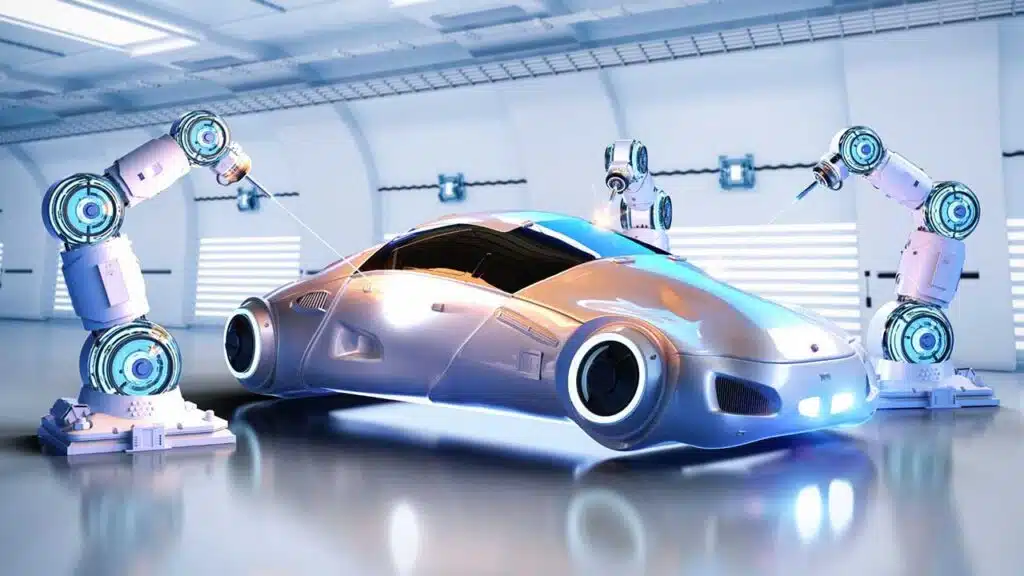
The intersection of electric vehicles and autonomous driving technology is a rapidly growing area of interest. Autonomous electric vehicles are expected to become more prominent within the next five years, driven by advancements in artificial intelligence, machine learning, and sensor technology.
Key Drivers of Autonomous Electric Vehicles
- Enhanced AI and Sensor Technology: Continuous improvements in artificial intelligence and sensor technology are allowing EVs to achieve higher levels of automation. Companies like Tesla, Waymo, and General Motors are investing heavily in self-driving EV development.
- Government Regulations and Testing: Various countries are allowing for more extensive testing and regulation of autonomous vehicles on public roads. This will likely accelerate the development of fully autonomous EVs and eventually lead to wider adoption.
- Autonomous Ride-Sharing Services: The combination of autonomous driving and EV technology is particularly promising for the ride-sharing industry. Companies like Uber and Lyft are exploring autonomous, electric ride-hailing fleets, which could reduce operational costs and provide a cleaner transportation option for urban areas.
With the combination of electric and autonomous technologies, the next five years may see the emergence of self-driving EVs on the roads, especially in cities where ride-sharing and public transport services can adopt them for greater efficiency and reduced emissions.
5. Growth in EV Market Diversification
While personal electric vehicles are gaining traction, there is also significant growth expected in the diversification of EV applications, including public transportation, commercial fleets, and even electric aviation. This trend will have broad implications for reducing greenhouse gas emissions across multiple sectors.
Key Areas of EV Market Diversification
- Electric Buses and Public Transport: Many cities are investing in electric buses to reduce pollution and improve air quality. Electric public transportation options are becoming more prevalent, with cities worldwide committing to all-electric fleets in the near future.
- Electric Commercial Fleets: Companies like Amazon and UPS are already transitioning portions of their delivery fleets to electric, a trend that will likely accelerate as EV technology improves. Electric trucks and vans offer a sustainable alternative for the commercial sector, reducing both fuel costs and emissions.
- Electric Aviation: Though still in the early stages, electric aviation is an area of rapid innovation. Companies such as Airbus and various startups are developing electric aircraft for short regional flights, which could transform air travel with a lower carbon footprint.
This diversification will not only help drive down emissions but also create new markets and opportunities for EV manufacturers. As the commercial and public sectors embrace electric alternatives, EV technology will become increasingly common in everyday life.
Conclusion
The future of electric vehicles over the next five years is set to be one of growth, innovation, and transformation.
As governments and consumers alike prioritize environmental sustainability, the rapid expansion of EV adoption is anticipated across both personal and commercial sectors.
With advancements in battery technology addressing range and charging times, improvements in charging infrastructure making EVs more accessible, and the growth of autonomous and diversified EV applications, the shift toward an all-electric future seems inevitable.
From city streets to highways, we’ll likely see EVs become the norm, with infrastructure and technology evolving to support them.
For consumers, these changes mean more accessible, affordable, and reliable EV options, while the commercial and public sectors will see lower operating costs and reduced emissions. The next five years will not only reshape the automotive industry but will also play a crucial role in achieving global sustainability goals.