Moving long distances frequently leaves a significant carbon footprint, ranging from the fuel used by moving trucks to the waste generated by packing materials. However, with careful planning and mindful practices, you can make your long-distance relocation more environmentally friendly. Learn about eco-friendly practices that compare traditional methods to greener alternatives and how to reduce your environmental impact while having a smooth and efficient relocation.
Begin With Sustainable Packing Solutions
Packing for a move can generate a lot of waste, especially if you use single-use materials like cardboard boxes, bubble wrap, and packing peanuts. Here’s how to make your packing more environmentally friendly:
Traditional Packing Techniques
Traditionally, moving requires a large number of cardboard boxes, plastic bubble wrap, and foam packing peanuts. While these materials are effective at protecting your belongings, they are frequently single-use and environmentally unfriendly.
Following the relocation, many of these materials end up in landfills, contributing to waste and pollution. Furthermore, the production of these materials requires significant resources and energy, increasing their environmental impact.
Packing Supplies That Can Be Used Again
Instead of single-use boxes, choose reusable plastic bins. These bins are durable, stackable, and can be reused several times, reducing the need for disposable boxes. Companies such as U-Haul and Rent-A-Green Box rent out moving bins made of recycled plastic.
Using these bins reduces waste and protects your items because they’re more durable than cardboard. The environmental benefits of reusable bins become even more significant after multiple moves.
Biodegradable Packing Materials
Choose biodegradable packing materials such as cornstarch peanuts, recycled paper, or mushroom-based packing. These materials offer the same level of protection as traditional packing peanuts and bubble wrap but are much better for the environment.
Biodegradable options degrade naturally, lowering the long-term impact on landfills. By using these materials, you are supporting the development and use of sustainable alternatives that will eventually replace traditional, non-biodegradable options.
Repurposing Household Items
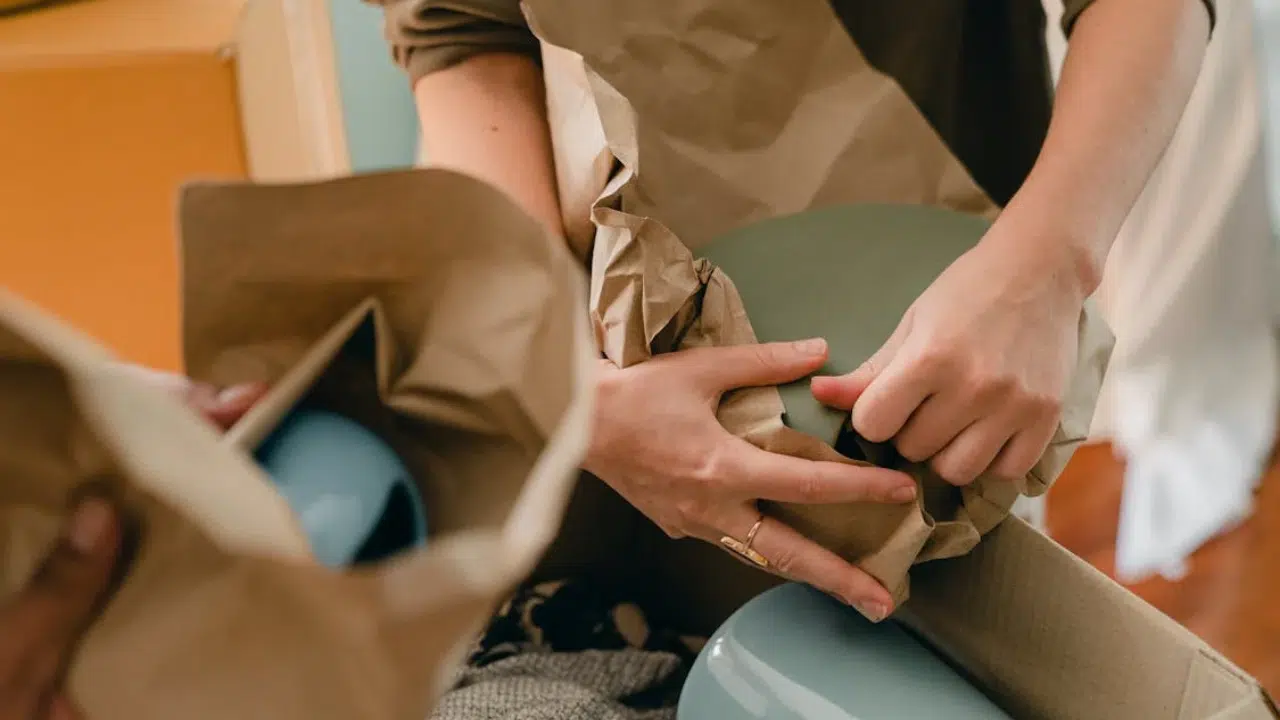
Get creative by packing your belongings with items you already own. Towels, linens, and clothing can be used as padding for fragile items, reducing the need for additional packing supplies. This reduces waste and saves money.
For example, using a towel to wrap a vase or packing books in a suitcase makes use of what you already have, maximizing space and reducing the need for additional materials. Repurposing household items for packing promotes a more resourceful and environmentally friendly approach to moving.
Reduced Fuel Consumption
The transportation phase of a long-distance move can generate a significant amount of carbon emissions. Traditional moving trucks are typically inefficient in terms of fuel consumption, adding significantly to greenhouse gas emissions.
Traditional Modes of Transportation
Moving trucks, particularly older models, are notorious for their excessive fuel consumption and emissions. These trucks typically run on diesel fuel, which has a higher carbon footprint than gasoline. The longer the journey, the greater the environmental impact. Traditional methods frequently require multiple trips or inefficient route planning, which increases fuel consumption and emissions.
Choosing Fuel-Efficient Vehicles
Choose moving companies that use newer, fuel-efficient trucks. Some companies have begun to use hybrid or electric moving trucks, which significantly reduce carbon emissions. While they may cost more, the environmental benefits can be significant.
Newer vehicles are built to meet stricter emissions standards and frequently include advanced technologies to improve fuel efficiency. By selecting a company with a modern, fuel-efficient fleet, you help to reduce the overall environmental impact of your relocation.
Reducing Waste When Moving
Another important aspect of eco-friendly relocation is waste management. During a move, it is easy to accumulate a lot of waste, including unwanted items and packing materials. Typically, people dispose of unwanted items by throwing them away, contributing to landfill waste.
Similarly, after unpacking, many reusable items are discarded rather than recycled or reused. This approach increases environmental pollution and resource depletion by allowing valuable materials to end up in landfills rather than being recycled or repurposed.
Donations and Recycling
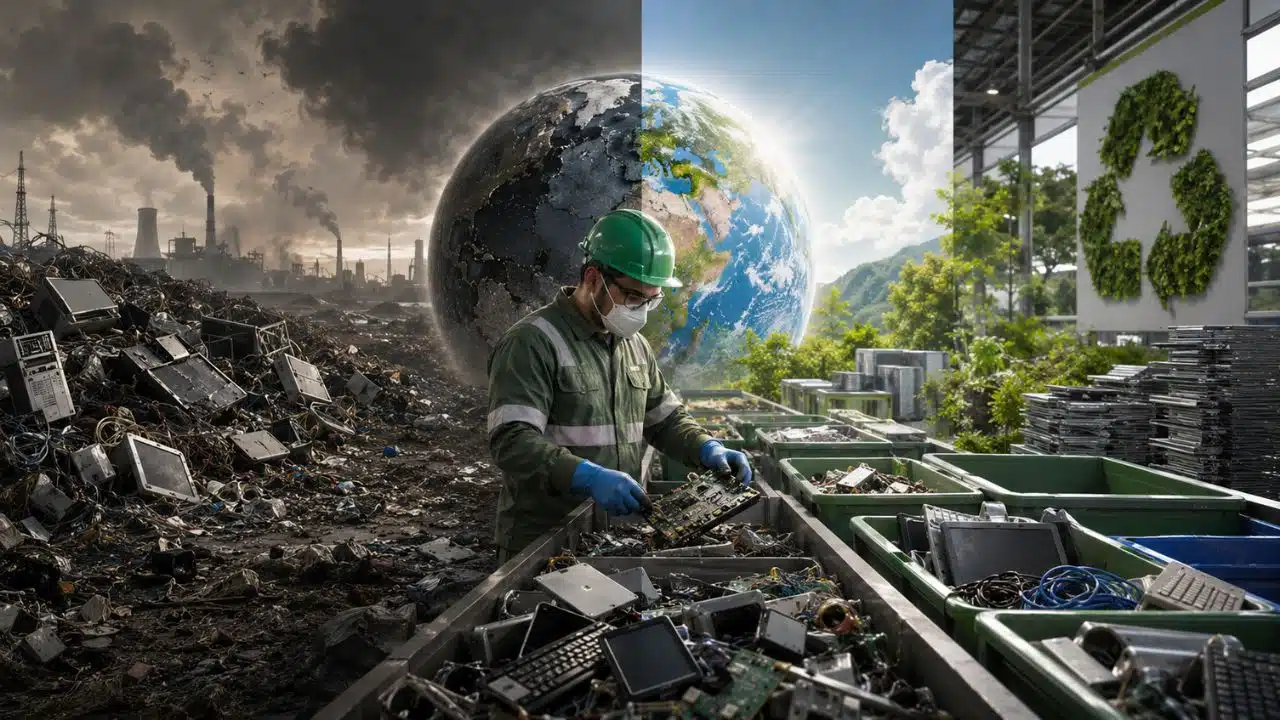
Before you relocate, go through your belongings and separate anything you no longer need. Donate any usable items to local charities or thrift stores. Electronics, clothing, furniture, and household goods are in high demand. Items that cannot be donated, such as old electronics, should be recycled properly.
Many cities provide e-waste recycling programs. Donating and recycling not only help to reduce waste but also support community organizations and contribute to a circular economy in which materials are reused rather than discarded.
Digital Solutions
Use digital tools to reduce the amount of paper waste. Instead of printing out moving checklists and inventory lists, use apps or digital documents to keep track of your relocation. This small change can significantly reduce paper consumption and waste.
Digital solutions provide the added benefit of easy access and organization, making it easier to manage your relocation. By using technology, you can speed up the moving process and reduce the damage that making and throwing away paper does to the environment.
Sustainable Practices During the Move
Moving usually entails a lot of driving back and forth, especially if you are handling multiple aspects of the move yourself. This can result in higher fuel consumption and emissions. Inefficient route planning and multiple trips increase environmental impact, emphasizing the need for more sustainable approaches.
-
Planning Effective Routes
Plan your route carefully to reduce driving distances and traffic congestion. This saves not only fuel but also time and stress. Efficient route planning entails locating the shortest and least congested routes using GPS technology and traffic monitoring tools. By reducing travel time and fuel usage, you lower the environmental impact of your move and enhance overall efficiency.
-
Offsetting Carbon Emissions
Consider offsetting the carbon footprint of your move. Some moving companies provide carbon offset programs, or you can purchase offsets from organizations that support renewable energy projects and reforestation efforts.
Carbon offsets help to balance out the emissions generated during your move by supporting projects that reduce or capture greenhouse gases. This practice allows you to be accountable for your environmental impact and contribute to global sustainability efforts.
Methods for Eco-Friendly Cleaning
Cleaning is an important step when transitioning from one home to another. Traditional cleaning products frequently contain toxic chemicals that can be harmful to the environment. Most contain chemicals that can pollute waterways and endanger wildlife.
Furthermore, they are frequently packaged in single-use plastic containers, adding to plastic waste. These products can leave toxic residues, affecting indoor air quality and posing health risks.
Environmentally Friendly Cleaning Products
Eco-friendly cleaning products are effective at keeping your home clean while reducing environmental and health risks. By choosing sustainable options, you help to make the world a healthier and safer place to live.
Products certified by organizations such as EcoCert or Green Seal are excellent choices. Alternatively, you can create cleaning solutions from natural ingredients such as vinegar, baking soda, and lemon juice. Reusable Cleaning Tools
Rather than using disposable cleaning wipes and paper towels, use reusable cleaning cloths and mop pads. These can be washed and reused repeatedly, reducing waste and saving money.
Reusable tools are frequently more durable and effective, resulting in superior cleaning results while reducing your environmental impact. Adopting reusable cleaning practices reduces the need for single-use products and promotes an environmentally friendly lifestyle.
Jump on the Green Bandwagon
Making a long-distance move more sustainable requires careful planning and a commitment to environmentally friendly practices. By following these guidelines, you can significantly reduce the environmental impact of your relocation. If you find it hard to keep up with everything, you can always hire professional moving help that will take care of most of those things for you.
Every small step helps to make your move more environmentally friendly, from using reusable packing materials and choosing fuel-efficient transportation to reducing waste and optimizing energy use in your new home.