
Cats are wonderful companions, known for their independence, intelligence, and playful nature.
However, even the most loving felines can exhibit behaviors that puzzle or frustrate their owners.
Behavioral issues can arise for a variety of reasons, including environmental factors, past trauma, or natural instincts. In this guide, we’ll explore 10 common cat behavioral problems, the possible causes behind them, and practical strategies for addressing each one.
With patience, understanding, and consistent effort, you can help your cat feel more comfortable and confident in your home.
1. Inappropriate Scratching
Scratching is an essential behavior for cats that allows them to mark territory, keep their claws sharp, and relieve stress.
However, when cats start scratching furniture, carpets, or walls, it can create significant issues for pet owners.
Understanding that scratching is an instinctual need, not an act of defiance, is key to addressing this behavior effectively.
- Solution: Provide multiple scratching options. Offer a variety of scratching posts in different materials—such as sisal, carpet, and cardboard—to determine your cat’s preference. Place the posts in areas where your cat frequently scratches, especially near their favorite furniture or in high-traffic areas.
- Behavioral Training: Use positive reinforcement by rewarding your cat with treats or praise whenever they use the scratching post. Additionally, you can make the furniture less appealing by covering it temporarily with aluminum foil or double-sided tape, as cats dislike these textures.
Pro Tip
Position scratching posts near windows or other “territory-marking” areas in your home to help fulfill your cat’s natural instincts while saving your furniture from damage.
2. Litter Box Avoidance

Litter box avoidance can be stressful for both the cat and the owner.
Cats may avoid their litter box due to a variety of reasons, including cleanliness, the type of litter, or the box’s location.
Health issues like urinary tract infections can also contribute to litter box avoidance, making it essential to rule out medical causes.
- Solution: Maintain a clean litter box by scooping it daily and replacing the litter entirely every one to two weeks. Place the box in a quiet, accessible area where your cat feels secure, and ensure there’s enough privacy, especially in multi-cat households. If you have multiple cats, consider providing one litter box per cat plus an additional box to reduce competition.
- Behavioral Training: If your cat has an aversion to a particular type of litter, try experimenting with different textures and brands to find one they prefer. Using a larger litter box or an uncovered box can also make a difference, especially if the cat feels cramped or restricted.
Pro Tip
To help retrain your cat, keep them in a smaller space with easy access to the litter box initially. Gradually allow them to explore more of the house as they reliably use the box.
3. Aggression Toward People or Other Animals
Cat aggression can arise from various sources, including fear, territorial instincts, overstimulation, or a lack of proper socialization.
It can manifest as hissing, swatting, or even biting. In many cases, aggression results from stress or frustration, so identifying triggers is crucial for resolving the issue.
- Solution: Start by observing your cat’s body language to understand what’s causing the aggression. Ears flattened back, a twitching tail, or dilated pupils are all signs of agitation. If your cat is aggressive towards other pets, try introducing them gradually and ensure each pet has its own space, food, and resources.
- Behavioral Training: Desensitization can be effective for fearful or territorial cats. Gradually expose your cat to its triggers in a controlled manner while providing treats and praise to create positive associations. For aggressive play behavior, redirect their energy with interactive toys rather than allowing hands to become play objects.
Pro Tip
Use calming aids like pheromone diffusers or calming sprays, which can help reduce stress and make your cat feel more secure in their environment.
4. Excessive Meowing or Vocalization
While some cats are naturally more vocal than others, excessive meowing can indicate boredom, hunger, loneliness, or health issues.
Breeds like Siamese cats are known for their talkative nature, but any cat may develop vocal habits in response to changes in their environment or routines.
- Solution: Assess whether your cat’s needs are being met. Ensure they’re receiving enough stimulation through play and interaction. Establish a feeding schedule so they know when to expect meals, and try to avoid giving treats in response to meowing, as this can reinforce the behavior.
- Behavioral Training: Respond to meowing selectively. If your cat is simply seeking attention, wait until they’re quiet to offer affection or treats. Reinforce calm behavior with praise to encourage them to communicate more quietly.
Pro Tip
Offer interactive toys, puzzle feeders, and climbing structures to keep your cat mentally and physically stimulated, which can help reduce boredom-related meowing.
5. Fearfulness and Hiding
Cats may hide or appear fearful due to a lack of early socialization, previous trauma, or personality traits.
A shy or fearful cat may hide under furniture, avoid people, or become startled by sudden sounds or movements.
While some cats are naturally more reserved, this behavior can be managed with patience and gentle encouragement.
- Solution: Provide a safe, quiet space for your cat to retreat to, such as a designated room or cozy hiding spot. Allow your cat to approach you at their own pace and avoid forcing interaction.
- Behavioral Training: Use treats and soft-spoken words to encourage them to explore their environment and feel safe around people. Slowly increase social interaction with gentle petting and play, building their confidence over time.
Pro Tip
Offer hiding spots and elevated perches where your cat can observe their surroundings without feeling exposed. This can help them feel more comfortable and secure.
6. Over-Grooming and Hair Pulling
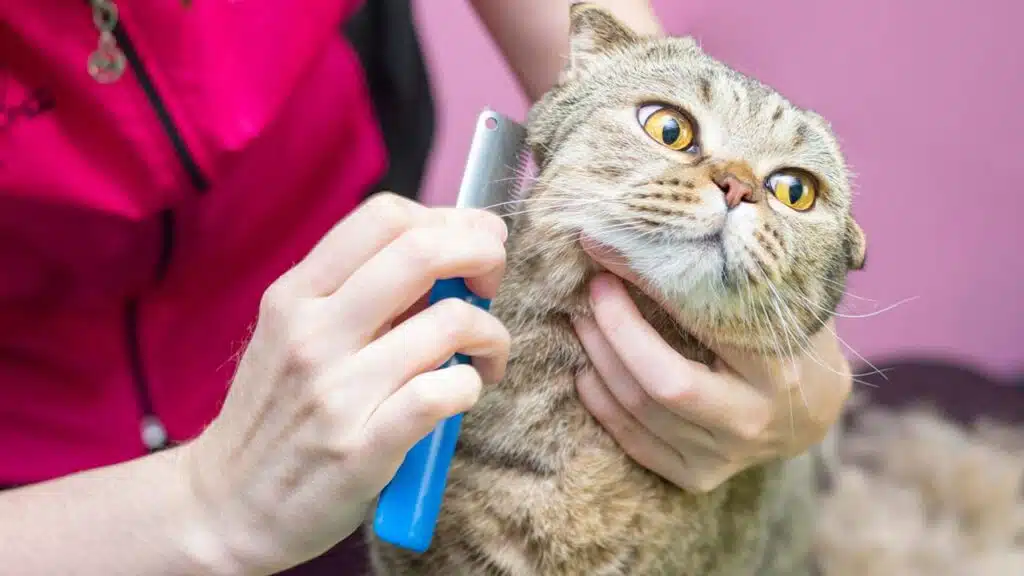
Excessive grooming, or psychogenic alopecia, can be a response to stress, boredom, or underlying health issues like allergies.
Cats who overgroom may develop bald spots, rashes, or skin irritation.
Recognizing the cause behind the behavior is crucial for finding an appropriate solution.
- Solution: Address potential stressors in your cat’s environment, provide ample playtime, and offer a variety of toys to reduce boredom. Consult a vet to rule out allergies or skin conditions.
- Behavioral Training: Try using pheromone diffusers or calming collars to help reduce your cat’s stress. Provide a daily routine that includes playtime, which can reduce anxiety and help curb compulsive behaviors.
Pro Tip
Interactive toys, puzzle feeders, and regular grooming sessions with your cat can help redirect over-grooming behaviors while strengthening your bond with them.
7. Play Biting and Rough Play
Play biting is common, especially among younger cats, as they learn to hunt and stalk.
While this behavior is natural, it can be problematic if the cat bites too hard or directs their play aggression toward their human companions.
- Solution: Use toys that keep your hands a safe distance away from your cat’s claws and teeth, like wand toys or feather teasers. Avoid using hands or feet to play, as this encourages the cat to see them as “prey.”
- Behavioral Training: Reward your cat when they play gently and end play sessions immediately if they become too rough. Over time, this will help them learn the limits of acceptable play behavior.
Pro Tip
Provide a variety of toys that mimic prey, such as those that mimic birds or mice, to help satisfy their hunting instincts without engaging in rough play with you.
8. Counter and Table Jumping
Cats are natural climbers and enjoy observing their surroundings from elevated areas.
Countertops and tables provide excellent vantage points for cats but may not be ideal from a hygiene or safety perspective.
Understanding that climbing is instinctual can help you redirect this behavior.
- Solution: Create designated climbing areas, like a cat tree or wall-mounted shelves. Place treats or toys on these areas to encourage your cat to use them instead of countertops.
- Behavioral Training: Make countertops less appealing by placing double-sided tape or aluminum foil, which discourages cats from jumping up. Use positive reinforcement when they choose their designated climbing area.
Pro Tip
Set up “cat-friendly” high spaces near windows for your feline to enjoy watching the outdoors, fulfilling their need for height without accessing restricted surfaces.
9. Spraying and Territorial Marking
Spraying is a natural marking behavior but becomes problematic indoors.
It can result from stress, competition, or changes in the household.
Neutering or spaying usually reduces spraying, but stress reduction strategies are also important.
- Solution: Neuter or spay your cat if they’re not already, and use pheromone sprays to make your cat feel more secure. If you have multiple cats, provide separate resources to reduce competition.
- Behavioral Training: Clean sprayed areas with enzymatic cleaners to remove lingering scents. If spraying persists, consult your vet, as it can sometimes indicate a medical issue.
Pro Tip
Provide ample vertical space and hiding areas to help your cat feel secure. Reducing stress can lessen the need for territorial marking.
10. Chewing on Plants or Other Objects
Cats may chew on plants, fabrics, or other objects due to boredom, curiosity, or a condition called pica.
Chewing can be dangerous if they ingest harmful items, especially toxic plants.
- Solution: Remove any toxic plants and replace them with safe alternatives like cat grass. Offer safe chew toys or treats to fulfill their chewing instincts.
- Behavioral Training: Redirect their attention immediately when they chew on inappropriate items, and reward them when they engage with safe options.
Pro Tip
Ensure your cat’s diet is balanced, as nutritional deficiencies can sometimes lead to pica.
Regular playtime also helps satisfy natural instincts, reducing the likelihood of inappropriate chewing.
Final Thoughts: Building a Positive Environment for Your Cat
Managing your cat’s behavior takes time, patience, and understanding.
By identifying the root causes of these common issues and implementing consistent, positive training methods, you can create a more harmonious environment.
A happy, well-adjusted cat is one who feels safe, stimulated, and cared for, ultimately making for a better relationship between you and your feline friend.