


Balancing cognitive and physical development in children is essential to help them grow into well-rounded individuals.
Cognitive development refers to the mental processes of acquiring knowledge, reasoning, memory, and problem-solving, while physical development involves the growth of motor skills, coordination, and overall physical fitness.
These two areas of development are interconnected, and fostering a harmonious relationship between the mind and body is crucial for a child’s well-being.
In this detailed guide, we will explore 12 tips that parents and caregivers can implement to ensure balanced cognitive and physical growth in children.
1. Encourage Active Play: Building the Foundation for Cognitive and Physical Skills
Active play is a cornerstone of childhood development, providing a natural and fun way for children to build both cognitive and physical skills. From games of tag and hopscotch to climbing trees or riding bikes, children engage in physical activities that challenge their bodies and minds.
Play stimulates their muscles, coordination, and endurance while requiring quick thinking, decision-making, and creativity.
- Physical Development Benefits: Running, jumping, and other physical activities enhance gross motor skills by improving balance, agility, and strength. Fine motor skills are developed when children manipulate smaller objects during play.
- Cognitive Development Benefits: Active play enhances creativity as children invent games, rules, and scenarios. It also fosters problem-solving skills as they navigate challenges and make quick decisions.
- Practical Tip: Dedicate at least one hour a day to active play. Encourage outdoor play whenever possible, such as nature-based games or sports activities like soccer, baseball, or obstacle courses. This will ensure that children are developing both physically and mentally while having fun.
2. Incorporate Problem-Solving Games: Sharpening the Mind and Engaging the Hands
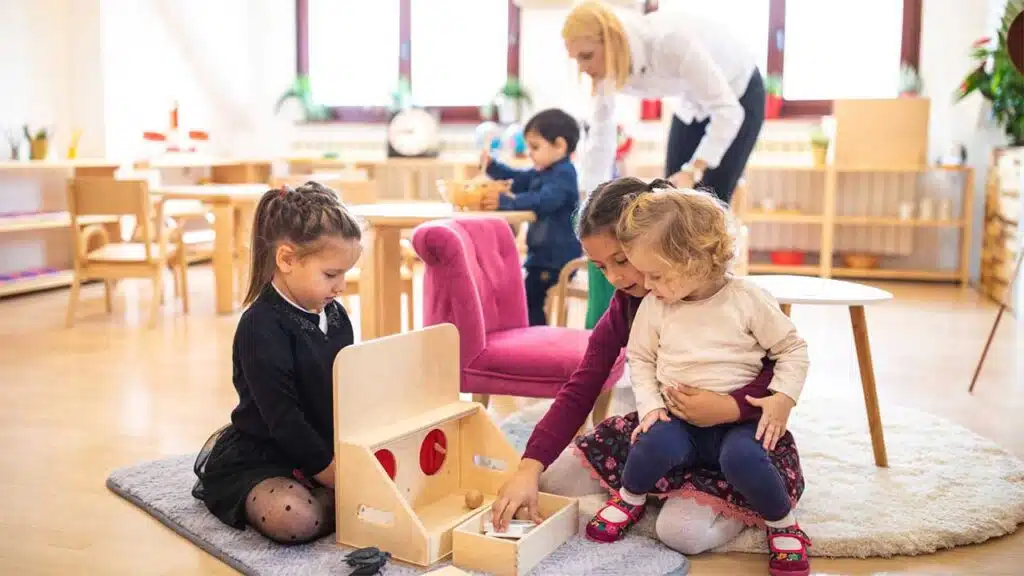
Problem-solving games such as puzzles, building blocks, and brain teasers are excellent for cognitive development. These games encourage children to think critically and strategically, as they must figure out how to solve the problem at hand.
At the same time, many problem-solving games require the use of fine motor skills, which help strengthen hand-eye coordination and dexterity.
- Physical Development Benefits: Handling puzzle pieces, building structures, or arranging objects in problem-solving games helps refine fine motor control and coordination. As children manipulate small pieces, their hands and fingers grow stronger and more adept.
- Cognitive Development Benefits: Puzzles and brain games enhance memory, logical thinking, and spatial awareness. These activities also teach patience and perseverance as children work through trial and error.
- Practical Tip: Introduce age-appropriate puzzles, building sets, or games that require critical thinking and fine motor skills. Start with simple shape-sorting games for younger children and advance to jigsaw puzzles, chess, or strategy-based board games for older children.
3. Promote Early Literacy and Storytelling: Merging Imagination with Physical Expression
Storytelling is a key component of cognitive development, promoting language skills, vocabulary expansion, and comprehension.
But storytelling doesn’t have to be a sedentary activity—children can actively engage their bodies by acting out their favorite stories or creating their own through imaginative play. This kind of physical expression reinforces cognitive understanding while fostering creativity.
- Physical Development Benefits: Acting out stories or using props allows children to engage in physical activities that improve motor skills, balance, and coordination. Using gestures and body movements to convey emotions or scenes also strengthens physical expression.
- Cognitive Development Benefits: Storytelling enhances vocabulary, comprehension, and listening skills. It also fosters creativity as children imagine different scenarios, characters, and plot twists.
- Practical Tip: Encourage your child to participate in “story theater” by acting out their favorite books or making up their own stories. Use costumes, props, and gestures to make the experience more engaging. You can also create a storytelling routine where the child narrates a story while physically demonstrating it.
4. Incorporate Music and Dance: Enhancing Motor Skills and Cognitive Growth through Rhythm
Music and dance are powerful tools for both cognitive and physical development. Learning the rhythm, beats, and lyrics of music involves concentration and memory, while dance incorporates physical coordination, balance, and flexibility.
Music also has the ability to stimulate multiple areas of the brain, aiding in language development, auditory processing, and emotional expression.
- Physical Development Benefits: Dance movements improve coordination, balance, and flexibility. Dancing to the rhythm of the music helps children develop a sense of timing and spatial awareness.
- Cognitive Development Benefits: Music enhances memory, attention span, and pattern recognition. Learning the lyrics to a song or following a melody also develops auditory processing skills.
- Practical Tip: Play a variety of musical genres and encourage your child to create dance routines that match the rhythm. You can even create simple dance challenges or mimic the moves in music videos to make it interactive. If possible, enroll them in music or dance classes for structured learning.
5. Offer Creative Arts and Crafting Activities: Fine-Tuning Motor Skills and Stimulating Imagination
Arts and crafts allow children to express themselves creatively while honing their motor skills. Activities like drawing, painting, sculpting, and collage-making require children to use their hands in intricate ways, helping develop fine motor skills.
These activities also encourage problem-solving and planning, as children decide what to create and how to execute their vision.
- Physical Development Benefits: Crafting helps refine hand-eye coordination and dexterity. Manipulating tools such as scissors, glue, and paintbrushes strengthens the muscles in their hands and fingers.
- Cognitive Development Benefits: Artistic activities foster creativity, planning, and problem-solving skills. Children must think critically about their designs, choose the right materials, and figure out how to achieve their artistic vision.
- Practical Tip: Provide your child with a variety of art supplies, such as paper, paints, markers, and clay. Encourage them to work on specific projects, like creating seasonal decorations or designing their own costumes, to combine creativity with fine motor development.
6. Encourage Outdoor Exploration and Nature Walks: Enhancing Physical Health and Curiosity
Spending time outdoors provides sensory experiences that are crucial for both physical and cognitive development. Nature walks, for example, allow children to explore different environments, which boosts curiosity and observational skills.
Additionally, outdoor activities promote physical fitness by encouraging movement such as walking, running, and climbing.
- Physical Development Benefits: Outdoor activities improve strength, balance, endurance, and flexibility. Walking on uneven terrain, climbing, or exploring natural elements like rocks and trees enhances gross motor skills.
- Cognitive Development Benefits: Nature exploration fosters curiosity, critical thinking, and environmental awareness. Children learn to observe, ask questions, and analyze the world around them.
- Practical Tip: Plan regular outdoor excursions such as hiking, biking, or nature walks. Teach your child about the local flora and fauna, and encourage them to keep a nature journal where they can document their observations and thoughts.
7. Create a Routine for Structured Sports: Building Discipline and Coordination
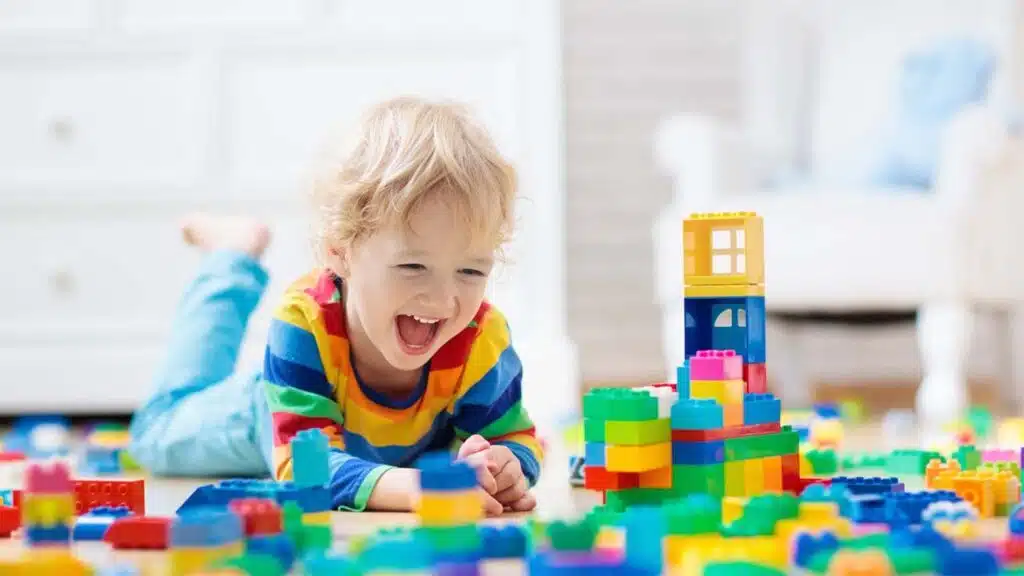
Participating in structured sports, such as soccer, basketball, swimming, or gymnastics, helps children develop physical skills while learning important cognitive and social skills. Team sports, in particular, teach children how to work with others, strategize, and stay disciplined.
- Physical Development Benefits: Structured sports improve muscle strength, cardiovascular health, and coordination. They also help develop motor skills like running, jumping, and catching.
- Cognitive Development Benefits: Team sports teach strategic thinking, problem-solving, and teamwork. Children must learn how to collaborate with others, follow rules, and anticipate their opponents’ moves.
- Practical Tip: Encourage your child to join a local sports team or activity. Sports like swimming can be done solo, while team sports like soccer and basketball encourage socialization and teamwork. Ensure that they practice regularly and learn the value of sportsmanship and discipline.
8. Balance Screen Time with Interactive Educational Tools: Blending Learning with Physical Activity
While screen time is often seen as a hindrance to physical development, it can be balanced with educational apps that promote both cognitive and physical growth. Interactive apps that require movement (such as motion-based games or virtual reality experiences) can enhance physical skills while educational games stimulate the mind.
- Physical Development Benefits: Motion-based games or VR experiences require children to use their bodies to interact with the game, improving coordination and agility.
- Cognitive Development Benefits: Educational apps can improve problem-solving, memory, and attention. Interactive elements in games engage children and make learning enjoyable.
- Practical Tip: Limit passive screen time to a set number of hours per day, but incorporate interactive educational tools such as puzzle apps, coding games, or movement-based games like Wii Sports. This way, children are learning and moving at the same time.
9. Practice Mindfulness and Yoga: Balancing the Body and Mind
Mindfulness exercises and yoga help children regulate their emotions, improve focus, and enhance physical flexibility and strength.
These activities promote self-awareness and mindfulness, which can help children better understand their thoughts and feelings while also fostering physical well-being.
- Physical Development Benefits: Yoga improves flexibility, balance, and muscle strength. It also helps children develop better posture and body awareness.
- Cognitive Development Benefits: Mindfulness and yoga enhance focus, emotional regulation, and self-awareness. Mindfulness practices help children manage stress and improve attention spans.
- Practical Tip: Incorporate short mindfulness sessions or yoga poses into your child’s daily routine. Start with simple breathing exercises and stretches, gradually introducing more complex poses as they become comfortable.
10. Introduce Cooking and Baking Activities: Combining Practical Life Skills with Learning
Cooking and baking are fun, hands-on activities that teach children practical life skills while engaging their cognitive abilities. These activities require children to follow recipes, measure ingredients, and understand sequences, which enhances numeracy, memory, and planning skills.
- Physical Development Benefits: Handling utensils, mixing ingredients, and measuring help develop fine motor skills. Stirring, pouring, and rolling dough improve coordination and control.
- Cognitive Development Benefits: Cooking and baking promote mathematical skills, sequencing, and problem-solving. Children must follow instructions, measure accurately, and understand cause-and-effect relationships when baking or cooking.
- Practical Tip: Allow your child to assist with meal preparation, giving them tasks such as measuring ingredients, stirring, or decorating baked goods. Gradually introduce them to more complex recipes as they gain confidence.
11. Foster Social Play and Group Activities: Developing Emotional Intelligence and Teamwork
Social play, whether through games, group activities, or collaborative projects, is essential for building cognitive and social-emotional skills.
It also encourages physical activity through group sports, dance, or interactive play. Social interactions teach children how to negotiate, share, and solve problems collaboratively.
- Physical Development Benefits: Group activities like playing tag, hide-and-seek, or team sports encourage children to move their bodies while interacting with others, promoting both fitness and coordination.
- Cognitive Development Benefits: Social play helps children develop problem-solving skills, communication, and empathy. It also fosters creativity when children collaborate to create new games or solve challenges.
- Practical Tip: Arrange regular playdates or enroll your child in group activities such as team sports, dance classes, or community-based clubs. Encourage social interaction by promoting team-based games and activities.
12. Establish Sleep and Nutrition Routines: Building the Foundation for Balanced Development
Sleep and nutrition are foundational for a child’s overall development, as both are essential for cognitive function and physical health.
Adequate sleep allows the brain to rest and process information, while proper nutrition fuels the body and brain for growth, learning, and activity.
- Physical Development Benefits: Sleep is essential for muscle recovery and growth, while balanced nutrition ensures that children receive the necessary vitamins, minerals, and energy to build strong bodies.
- Cognitive Development Benefits: Sleep improves memory consolidation and cognitive processing, while nutrition plays a critical role in brain development and function.
- Practical Tip: Create a consistent bedtime routine that promotes at least 8-10 hours of sleep for your child. Ensure their diet includes nutrient-rich foods like fruits, vegetables, whole grains, and proteins that support both brain and body health.
Conclusion
Balancing cognitive and physical development is not a one-size-fits-all approach; it requires attention to the unique needs of each child.
By integrating activities that challenge both the mind and body, parents can help their children grow into well-rounded individuals. These 12 tips provide practical strategies to ensure that children receive the benefits of both cognitive and physical stimulation, fostering overall well-being and setting the stage for lifelong success.
Implementing these tips consistently will help create a nurturing and stimulating environment where children can thrive in both their mental and physical development.





















