
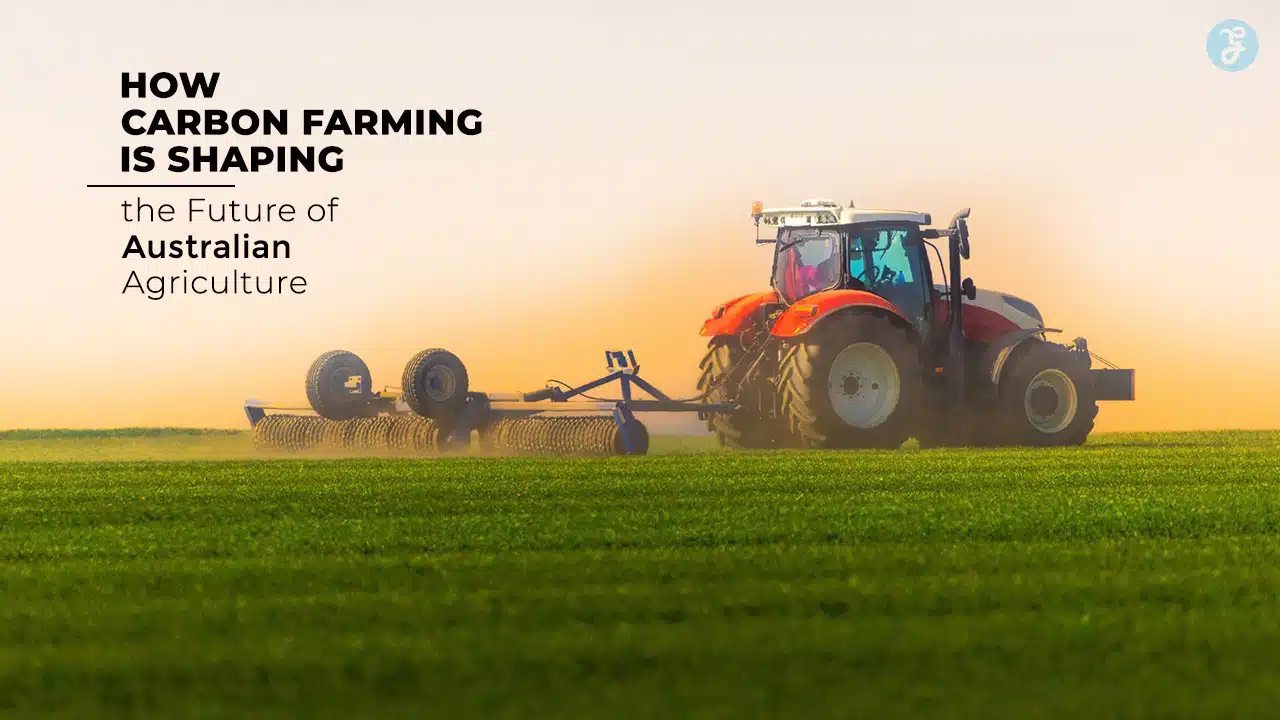
Australia is renowned for its vast landscapes and agricultural productivity. However, as climate change intensifies, the agricultural sector faces growing challenges, including soil degradation, water scarcity, and fluctuating weather patterns.
Enter Carbon Farming in Australian Agriculture, a sustainable approach that not only addresses these challenges but also positions Australia as a leader in combating climate change.
By enhancing soil health, sequestering carbon, and generating additional revenue streams, carbon farming offers a transformative solution for farmers and the environment alike.
This article explores the methods, benefits, and future potential of carbon farming, providing actionable insights for stakeholders across the agricultural sector.
Understanding Carbon Farming
What is Carbon Farming?
Carbon farming refers to agricultural practices that capture and store carbon dioxide (CO2) from the atmosphere into soils, vegetation, and other natural systems. These practices reduce greenhouse gas emissions, enhance soil health, and provide farmers with new revenue streams through carbon credit markets.
As a proactive approach, carbon farming integrates sustainability into traditional agricultural methods, ensuring long-term productivity.
Methods of Carbon Sequestration:
- Soil Carbon Sequestration: Enhancing organic matter in soils through techniques like no-till farming and cover cropping.
- Reforestation: Planting trees to absorb CO2 and improve biodiversity.
- Biochar: Incorporating charcoal-like material into soils to store carbon and enhance fertility.
| Method | Description | Primary Benefit |
| Soil Carbon Sequestration | Capturing carbon in soil organic matter | Boosts soil fertility and structure |
| Reforestation | Planting trees on degraded lands | Restores ecosystems |
| Biochar | Adding carbon-rich material to soil | Improves water and nutrient retention |
Benefits of Carbon Farming
Environmental Benefits
- Reduction in Greenhouse Gases: By capturing CO2, carbon farming helps mitigate climate change while enhancing air quality.
- Biodiversity Enhancement: Reforestation and agroforestry practices support wildlife habitats, creating more resilient ecosystems.
Economic Benefits
- Carbon Credits: Farmers can earn revenue by selling carbon credits in established markets, providing an additional income stream.
- Improved Productivity: Healthier soils lead to better crop yields and reduced dependency on synthetic fertilizers.
Agricultural Benefits
- Soil Health: Practices like cover cropping and biochar improve soil structure, microbial activity, and nutrient retention.
- Water Retention: Enhanced soil organic matter increases water-holding capacity, which is critical in drought-prone regions like Australia.
| Type of Benefit | Specific Impact | Example Outcomes |
| Environmental | Reduces CO2 emissions, supports wildlife | Healthier ecosystems |
| Economic | Generates income through carbon credits | Financial resilience for farmers |
| Agricultural | Boosts soil and crop productivity | Sustainable farming practices |
The Role of Carbon Farming in Australian Agriculture
Current Adoption Rates in Australia
Australia has embraced carbon farming as a crucial component of its climate and agricultural strategies. According to a 2023 report by the Australian Bureau of Agricultural and Resource Economics and Sciences (ABARES), over 20% of Australian farms have implemented carbon farming practices. This number is expected to grow as awareness and government support increase.
Government Support:
- Emissions Reduction Fund (ERF): Provides financial incentives for farmers adopting carbon-friendly practices.
- Regional Land Partnerships: Support for integrating sustainable practices into farming operations, particularly in rural areas.
Example Trend:
The adoption of soil carbon sequestration techniques has grown by 15% in the last two years, driven by favorable market conditions and increasing demand for carbon credits.
Contribution to the Agricultural Economy
Carbon farming is more than an environmental strategy; it’s an economic opportunity. By participating in carbon credit markets, farmers gain a new revenue stream while enhancing their land’s productivity.
Case Study:
- A Queensland cattle farmer adopted rotational grazing and improved pasture management, earning $50,000 annually through carbon credits while increasing livestock productivity.
- In Western Australia, wheat growers using cover crops reported a 20% yield increase over three years, coupled with income from carbon credits.
Enhancing Resilience Against Climate Change
Australia’s agricultural sector is particularly vulnerable to extreme weather events. Carbon farming provides a buffer by:
- Improving soil resilience to drought conditions.
- Enhancing crop and pasture yields under variable weather patterns.
- Reducing reliance on chemical inputs, lowering farming costs in the long term.
Key Strategies for Implementing Carbon Farming
Soil Carbon Sequestration
Soil acts as a natural carbon sink. By increasing organic matter, farmers can store more carbon while improving soil health. These practices also reduce erosion and increase microbial diversity, which is critical for nutrient cycling.
Techniques:
- No-Till Farming: Reduces soil disturbance, preserving organic carbon.
- Cover Cropping: Plants like clover and rye prevent soil erosion and add organic material.
- Compost Application: Enhances microbial activity, boosting carbon storage and crop yields.
Soil Carbon Sequestration Techniques
| Technique | Description | Benefit |
| No-Till Farming | Minimal soil disturbance | Retains soil carbon, reduces erosion |
| Cover Cropping | Planting crops between harvest cycles | Adds organic matter, prevents erosion |
| Compost Application | Adding organic waste to soil | Boosts nutrients and microbial life |
Reforestation and Agroforestry
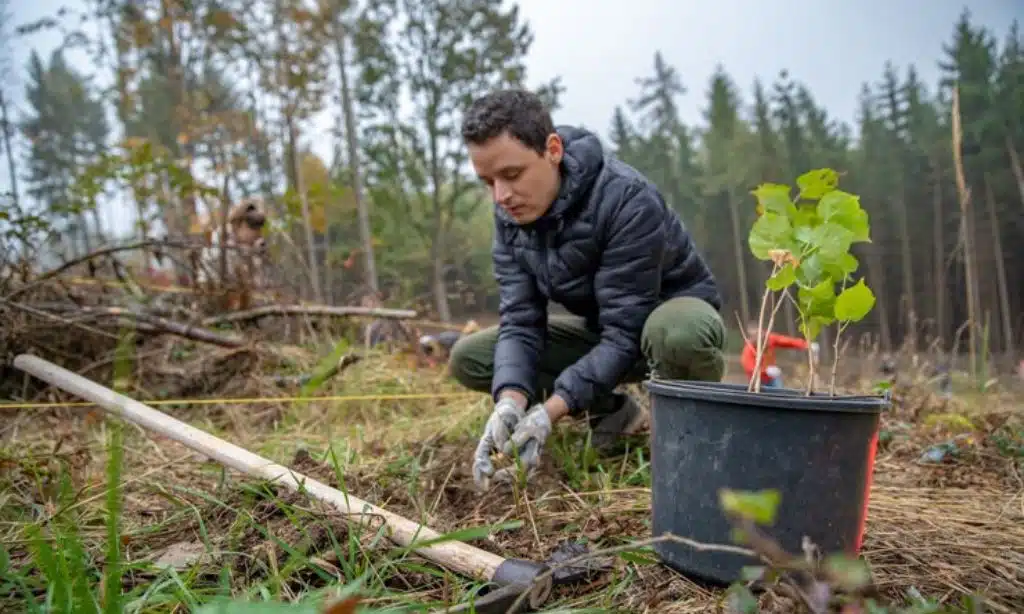
Trees play a dual role in carbon farming by capturing CO2 and stabilizing ecosystems. These practices are particularly valuable in regions with degraded lands, as they restore productivity while addressing climate goals.
How It Works:
- Reforestation involves planting trees on degraded lands to restore natural carbon cycles.
- Agroforestry integrates trees with crops and livestock, boosting biodiversity and creating a symbiotic relationship.
Use of Biochar
Biochar is a carbon-rich material produced by heating organic matter in a low-oxygen environment. When added to soil, it locks carbon in place for centuries and enhances soil fertility.
Benefits:
- Long-term carbon storage.
- Improved water and nutrient retention.
- Reduction in methane emissions from agricultural waste.
| Strategy | How It Works | Long-Term Benefit |
| Cover Cropping | Adds organic matter to soil | Prevents erosion, stores carbon |
| Agroforestry | Combines trees with farming | Boosts biodiversity, sequesters carbon |
| Biochar Application | Locks carbon in soil | Increases water and nutrient retention |
Challenges and Opportunities in Carbon Farming
Challenges Facing Farmers
- Initial Costs: Transitioning to carbon farming requires investment in new equipment, training, and sometimes certification processes.
- Monitoring and Verification: Measuring carbon sequestration accurately is complex and costly, often requiring specialized tools or services.
- Market Accessibility: Navigating carbon credit markets can be daunting for small-scale farmers, particularly those without prior experience.
Opportunities for Growth
- Expanding Carbon Markets: Increasing global demand for carbon credits provides significant revenue opportunities for Australian farmers.
- Innovative Technologies: Advances in satellite monitoring and AI simplify carbon measurement and tracking, reducing barriers to entry.
- Government Incentives: Enhanced policies, such as tax breaks and grants, make carbon farming more accessible to a wider range of farmers.
Interactive Features for Enhanced Understanding
Comparison Table of Traditional vs. Carbon Farming
| Aspect | Traditional Farming | Carbon Farming |
| Environmental Impact | High greenhouse gas emissions | Reduces CO2 in the atmosphere |
| Soil Health | Degrades over time | Improves with organic practices |
| Economic Opportunities | Limited to crop sales | Includes carbon credits revenue |
The Future of Carbon Farming in Australia
Emerging Technologies in Carbon Farming
Technological advancements are revolutionizing carbon farming, making it more efficient and scalable.
Examples:
- Satellite Monitoring: Tracks carbon levels in soil with high precision.
- AI-Driven Tools: Optimize farming practices to maximize carbon sequestration and minimize resource use.
Policy and Regulation Developments
Governments are recognizing the importance of carbon farming and implementing supportive policies:
- Strengthened carbon credit verification systems.
- Increased funding for research and development to promote innovation in carbon farming techniques.
Role of Carbon Farming in Global Sustainability Goals
Australia’s carbon farming initiatives contribute to global efforts under the Paris Agreement. By sequestering significant amounts of carbon, Australian agriculture plays a critical role in mitigating climate change and demonstrating leadership in sustainable farming.
Takeaway
Carbon Farming in Australian Agriculture is not just a response to climate change; it’s a transformative approach to sustainability. By improving soil health, increasing productivity, and generating additional income, carbon farming benefits farmers, the environment, and the economy.
As technology advances and policies evolve, carbon farming will continue to shape the future of Australian agriculture, ensuring a resilient and sustainable industry for generations to come.