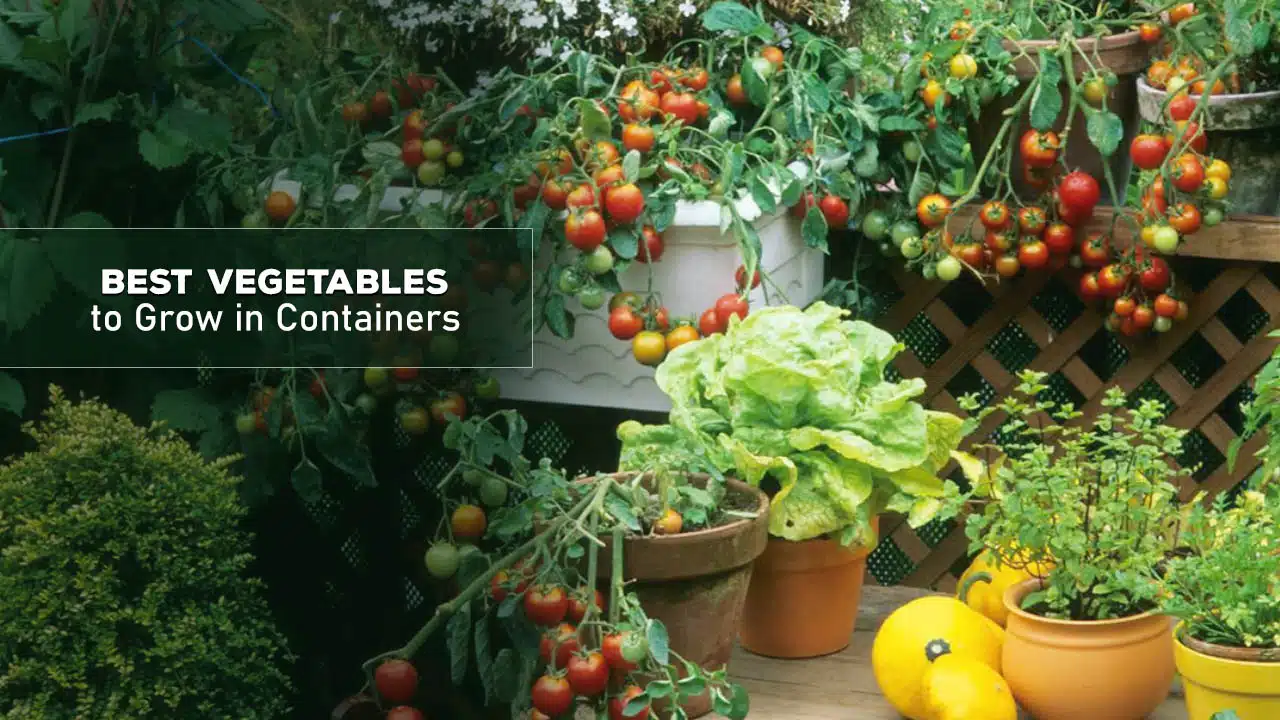
Growing vegetables in containers is an excellent way for city dwellers to enjoy fresh produce. You don’t need a big backyard to start your garden. Many veggies thrive in pots, making growing food on balconies, patios, or even windowsills easy.
Container gardening lets you control soil quality and placement for optimal growing conditions. It’s perfect for small spaces and can be less work than traditional gardens.
You can harvest tasty homegrown veggies right outside your door with the right plants and care.
Best Vegetables to Grow in Containers
Below is a list of the best vegetables that you can grow in containers.
1. Cherry Tomatoes
Cherry tomatoes are perfect for container gardening. You can grow them on balconies, patios, or even windowsills. They’re small, sweet, and produce lots of fruit.
- Choose a pot at least 12 inches deep with drainage holes. Fill it with a potting mix made for vegetables. Pick a sunny spot that gets 6–8 hours of light daily.
- Water your cherry tomatoes regularly. Keep the soil moist but not soggy. Feed them every two weeks with a balanced liquid fertilizer.
- Most cherry tomato plants need support. Use a cage or stake to keep them upright as they grow. Tie the stems gently to the support.
- Some great container varieties are Sun Gold, Sweet 100, and Tiny Tim. These plants stay compact and produce lots of tasty tomatoes.
- Harvest your cherry tomatoes when they’re fully colored and slightly soft. Pick them often to encourage more fruit production.
With proper care, you’ll enjoy fresh cherry tomatoes all season long from your container garden. They’re easy to grow and rewarding for urban gardeners.
2. Lettuce
Lettuce is a top choice for container gardening. It grows fast and doesn’t need much space. You can harvest it multiple times from one planting.
- Choose a container at least 6 inches deep. Make sure it has drainage holes. Fill it with good potting soil that drains well.
- Plant lettuce seeds directly in the container. Space them about 4 inches apart. You can also start with seedlings from a garden center.
- Water your lettuce regularly. Keep the soil moist but not soggy. Lettuce likes cool weather, so place containers in partial shade during hot months.
- For a steady supply, plant new seeds every 2-3 weeks. This is called succession planting. It gives you fresh lettuce all season long.
- Harvest outer leaves as needed. Cut them with clean scissors. This lets the plant keep growing new leaves. Pick leaves in the morning for the best flavor.
Lettuce grows well with other plants, too. Try planting it with herbs or small vegetables in the same container.
3. Bell Peppers
Bell peppers are great for container gardening. You can grow these colorful veggies in pots on your patio or balcony. They need big containers to thrive.
- Choose a pot that’s at least 12 inches wide. Bigger is better – a 5 to 10-gallon container will help your peppers produce more. Make sure the pot has drainage holes.
- Fill your container with good-quality potting soil. Bell peppers like rich, well-draining soil. Mix in some compost for extra nutrients.
- Plant your pepper seeds or seedlings in the pot. Water them regularly, keeping the soil moist but not soggy. Bell peppers love the sun, so place your containers in a spot with 6–8 hours of sunlight daily.
- As your peppers grow, you need to support them with stakes. This helps keep the plant upright when it’s full of peppers. Harvest your bell peppers when they are fully colored and firm to the touch.
Growing bell peppers in containers lets you control their environment. You can move them to catch more sun or protect them from harsh weather. You’ll enjoy fresh, homegrown peppers from your urban garden with proper care.
4. Radishes
Radishes are perfect for container gardening. They grow fast and don’t need much space. You can plant them in small pots or larger containers.
- Choose a container at least 6 inches deep. Fill it with well-draining potting soil. Sow radish seeds about 1/2 inch deep and 1 inch apart.
- Water your radishes regularly. Keep the soil moist but not soggy. They like cool weather, so plant them in spring or fall.
- Most radish varieties are ready to harvest in 3–4 weeks. Pull them up when the roots are about 1 inch wide. Don’t leave them too long, or they’ll get tough.
- You can grow different types of radishes in containers. Try round red ones, long white icicle radishes, or colorful Easter egg varieties.
- Radishes are easy to care for. They don’t need much fertilizer. Just ensure they get enough sunlight—at least 6 hours a day.
- Container-grown radishes rarely have pest problems. Remove the affected plants quickly to protect the rest if you see any issues.
Try succession planting with radishes. Sow new seeds every 1-2 weeks for a steady supply. This works great in containers on a patio or balcony.
5. Spinach
Spinach is an excellent vegetable for container gardening. It’s easy to grow and doesn’t need much space. You can start spinach from seeds or small plants.
- Choose a pot that’s at least 6 inches deep. Fill it with rich potting soil mixed with compost. Spinach likes cool weather so you can grow it in spring and fall.
- Plant your spinach seeds about 1/2 inch deep. Water them gently. In 5-14 days, you’ll see little sprouts. Thin them out when they’re a few inches tall.
- Keep the soil moist but not soggy. Spinach needs regular watering. Place your container where it gets some shade, especially in warmer months. This helps prevent bolting.
You can harvest spinach leaves when they’re big enough to eat. Cut the outer leaves first and let the center keep growing. With proper care, you’ll enjoy fresh spinach from your container garden.
6. Carrots
Carrots are an excellent choice for container gardening. You can grow these tasty root vegetables even if you don’t have a big yard.
- Pick the suitable carrot varieties for pots. Short and stubby types work best. ‘Short ‘N Sweet’ and ‘Parisian Market’ are good options. These carrots only need 8–12 inches of soil depth.
- Choose a deep pot with good drainage. Fill it with loose, sandy soil mix. This lets carrot roots grow straight and strong.
- Plant your carrot seeds about 1/4 inch deep. Space them 2-3 inches apart. Water gently so you don’t wash away the tiny seeds.
- Carrots need full sun to grow well. Give them at least 6–8 hours of sunlight each day. You can move containers to follow the sun if needed.
- Water your carrot plants regularly. The soil should stay moist but not soggy. Feed them with a balanced liquid fertilizer every few weeks.
Harvest your carrots when the tops of the roots poke out of the soil. Pull them gently to avoid breaking. Fresh, homegrown carrots taste amazing in salads and stir-fries.
7. Kale
Kale is an excellent veggie for container gardening. It’s challenging and easy to grow, making it perfect for beginners.
- You can start kale from seeds or seedlings. Plant them in pots at least 12 inches wide and deep. Use a rich potting mix with compost for best results.
- Kale likes cool weather. It grows well in temperatures between 60°F and 70°F. You can plant it in spring or fall for a more extended harvest season.
- Make sure your kale gets some sun each day. A spot with morning sun and afternoon shade works well. Water regularly to keep the soil moist but not soggy.
- Feed your kale every few weeks with a balanced liquid fertilizer. This helps it grow strong and healthy.
- You can start harvesting kale leaves when they’re about the size of your hand. Pick outer leaves first, letting the center continue growing.
- Kale is pest-resistant, but watch out for aphids and cabbage worms. Remove them by hand or use organic pest control methods if needed.
With proper care, your container-grown kale will provide fresh, nutritious leaves for months. It’s a tasty addition to salads, smoothies, and cooked dishes.
8. Herbs (Basil, Thyme, Mint)
Herbs are perfect for container gardening. They’re compact, flavorful, and easy to grow. Basil, thyme, and mint are top choices for your urban garden.
- Basil loves sunlight and warm temperatures. Plant it in a pot at least 6 inches deep. Water it regularly, but make sure the soil drains well. You can pinch off the leaves as needed for cooking.
- Thyme is a low-maintenance herb that thrives in containers. It prefers full sun and well-draining soil. This herb is drought-tolerant, so let the soil dry between waterings. Trim it often to keep it bushy.
- Mint thrives and can take over a garden. That’s why it’s ideal for containers. Choose a pot at least 12 inches wide. Mint likes partial shade and moist soil. You can harvest the leaves throughout the growing season.
These herbs add flavor to your meals and bring a fresh scent to your space. You’ll have a steady supply of herbs at your fingertips with proper care.
9. Scallions
Scallions are an excellent choice for container gardening. You can quickly grow them in small pots or repurpose kitchen items as planters.
- Pick a container at least 6 inches deep with drainage holes to start. Fill it with well-draining potting soil. Sow scallion seeds about 1/4 inch deep and 1 inch apart.
- Water your scallions regularly to keep the soil moist but not soggy. They thrive in full sun but can tolerate partial shade. Feed them with a balanced liquid fertilizer every few weeks.
- You can harvest scallions when they reach 6–8 inches tall. Cut the green tops, leaving about 2 inches of growth. They’ll regrow for multiple harvests.
- Want a quicker start? Try regrowing store-bought scallions. Place the white root ends in a glass of water or plant them directly in the soil. You’ll have fresh growth in no time.
Scallions are low-maintenance and don’t take up much space. They’re perfect for small balconies or windowsills. Plus, their mild onion flavor adds a fresh kick to many dishes.
10. Beets
Beets are an excellent choice for container gardening. They thrive in small spaces and add vibrant color to your urban garden.
- You’ll need a container that’s at least 12 inches deep and wide. Fill it with well-draining potting soil rich in organic matter.
- Plant beet seeds about 1 inch apart and 1/2 inch deep. Thin seedlings to 3-4 inches apart once they sprout. This gives the roots room to grow.
- Beets prefer cool weather and full sun. Water regularly to keep the soil moist but not soggy. Feed with a balanced liquid fertilizer every few weeks.
- You can harvest beet greens in about 30 days. Depending on the variety, the roots are usually ready in 50–70 days. Pull them when they’re 1-3 inches wide for best flavor.
Growing beets in containers lets you enjoy fresh, homegrown vegetables even with limited space. Their colorful roots and leaves also make attractive edible landscaping.
Benefits of Urban Gardening
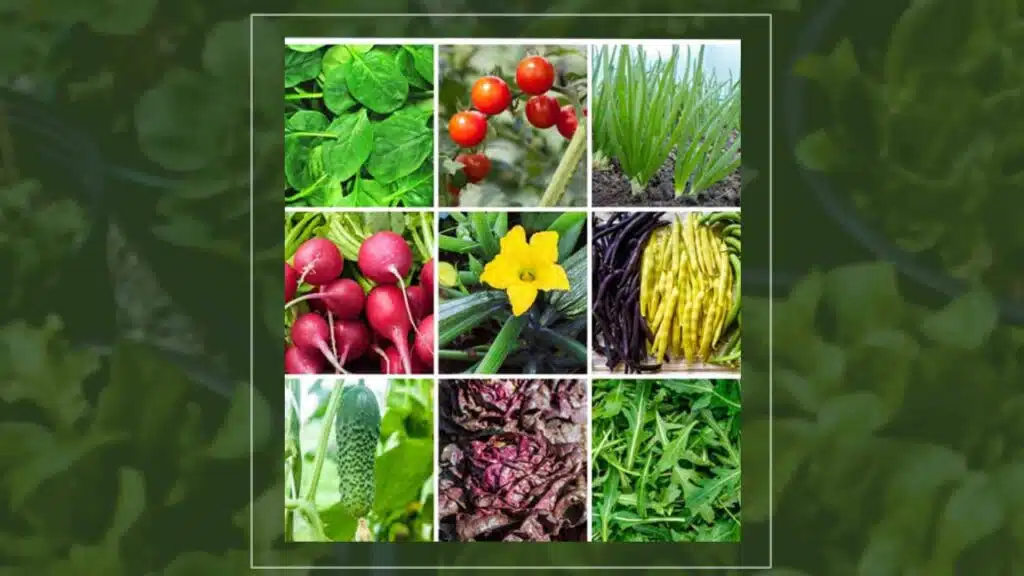
Urban gardening in containers offers many advantages for city dwellers. It lets you grow fresh food and bring nature into urban spaces.
Environmental Impact
Container gardening helps make cities greener. You can grow plants on balconies, rooftops, and small yards. This adds more plants to urban areas. More plants mean cleaner air. They catch dust and absorb CO2. Plants also cool the air around them.
Urban gardens reduce food miles. You grow food right where you live. This cuts down on transport and packaging. It’s good for the planet. You can also compost kitchen scraps for your containers. This reduces waste going to landfills.
Container gardens save water, too. You control exactly how much water your plants get. There’s less waste than in-ground gardens.
Health and Wellness
Growing your food has big health perks. You get the freshest veggies possible. They’re packed with nutrients. You know exactly what goes into growing them—no mystery chemicals.
Gardening is good exercise. It gets you moving and builds strength. It’s also great for mental health. Caring for plants reduces stress. It gives you a sense of purpose and achievement.
You learn new skills through urban gardening. It connects you to nature, even in the city. This boosts your mood and well-being. Sharing extra produce with neighbors builds community, too.
Container Gardening Basics
Container gardening lets you grow veggies in small spaces. You’ll need suitable pots, soil, and watering techniques to succeed.
Choosing the Right Containers
Pick containers at least 12 inches deep for most veggies. Bigger plants, like tomatoes, need 5-gallon pots. Make sure your containers have drainage holes.
Plastic pots are lightweight and retain moisture well. Clay pots look nice but dry out faster. Fabric grow bags are great for root veggies.
Consider self-watering containers to make watering easier. These have a water reservoir at the bottom.
Don’t forget to clean used pots before planting. This helps prevent diseases.
Soil and Fertilizer Selection
Use potting mix made for containers, not garden soil. It drains better and has more nutrients.
A good DIY mix:
- 1 part peat moss or coco coir
- 1 part compost
- 1 part perlite or vermiculite
Add slow-release fertilizer when planting. Follow package directions for the amount.
Feed plants with liquid fertilizer every 2-3 weeks during the growing season. Pick one made for veggies.
Test soil pH yearly—most veggies like slightly acidic soil (6.0-6.8 pH).
Watering Needs and Techniques
Container plants need more water than in-ground plants. Check the soil daily by sticking your finger 1 inch deep. Water if it feels dry.
Water slowly until it runs out the bottom holes. This helps flush out extra salts.
Water in the morning to reduce evaporation. Aim for the base of plants, not the leaves.
Use mulch on top of the soil to keep moisture in. Try straw or wood chips.
Set up a drip system or self-watering pots if you’re often away. These keep plants watered without you.
Tips for Successful Container Gardening
Growing veggies in containers can be easy and fun. Here are some essential tips to help your urban garden thrive.
Location and Sunlight Requirements
Pick the right spot for your containers. Most vegetables need 6-8 hours of direct sun daily. South-facing areas often work best. If you have less sun, try leafy greens or herbs.
Move pots if needed to catch more rays. Use light-colored containers to reflect heat. Avoid dark pots that can overheat roots.
Watch for signs of too much or too little sun. Yellow leaves may mean not enough light. Brown spots could show sunburn.
Pest and Disease Management
Check your plants often for bugs or sickness. Look under leaves and stems. Catch problems early before they spread.
Try these natural pest controls:
- Spray soapy water on aphids
- Pick off caterpillars by hand
- Use sticky traps for flies
Clean pots and tools to stop diseases. Don’t overwater, as wet soil can cause root rot. Give plants space for airflow.
If you see sick leaves, cut them off right away. Throw them in the trash, not compost.
Pruning and Maintenance
Trim your plants to keep them healthy. Cut off dead or yellow leaves. Pinch off the tips of herbs to make them bushy.
For tomatoes, remove “suckers”—the s shoots between main stems and branches. This helps the plant focus on making fruit.
Water deeply but not too often. Stick your finger in the soil – if it’s dry 2 inches down, it’s time to water.
Feed your plants every 2–4 weeks with liquid fertilizer. Follow the label for how much to use.
Harvest veggies often. This encourages more growth and keeps your plants producing.
Summary
Container gardening offers an excellent solution for city dwellers and those with limited space to grow fresh, homegrown vegetables. With the proper containers, soil, and care, various vegetables can thrive on balconies, patios, and windowsills.
From cherry tomatoes to spinach and herbs, many plants are well-suited for container gardening, providing a continuous supply of fresh produce right at your doorstep.
Additionally, container gardening helps improve urban environments, promotes health and wellness, and offers a rewarding way to connect with nature, even in the city’s heart.
You can successfully grow a vibrant and productive container garden by following essential tips like selecting the right location, managing pests, and maintaining proper watering and pruning.