

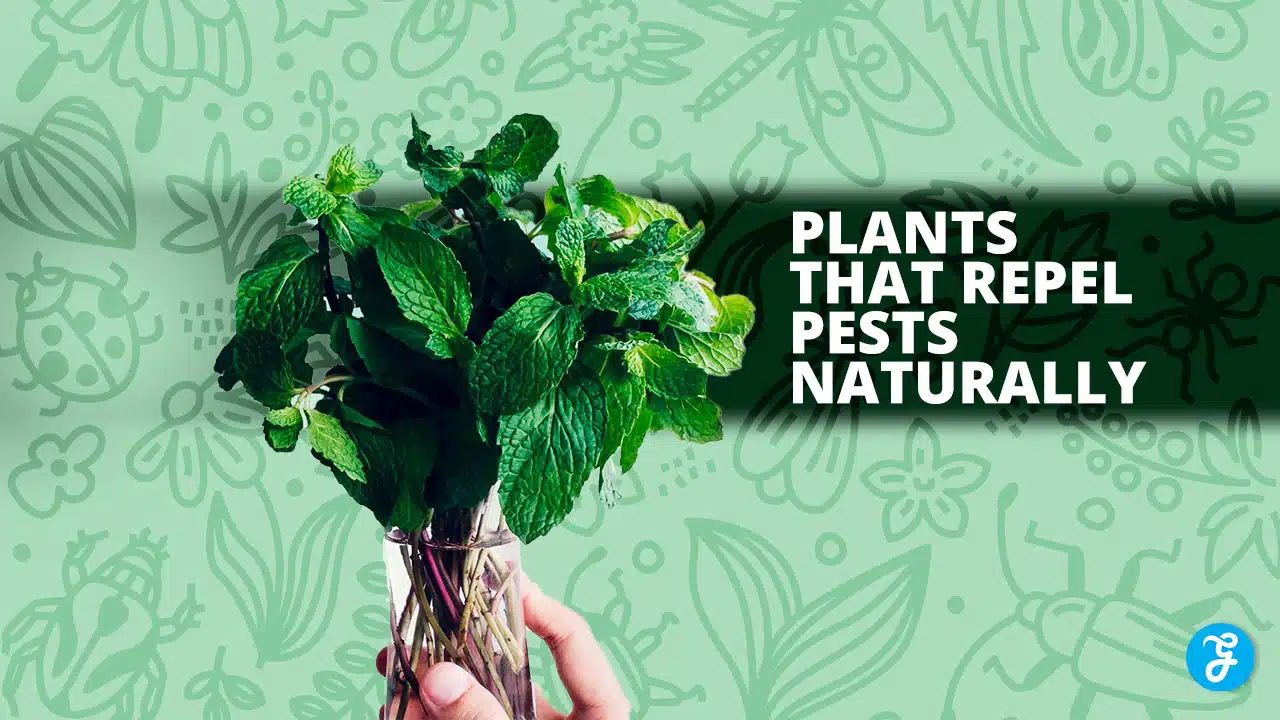
As summer approaches in Pennsylvania, many residents eagerly anticipate the warm weather, outdoor activities, and backyard barbecues. However, this enjoyable season also brings the challenge of pest control.
While professional lawn care services can effectively combat mosquitoes, ticks, rodents, and other pests, incorporating certain plants and herbs into your garden can provide a natural and aesthetically pleasing solution.
Here are the top 10 plants that repel pests and how they can enhance your outdoor living space this season.
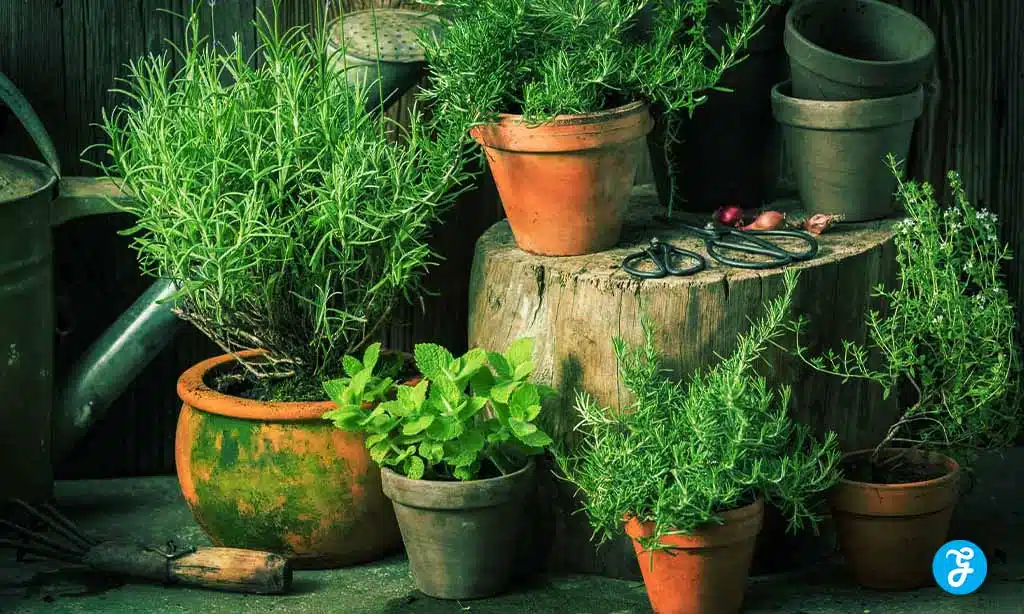
1. Citronella Grass
Citronella grass is renowned for repelling mosquitoes, so its oil is a common ingredient in mosquito repellents like candles, garden torches, and sprays. This tall, tropical grass emits a strong scent that mosquitoes find unappealing.
Planting citronella grass around your patio, under windows, or near doors can help keep mosquitoes and other flying insects away from your home. The plant thrives in well-drained soil and requires full sunlight, making it ideal for sunny spots in your garden.
Citronella grass can grow up to six feet tall, adding a decorative element to your landscape while providing natural pest control. Moreover, its lush, green appearance can complement other garden plants, creating a visually appealing and functional garden space.
2. Lemongrass
Lemongrass, closely related to citronella grass, is another effective natural mosquito repellent. Containing citronella oil, this decorative grass thrives in warm climates and can grow up to four feet tall in one season. Lemongrass deters mosquitoes and serves as a versatile culinary herb, adding a zesty flavor to various dishes. It grows best in well-drained soil and requires full sunlight.
Planting lemongrass in pots on your patio or garden can create a barrier against pests while enhancing your outdoor space with its tall, graceful appearance. Its aromatic properties make it a dual-purpose plant, useful for cooking and keeping pests at bay.
Furthermore, lemongrass can be harvested and used fresh or dried for teas, soups, and stir-fries, making it a valuable addition to your herb garden.
3. Marigolds
Marigolds are vibrant flowers that brighten your garden and help repel mosquitoes, plant lice, aphids, and rabbits. The strong scent of marigolds makes them effective at deterring these pests. They are easy to grow, require plenty of sunlight, and thrive in flower beds or planters.
Farmers have used marigolds for years to protect crops naturally, making them a valuable addition to any garden. These hardy annuals can also attract beneficial insects like ladybugs and hoverflies, which prey on common garden pests, thereby supporting a healthy ecosystem in your garden.
In addition to their pest-repelling properties, marigolds come in various colors and sizes, allowing you to create a visually stunning and diverse garden. Their bright blooms can be a natural border around vegetable gardens, providing protection and aesthetic appeal.
4. Chrysanthemums
Chrysanthemums, also known as mums, are beautiful and powerful pest repellents. They contain a natural compound called pyrethrum, which can repel many insects, including roaches, ants, beetles, ticks, lice, fleas, and mites.
This compound is often used in commercial insecticides. Planting chrysanthemums in your garden can help keep these pests at bay while adding colorful blooms to your landscape. They thrive in well-drained soil and require full sunlight to bloom profusely.
Additionally, chrysanthemums can be grown in pots and placed strategically around your home to provide targeted pest control. These flowers not only enhance the beauty of your garden but also contribute to a healthier environment by reducing the need for chemical pesticides.
Chrysanthemums are known for their long-lasting blooms, providing continuous color and pest protection throughout the growing season.
5. Petunias
Petunias are bright, colorful flowers that can help protect your vegetable garden by repelling aphids, tomato worms, squash bugs, and certain types of beetles. They emit a light licorice scent that some insects detest.
While petunias effectively repel many pests, they can attract caterpillars and slugs. Planting petunias in hanging baskets or flower beds can add beauty to your garden while serving as a natural pest deterrent.
These annuals thrive in full sun and well-drained soil, blooming profusely throughout the summer with minimal care. Their wide range of colors and patterns can enhance any garden design, making them popular for gardeners looking to combine functionality with aesthetics.
Additionally, petunias can act as a trap crop for certain pests, drawing them away from more valuable plants and helping to protect your garden as a whole.
6. Mint
Mint is an aromatic herb that is great for repelling mosquitoes. However, mint grows and spreads quickly, so it’s best planted in pots to prevent it from taking over your garden. Place the potted mint around your patio or deck to create a barrier against mosquitoes.
Besides its pest-repelling properties, mint can be used as a garnish for iced tea and various summer dishes, making it a practical addition to your garden. Mint prefers partial shade and moist soil, and regular harvesting of its leaves can help keep the plant in check.
Its refreshing scent and versatile culinary uses make mint a favorite among gardeners. Additionally, mint can be dried and stored throughout the year, providing a constant supply of fresh, natural mosquito repellent.
7. Basil
Basil is another aromatic herb that mosquitoes and flies dislike. Adding basil to your garden helps keep these insects away and provides fresh leaves for your culinary creations, such as pesto, marinades, and sauces.
Basil thrives in pots and requires plenty of sunlight and well-drained soil. Its dual role as a pest repellent and a flavorful herb makes basil a valuable plant for any garden. Regular pinching of the leaves encourages bushier growth and prevents the plant from flowering, ensuring a continuous supply of fresh basil throughout the growing season.
Basil’s vibrant green leaves and fragrant aroma can enhance any garden space, while its pest-repelling properties make it a practical choice for gardeners looking to protect their plants naturally.
8. Lavender
Lavender, part of the mint family, has been used for centuries as a natural perfume for homes and linens. While most people appreciate the soothing scent of lavender, many insects, including moths, fleas, flies, and mosquitoes, find it repulsive.
Planting lavender in sunny spots around your garden or deck can help keep these pests at bay. Additionally, lavender can be used in various home remedies, from skin treatments to stress relief, making it a versatile plant to grow.
Lavender thrives in well-drained soil and full sunlight, and its beautiful purple blooms add a touch of elegance to any garden. Lavender can also be harvested and dried in sachets, essential oils, and culinary applications, providing various benefits beyond pest control.
9. Chives
Chives are a delicious addition to many dishes and are effective at repelling aphids, certain beetles, and flies. Planting chives in your herb garden can help protect your vegetables from these pests.
They are easy to grow and require minimal maintenance, making them a practical choice for gardeners looking to deter insects naturally. Chives thrive in full sun and well-drained soil, and their purple flowers attract beneficial insects like bees and butterflies, further enhancing the biodiversity of your garden.
Chives can be harvested regularly for cooking, and their mild onion-like flavor makes them a versatile addition to various dishes. Their compact growth habit is also suitable for small gardens or container planting.
10. Rosemary
The strong scent of rosemary can naturally drive flies and mosquitoes away from your property. This herb thrives in hot, dry weather and can be grown in pots or the garden bed. Rosemary is an effective pest repellent and a beautiful flowering bush that can be used in a wide variety of recipes.
Its aromatic leaves can enhance the flavor of meats, vegetables, and bread, making rosemary a valuable addition to your garden. Rosemary prefers well-drained soil and full sunlight, and its evergreen foliage provides year-round interest in the garden.
Additionally, rosemary’s sturdy growth and resilience make it a low-maintenance plant that can thrive in various garden conditions.
Conclusion
Incorporating these pest-repelling plants into your garden can help you enjoy a more pleasant summer outdoor experience. Not only do these plants offer natural solutions to pest control, but they also add beauty and variety to your landscape.
By choosing plants like citronella grass, lemongrass, marigolds, chrysanthemums, petunias, mint, basil, lavender, chives, and rosemary, you can create a functional and aesthetically pleasing garden. Embrace these natural pest deterrents and enjoy your time outdoors without the hassle of unwanted insects.
Whether hosting a barbecue, relaxing on your patio, or tending to your garden, these plants will help ensure a pest-free and enjoyable summer. By incorporating these natural pest repellents into your garden, you contribute to a healthier, more sustainable environment while enhancing the beauty and functionality of your outdoor space.





















