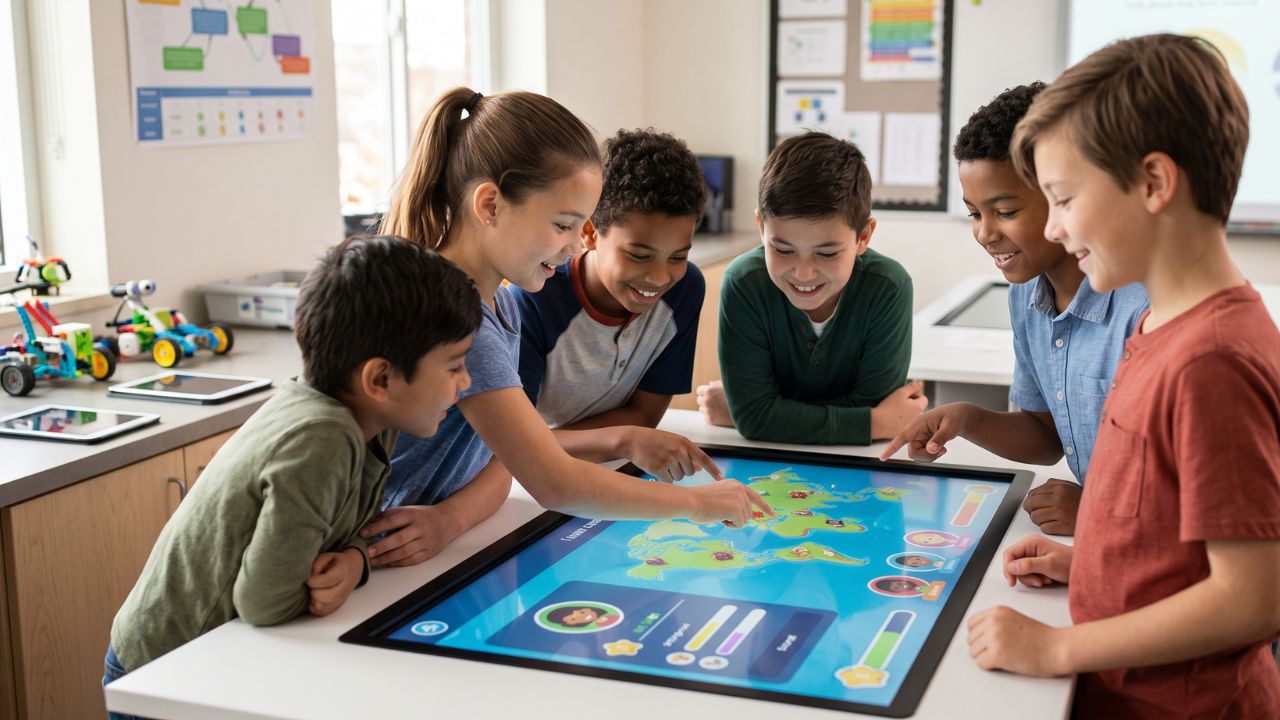
If you’ve ever tried to compete with a smartphone or a tablet for a student’s attention, you know that standard worksheets and quiet reading time just don’t cut it anymore. I’ve spent years working in education and educational technology, and I’ve seen how quickly a child’s eyes glaze over when they are bored, and how they completely light up when they are engaged in a game.
Gamification in education has moved way past handing out digital stickers. Today, the best gamified learning platforms use behavioral psychology, resource management, and immersive storytelling to get kids genuinely invested in their learning. The goal isn’t just to make learning “fun”, it is to lower the fear of failure, encourage risk-taking, and build long-term motivation.
Whether you are teaching high schoolers or helping your toddler hold a pencil for the first time, here is a breakdown of 10 gamified learning platforms that are actively shaping modern education, along with the specific reasons why they actually work.
1. Gimkit
- Core Mechanic: Quiz-based gameplay tied to a virtual economy.
- Best For: Sustained engagement and strategic review for older students.
- Why It Works: Created by a high school student who knew exactly what his peers wanted, Gimkit shifts the focus from simply racing the clock to resource management. Students earn in-game cash for correct answers, which they can reinvest in power-ups. Because they need currency to succeed, they are motivated to maintain focus over longer sessions.
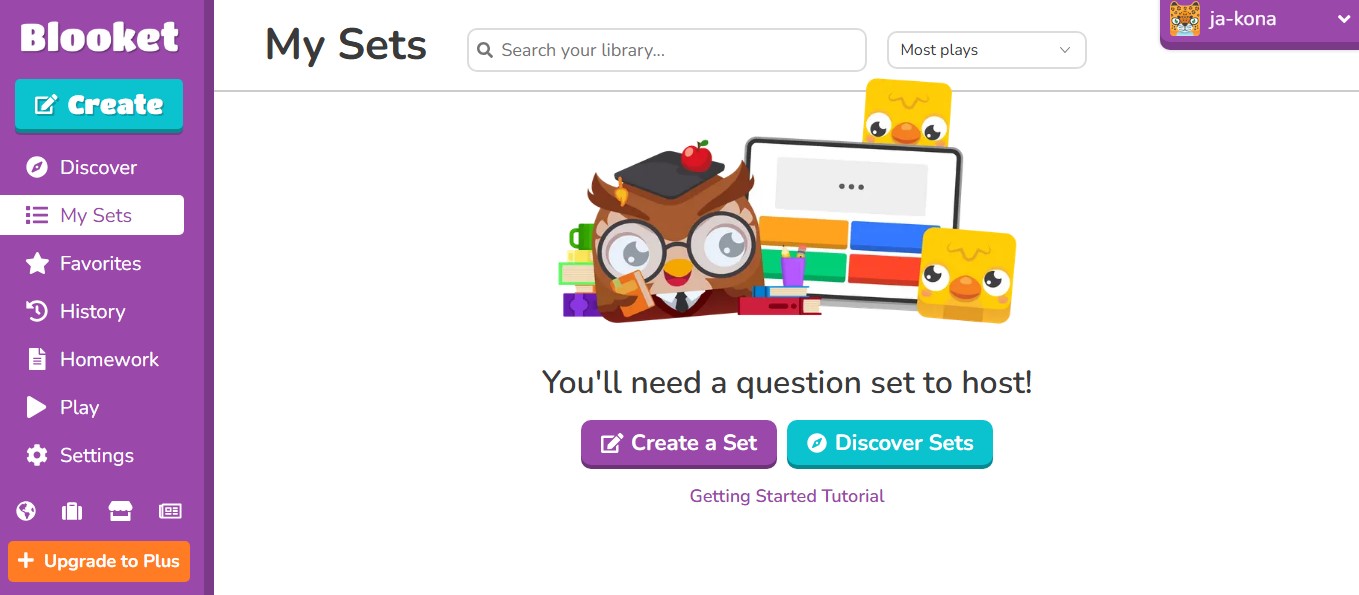
2. Blooket
- Core Mechanic: Embeds educational questions into highly distinct, replayable arcade-style game modes (like Tower Defense or Gold Quest).
- Best For: Preventing format fatigue during independent practice.
- Why It Works: Blooket solves the problem of students getting bored with the same quiz format. By constantly changing the game mechanics while keeping the academic content consistent, it makes repetitive practice highly replayable. Students are often too busy defending their virtual base to realize how many math or vocabulary problems they just solved.
3. Kahoot!
- Core Mechanic: Time-based competitive quizzes with live classroom leaderboards.
- Best For: High-energy live review sessions and formative assessments.
- Why It Works: Kahoot! is the undisputed master of social and competitive dynamics. By turning a standard quiz into a shared classroom event with catchy music and a colorful interface, it builds a positive association with testing. It completely changes the energy in a room.
4. ClassMana
- Core Mechanic: A full 3D role-playing game (RPG) layer applied to the classroom ecosystem.
- Best For: Classroom management, team building, and long-term behavioral progression.
- Why It Works: When the popular platform Classcraft shut down its teacher portal, educators scrambled for an alternative. ClassMana stepped up as the spiritual successor. It gives students fully animated 3D avatars and experience points tied to real classroom behavior. It gamifies soft skills like collaboration and persistence, turning the entire school year into a cooperative quest.
5. Quizizz
- Core Mechanic: Student-paced quizzes with interactive lessons and meme-based feedback.
- Best For: Asynchronous learning, homework assignments, and accessible testing.
- Why It Works: Unlike live-only competitive platforms, Quizizz removes the pressure of a ticking classroom clock. Students progress at their own speed. This reading app makes it far more accessible for students with reading difficulties or slower processing speeds, reducing test anxiety.
6. Prodigy Math
- Core Mechanic: A sprawling fantasy RPG where students must correctly answer math questions to cast spells and battle monsters.
- Best For: Elementary and early middle school math practice.
- Why It Works: The core game loop is so compelling that I regularly see students logging into Prodigy voluntarily on the weekends. It massively increases the “time-on-task” for foundational math skills by seamlessly hiding the academic work behind a genuinely entertaining video game interface.
7. Minecraft Education Edition
- Core Mechanic: Open-world sandbox building, resource gathering, and collaborative problem-solving.
- Best For: Project-based learning, STEM concepts, and historical recreations.
- Why It Works: Minecraft excels at fostering intrinsic motivation. Instead of working for points or grades, students gain a sense of purpose by contributing to open-ended group efforts. Whether they are building a scale model of a historical city or learning block-based coding, they develop spatial reasoning without feeling like they are doing schoolwork.
8. Duolingo
- Core Mechanic: Bite-sized lessons, daily streaks, and achievement badges.
- Best For: Language learning and daily habit building.
- Why It Works: Duolingo is a masterclass in habit formation. It breaks down a massive, intimidating goal into micro-tasks. By leveraging the psychology of the “daily streak,” it lowers the barrier to entry and encourages consistency.
9. Alphabet Magic Trace & Phonics
- Core Mechanic: Interactive letter tracing, phonics mini-games, and ad-free exploration.
- Best For: Toddlers, preschoolers, and early learners mastering literacy and fine motor skills.
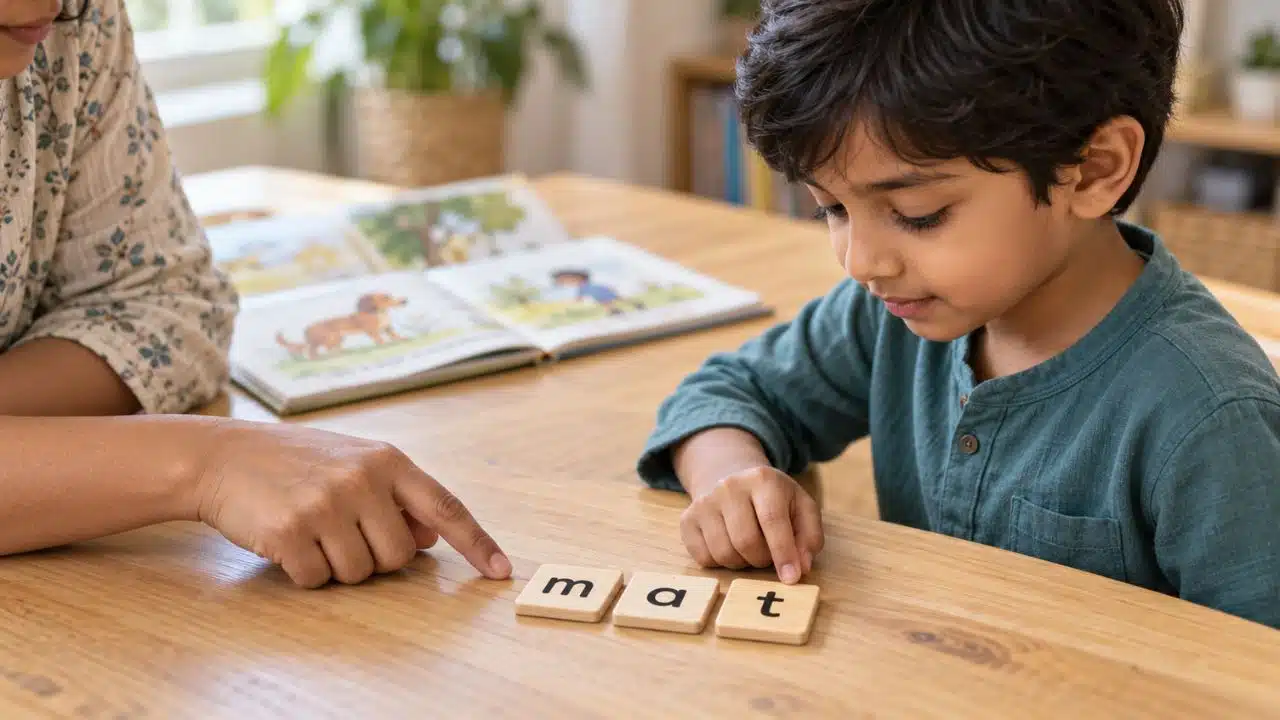
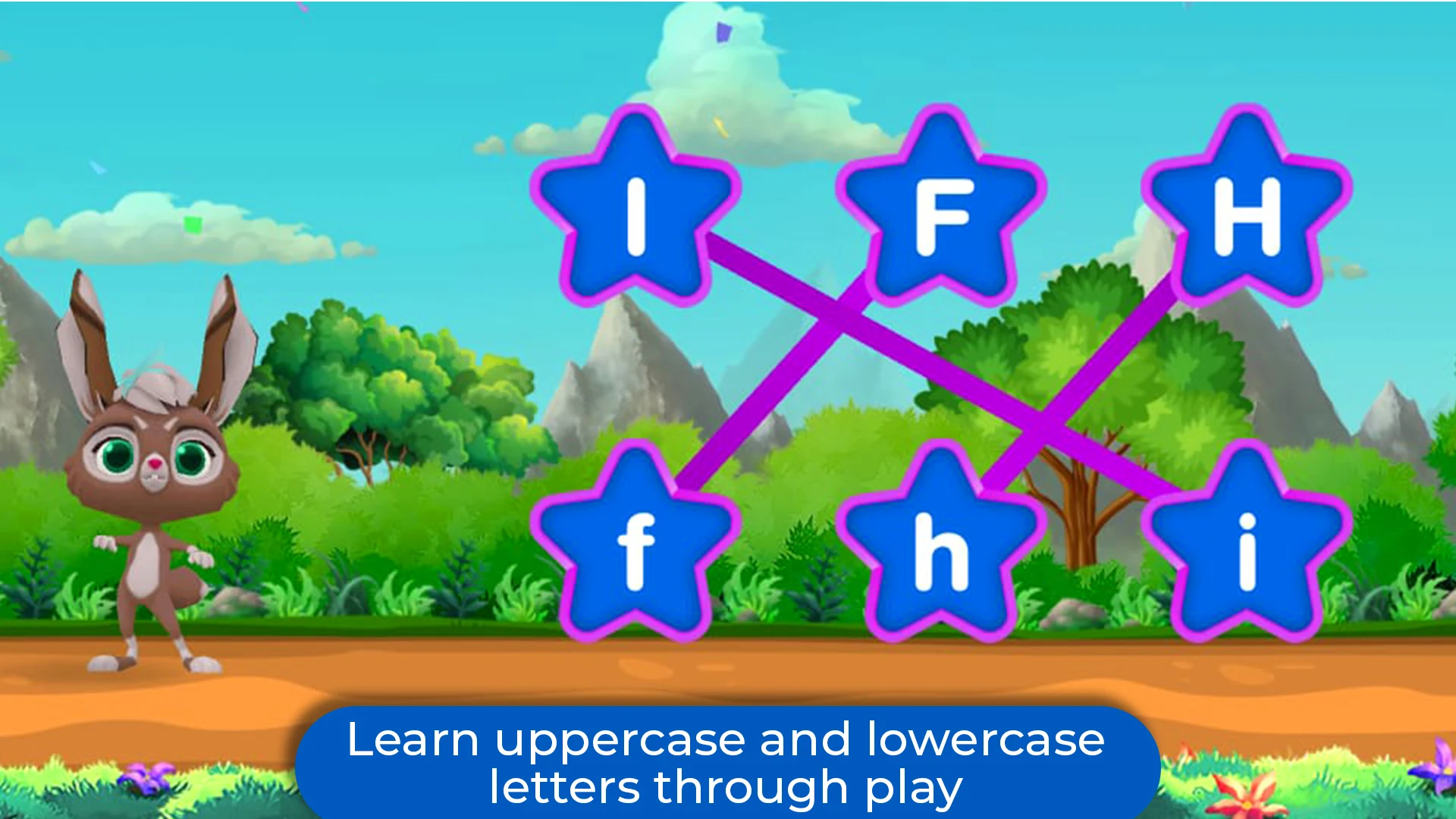
- Why It Works: I have to include our own creation here, because we built it specifically to solve early childhood engagement. We noticed toddlers get easily frustrated with traditional tracing methods. So, we designed Alphabet Magic Trace & Phonics to turn handwriting ancd letter recognition into an adventure. Through mini-games like Star Match and Ocean Adventure, kids trace uppercase and lowercase letters with guided paths and colorful animations. It works beautifully because it removes the pressure of “getting it right” and replaces it with sensory-rich play, all in a completely ad-free, offline-safe environment.
10. Quizlet
- Core Mechanic: Flashcards gamified through spaced repetition and collaborative team-based games.
- Best For: Vocabulary acquisition and independent study.
- Why It Works: Quizlet makes independent study habits visible and quantifiable. By utilizing progress trackers and interactive matching games, it turns solitary memorization into a tangible progression system.
The Shift From Points to Purpose
At the end of the day, the real power of gamified learning isn’t found in the flashing lights, virtual coins, or digital badges. Those are just the hooks we use to get them in the door.
The true value lies in bridging the gap between extrinsic rewards and intrinsic motivation. Whether a high schooler is managing a virtual economy in Gimkit or a toddler is tracing their very first letter in Alphabet Magic, the journey is the same. They might show up for the fun, but they stay because they realize they are actually getting smarter, faster, and more capable. By making the learning process visible, engaging, and safe to fail, we help students discover that mastering a new skill is its own kind of reward.
Frequently Asked Questions About Gamified Learning Platforms
1. Does gamification actually improve grades, or is it just a distraction?
From my experience, when used intentionally, it drastically improves outcomes. Gamification lowers the “affective filter”, the anxiety and fear of failure that blocks learning. Because these platforms frame mistakes as part of a game rather than a permanent academic failure, students are more willing to take risks, practice repeatedly, and ultimately master the material.
2. How do I prevent students from just focusing on the game instead of the content?
The trick is alignment. If the game mechanic is totally disconnected from the learning objective, it becomes a distraction. Platforms like Prodigy, Gimkit, and our own Alphabet Magic solve this by requiring students to answer academic questions or trace correctly in order to progress in the game. If they don’t engage with the educational content, they simply can’t play.
3. What about early learners? Is gamification safe for toddlers and preschoolers?
Absolutely, but the approach must be different. For the youngest learners, you want to avoid high-stress countdown timers and public leaderboards. Instead, gamification should focus on positive reinforcement, sensory feedback, and gentle guidance. That was our entire philosophy when developing Alphabet Magic Trace & Phonics, keeping the environment safe, ad-free, and purely focused on discovery rather than competition.
4. Are these platforms safe regarding student data privacy?
Yes, most major educational platforms are strictly compliant with data privacy laws like COPPA and FERPA. Many of the newer tools for older students are designed with “privacy-first” models using game codes. For apps geared toward early childhood, always look for tools that don’t collect personal data and can run offline.
5. Which platform is best for introverted students who dislike public leaderboards?
Quizizz and Quizlet are excellent for older introverted students because they allow for self-paced learning where the focus is on personal accuracy rather than beating the rest of the room. Sandbox environments like Minecraft Education are also fantastic, as they let quiet students contribute meaningfully to a team without having a spotlight placed directly on them.