Hey there, are you tired of spending tons of money on clothes that fall apart after just a few wears? Did you know that fast fashion pushes us to treat clothing as disposable, often tossing items after barely using them? Well, in this post, I’m gonna show you easy ways to build a sustainable wardrobe without draining your wallet.
Stick around, you’ll love this!
Key Takeaways
- Begin by organizing your closet into cherished and unworn clothes to create a sustainable wardrobe.
- Mend clothes with simple sewing to prolong their use and reduce waste, saving money.
- Explore thrift stores like Goodwill or browse online at Poshmark to discover affordable, eco-friendly fashion.
- Exchange clothes with friends using platforms like OpenWardrobe for cost-free wardrobe refreshes.
- Keep in mind, 21 billion tons of textiles end up in landfills each year, so purchase fewer items and prioritize quality.
Assess What You Already Own
Let’s take a close look at your closet today. Building a sustainable wardrobe starts right there with what you’ve got.
- First, go through your clothes and sort them out, creating two piles: one for items you love and wear often, and another for stuff you haven’t touched in ages. This simple division helps you see what’s truly working for you in your eco-friendly wardrobe journey. It’s like evaluating your treasures and identifying what’s just sitting unused.
- Next, grab a tool like OpenWardrobe to catalog your items. This useful app lets you list your clothing and keep track of what you need, so you avoid buying duplicates and stay within budget-friendly fashion. Think of it as a personal guide for your sustainable fashion goals.
- Now, confront the reality of those unworn pieces in your collection. If you’ve got shirts or jeans sitting idle, ask why they’re being overlooked, because the average garment is worn 36% less than it was 15 years ago. This statistic reveals how fast fashion encourages us to neglect what we own, so let’s challenge that trend together.
- Then, consider the impact of discarding clothes you no longer want. Did you know 21 billion tons of textiles end up in landfills every year? That’s a massive amount of waste we can reduce by keeping, repairing, or donating items instead of contributing to the environmental footprint of the fashion industry.
- Lastly, use this evaluation to reshape your habits with slow fashion in focus. Examine each sweater or pair of pants and determine if they suit your life, because prioritizing quality over quantity counts. This step prepares you to create a wardrobe that endures and reduces reliance on disposable fashion for good.
Repair and Mend Your Clothes
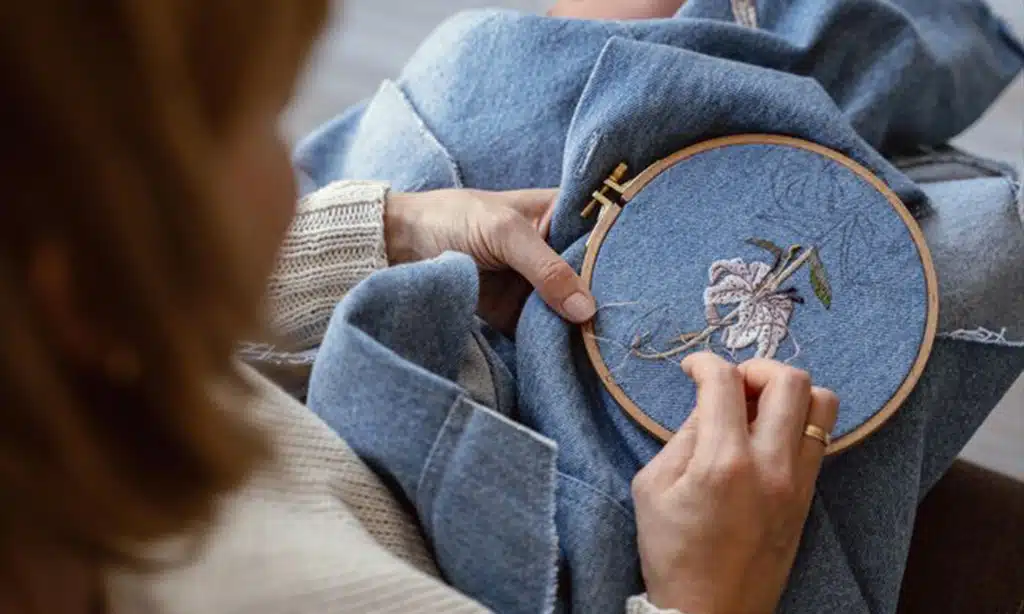
Hey there, let’s talk about fixing up your clothes. Keeping your wardrobe sustainable starts with a little care and effort.
- Grab a needle and thread to patch up those worn-out spots in your favorite jumper. Learning basic sewing skills, like stitching a button or hemming a pant leg, can make a huge difference in extending your clothing lifecycle. It’s like giving your outfit a second chance at life, and it saves you from tossing stuff out too soon.
- Don’t ditch damaged gear right away, okay? Fix those small tears or loose seams instead of adding to the fast fashion pile. This habit cuts down on waste and keeps your eco-friendly wardrobe thriving without costing much.
- Turn old, broken threads into something handy if they’re beyond repair. Repurpose those irreparable shirts or pants as cleaning rags for your home. It’s a neat trick to keep things out of the landfill and fight the disposable fashion trend.
- Think about the planet while you mend, folks. Washing less often means fewer microfibres sneak into our water, causing microplastic pollution. Repairing helps you reduce laundry trips, which lowers your carbon footprint and eases the environmental impact of the fashion industry.
- Get crafty with mending to boost slow fashion vibes. A quick stitch here or there can refresh your look and show off your stand against throwaway trends. Plus, it’s super satisfying to wear something you’ve fixed with your own hands.
Shop Second-Hand and Thrift Stores
Let’s talk about a smart way to build your sustainable wardrobe. Shopping second-hand at thrift stores can save money and help the planet!
- Head to local spots like Goodwill and Salvation Army to hunt for deals on vintage clothing. These places are gold mines for budget-friendly fashion, often packed with hidden gems waiting for you. You might snag a cool jacket or a classic pair of jeans for just a few bucks, all while supporting circular fashion.
- Check out online platforms like Poshmark and thredUP for even more options. These sites let you shop thrift styles from your couch, making it super easy to find sustainable fashion pieces. Browse through tons of listings to score pre-loved items that match your vibe.
- Know that thrifting cuts down on waste big time. With 21 billion tons of textiles hitting landfills each year, every purchase you make second-hand keeps clothes in the clothing lifecycle longer. It’s a small step with a huge impact on the environment.
- Feel good about supporting a circular fashion model through thrift shopping. When you buy used, you’re saying no to fast fashion and yes to slow fashion. It’s like giving clothes a second chance at life, and who doesn’t love a good comeback story?
- Save cash while building an eco-friendly wardrobe with these finds. Thrift stores often price items way lower than retail, so you can refresh your closet without draining your wallet. Think of it as a win-win for you and the planet.
Organize Clothing Swaps with Friends
Hey there, want to refresh your look without spending a dime? Clothing swaps are a fantastic way to build a sustainable wardrobe on a budget!
- First off, gather your pals for a fun day of exchanging outfits. Think of it as a treasure hunt, where you trade pieces you no longer wear for something fresh from a friend’s closet. This is a prime example of circular fashion, keeping clothes in use longer. Plus, as stated, you can exchange clothing with friends to update your wardrobe at no cost.
- Next up, set some ground rules to keep things fair. Decide if everyone brings a set number of items, like five or ten, to swap. This ensures nobody feels left out. It’s a simple step for budget-friendly fashion while reducing fast fashion waste.
- Also, pick a cozy spot, maybe your living room or a backyard. Create a vibe with snacks and music to make it a blast. Sharing clothes with friends and family, as pointed out, offers cost-effective, sustainable styling. It’s like a party with benefits for your eco-friendly wardrobe.
- Then, try out tools like OpenWardrobe to add to the fun. This app lets you borrow and lend clothes collaboratively with ease. It’s a clever way to track who has what and keep the swaps going. Explore this for a modern spin on thrift shopping vibes.
- Finally, snap pics of your new finds to share the joy. Post them online or just text your crew to show off your haul. These swaps, as mentioned, let you update wardrobes without financial expense. You’re not just saving cash; you’re embracing slow fashion over disposable trends.
Consider Renting Clothes for Special Occasions
Got a big event coming up, folks? Think about renting designer outfits instead of splurging on something you’ll wear just once. It’s a smart move for a sustainable wardrobe, saving you cash and closet space.
Platforms like Rent the Runway offer memberships to grab stunning party dresses or fancy suits without the hefty price tag. This works best for items worn rarely, like those glitzy gowns for weddings or galas.
Renting also cuts down on waste in a big way. Did you know 21 billion tons of textiles hit landfills every year? By choosing clothing rental, you’re dodging the trap of disposable fashion.
Plus, it’s a fun way to try high-end looks without committing. So, next time you need a standout outfit for a special occasion, give renting a shot and feel good about your eco-friendly wardrobe choice.
Invest in High-Quality Basics
Investing in high-quality basics can transform your wardrobe, folks. Think about sturdy t-shirts, reliable jeans, and cozy sweaters that last for years. These pieces, made from durable stuff like cotton, wool, and linen, stand up to wear and tear.
Go for timeless styles over flashy trends, and you’ll get more bang for your buck. They mix and match with ease, keeping your eco-friendly wardrobe versatile.
Now, slow fashion might hit your wallet harder at first, no doubt. Yet, it saves cash over time by cutting down on constant shopping sprees. Skip the disposable fashion trap, and pick quality over quantity every chance you get.
Your sustainable wardrobe will thank you, and so will your bank account, trust me on this.
Choose Sustainable and Ethical Brands
Picking the right brands can make a huge difference in building a sustainable wardrobe. Go for companies that focus on eco-friendly practices, like using sustainable materials and cutting down on textile waste.
Look at names like Patagonia, Everlane, and Reformation. They work hard to manage water use and keep their environmental footprint small. Plus, they treat their workers fairly and often share clear details about their shipping methods.
Steer clear of tricks, though. Some brands play up greenwashing, pretending to care about the planet while doing little to help. Dig into their real efforts before you buy. Stick with ethical fashion leaders like Eileen Fisher or Amour Vert.
They respect animal rights and push for high-quality clothing over fast fashion junk. Choosing slow fashion with brands like Cuyana or Sword & Plough means your closet lasts longer and does good for the world.
Wash and Care for Your Clothes Responsibly
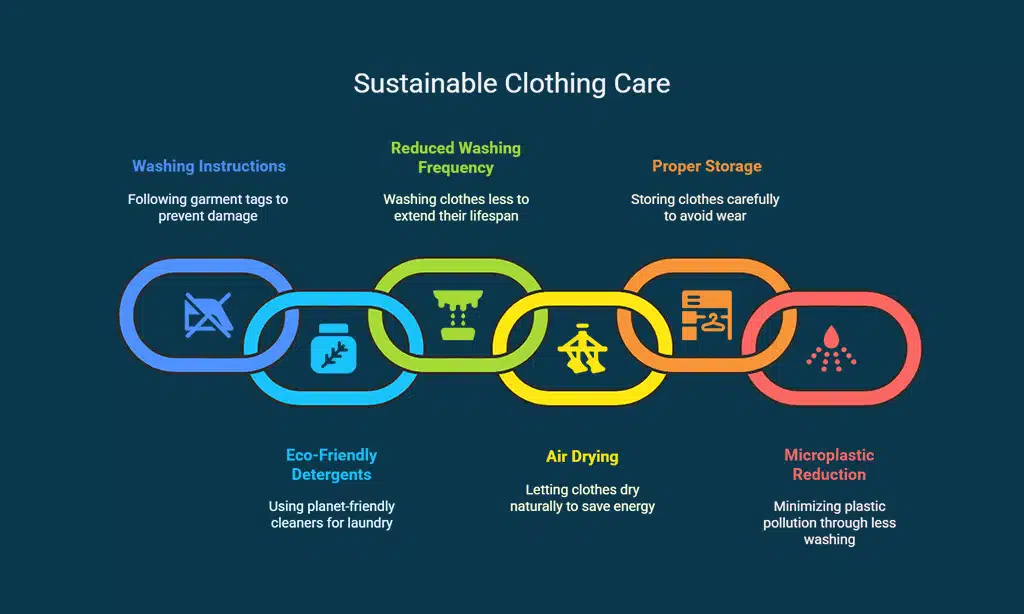
Hey there, let’s talk about keeping your clothes in tip-top shape. Caring for your wardrobe the right way can make a big difference in building a sustainable wardrobe without draining your wallet.
- First off, always check the washing instructions on your garment tags. Those little labels aren’t just for show; they tell you how to avoid shrinking or fading your favorite shirt. Stick to the guidelines, and you’ll keep your pieces looking fresh for longer.
- Grab some eco-friendly detergents for your laundry routine. These cleaners are kinder to the planet and help cut down on harmful chemicals sneaking into our water. It’s a small switch that packs a punch for sustainable fashion.
- Try to wash your clothes less often, if you can. Frequent washing wears out fabric fast and releases microplastics into water bodies, polluting rivers and oceans. Air out your outfit after wearing, or spot-clean stains to stretch the clothing lifecycle.
- When it’s time to dry, skip the machine and let nature do the job. Air drying prevents damage from heat and saves energy, making it a win for your eco-friendly wardrobe. Just hang your stuff on a line or rack, and you’re golden.
- Store your garments with care to dodge unnecessary wear and tear. Fold sweaters instead of hanging to avoid stretching, and keep delicate items away from rough surfaces. Proper storage is a key trick in clothing care that saves you cash on replacements.
- Lastly, be mindful that every wash sends tiny bits of plastic into our waterways. Reducing how often you toss stuff in the washer helps minimize microplastic pollution. It’s a simple step toward slow fashion that keeps our planet smiling.
Embrace Minimalism and Buy Less
Let’s chat about keeping things simple with your wardrobe, folks. Embracing minimalism means cutting back on buying clothes you don’t need. Think of it as trimming the fat, focusing only on what truly fits your style.
Did you know the average garment is worn 36% less than it was 15 years ago? That’s a crazy drop, showing how we’re caught in fast fashion’s trap.
Opt for quality over quantity, and say no to disposable fashion. Imagine a closet with just a few classic, flattering pieces for any event. It’s not hard, and it saves cash while helping the planet.
Plus, with 21 billion tons of textiles hitting landfills yearly, buying less is a solid way to fight waste. Stick to slow fashion, and watch your eco-friendly wardrobe grow without clutter!
Takeaways
Hey there, building a sustainable wardrobe is absolutely achievable, even on a tight budget! Think of it as an exciting treasure hunt, discovering gems in thrift stores or swapping with pals.
You’re saving cash and helping the planet, one outfit at a time. So, start repairing those old jeans or choosing timeless pieces. Stay committed, and watch your closet transform into an eco-friendly haven!
FAQs
1. What’s the first step to building a sustainable wardrobe on a budget?
Hey, let’s kick off with a simple move toward sustainable fashion. Dive into thrift stores or try thrift shopping for vintage clothing that’s got character and a smaller footprint than fast fashion.
2. How can I dodge the trap of disposable fashion without spending a fortune?
Listen up, it’s all about slow fashion and picking quality over quantity. Steer clear of fleeting trends, and hunt for durable pieces from ethical brands or secondhand shops that won’t bust your wallet.
3. Are there cool ways to embrace an eco-friendly wardrobe without buying new stuff?
You bet! Consider clothing rental for special events to cut down on waste, or get handy with clothing repair to extend the clothing lifecycle of what you already own. Plus, swapping duds with pals is a fun twist on circular fashion.
4. Why should I care about sustainable materials when shopping for clothes?
Well, my friend, choosing sustainable materials is like giving Mother Earth a high-five. It cuts the harm done by fast fashion and supports ethical fashion that lasts longer in your closet.
5. How does clothing care tie into budget-friendly fashion and sustainability?
Taking good care of your gear is a game-changer, trust me. Wash gently, mend tears, and store right to keep your sustainable wardrobe fresh, saving you cash in the long run. This habit also vibes with sustainable brands and the whole slow fashion mindset.