

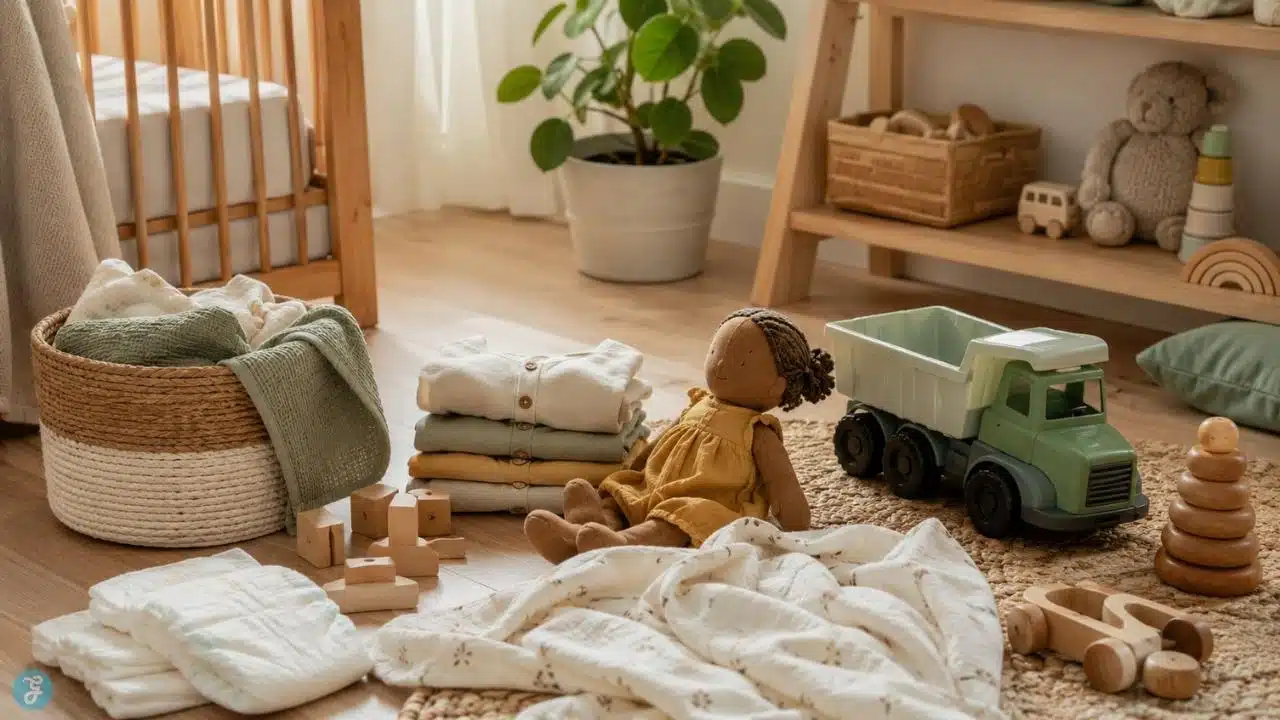
Finding sustainable childrens brands is harder than it should be. Parents are already overwhelmed. One minute, you are buying a sleepsuit because the baby outgrew everything overnight. The next minute, you are choosing toys, diapers, school clothes, bottles, blankets, furniture, lunch boxes, and birthday gifts. Then every brand claims to be safe, natural, eco-friendly, non-toxic, organic, ethical, or better for the planet.
That sounds comforting until you try to check the details. Some brands use real certifications. Some use better materials. Some build products to last through more than one child. Others simply use beige colors, wood textures, and soft parenting language without much proof. This is where parents need a practical filter.
Children’s products should be judged carefully because kids use them hard and outgrow them fast. A baby’s onesie may last only a few months. A toy may be loved for years or forgotten in a week. A crib can be passed down or dumped after one child. A diaper may be used once and thrown away within hours.
This list reviews nine eco kids brands across toys, clothing, baby essentials, diapers, nursery furniture, and kids’ fashion. Each one has a clearer reason to be here than a green-looking website.
How I Chose These Sustainable Children’s Brands
This list is not based on cute packaging or influencer popularity. A brand had to show real signs of stronger responsibility. That could mean certified organic cotton, recycled materials, reclaimed wood, safer textile standards, fairer manufacturing, long product life, repair or hand-me-down value, or credible public sustainability information.
I also looked at practical usefulness. Parents do not need a perfect eco boutique list. They need brands that solve real family problems: toys that last, clothes that wash well, diapers with stronger certification signals, furniture that can be handed down, and baby essentials made with better materials.
The review focused on:
- Material quality
- Certifications or third-party standards
- Durability and hand-me-down value
- Practical fit for daily family life
- Product safety signals
- Waste reduction
- Price and access
- Real limitations before buying
That last point matters. A sustainable baby product is not automatically the right buy. It still needs to fit your child, your budget, your space, and your routine.
1. Green Toys
Green Toys is one of the easiest sustainable children’s brands to understand because its core idea is simple: make toys from recycled materials.
The brand is known for trucks, boats, tea sets, building toys, bath toys, pretend-play sets, and outdoor toys made from recycled plastic. The products are sturdy, colorful, and designed for real play rather than display-shelf parenting.
This matters because kids can be rough on toys. A toy that lasts through drops, bath time, sand, mud, siblings, and hand-me-down use is usually more useful than a delicate “eco-looking” toy that breaks quickly.
Green Toys is also a good example of a more practical middle ground. Some parents want to avoid cheap plastic toys, but not every child wants only wooden blocks and linen dolls. Green Toys gives families a recycled-plastic option that still feels fun and durable.
Its biggest strength is everyday usability. The toys are easy to clean, easy to gift, and simple enough for open-ended play.
The main caution is that recycled plastic is still plastic. It is a better material story than virgin plastic, but it is not impact-free. The smartest use is buying fewer toys, choosing ones that last, and passing them on when your child is done.
Where Green Toys fits: bath toys, pretend play, outdoor toys, trucks, toddler gifts, durable everyday play.
Parent note: Buy it when the toy has a clear play purpose. Recycled material does not make overbuying sustainable.
2. PlanToys
PlanToys is one of the strongest eco kids’ brands for wooden toys because it has been working with reclaimed rubberwood for decades.
The brand uses rubberwood from trees that no longer produce latex. Instead of treating those trees as waste, PlanToys turns them into toys. It also developed PlanWood, a material made from surplus sawdust from production.
That is the kind of sustainability story parents can understand. It is not just a vague promise about being natural. It is about using a resource more fully.
PlanToys makes pretend-play sets, building toys, baby toys, musical toys, puzzles, dollhouses, kitchen sets, vehicles, and educational toys. The style is simple, warm, and sturdy. Many pieces are the kind of toys that can stay in a family for years.
The brand is especially strong for open-ended play. A wooden kitchen set, block set, dollhouse, or vehicle can be used across ages rather than tied to one short developmental window.
The caution is price. Good wooden toys cost more than many plastic toys. They can also be heavier, and some children may still prefer character-based toys. That is fine. Sustainable play does not need to be perfect.
Where PlanToys fits: wooden toys, pretend play, puzzles, dollhouses, learning toys, long-term gifts.
Parent note: Choose fewer, better toys that can be used in many ways. That is where PlanToys makes the most sense.
3. Lovevery
Lovevery is useful for parents who feel overwhelmed by the question, “What toys does my child actually need at this age?”
The brand is known for stage-based play kits designed around child development. Instead of buying random toys every few weeks, parents can receive curated sets matched to a child’s age and learning stage.
From a sustainability angle, Lovevery’s strongest value is not only the materials. It is the reduction of toy clutter. A thoughtful set of toys that gets used is better than a basket full of cheap, mismatched items that lose attention quickly.
The brand also lists sustainability signals such as FSC-certified wood, recyclable packaging, recycled paper, soy-based ink, and OEKO-TEX certified fabrics in selected items.
Lovevery works best for parents who want a guided system. New parents especially may appreciate not having to research every rattle, puzzle, block, and activity separately.
The caution is that subscriptions are not automatically sustainable. If your child already has many toys, or if you prefer secondhand toys, Lovevery may add more than you need. The best approach is to use the kits fully, rotate toys, and pass them along when your child outgrows them.
Where Lovevery fits: baby play kits, toddler activities, stage-based learning, parent-guided toy selection.
Parent note: Lovevery works best when it replaces random toy buying, not when it adds another layer of consumption.
4. Frugi
Frugi is one of the better-known sustainable children’s clothing brands, especially for parents who want bright, playful clothes made with stronger material standards.
The brand is associated with GOTS-certified organic cotton and colorful children’s designs. It offers baby clothes, kidswear, outerwear, pajamas, dresses, tops, trousers, school-friendly basics, and accessories.
Frugi’s biggest advantage is that it does not make sustainable kidswear feel plain. Many ethical baby brands lean heavily into beige, cream, and neutral tones. Frugi keeps things cheerful with animals, rainbows, bold prints, and practical play clothes.
That matters because children’s clothes should feel like children’s clothes. They need to survive climbing, snacks, mud, nursery, playgrounds, and repeated washing.
Frugi is strongest when pieces are worn hard and handed down. Sustainable kids’ clothing only works when the fabric and construction can handle real family life.
The caution is that children outgrow clothing quickly. Even organic cotton is wasteful if the item is barely worn. Parents should buy according to need, use hand-me-downs, and choose resale where possible.
Where Frugi fits: colorful kids clothing, babywear, pajamas, organic cotton basics, playful everyday outfits.
Parent note: Look for durable pieces that can move to siblings, cousins, resale, or donation after your child outgrows them.
5. MORI
MORI is a strong choice for parents who care most about soft, simple baby and kids sleepwear. The brand focuses on organic cotton and bamboo-based fabrics across baby clothes, sleepsuits, sleeping bags, pajamas, bodysuits, blankets, and essentials. Its style is calm, minimal, and practical.
This is not the brand for loud prints or fashion-led kidswear. MORI’s strength is comfort. Babies spend a lot of time in bodysuits, pajamas, sleep sacks, and soft layers. Choosing better fabric for those daily-use items makes sense.
The brand states that its 100% organic products are GOTS certified and its signature bamboo and organic cotton fabric is OCS certified. That gives parents more substance than a vague “soft and natural” claim.
The caution is bamboo. Bamboo as a plant can be fast-growing, but bamboo viscose processing still involves chemical processing. So it is better to describe MORI as using organic cotton and bamboo-based fabrics, not as a perfectly natural solution. MORI is most useful when you want fewer, softer pieces that wash well and get repeated use.
Where MORI fits: sleepsuits, pajamas, sleeping bags, bodysuits, baby basics, soft newborn gifts.
Parent note: Buy MORI for daily sleep and comfort pieces, not for a full baby wardrobe you may not use.
6. Under the Nile
Under the Nile is one of the strongest ethical baby brands for parents who want organic cotton baby essentials and soft toys.
The brand works with organic Egyptian cotton and highlights GOTS certification. It offers baby clothes, toddler clothes, blankets, bibs, bedding, dolls, stuffed toys, and fruit-and-vegetable play items.
The appeal is simple: soft textile products made for babies and toddlers with clearer certification signals. That matters because baby items touch skin constantly and are washed often.
Under the Nile is especially strong for soft toys. Many baby toys are plastic-heavy, battery-powered, or difficult to clean. Organic cotton toys are quieter, softer, and easier to treat as keepsake items or hand-me-downs.
The brand also discusses Fair Trade production and projects using leftover production scraps, which makes the sustainability story broader than organic cotton alone.
The caution is price and availability. Organic cotton baby goods can cost more, and not every product will be accessible in every market. It is best to buy the items that will get heavy use, such as blankets, bibs, soft toys, and basics.
Where Under the Nile fits: organic baby clothes, soft toys, cotton dolls, blankets, bibs, and newborn gifts.
Parent note: This is a good brand for baby shower gifts because the products feel useful, soft, and easier to pass along.
7. Bambo Nature
Bambo Nature belongs on this list because diapers are one of the hardest parenting categories to make sustainable.
Reusable cloth diapers can be a great choice for some families, but they do not work for everyone. Time, laundry access, water use, daycare rules, travel, health needs, and caregiver support all matter. For families who need disposables, choosing a better-certified option can still be a practical improvement.
Bambo Nature offers disposable diapers and related baby care products with several certification signals, including Nordic Swan Ecolabel, EU Ecolabel, FSC, and dermatological testing claims.
That does not make disposable diapers zero-waste. They are still single-use products. But this is a category where perfection is not realistic for many families. A better disposable option may be the most practical middle path.
Bambo Nature is especially useful for parents looking for diapers with stronger environmental and skin-related standards than many mainstream disposable choices.
The caution is costly. Eco-labeled diapers are often more expensive. Fit also matters. A diaper that leaks causes extra laundry, waste, stress, and frustration. Always test a small pack before buying in bulk.
Where Bambo Nature fits: disposable diapers, training pants, wipes, baby care for families not using cloth.
Parent note: Treat it as a better disposable option, not a waste-free diaper solution.
8. Oeuf
Oeuf is a strong sustainable children’s brand for nursery furniture and kids’ room pieces.
The brand makes cribs, beds, dressers, shelves, desks, tables, chairs, bedding, decor, and children’s room furniture. Its main value is durability. Furniture is one of the best places to think long-term because a well-made crib, bed, dresser, or shelf can be used for years and passed down.
Oeuf states that its furniture is made in an FSC-certified factory in Latvia and is GREENGUARD Gold certified. It also designs pieces with a clean, timeless look, which helps them avoid feeling outdated too quickly.
That matters because nursery furniture can become wasteful when it is overly trendy, poor quality, or hard to reuse after the baby stage.
The caution is price. Oeuf is premium. It will not fit every family budget. Also, buying new high-end furniture is not automatically more sustainable than buying secondhand. In many cases, a safe secondhand dresser or bookshelf may be the better option, while cribs and mattresses need stricter safety checks.
Oeuf makes the most sense for families investing in durable pieces they plan to keep.
Where Oeuf fits: cribs, toddler beds, storage, desks, nursery furniture, long-term kids’ room pieces.
Parent note: Choose furniture that can grow with the child or remain useful beyond the nursery stage.
9. Mini Rodini
Mini Rodini is a good fit for parents who want sustainable kids’ clothing that still feels bold, playful, and design-led.
The brand is known for expressive prints, animals, color, and fashion-forward children’s clothes. It also publishes sustainability information and is a member of Fair Wear, which adds a stronger labor-responsibility signal than many fashion brands provide.
Mini Rodini uses lower-impact materials across many products, including organic cotton, recycled materials, and other preferred fibers. The brand also discusses sustainability reports, policies, and responsible production.
This makes it different from basic-only kids’ wear brands. It is for families who want children’s fashion with personality but still want stronger standards than fast fashion.
The caution is price and trend risk. Bold prints can be loved deeply, but they may also be more taste-specific when it comes to resale or hand-me-downs. The smartest purchases are pieces your child will actually wear often, not collector-style items bought for the brand name.
Where Mini Rodini fits: playful kids fashion, organic cotton pieces, statement clothing, design-led everyday wear.
Parent note: Buy fewer standout pieces and let them be worn hard. Kids’ fashion should still serve real life.
Quick Comparison of the 9 Brands
| Brand | Main Category | Strongest Sustainability Signal | Best Fit |
| Green Toys | Toys | 100% recycled materials | Durable plastic toys made from recycled material |
| PlanToys | Wooden toys | Reclaimed rubberwood and PlanWood | Long-lasting imaginative play |
| Lovevery | Play kits and learning toys | FSC-certified wood and recyclable packaging | Stage-based developmental play |
| Frugi | Kids clothing | GOTS organic cotton focus | Colorful everyday kidswear |
| MORI | Baby and kids sleepwear | Organic cotton and bamboo fabric | Soft baby basics and sleepwear |
| Under the Nile | Baby clothes and toys | GOTS organic Egyptian cotton | Organic baby essentials and soft toys |
| Bambo Nature | Diapers and wipes | Nordic Swan, EU Ecolabel, FSC signals | Disposable diaper users seeking better options |
| Oeuf | Nursery furniture | FSC-certified factory and GREENGUARD Gold furniture | Durable cribs, beds, and storage |
| Mini Rodini | Kids fashion | Fair Wear membership and sustainability reporting | Design-led sustainable kids’ clothing |
How to Buy Sustainable Children Products Without Overbuying
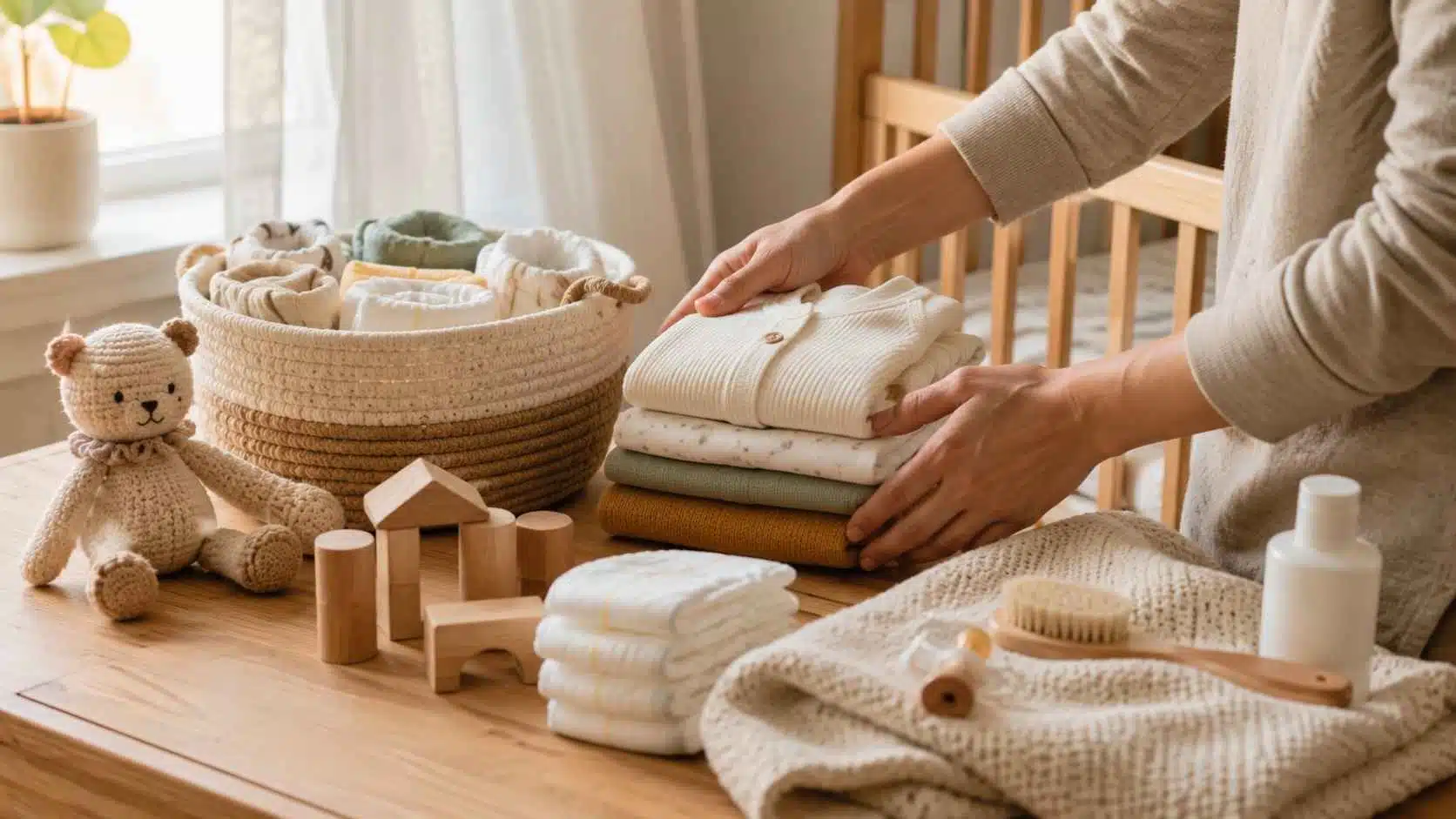
Children outgrow things fast. That is the biggest challenge. A baby may outgrow clothes before they look worn. A toddler may lose interest in a toy after a week. A school-age child may suddenly reject a style they loved last month. That is why sustainable children products should be bought slowly.
Before buying, ask:
- Does my child need this now?
- Will it last through repeated use?
- Can it be washed, repaired, or passed down?
- Is the material better than the usual option?
- Does the brand show proof?
- Could I borrow or buy secondhand instead?
- Will this still be useful in three months?
That last question is important. Parenting creates urgency. Brands know this. They sell solutions for every stage, every milestone, every fear, and every Instagram-ready room.
But a child does not need a perfect eco nursery or a fully sustainable wardrobe overnight. They need safe, useful, well-chosen products that fit real life.
Start with repeat-use categories: pajamas, diapers, shoes, blankets, lunch items, toys, storage, and furniture. That is where better buying matters more.
Greenwashing Red Flags in Kids and Baby Products
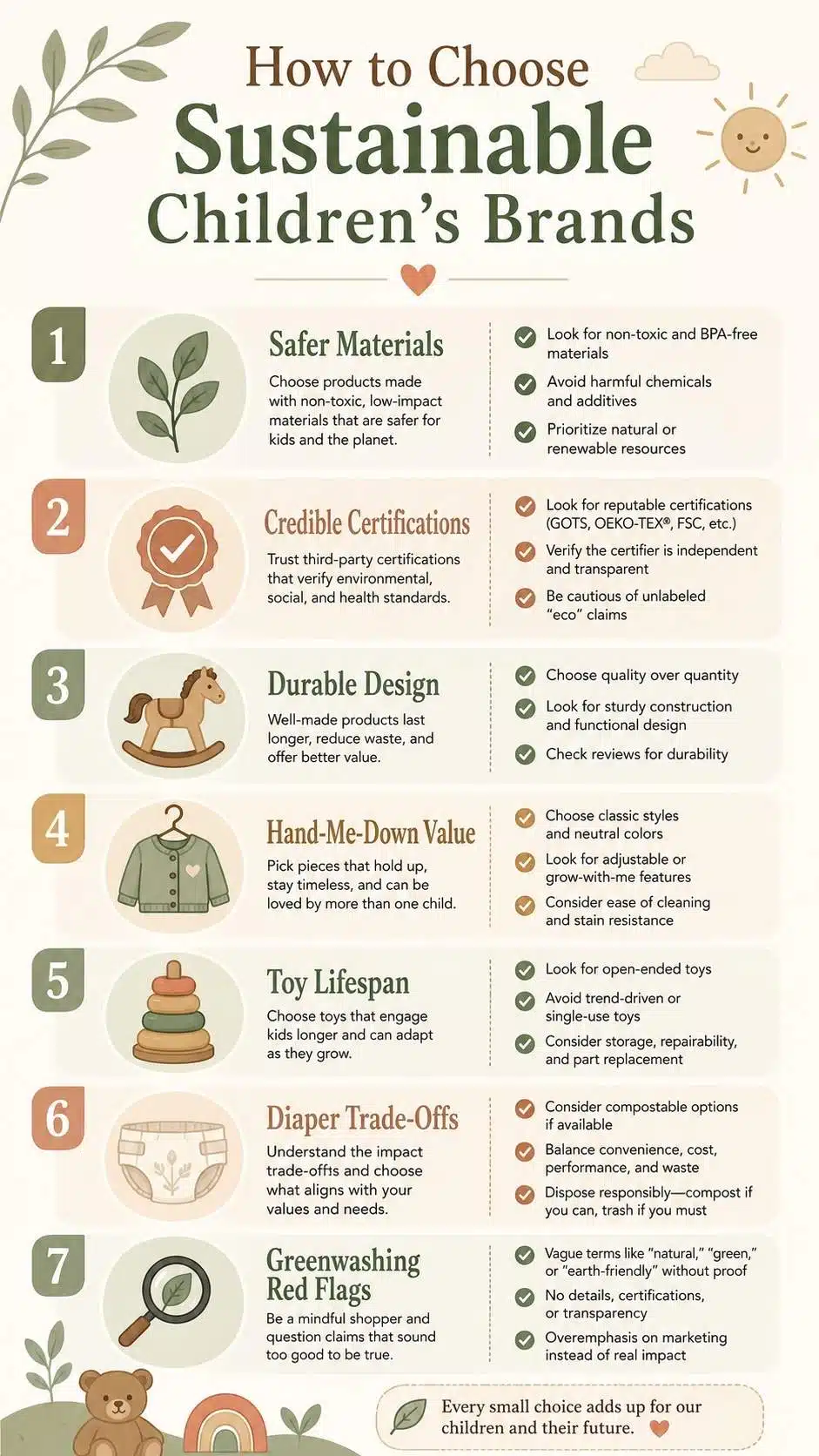
Parents are easy targets for greenwashing because they want safe products. Be careful with vague words like natural, non-toxic, safe, eco, green, pure, gentle, clean, conscious, and earth-friendly when the brand does not explain what they mean.
A stronger brand should make it easy to find details such as:
- Material composition
- Organic or recycled content
- GOTS, OCS, FSC, OEKO-TEX, GREENGUARD Gold, Fair Wear, Nordic Swan, EU Ecolabel, or similar standards where relevant
- Factory or sourcing information
- Product safety standards
- Care instructions
- Repair, resale, or hand-me-down value
- Packaging details
- Honest limitations
Also be careful with “natural” toys or clothes that are not durable. A wooden toy that breaks quickly is not better than a recycled toy that lasts for years. Organic clothing that never gets worn is not better than secondhand clothing used fully.
Sustainability is not only about what something is made from. It is also about how long it stays useful.
Smarter Parenting Starts With Fewer, Better Things
The strongest lesson from these sustainable childrens brands is not that parents need to buy more. Most families need less clutter, better materials, and products that can survive real childhood.
Green Toys and PlanToys offer better play options. Lovevery helps parents buy toys more intentionally. Frugi, MORI, Under the Nile, and Mini Rodini give different routes into better children’s textiles. Bambo Nature offers a more certified disposable diaper option for families who need it. Oeuf shows how nursery furniture can be built for longer use.
Still, no brand can make overbuying sustainable. Use hand-me-downs. Buy secondhand when safe. Repair what you can. Keep toys in rotation. Choose clothes that wash well. Do not buy a full stage of products before you know what your child actually uses.
Children do not need perfect green branding around them. They need safe, durable, thoughtful things that support real family life.
Frequently Asked Questions About Sustainable Children’s Brands
1. What are the best sustainable children’s brands to start with?
Good starter brands include Green Toys for recycled-material toys, PlanToys for wooden toys, Frugi for organic kids’ clothing, MORI for baby sleepwear, Under the Nile for organic baby essentials, and Bambo Nature for more certified disposable diapers.
2. Are sustainable children’s brands always more expensive?
Many cost more upfront, but not always over time. A durable toy, hand-me-down-quality jacket, long-lasting crib, or well-made sleepsuit may be used by multiple children. The real value depends on cost per use, not only the purchase price.
3. What certifications should parents look for?
Useful certifications and standards may include GOTS, OCS, FSC, OEKO-TEX, GREENGUARD Gold, Fair Wear, Nordic Swan, EU Ecolabel, and B Corp where relevant. The right certification depends on the product category.
4. Are wooden toys always more sustainable than plastic toys?
Not always. A durable recycled-plastic toy may be better than a poorly made wooden toy that breaks quickly. Material matters, but product lifespan, safety, repairability, and reuse matter too.
5. Are eco diapers truly sustainable?
Disposable eco diapers are not waste-free. They are still single-use products. But some brands offer stronger certification signals, better material choices, or lower-impact production standards than conventional options. Cloth diapers can be useful for some families, but they are not practical for everyone.
6. How can parents buy fewer children’s products?
Start with what the child actually uses. Borrow baby gear when possible. Buy secondhand where safety allows. Choose adjustable or grow-with-me items. Rotate toys. Accept hand-me-downs. Avoid buying full sets before knowing your child’s needs.





















