

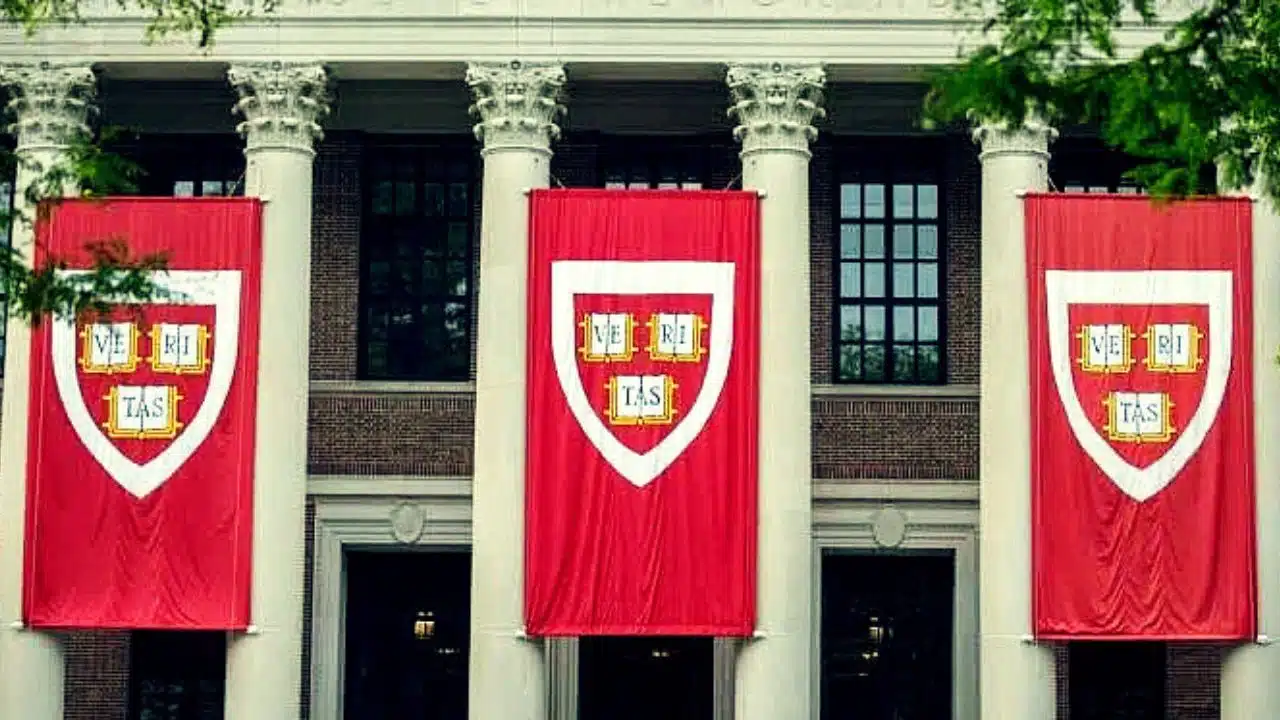
Harvard University has secured a decisive legal victory after months of confrontation with the Trump administration over the suspension of federal research grants. Earlier this year, the administration ordered a freeze on more than $2 billion in multi-year federal funding earmarked for scientific projects at the university. Officials justified the freeze by linking it to claims of antisemitism on Harvard’s campus, arguing that the institution had not done enough to protect Jewish students and faculty.
The freeze threatened to cripple dozens of vital research programs in medicine, technology, and public health. Harvard immediately challenged the move in court, contending that it was politically motivated retaliation disguised as a civil rights measure. The case quickly became a test of how far the federal government could go in using financial leverage to shape policies at elite universities.
The Court’s Decision
In her ruling, U.S. District Judge Allison Burroughs rejected the administration’s reasoning. She concluded that the freeze was not based on genuine concerns about discrimination but rather served as an ideologically driven attempt to punish Harvard. The judge determined that the government had violated the Constitution, the Administrative Procedure Act, and Title VI of the Civil Rights Act by withholding funds without proper justification.
The court order immediately lifts the restrictions on Harvard’s research grants, restoring access to the billions of dollars that had been blocked since April. The ruling also prohibits federal agencies from imposing similar freezes in the future without due process and compliance with statutory requirements. While the administration has already announced plans to appeal, the decision is viewed as a landmark defense of academic freedom and the independence of universities from political interference.
Impact on Research and Science
The freeze had halted or endangered several high-profile projects across Harvard’s schools and affiliated laboratories. Among the affected initiatives were:
-
A predictive model for veterans’ mental health being developed with the Department of Veterans Affairs, designed to help physicians decide when at-risk veterans should be hospitalized.
-
Ongoing research into ALS (Lou Gehrig’s disease) aimed at discovering new treatments for the progressive neurological disorder.
-
A NASA-funded program working on microchips to monitor astronauts’ radiation exposure during upcoming lunar missions.
-
Government-backed studies on emerging biological threats, considered essential for national security and global health preparedness.
By cutting off funding, the administration placed these projects at risk, delaying work that could save lives, improve healthcare, and advance technology. The court emphasized that these interruptions had no meaningful connection to antisemitism concerns, highlighting the disconnect between the stated rationale and the real-world consequences.
Harvard’s Position
Harvard maintained throughout the case that it had taken steps to address antisemitism but argued that the government’s actions went far beyond any legitimate oversight. The university described the funding freeze as an attack on scientific progress, constitutional rights, and the principles of higher education. Harvard officials also underscored that the freeze endangered not only the institution but also thousands of researchers, faculty, students, and patients who rely on the continuation of federally supported research.
Following the ruling, Harvard’s leadership framed the decision as validation of its defense of academic independence. At the same time, they acknowledged that the legal battle is not over, since the administration’s appeal could prolong the conflict and keep uncertainty alive for months or years.
The Administration’s Response
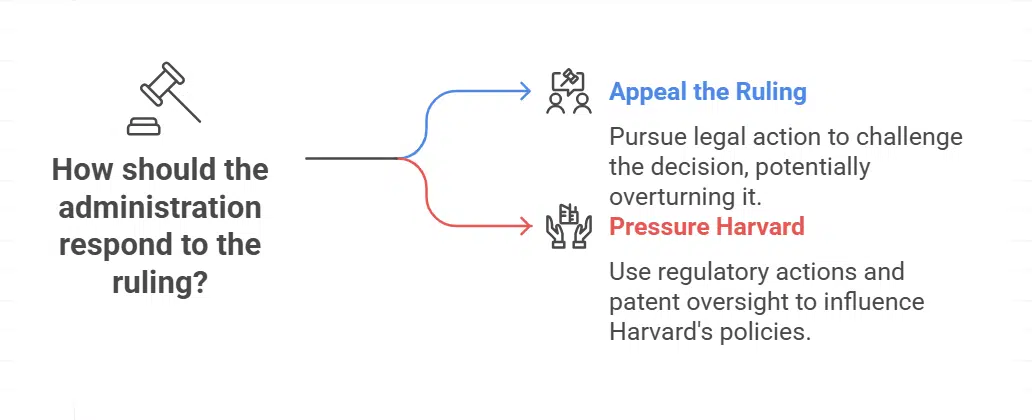
The Trump administration reacted sharply to the ruling, signaling that it would escalate the fight. White House officials criticized the decision as biased and politically motivated, asserting that Harvard had failed to adequately protect Jewish students from harassment. The administration insists it is committed to cracking down on antisemitism on campus, but its approach has drawn widespread criticism for appearing selective and punitive toward certain universities.
In addition to pursuing an appeal, the administration has explored other ways to pressure Harvard, including by examining the university’s patents and intellectual property rights. Commerce Department officials have openly discussed using patent oversight and regulatory actions as leverage in the broader standoff.
Wider Battle Across Higher Education
Harvard is not the only institution to face federal scrutiny. In 2025, several Ivy League and research universities came under pressure to settle disputes with the government. Many opted to strike deals rather than risk protracted litigation:
-
Columbia University reached a settlement of over $200 million, agreeing to compliance monitoring by federal authorities.
-
Brown University negotiated a $50 million settlement, directing the money to workforce development programs in Rhode Island.
-
Cornell University, Northwestern University, and UCLA remain in negotiations, with the administration seeking settlements ranging from hundreds of millions to over $1 billion.
These cases demonstrate a wider campaign by the White House to reshape the governance of elite universities, using financial leverage as its primary tool.
Broader Implications for Academic Freedom
The Harvard case carries significance far beyond the Ivy League. It raises questions about whether federal funding can be used as a political weapon to force universities into compliance with ideological agendas. Research grants from agencies such as the National Institutes of Health, NASA, and the Department of Defense are essential to American science. Cutting them off over campus controversies risks undermining national research capacity.
Judge Burroughs acknowledged that universities have responsibilities to address discrimination but stressed that combating hate cannot come at the cost of constitutional rights. The ruling suggests that while universities must remain vigilant against antisemitism and other forms of bigotry, they cannot be forced to sacrifice their independence or their research missions under the threat of political retaliation.
What Comes Next
The Trump administration has already pledged to appeal, which could send the case to higher courts and prolong uncertainty over Harvard’s funding. Settlement talks had been ongoing over the summer, with the White House demanding as much as $500 million in penalties from Harvard, but those negotiations broke down after the president insisted on harsher terms.
The ruling may also influence other universities still negotiating with the government. Some may now be emboldened to resist settlements, while others facing severe financial pressure may continue to compromise. The outcome of the appeals process will likely shape the future balance of power between the federal government and higher education institutions.





















