Milk production is vital for Kiwi dairy farmers. Yet, many face challenges in boosting milk yield while keeping costs low and cows healthy. A growing global demand for dairy products adds more pressure to produce efficiently.
New Zealand’s dairy farms are seeing progress. The average per-cow milk production has reached 400kgMS in recent years. Better practices, like improved grazing and new technologies, are making a big difference on farms.
This blog will share ways to increase milk yield in 2025. You’ll learn about smart feeding plans, advanced tools, and eco-friendly methods that work best for Kiwi dairies. Keep reading to grow your farm’s success!
Optimizing Pasture Management
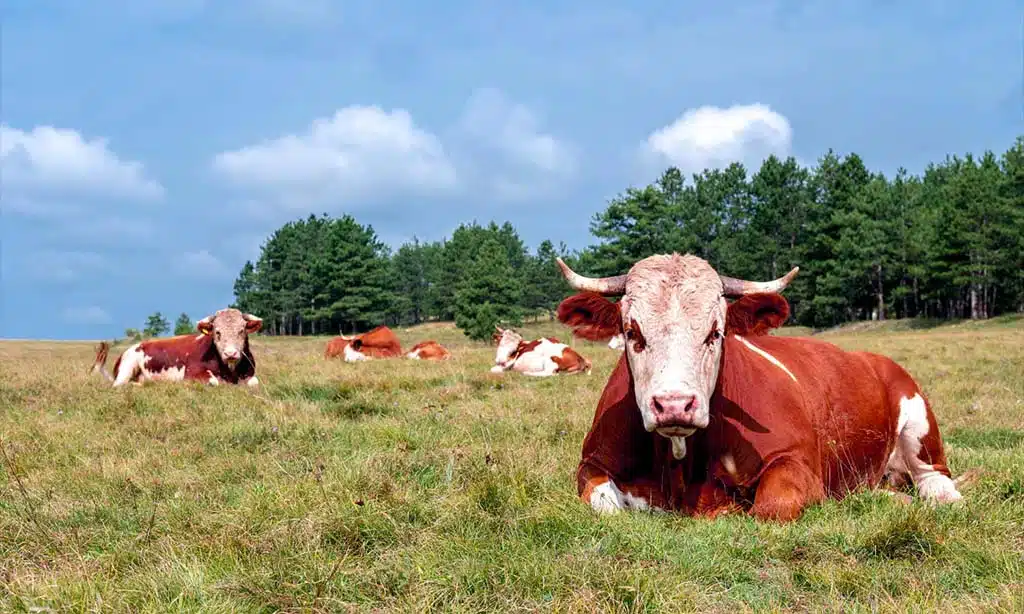
Healthy pastures boost milk yield and cow health. Focus on better grass growth and smart grazing plans for lasting results.
Rotational grazing strategies
Rotational grazing improves milk production and keeps pastures healthy. It ensures cows get fresh grass and reduces overgrazing problems.
- Divide large pasture areas into smaller paddocks. This allows better control of grazing and plant recovery time.
- Move dairy cows regularly between paddocks. It provides them with new, nutritious grass while preventing soil damage.
- Rest each paddock for a few weeks after grazing. Grass regrows quickly and stays rich in dry matter, which boosts milk yield.
- Graze paddocks based on grass growth stages. Cows eat the most when plants are at peak nutrition levels, giving more energy for higher milk output.
- Monitor herd behavior daily to adjust rotation timing, ensuring cows have enough feed every day without wasting resources.
- Use electric fencing to manage movement easily between areas, saving time and labor costs for dairy farmers.
- Check soil quality often to maintain fertility across all paddocks—healthy soil grows better grass, increasing milk collections.
- Time grazing rotations according to calving cycles in early spring when demand for energy is high in dairy cows.
Enhancing soil fertility
Healthy soil boosts milk production. Improving soil fertility ensures quality pasture, which supports better cow nutrition. Use manure to enrich the land and reduce waste. New Zealand dairy farming emits 48% less carbon than the global average, making sustainable practices essential.
Plant nitrogen-fixing crops like clover to add nutrients naturally. Rotate grazing areas to avoid overuse of fields, helping grass regrow stronger. Strong pastures lower feed costs and improve farmgate prices for dairy farmers in 2025.
“Healthy soils mean healthier cows and higher yields.”
Implementing Precision Feeding
Farmers can improve milk production by fine-tuning cow diets using data and tools. Smart feeding systems cut waste while keeping cows healthy and productive.
Nutritional analysis for tailored diets
Analyzing cow nutrition boosts milk production. Each dairy cow in New Zealand now averages 400kgMS yearly, according to 2023/24 stats. Precision feeding helps match feed with their needs.
This cuts waste and improves health.
New tools like feed additive technology increase milk output while reducing farm costs. Using these strategies also aligns with New Zealand’s low carbon farming model, which emits 48% less carbon than the global average.
Reducing feed wastage through technology
Smart feed systems cut waste and save money. Farmers use precision feeding to give cows the exact nutrients they need. This tech measures feed portions, ensuring no overfeeding or spoilage occurs.
Sensors track what cows eat, adjusting diets in real time.
Automatic feeders help reduce labor while boosting milk production. They mix rations accurately and prevent spillage. As a result, New Zealand dairy farms see higher efficiency and better farmgate prices due to lower costs per cow.
“Cutting feed loss means more milk output with less waste—it’s smart farming at its best.”
Leveraging Advanced Dairy Technologies
Technology can boost milk production and make farm work easier. Smart tools help monitor cows’ health and improve efficiency.
Robotic milking systems
Robotic milking systems boost milk production while saving time. These machines let cows choose milking times, reducing stress and improving output. Farms using them report steady milk collections and lower labor costs.
With New Zealand’s dairy sector seeing a 4.1% rise in milk output, such tools meet growing demand efficiently.
These systems also track somatic cell counts to ensure better milk quality. They align with sustainable farming by cutting water usage during cleaning cycles. Dairy farmers gain precise data on cow health, helping quick decisions through electronic communications networks and AI-powered alerts.
AI-powered herd health monitoring
AI tools track herd health using real-time data. Sensors monitor cows’ movement, milk output, and feeding patterns. Early signs of sickness get flagged fast. Farmers act quickly to treat issues, reducing losses.
This tech boosts New Zealand dairy production by improving animal care. Healthier cows produce more milk per year—helping meet rising global demand. AI also cuts costs by catching problems early before they spread to the entire herd.
Genetic Improvements
Breeding stronger dairy cows can boost milk production and profit. Focus on traits like health, growth, and milk quality for better results.
Breeding high-yield dairy cows
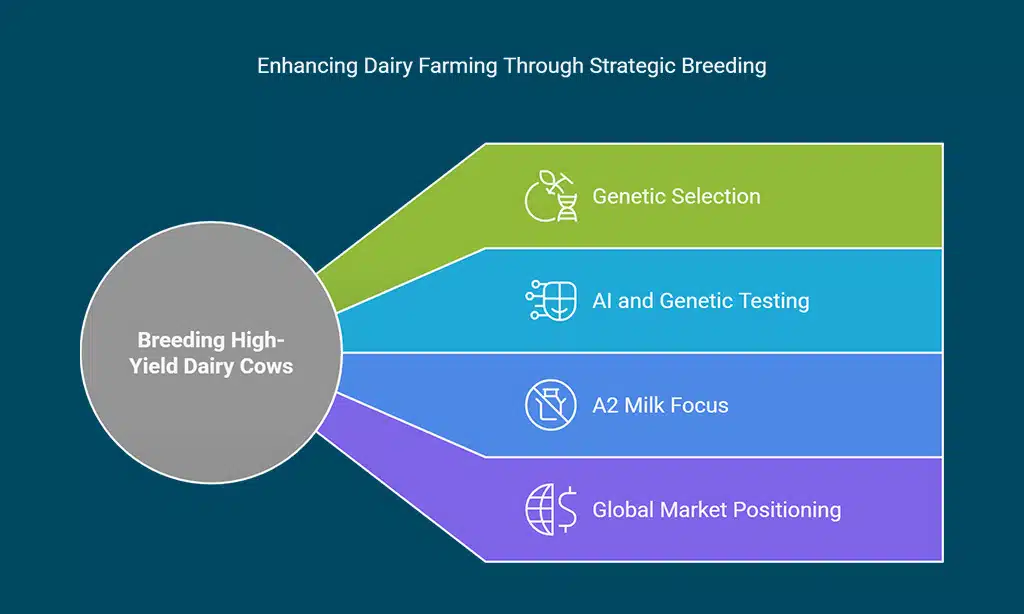
Raising high-yield dairy cows boosts milk production. Farmers in New Zealand have seen per-cow yields reach 400kgMS, according to the 2023/24 Dairy Statistics report. Selecting bulls with strong genetics helps create healthier calves that grow into productive cows.
Tools like AI and genetic testing help identify traits for better milk output.
Focusing on A2 milk also benefits farms. This type of milk is easier to digest and meets rising global demand. Such breeding strategies position Kiwi farmers ahead in dairy exports while meeting free trade agreements proudly.
Emphasizing A2 milk production
Producing A2 milk can boost farm earnings and meet growing global demand. This type of milk has an A2 protein, which some people find easier to digest. Dairy farmers in New Zealand are focusing more on breeding cows that produce this special milk.
High-yield breeds with the A2 gene can help farms increase output while appealing to health-conscious markets.
Global dairy exports show rising interest in A2 products, especially from ASEAN countries and the European Union. By shifting toward these genetics, Kiwi farmers align with market trends and improve pricing strategies.
The move also supports sustainable farming by prioritizing quality over sheer volume.
Sustainable Farm Practices
Farmers can cut emissions by using cleaner energy and smarter tools. Conserving water helps protect resources while boosting milk production.
Reducing environmental impact
Cutting carbon footprints is vital for Kiwi dairy farms. New Zealand’s dairy farming emits 48% less carbon than the global average. This shows progress, but more can be done. Switching to renewable energy, like solar or wind power, lowers emissions further.
Using feed additives improves animal health and reduces greenhouse gases from cows.
Efficient water usage also helps protect resources. Farmers can collect rainwater or recycle wastewater for irrigation. These steps lower costs and meet environmental regulations under the Resource Management Act.
The Emissions Trading Scheme [ETS] supports reducing farm emissions while creating sustainable products that attract eco-conscious markets worldwide.
Efficient water usage
Using water wisely can boost milk production and lower costs. Kiwi farms already emit 48% less carbon than others worldwide. Better water use can cut that even more. Farmers should fix leaks, recycle water, and store rainwater for dry months.
Smart irrigation tools help avoid waste by watering only when needed.
Low-flow systems save energy while delivering the right amount of water to pasture. Clean drinking water improves cow health, leading to higher milk collections at the farmgate level.
Efficient practices also protect supply chains by ensuring steady resources despite climate risks or rising oil prices in 2025.
Takeaways
Improving milk yield is key for Kiwi dairy farmers in 2025. Expert Dr. Sarah Grant shares her thoughts. Dr. Grant has 25 years of experience in dairy science and farm management. She holds a PhD from Lincoln University and has led studies on sustainable farming practices.
Dr. Grant calls pasture management the backbone of strong milk yields. Rotational grazing protects grass health, while soil testing ensures better nutrients for cows. She stresses precision feeding as vital too—custom diets keep cows healthier and more productive.
She backs advanced tech like robotic milking systems for easier workflows. AI can spot health issues early, saving time and money while boosting output.
Ethics matter greatly, she says, highlighting New Zealand’s low carbon emissions in dairy farming compared to global averages. Using environment-friendly methods builds trust with consumers who care about these impacts.
For day-to-day tips, she urges farmers to set clear goals around feed quality and water efficiency while exploring renewable energy tools that cut costs long-term.
Dr. Grant praises such steps but warns new tech isn’t cheap upfront—it requires planning to maximize gains over years.
Her verdict: Improving milk yield demands effort across many areas—feeding, breeding, technology use—but the returns are well worth it for growth-minded farms aiming to lead world markets by 2025!
FAQs on How to Improve Milk Yield on Kiwi Dairy Farms
1. How can Kiwi dairy farmers increase milk production in 2025?
Farmers can boost milk production by using renewable energy, improving farm management practices, and adopting environmentally friendly options to enhance efficiency.
2. What role does carbon reduction play in the dairy industry?
Carbon reduction helps make farms more sustainable, lowers costs over time, and aligns with New Zealand agribusiness goals for a greener future.
3. Can strategic planning improve farmgate prices?
Yes, strategic planning allows dairy farmers to adjust pricing strategies based on market forecasts and tariffs while staying competitive in global dairy exports.
4. How does personalized marketing help the dairy industry?
Personalized marketing—using emails or internet campaigns—lets farmers share key information about their products directly with customers to build trust and grow sales.
5. Why is renewable energy important for Kiwi dairy farms?
Renewable energy reduces environmental impact, cuts long-term costs, and supports New Zealand’s push toward sustainable agriculture practices.