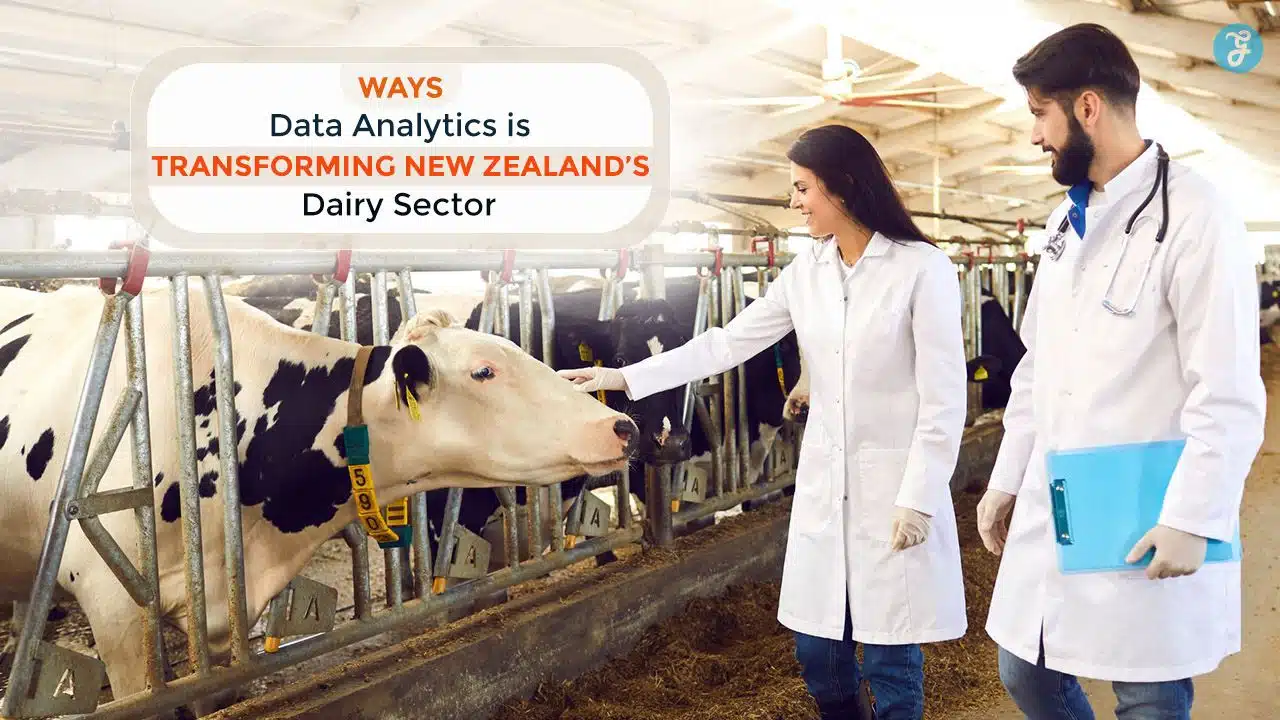
New Zealand’s dairy sector is renowned worldwide for its exceptional quality and significant contribution to the global dairy market.
As one of the country’s economic pillars, the dairy industry has always embraced innovation to sustain its competitive edge.
In recent years, data analytics has emerged as a transformative force, reshaping how dairy farms operate, optimizing resources, and improving sustainability.
This article delves into five key ways data analytics is transforming New Zealand’s dairy sector, offering enhanced productivity, better animal health, efficient resource management, traceable supply chains, and reduced environmental impact.
With real-time data, case studies, and practical examples, we’ll explore how these advancements are helping dairy farmers thrive in an increasingly technology-driven world.
5 Ways Data Analytics is Transforming New Zealand’s Dairy Sector
- Enhancing Productivity and Yield Optimization
- Improving Animal Health and Welfare
- Enabling Efficient Resource Management
- Boosting Traceability and Supply Chain Efficiency
- Driving Sustainability and Reducing Environmental Impact
Let’s get started diving into the details of the 5 ways data analytics is transforming New Zealand’s dairy sector:
1. Enhanced Productivity and Yield Optimization
Data analytics is enabling New Zealand’s dairy farmers to maximize productivity by offering detailed insights into their operations.
Farmers can monitor factors such as feed quality, herd behavior, and milking patterns by integrating advanced technology in real-time.
This helps identify areas for improvement, optimize resource allocation, and increase overall efficiency.
Moreover, predictive tools empower farmers to anticipate peak production periods and address potential bottlenecks proactively.
These insights collectively contribute to better planning, enhanced milk yield, and long-term profitability for the dairy industry.
Key Applications:
- Feed Optimization: By analyzing data on feed consumption and nutritional intake, farmers can determine the ideal diet for their cattle to enhance milk production.
- Predictive Analytics: Advanced algorithms predict peak production periods, allowing farmers to plan resources and staffing accordingly.
- Herd Monitoring: Real-time data on cow behavior and health provides insights into maximizing milking efficiency.
Example:
A Waikato-based dairy farm reported a 20% increase in milk yield after implementing a data-driven feeding strategy using IoT sensors and analytics tools.
| Metric | Traditional Farming | Data-Driven Farming |
| Milk Yield (per cow/month) | 400 liters | 480 liters |
| Feed Utilization Efficiency | 70% | 85% |
| Cost Reduction (annual) | – | 15% |
Additional Benefits:
- Enhanced profitability with better yield management.
- Improved herd health through targeted nutritional plans.
2. Improved Animal Health and Welfare
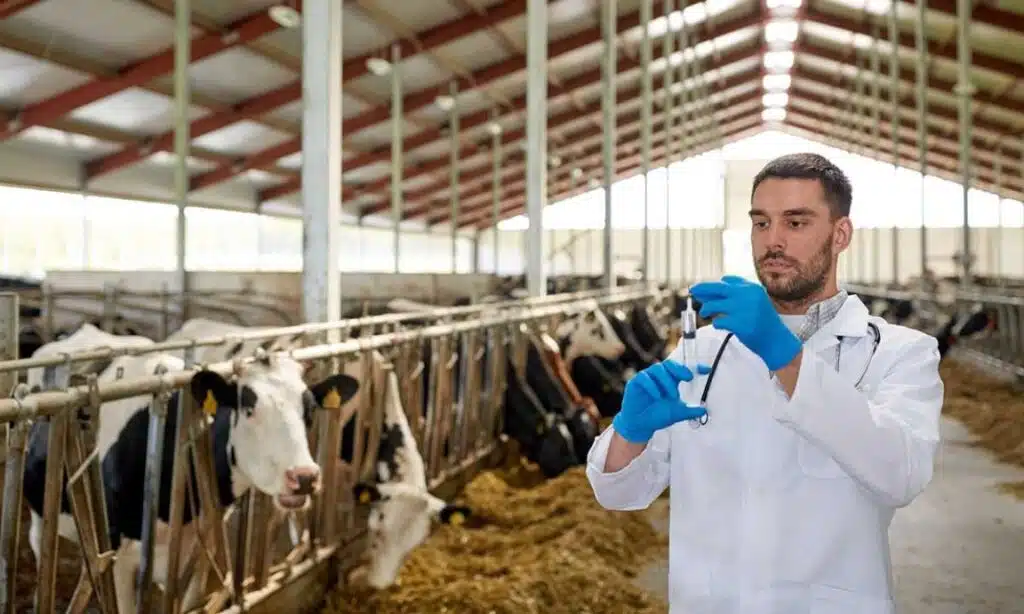
Animal health is crucial for consistent milk production and overall farm sustainability. Data analytics plays a pivotal role in monitoring and improving livestock health, minimizing disease outbreaks, and ensuring animal welfare.
By integrating wearable sensors and advanced algorithms, farmers gain real-time insights into the health of each cow, enabling proactive interventions.
Additionally, data trends help identify behavioral anomalies and optimize breeding cycles, further boosting productivity and herd well-being.
This ensures not only healthier cows but also higher milk quality and economic benefits for the farmers.
Key Applications:
- Health Monitoring: Wearable sensors track vital signs, activity levels, and feeding patterns of cows in real time, alerting farmers to potential health issues early.
- Disease Prevention: Predictive analytics identify disease trends, enabling preemptive measures to safeguard the herd.
- Behavioral Insights: Data helps understand cattle behavior, including stress levels and reproductive cycles.
Example:
New Zealand’s AgResearch developed a sensor system that monitors cows’ rumination and movement, helping farmers detect illnesses like mastitis up to 48 hours before visible symptoms appear.
| Parameter | Without Analytics | With Analytics |
| Disease Detection Speed | Reactive | Proactive |
| Health Monitoring Accuracy | 60% | 95% |
| Veterinary Costs (annual) | High | Reduced by 25% |
Additional Benefits:
- Reduced reliance on antibiotics through early detection.
- Higher milk quality with healthier cows.
3. Efficient Resource Management
Efficient resource use is vital for both cost reduction and environmental sustainability. Data analytics empowers farmers to manage water, energy, and feed more effectively by providing detailed, real-time insights into resource utilization.
With smart irrigation systems, farmers can monitor soil moisture levels and weather conditions, ensuring precise water application.
Additionally, energy analytics help optimize machinery use, reducing electricity consumption during peak hours.
These tools not only lower costs but also minimize waste, contributing to a more sustainable farming ecosystem.
Key Applications:
- Smart Irrigation Systems: Real-time data on soil moisture and weather conditions ensures optimal water usage.
- Energy Monitoring: Analytics tools identify energy-saving opportunities, such as adjusting milking equipment schedules to off-peak electricity hours.
- Feed Waste Reduction: By analyzing consumption patterns, farmers can reduce feed wastage and save costs.
Example:
A Canterbury dairy farm reduced its water consumption by 30% using an analytics-driven irrigation system that adjusted water levels based on real-time soil data.
| Resource | Pre-Analytics Usage | Post-Analytics Usage |
| Water Consumption (liters) | 10,000/day | 7,000/day |
| Energy Consumption (kWh/month) | 1,200 | 950 |
| Feed Wastage (kg/month) | 500 | 300 |
Additional Benefits:
- Lower utility bills and operational costs.
- Reduced environmental footprint through resource efficiency.
4. Enhanced Traceability and Supply Chain Efficiency
Traceability is becoming increasingly important as consumers demand transparency in food production.
Data analytics provides end-to-end visibility of the dairy supply chain, ensuring product quality and compliance with export standards.
By leveraging real-time tracking systems, farmers and producers can monitor every stage of milk production, from collection to distribution.
This level of transparency not only builds consumer trust but also ensures that stringent international quality standards are consistently met.
Furthermore, advanced analytics tools help identify inefficiencies in the supply chain, enabling corrective measures that enhance overall efficiency and reliability.
Key Applications:
- Blockchain Integration: Data analytics combined with blockchain technology ensures accurate tracking of milk from farm to table.
- Quality Control: Automated systems analyze milk quality at each production stage, reducing the risk of contamination.
- Export Standards Compliance: Real-time tracking ensures adherence to strict international standards.
Example:
Fonterra, a leading New Zealand dairy cooperative, uses analytics and blockchain to provide detailed provenance information, boosting consumer confidence in its products.
| Factor | Pre-Analytics | Post-Analytics |
| Supply Chain Visibility | Limited | End-to-End |
| Compliance with Export Standards | 80% | 98% |
| Consumer Trust | Moderate | High |
Additional Benefits:
- Reduced product recalls through better quality management.
- Increased global competitiveness with transparent practices.
5. Driving Sustainability and Reducing Environmental Impact

Sustainability is a critical focus for New Zealand’s dairy sector. Data analytics enables farmers to measure and minimize their environmental footprint, aligning with global sustainability goals.
By analyzing greenhouse gas emissions, farmers can identify specific areas contributing to higher methane and carbon outputs.
This information allows for targeted interventions, such as optimizing feed to reduce emissions or implementing regenerative farming practices.
Additionally, data analytics facilitates accurate reporting for sustainability certifications, enhancing the farm’s marketability.
These efforts collectively support New Zealand’s climate goals and boost the dairy sector’s global reputation for eco-friendly practices.
Key Applications:
- Carbon Tracking: Analytics tools monitor greenhouse gas emissions, helping farmers implement strategies to reduce methane output.
- Waste Management: Data-driven systems optimize waste recycling and disposal processes.
- Sustainable Practices: Real-time insights support eco-friendly decisions, such as regenerative farming methods.
Example:
A Taranaki farm adopted a methane-tracking system, reducing emissions by 15% within the first year of implementation.
| Metric | Pre-Analytics | Post-Analytics |
| Methane Emissions (tons/year) | 100 | 85 |
| Carbon Footprint (kg CO2/liter) | 3.5 | 2.8 |
| Compliance with Sustainability Standards | Low | High |
Additional Benefits:
- Improved reputation for sustainability-conscious practices.
- Contribution to global climate change mitigation efforts.
Challenges and Future of Data Analytics in New Zealand’s Dairy Sector
Challenges:
- High Initial Investment: Advanced analytics tools and IoT devices require substantial capital, which can be a significant barrier for small- to medium-sized farms. Many farmers face challenges in accessing funding or understanding the long-term return on investment of these technologies.
- Technical Expertise: Many farmers lack the skills to interpret complex data insights. Training programs and workshops are often limited, making it difficult for farmers to fully leverage the potential of analytics tools. Bridging this knowledge gap is essential for widespread adoption.
- Data Security: Protecting sensitive farm data from cyber threats is crucial. The integration of IoT devices and cloud-based platforms increases the risk of data breaches, which can compromise farm operations and consumer trust. Ensuring robust cybersecurity measures is a priority.
Future Outlook:
- Increased Adoption of Affordable Tools: As technology evolves, more cost-effective and user-friendly analytics tools are expected to enter the market, making it easier for farmers to adopt these solutions without financial strain.
- Government Incentives and Support: New Zealand’s government is likely to expand incentives for sustainable farming practices, such as subsidies for adopting data-driven tools or grants for research and development in precision agriculture.
- Collaboration and Partnerships: Partnerships between technology companies, research institutions, and farmers can ensure seamless integration of analytics tools. Collaborative efforts can also foster innovation, leading to solutions tailored to the specific needs of New Zealand’s dairy sector.
- Focus on Education and Training: Establishing training programs and accessible resources for farmers will be essential to enhance their understanding and usage of data analytics tools. This effort can significantly accelerate adoption rates and unlock the full potential of data-driven
Takeaway
Data analytics is revolutionizing New Zealand’s dairy sector by enhancing productivity, improving animal welfare, optimizing resources, ensuring supply chain transparency, and promoting sustainability.
By embracing these technological advancements, New Zealand’s dairy farmers can continue to lead globally, ensuring profitability and environmental stewardship for future generations.
As the industry navigates challenges like cost and technical expertise, ongoing innovation and support from stakeholders will be critical.
The transformative power of data analytics holds the promise of a thriving, sustainable dairy sector in New Zealand.