The retail industry is evolving rapidly due to technological advancements, shifting consumer preferences, and fierce competition. As businesses grow, managing operations manually or using disparate systems can result in inefficiencies, increased costs, and missed opportunities. An ERP system solves these issues by centralizing data and automating processes, enabling businesses to expand without losing control.
According to Statista, the global ERP market is projected to grow to $117.09 billion by 2030, driven by its increasing adoption across various industries, including retail. This growth underscores the system’s role in enabling businesses to operate smarter and scale faster. Let’s explore the specific ways ERP supports retail expansion in detail.
1. Centralized Data Management for Seamless Operations
In an expanding retail business, data silos can disrupt operations. ERP systems consolidate data from all business units, including sales, inventory, finance, and customer service, into a unified platform.
Key Advantages
- Improved Accessibility: Employees across departments can access real-time data from a single source, fostering better collaboration.
- Reduced Errors: Centralized data eliminates duplication and discrepancies, ensuring accuracy.
- Faster Decision-Making: With all critical information readily available, businesses can respond swiftly to market changes.
Example Application:
A retailer transitioning into omnichannel sales can use ERP to synchronize data between physical stores and online platforms. For instance, if an item is sold in-store, the ERP system updates online inventory in real-time, preventing over-promising or under-delivering.
2. Streamlined Inventory Management Across Locations
As retail businesses grow, inventory management becomes increasingly complex. ERP systems simplify this by providing real-time inventory visibility and advanced forecasting tools.
How ERP Helps with Inventory:
- Real-Time Tracking: Monitor stock levels across multiple locations.
- Demand Forecasting: Use historical data and trends to predict future demand and optimize stock levels.
- Automation: Automate restocking based on predefined thresholds to avoid running out of popular items.
Detailed Insight:
Retailers can integrate ERP with IoT-enabled devices, such as smart shelves, to track stock in real-time. For instance, a grocery chain can automate replenishment for fast-moving goods, ensuring shelves are always stocked, particularly during seasonal sales.
3. Enhanced Customer Relationship Management (CRM)
Customer loyalty is a cornerstone of successful retail expansion. ERP systems with integrated CRM modules help businesses manage and improve customer relationships.
Benefits for Retailers:
- Customer Insights: Track purchase history, preferences, and feedback to personalize services.
- Targeted Marketing: Use customer data to create tailored campaigns and promotions.
- Improved Service: Automate responses to customer inquiries or complaints, enhancing satisfaction.
Example in Action:
An ERP system can segment customers based on their purchasing behavior. A retailer expanding into a new region can offer location-specific promotions to attract new customers while rewarding loyal patrons with exclusive deals.
4. Financial Accuracy and Compliance

Expanding a retail business requires precise financial planning, especially when entering new markets or managing multiple revenue streams. ERP systems streamline financial processes, offering tools to handle budgeting, forecasting, and compliance.
Key Financial Features of ERP Systems:
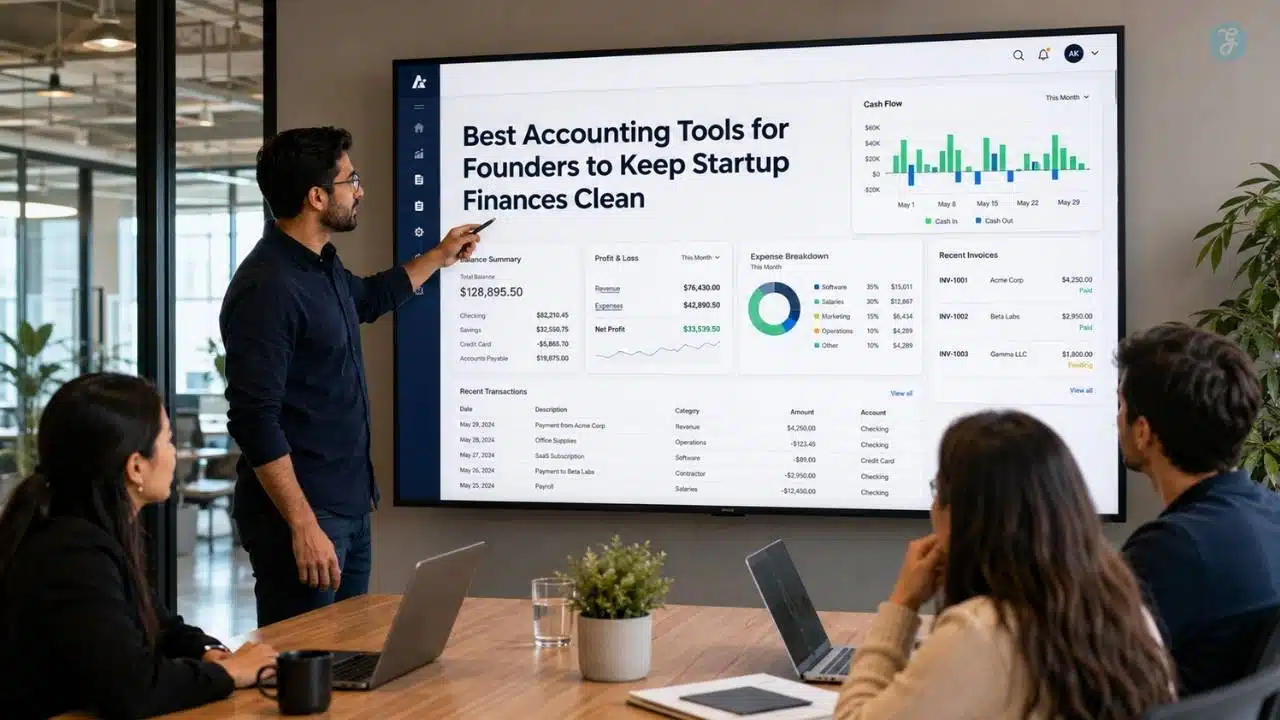
- Automated Accounting: Simplifies tasks like invoicing, payroll, and tax calculations.
- Budget Tracking: Monitors expenses in real-time to ensure spending aligns with budgets.
- Regulatory Compliance: Ensures adherence to local and international financial regulations.
Insightful Example:
A retail business entering international markets can use ERP to manage multi-currency transactions and comply with country-specific tax laws. This minimizes risks and ensures a smooth financial operation.
5. Supply Chain Optimization for Efficient Expansion
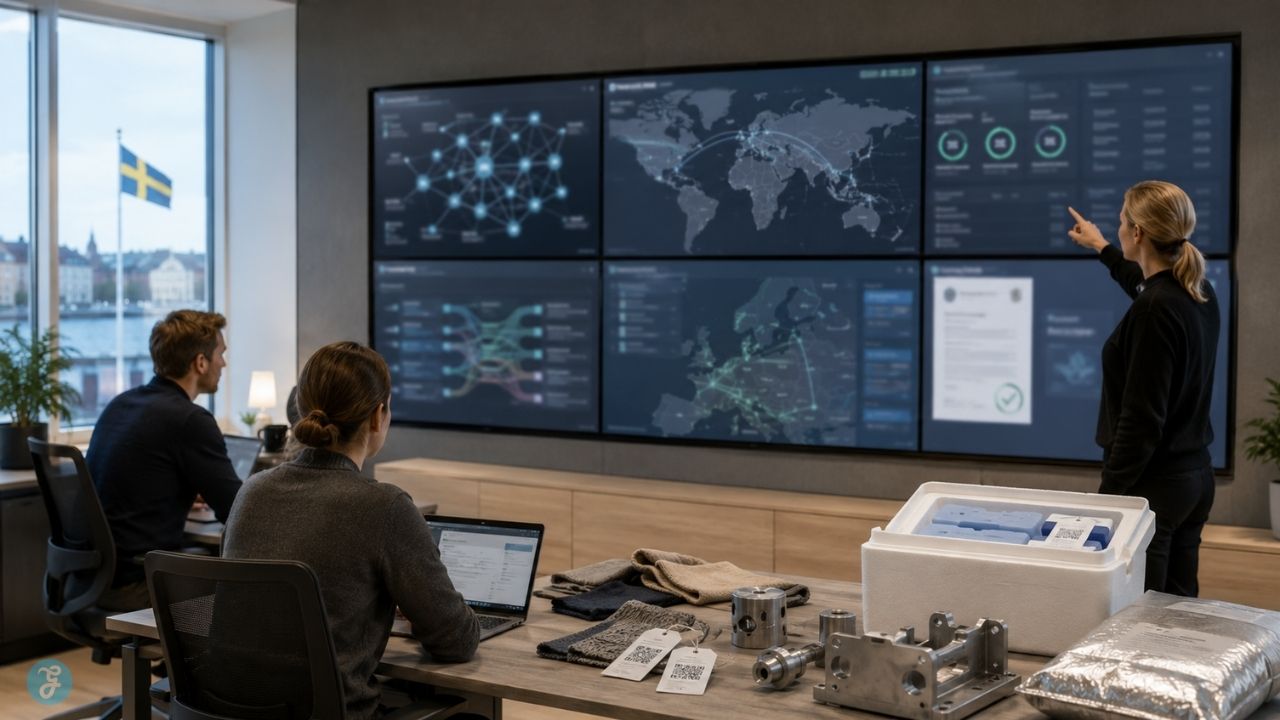
A robust supply chain is critical for meeting customer demands during expansion. ERP systems optimize supply chain operations by providing end-to-end visibility and control.
ERP’s Role in Supply Chain Management:
- Real-Time Tracking: Monitor shipments, delivery timelines, and supplier performance.
- Collaboration: Foster better communication with suppliers for improved procurement.
- Cost Efficiency: Identify inefficiencies in the supply chain to reduce costs.
Use Case:
A retailer opening new stores can use ERP to coordinate supplier deliveries, ensuring that stock arrives on time. Real-time tracking helps address delays proactively, minimizing disruptions.
6. Scalability and Adaptability
One of the most significant advantages of ERP systems is their ability to grow with your business. Whether you’re opening new locations, launching online stores, or expanding globally, ERP systems adapt to your needs.
Features Supporting Scalability:
- Cloud Integration: Access ERP data remotely, ideal for multi-location businesses.
- Custom Modules: Add functionalities like e-commerce integration or advanced analytics as needed.
- Increased Capacity: Handle higher transaction volumes without compromising system performance.
Pro Tip:
Retailers planning global expansion should choose cloud-based ERP systems. These systems ensure data security and accessibility, regardless of location, while reducing IT infrastructure costs.
7. Workforce Management and Productivity
As your business grows, so does your workforce. ERP systems simplify human resource management, ensuring efficient workforce operations.
ERP’s Workforce Features:
- Time Tracking: Monitor employee attendance and productivity.
- Onboarding Tools: Streamline hiring and training processes.
- Compliance: Ensure adherence to labor laws and policies in different regions.
Detailed Example:
A retailer expanding into multiple locations can use ERP to schedule shifts, track performance, and ensure uniform training across outlets, maintaining consistent service quality.
8. Advanced Analytics for Data-Driven Decisions
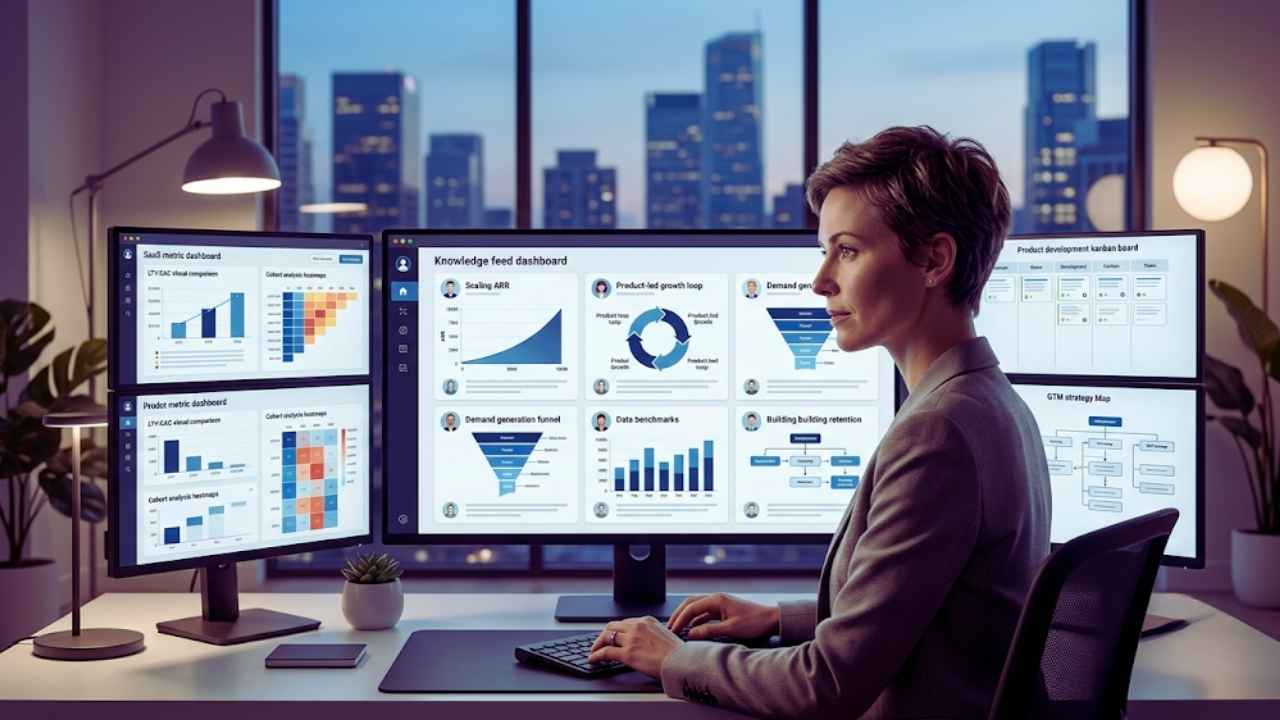
Expanding businesses need actionable insights to navigate new challenges and opportunities. ERP systems offer advanced analytics tools that help leaders make informed decisions.
Analytical Capabilities:
- Sales Analytics: Identify trends and patterns to optimize product offerings.
- Performance Metrics: Track KPIs across stores to assess expansion success.
- Risk Management: Use predictive analytics to identify potential issues before they arise.
Example Application:
A retailer analyzing regional sales data might discover underperforming locations. With ERP’s insights, they can adjust marketing strategies or reconsider store layouts to boost performance.
Conclusion
ERP systems are transformative tools for retail businesses looking to expand. By integrating operations, enhancing efficiency, and providing actionable insights, these systems address the complexities of growth. From centralized data management and inventory control to workforce optimization and financial planning, ERP solutions ensure that businesses can scale confidently and sustainably.
As the retail industry continues to evolve, investing in an ERP system tailored to your needs can give your business a competitive edge. Choose a solution with scalable features, cloud capabilities, and robust analytics to position your business for long-term success.