Life can be stressful. Work, relationships, and daily tasks often pile up, leaving you feeling overwhelmed. But there’s good news.
You don’t need fancy equipment or special places to find relief. Simple stress-relief techniques can help you feel calmer and more relaxed, no matter where you are.
These easy techniques fit into your busy life. You can use them at home, work, or even while waiting in line. They give you quick ways to lower stress and boost your mood. Learning these methods puts a toolbox of calm at your fingertips, ready whenever you need it.
Here are the 7 techniques that you must try to reduce your stress:.
1. Deep Breathing Exercises
Deep breathing is a simple yet powerful way to calm your mind and body. You can do it anywhere, anytime. It helps reduce stress and anxiety quickly.
To start, find a comfortable position. Sit or lie down if you can. Place one hand on your belly and the other on your chest.
Breathe in slowly through your nose. Feel your belly expand as you fill your lungs with air. Count to four as you inhale.
Hold your breath for a moment. Then exhale slowly through your mouth. Count to four again as you let the air out.
Try to make your exhale longer than your inhale. This helps activate your body’s relaxation response.
Repeat this process for a few minutes. Focus on the sensation of air moving in and out of your body.
You can try different patterns too. The 4-7-8 technique is popular. Breathe in for 4 counts, hold for 7, and exhale for 8.
Another option is pursed-lip breathing. Inhale through your nose, then exhale slowly through pursed lips.
Practice deep breathing daily. It gets easier with time. Soon, you’ll be able to use it whenever you feel stressed or anxious.
Remember, there’s no wrong way to breathe deeply. Find what works best for you and make it a habit.
2. Progressive Muscle Relaxation
Progressive muscle relaxation is a simple technique you can use anywhere to reduce stress. It involves tensing and relaxing different muscle groups in your body.
To start, find a comfortable position. Close your eyes and take a few deep breaths. Begin with your forehead muscles. Squeeze them tightly for 5-10 seconds, then slowly release. Notice how the muscles feel as they relax.
Move down to your jaw. Clench it for 5-10 seconds, then release. Continue this pattern with other muscle groups. Work your way down your body – shoulders, arms, chest, stomach, legs, and feet.
As you tense each area, breathe in. As you relax, breathe out. Focus on the contrast between tension and relaxation in your muscles. This helps increase body awareness and promotes overall relaxation.
With practice, you’ll be able to quickly relax your whole body. You can do this sitting at your desk, lying in bed, or even standing in line. It’s a fast way to ease physical tension and calm your mind.
3. Mindfulness Meditation
Mindfulness meditation is a powerful way to reduce stress. You can do it anywhere, anytime. It helps you focus on the present moment.
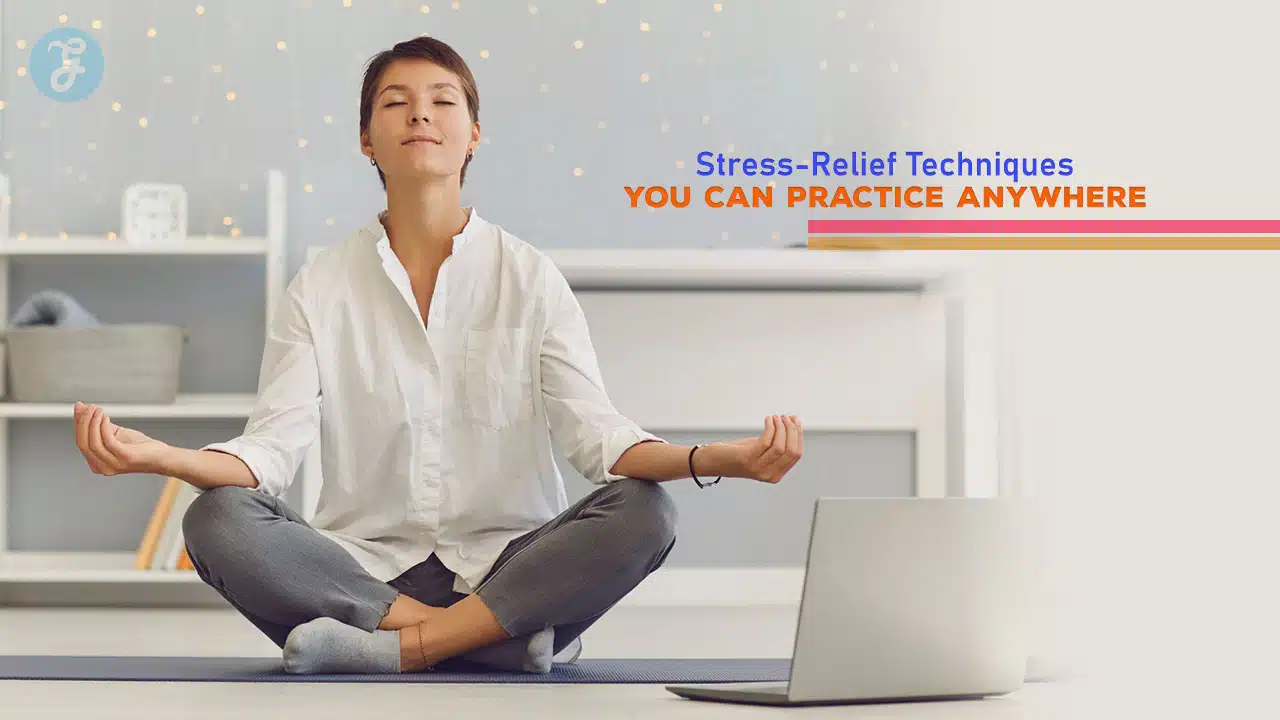
To start, find a quiet spot. Sit comfortably and close your eyes. Take a few deep breaths. Notice how your body feels as you breathe in and out.
Pay attention to your thoughts without judging them. Let them come and go like clouds in the sky. If your mind wanders, gently bring it back to your breath.
Try to practice for 5-10 minutes each day. You can use a timer if you want. As you get better, you can meditate for longer periods of time.
Mindfulness can help calm your mind and body. It may lower your heart rate and blood pressure. Many people find it makes them feel more relaxed and focused.
You can also try mindful activities. Pay close attention as you eat, walk, or do chores. Notice the sights, sounds, and sensations around you.
With practice, mindfulness can become a helpful tool in your daily life. It can help you handle stress better and feel more at peace.
4. Visualization Techniques
Visualization can help you relax and reduce stress anywhere. It’s a simple yet powerful method that uses your imagination.
To start, find a quiet spot and close your eyes. Picture a peaceful place in your mind. It could be a beach, forest, or any location that makes you feel calm.
Use all your senses to make the scene vivid. Imagine what you see, hear, smell, and feel. For example, picture soft sand under your feet and warm sun on your skin.
Focus on the details of your imagined place. This helps take your mind off stressful thoughts. The more you practice, the easier it becomes to create these mental images.
You can also visualize positive outcomes for situations that worry you. Picture yourself handling a challenge successfully. This can boost your confidence and lower anxiety.
Try combining visualization with deep breathing. As you breathe slowly, imagine inhaling peace and exhaling stress. This can enhance the relaxation effects.
You can use visualization for just a few minutes whenever you need a quick stress break. With regular practice, you’ll likely find it easier to calm your mind and body.
5. Portable Stress Balls
Stress balls are small, squeezable objects that fit in your hand. You can take them anywhere to help relieve stress quickly.
These squishy toys come in different shapes, sizes, and materials. Some are firm, while others are soft and squishy. You can choose the type that feels best to you.
Using a stress ball is simple. Just squeeze it in your hand and release. Repeat this action as needed. The physical act of squeezing can help relax your muscles.
Stress balls work by giving your hands something to do. This can take your mind off what’s bothering you. The squeezing motion may also help lower your blood pressure and heart rate.
You can use a stress ball at work, on the bus, or while watching TV. Their small size makes them easy to carry in a pocket or bag. No one needs to know you’re using one.
These tools are cheap and widely available. You can find them at many stores or online. Some companies even give them away as promotional items.
Stress balls aren’t just for adults. Kids can use them too. They might help children focus or calm down when upset.
Remember, stress balls are just one tool to manage stress. They work best when used with other stress relief methods like deep breathing or exercise.
6. Calming Apps (e.g., Headspace)
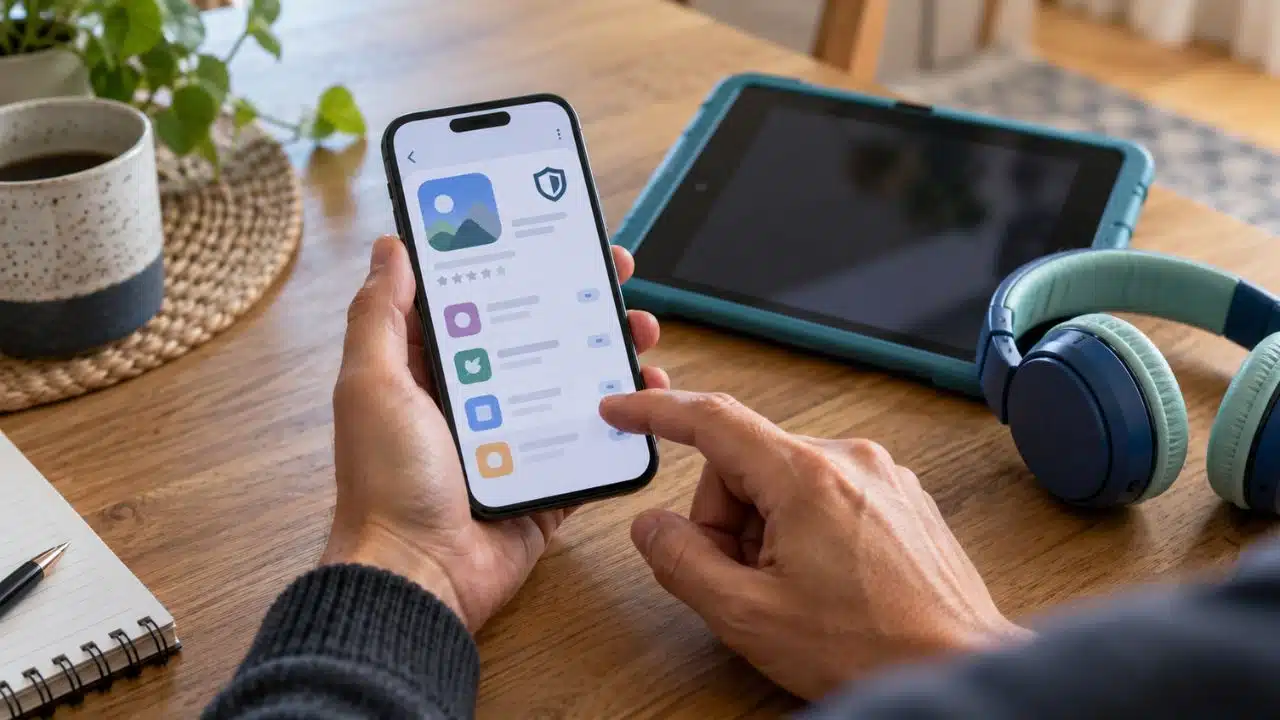
Stress relief apps can help you manage anxiety and tension anytime, anywhere. These digital tools put powerful relaxation techniques right in your pocket.
Headspace is a popular meditation app that offers guided sessions for beginners and experts alike. It can help you learn to relax and reduce stress in just minutes a day.
With Headspace, you can choose from short meditations or longer sessions based on your needs and schedule. The app offers exercises for sleep, focus, and everyday stress relief.
Studies show Headspace users report feeling less stressed after using the app regularly. Even 10 days of use can lead to noticeable improvements in stress levels.
Other helpful apps include Calm and Aura. These offer features like soothing sounds, breathing exercises, and sleep stories to help you unwind.
Using a stress relief app can make it easier to start and maintain a daily mindfulness practice. You can access calming content whenever you need it, whether at home or on the go.
Many apps let you track your progress and set reminders to help you stick with your stress relief routine. This can help you build lasting habits for better mental well-being.
Try exploring different apps to find one that fits your needs and preferences. Most offer free trials so you can test them out before committing.
7. Yoga Poses
Yoga poses can help you relax anywhere. You don’t need special gear or a lot of space to do them.
The Child’s Pose is easy and calming. Just kneel on the floor and sit back on your heels. Then stretch your arms out in front of you.
Try the Cat-Cow Pose to relieve back tension. Start on your hands and knees. Arch your back up like a cat, then dip it down like a cow.
The Forward Fold is great for tight muscles. Stand up straight, then bend forward and try to touch your toes. Let your head hang loose.
Legs Up the Wall is perfect for unwinding. Lie on your back and put your legs up against a wall. This pose can ease stress and help you sleep better.
The Mountain Pose looks simple but works wonders. Stand tall with your feet together and arms at your sides. Focus on your breathing and feel grounded.
Remember, you don’t have to be a yoga expert to benefit. Even a few minutes of these poses can help you feel more relaxed and centered.
Understanding the Impact of Stress
Stress affects your mind and body in many ways. It can make you feel worried, sad, or angry. Your heart might beat faster and your muscles may tense up.
When you’re stressed, you might have trouble sleeping or eating. You may get headaches or stomach aches. Some people grind their teeth or bite their nails.
Long-term stress can lead to serious health problems. These include:
- High blood pressure
- Heart disease
- Diabetes
- Depression
Stress can also weaken your immune system. This makes it harder for your body to fight off illnesses.
You might find it hard to focus or remember things when stressed. Your work and relationships can suffer. You may snap at loved ones or make mistakes at your job.
But not all stress is bad. Short-term stress can help you perform better in some situations. It’s when stress becomes constant that it causes problems.
Learning to manage stress is important for your health and happiness. The techniques in this article can help you deal with stress in healthy ways.
Creating a Stress-Relief Routine
Setting up a stress-relief routine can help you manage daily pressures. A good routine includes practices you can do anywhere and fit into your schedule. It’s important to set goals and track your progress.
Setting Realistic Goals
Start small when making your stress-relief routine. Pick one or two techniques you can do daily. This could be deep breathing for 5 minutes or a short walk at lunch. Make your goals specific and doable. For example, “I will meditate for 10 minutes before bed.”
Write down your goals. Put them where you can see them often. This helps you stay on track. Be kind to yourself if you miss a day. Just start again the next day.
Try different stress-relief methods to find what works best for you. Some people like yoga, while others prefer journaling. It’s okay to change your routine as you learn what helps you most.
Monitoring Your Progress
Keep a simple log of your stress-relief activities. Note how you feel before and after. This can show you which methods work best. You might use a scale from 1 to 10 to rate your stress level.
Use a calendar or app to track your routine. Mark the days you complete your stress-relief practices. Seeing your progress can motivate you to keep going.
Review your progress weekly. Ask yourself:
- Did I meet my goals?
- What helped me stick to my routine?
- What got in the way?
Adjust your goals if needed. If you’re not meeting them, make them easier. If they’re too easy, add a new challenge. Remember, the goal is to reduce stress, not add to it.
Integrating Mindfulness Practices
Mindfulness can help you feel calmer and less stressed. You can easily add these practices to your daily life. They don’t take much time but can make a big difference.
Mindful Breathing Techniques
Focus on your breath to calm your mind and body. Try this simple exercise:
- Sit comfortably and close your eyes.
- Put one hand on your chest and the other on your belly.
- Breathe normally and notice which hand moves more.
- Take slow, deep breaths into your belly for 1-2 minutes.
You can do this anywhere—at your desk, in line at the store, or before bed. It only takes a few minutes but can quickly reduce stress.
Visualization Exercises
Picture a peaceful scene in your mind to relax. Here’s how:
- Find a quiet spot and sit or lie down.
- Close your eyes and take a few deep breaths.
- Imagine a calm place, like a beach or forest.
- Use all your senses. What do you see, hear, smell, and feel?
- Stay in this scene for 5–10 minutes.
This exercise can help you feel more relaxed and centered. You can do it during a break at work or before a stressful event.
Final Thoughts
Stress is an inevitable part of modern life, but it doesn’t have to take control.
With these simple, portable techniques, you can find moments of calm wherever you are, no matter how busy your day gets.
By incorporating these practices into your routine, you will not only manage stress more effectively but also enhance your overall well-being.
Remember, the key is consistency—regularly using these methods will empower you to face life’s challenges with greater resilience and peace.