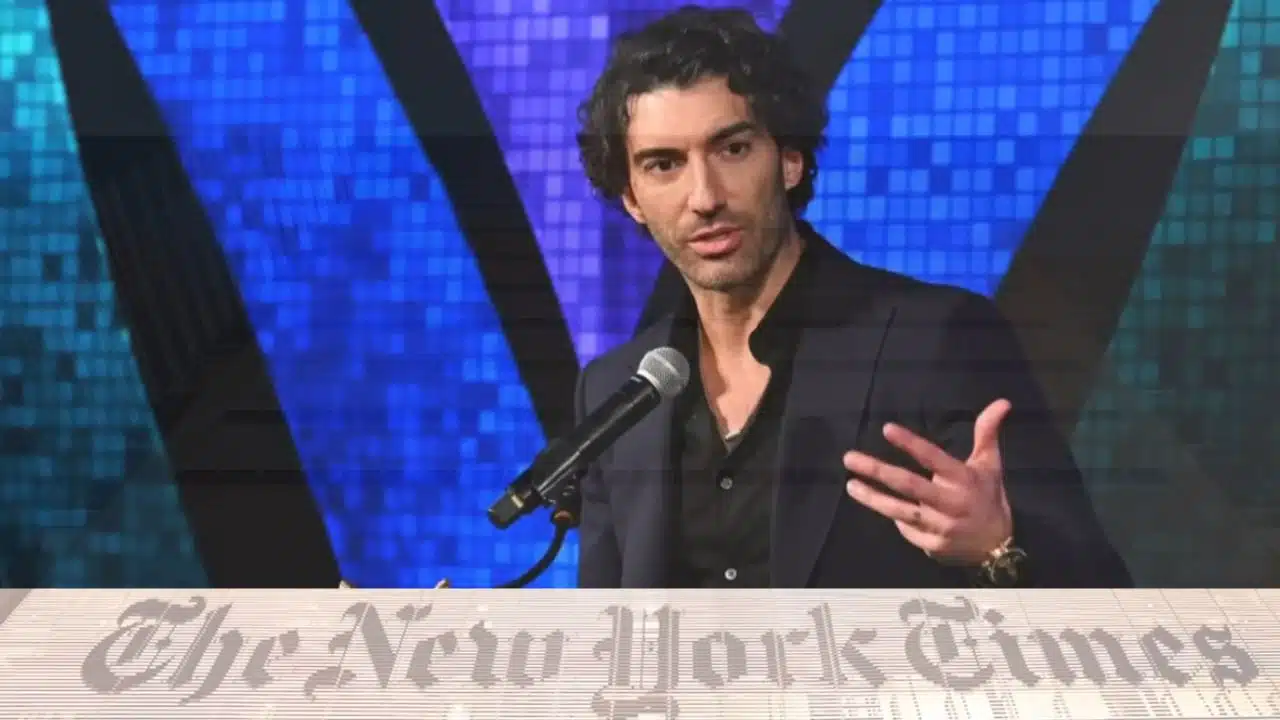
Justin Baldoni, star and director of “It Ends With Us,” has filed a $250 million lawsuit against The New York Times over its reporting of sexual harassment allegations made by his co-star Blake Lively.
This legal action marks a significant escalation in the ongoing controversy surrounding the film’s production and has sent shockwaves through Hollywood and the media industry.
The Lawsuit: Key Details and Allegations
Baldoni’s lawsuit, filed in Los Angeles Superior Court on January 1, 2025, accuses The New York Times of publishing a “false and defamatory article” about Lively’s allegations against him. The complaint alleges that the newspaper relied almost entirely on “Lively’s unverified and self-serving narrative” while disregarding “an abundance of evidence that contradicted her claims.
Main Points of Contention
- Libel and False Light Invasion of Privacy: Baldoni is suing for libel, false light invasion of privacy, promissory fraud, and breach of implied-in-fact contract.
- Alleged Coordination: The lawsuit suggests that The Times had been “quietly working in concert with Lively’s team for weeks or months. .
- Damage Claims: Baldoni and nine other plaintiffs, including publicists and producers, are seeking at least $250 million for damage to their reputation, work, and well-being.
The New York Times’ Response
The New York Times has stood firmly behind its reporting. A spokesperson for the newspaper stated that they intend to “vigorously defend against the lawsuit in court.” The Times maintains that its story was “meticulously and responsibly reported” based on a review of thousands of pages of original documents, including text messages and emails quoted in the article.
Background: Blake Lively’s Allegations
To understand why Justin Baldoni is suing NYT, it’s crucial to examine the events that led to this legal battle:
- On December 20, 2024, Blake Lively filed a legal complaint against Baldoni.
- Lively accused Baldoni and a producer of inappropriate behavior, including sexual remarks and non-consensual physical touching.
- She claimed she was pressured into performing more nudity than agreed upon.
- Lively also alleged that Baldoni enlisted a crisis PR team to wage a retaliatory smear campaign against her.
The New York Times Article in Question
The article at the center of this controversy, titled “‘We Can Bury Anyone’: Inside a Hollywood Smear Machine,” was published on December 21, 2024. It relied heavily on text messages between Baldoni and his PR team, which were used as evidence in Lively’s complaint.
Baldoni’s Counterarguments
Baldoni’s lawsuit claims that The New York Times:
- Cherry-picked texts and stripped them of context.
- Deliberately spliced messages to mislead readers.
- Ignored evidence that contradicted Lively’s narrative.
Legal Perspectives on the Case
Media lawyers have weighed in on the lawsuit, providing insights into its potential outcomes and implications:
- Difficulty in Proving Libel: Experts suggest that it will be challenging for Baldoni to prove libel, given the high bar for public figures in such cases.
- Strategic Value: The lawsuit could be effective as part of a broader strategy, potentially helping Baldoni in the court of public oopinion
- Discovery Process: Filing the lawsuit might allow Baldoni’s team to learn about the paper’s defense, which could be useful in other potential legal battles.
Implications for the Media Industry
This high-profile lawsuit raises important questions about journalistic practices and the responsibilities of media outlets when reporting on sensitive allegations:
- Fact-Checking and Verification: The case underscores the importance of thorough fact-checking and verification of sources in investigative journalism.
- Balancing Act: It highlights the challenges media outlets face in balancing the public’s right to know with the potential consequences of reporting on unproven allegations.
- Legal Precedent: The outcome of this case could potentially set a precedent for future libel cases involving public figures and major news organizations.
The Broader Context: Hollywood and #MeToo
Baldoni’s lawsuit against The New York Times is unfolding against the backdrop of the ongoing #MeToo movement in Hollywood. This case raises complex questions about:
- How allegations of misconduct should be reported and investigated
- The role of media in shaping public perception of such cases
- The potential for misuse of the movement for personal gain or retaliation
What’s Next in the Legal Battle?
As the lawsuit progresses, several key developments are likely to unfold:
- Court Proceedings: The case will move through the legal system, with potential motions to dismiss and discovery phases.
- Public Relations Battle: Both Baldoni and The New York Times will likely continue to present their sides of the story to the public.
- Potential Settlement: There’s a possibility of an out-of-court settlement, though both parties currently seem prepared for a legal fight.
- Industry Impact: The outcome of this case could have far-reaching implications for how media outlets report on celebrity controversies and allegations of misconduct.
Takeaways
Justin Baldoni is suing The New York Times for $250 million, alleging that the newspaper published a defamatory article based on Blake Lively’s sexual harassment claims without proper verification. This lawsuit represents a significant clash between a public figure and a major media outlet, touching on issues of journalistic integrity, the #MeToo movement, and the complexities of reporting on sensitive allegations in the entertainment industry.
As this legal battle unfolds, it will undoubtedly continue to captivate the attention of the media, legal experts, and the public alike. The question “Why is Justin Baldoni suing NYT?” encapsulates a complex web of allegations, counter-allegations, and the high-stakes world of celebrity journalism. The outcome of this case could have lasting implications for how similar situations are handled in the future, both in Hollywood and in newsrooms across the country.