


Web3 is becoming a hot topic, but many people still have questions or wrong ideas about it. You might think Web3 is only about cryptocurrency or just for tech experts. These misunderstandings can make the concept feel confusing and hard to trust.
In reality, Web3 offers so much more than digital currencies. It includes decentralized apps (dApps), NFTs, blockchain technology, and improved user control online. This blog will clear up common “Web3 misconceptions” and share the truths behind them.
Ready to learn the facts? Keep reading!
Myth 1: Web3 Is Just About Cryptocurrency
Web3 extends far beyond digital currency. It includes tools and technologies that reshape how we interact online.
Truth: Web3 Encompasses Decentralized Applications, NFTs, and More
Decentralized applications (dApps), non-fungible tokens (NFTs), and blockchain technology form key parts of Web3. It creates a user-controlled, open internet with greater transparency.
Smart contracts enable secure, automated transactions without middlemen. NFTs act as digital ownership certificates or virtual community passes.
Web3 also includes decentralized finance (DeFi) platforms and DAOs for collaboration without centralized control. The shift from Web2 to this model addresses privacy issues and reduces monopolistic power online.
Ethereum’s proof-of-stake transition further shows its focus on energy-saving innovations while improving functionality for everyone involved.
Myth 2: Web3 Is Only for Tech Experts

Web3 tools are becoming simpler, making it easier for everyone to use—tech skills are no longer a must.
Truth: User-Friendly Interfaces Are Making Web3 Accessible to Everyone
User-friendly interfaces on dApps and blockchain platforms simplify participation. Tools like wallets and SDKs make it easier for non-experts to join. Many platforms now focus on improving user experience, ensuring broad access for everyone.
These innovations bring Web3 closer to everyday users. Streamlined designs eliminate barriers that once required technical skills. With accessible tools, more people can explore decentralized applications without confusion or frustration.
Myth 3: Web3 Is a Passing Fad
Some think Web3 is just a trend that will fade. In truth, it marks a significant shift in how we use the internet.
Truth: Web3 Represents the Next Step in Internet Evolution
Web3 marks a major shift from a centralized to a decentralized internet model. It prioritizes transparency in technology and gives users control over their data. Unlike Web2, which is dominated by big corporations, Web3 enables user empowerment in online platforms through blockchain and smart contracts.
Big companies are steadily adopting Web3 principles. This shows it’s more than just hype. Integration of Web3 projects with existing infrastructure ensures smooth transitions without disrupting current systems entirely.
Its focus on decentralized applications also improves online trust and fairness for everyone.
Myth 4: Web3 Is Unsafe
Many think Web3 is full of risks and vulnerabilities. In reality, its decentralized design makes hacking harder and data breaches less likely.
Truth: Advanced Security Protocols and Decentralization Reduce Risks
Enhanced security measures in Web3 help protect users. Blockchain technology creates an immutable record, stopping data manipulation. Smart contracts reduce fraud by enforcing strict rules automatically.
Decentralized applications (dApps) give users more control over personal data. Two-factor authentication (2FA) adds extra account protection. Regular security audits catch potential vulnerabilities early, keeping systems safer.
Myth 5: Web3 Will Completely Replace Web2
Web3 will not completely replace Web2 but is more likely to work alongside it, creating a balanced and interconnected digital future. Keep reading to uncover more truths about Web3!
Truth: Web3 and Web2 Will Likely Coexist and Complement Each Other
New technologies like Web3 often do not replace older ones completely. Instead, they work together to improve digital experiences. Historical shifts in technology show change happens gradually—around every 15 years.
Web2, with its user-friendly platforms like social media and cloud computing, will stay relevant while merging with the advancements of Web3.
Web3 introduces decentralization and blockchain but still connects to Web2 systems. Established tools like AI and cloud computing will continue playing key roles alongside this transition.
This integration allows users to benefit from both worlds, combining security and innovation with familiar features from the traditional web.
Myth 6: Web3 Is Only About Financial Gain
Web3 is about much more than making money. It focuses on empowering people with ownership, privacy, and control over their digital lives.
Truth: Web3 Prioritizes Ownership, Privacy, and Decentralized Control
Ownership rights take center stage in Web3. Users control their data instead of big companies. Privacy protection is key, with decentralized systems ensuring personal information stays secure.
Platforms like the Palm Network focus on empowering creators and giving them full ownership of their work.
Decentralized governance puts power into users’ hands. This setup promotes individual empowerment by shifting decision-making away from central authorities. Creative freedom flourishes as artists and developers independently manage their creations without interference or restrictions.
Myth 7: Web3 Is Not Environmentally Friendly
Many think Web3 harms the planet due to its energy use. New technologies are working to make it greener and more sustainable.
Truth: Emerging Technologies Are Addressing Sustainability Concerns
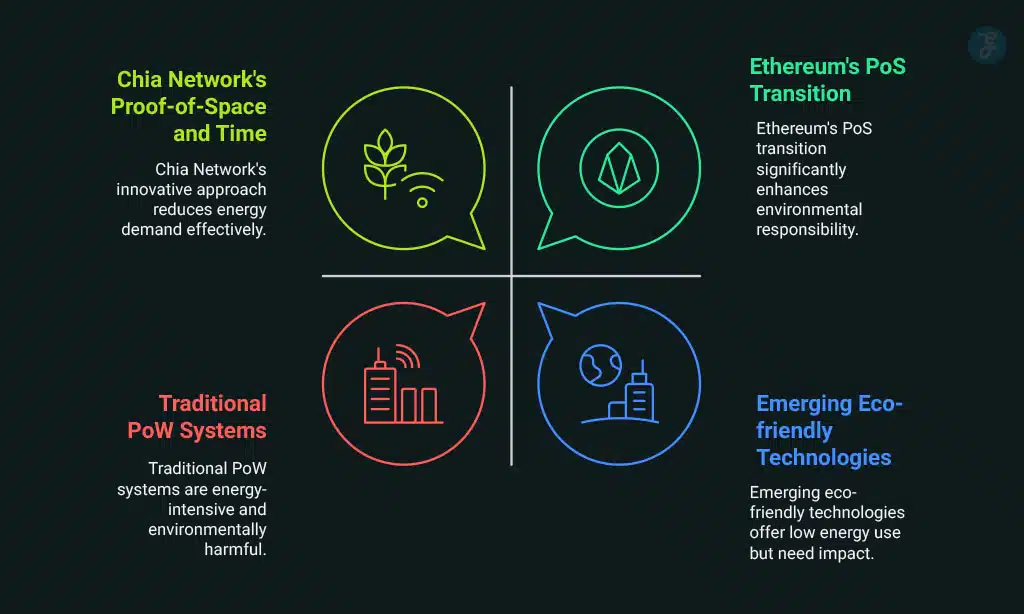
Proof-of-Work (PoW) systems consume large amounts of energy. This has raised concerns about the environmental impact of blockchain technologies. Proof-of-Stake (PoS), however, uses far less energy and is now a popular alternative.
For example, Ethereum switched to PoS in 2022, cutting its energy use by over 99%. Blockchain projects like Chia Network also embrace eco-friendly innovations. They rely on Proof-of-Space and Time, which significantly reduce electricity demand.
More platforms are adopting sustainable technology to address environmental challenges. These solutions make Web3 more environmentally responsible while ensuring functionality. The focus is shifting toward balancing growth with sustainability through energy-efficient solutions like PoS mechanisms and other emerging technologies focused on environmental care.
Myth 8: Web3 Is Only for the Rich
Web3 aims to create equal opportunities for everyone, breaking barriers of wealth and access—read on to explore its inclusive potential.
Truth: Web3 Is Designed to Be Inclusive and Democratize Opportunities
Web3 aims to give everyone a fair chance. Decentralized finance (DeFi) allows people to borrow, lend, or earn interest without banks. This breaks traditional barriers and supports financial inclusion.
Web3 also promotes diversity by welcoming underrepresented groups into its community.
Creators gain control of their work through Web3 platforms. They can earn directly from their creations while protecting their intellectual property rights. Community-driven models let users participate in project governance, giving them ownership stakes in platforms they support.
Myth 9: Web3 Is Not Compatible With Existing Infrastructure
Web3 works alongside current systems by using hybrid models. It blends new blockchain solutions with traditional technology for smoother transitions.
Truth: Hybrid Models Are Bridging Web2 and Web3 Technologies
Hybrid models combine Web2 and Web3 technologies. These systems use existing Web2 infrastructure while adding elements of Web3, like blockchain or smart contracts. This approach helps solve issues such as scalability and interoperability.
By leveraging familiar tools, they make it easier for businesses to adapt without starting from scratch.
These models also promote user trust through interfaces people already know. They ensure smoother transitions by blending the strengths of both webs. For example, hybrid solutions allow decentralized apps (dApps) to work within traditional platforms seamlessly.
Such integration fosters innovation while keeping users engaged in a secure and reliable environment.
Myth 10: Web3 Is Just a Buzzword
Some think Web3 is just a trendy term with no real value. In truth, it’s built on solid technologies like blockchain and smart contracts that power practical solutions.
Truth: Web3 Is Built on Real Innovations Like Blockchain and Smart Contracts
Web3 stands on solid technology like blockchain and smart contracts. Blockchain uses distributed ledger technology to store data securely. This creates immutable data records that no one can alter without consent.
Smart contracts make transactions trustless by automating agreements, reducing the need for third parties.
Decentralization is a key part of Web3’s design. It enhances security by removing single points of failure common in centralized systems. Peer-to-peer networks further ensure smoother, safer interactions between users.
From tokenization to digital identity control, these tools bring real change—not just buzzwords—to online experiences.
Takeaways
Web3 challenges what we know about the internet today. It introduces new ideas, technology, and opportunities.
Dr. Lisa Hampton shares this perspective. Dr. Hampton is a blockchain expert with over 15 years in tech innovation. She earned her Ph.D. in Computer Science from MIT and has led multiple research projects on decentralized systems and their impact on society.
Dr. Hampton says these myths distract people from Web3’s true potential. She highlights its focus on ownership, security, privacy, and inclusivity as essential to reshaping digital spaces worldwide.
She also explains that concerns around safety are addressed through decentralization and encryption methods like blockchain verification protocols—making it more secure than many current centralized systems.
For daily use, Dr. Hampton encourages users to explore wallets for digital assets or try platforms offering peer-to-peer services powered by such technologies without fear of intimidation caused by technical jargon too often associated with similar systems before becoming more mainstream-friendly terms now seen improving standards across all levels globally!
To evaluate options effectively requires knowing positives versus possible downsides—ease-of-use unmatched sometimes facing critics highlighting needed scalability enhancements ongoing alongside other comparative gaps observed elsewhere limiting adaptability yet never reducing innovations’ transformative values intact entirely, so clearly proven essential at increasingly faster rates year after year according to projections, deserving recognition despite polarizing initial dialogues surrounding conceptual introductions unfamiliarity shifted later better adapted mutual reconciliation shared aspirations benefited!
























