The internet as we know it is evolving. Web3, often dubbed the “next generation of the internet,” is poised to transform how we interact online. From decentralization to enhanced security, Web3 is shifting control from corporations to individuals. But what does this mean for users, businesses, and digital ecosystems?
This article will explore 7 ways Web3 will change how we use the Internet in the next decade. We will dive into decentralization, digital identity, crypto transactions, digital asset ownership, decentralized governance, content distribution, and the Metaverse, breaking down each transformation with real-world examples.
1. Decentralization Will Redefine Online Platforms
For years, tech giants like Google, Facebook, and Amazon have monopolized the internet, exerting significant control over user data, content moderation, and monetization strategies.
These corporations dictate online experiences by determining what content is visible, how data is shared, and who profits from digital interactions. This centralized dominance has raised concerns about privacy, censorship, and the concentration of economic power.
Web3 is shifting the paradigm toward decentralized applications [dApps], reducing reliance on intermediaries and placing control back into the hands of users.
By leveraging blockchain technology, Web3 eliminates single points of control, enabling a more open, user-governed digital ecosystem where individuals own their data, engage in peer-to-peer transactions, and participate in decentralized governance structures.
Key Benefits of Decentralization:
- No single point of failure: Unlike centralized systems, Web3 applications run on distributed networks, reducing outages and censorship.
- User ownership: Users control their data rather than corporations monetizing it.
- Trustless interactions: Smart contracts facilitate transactions without needing a middleman.
Blockchain-Powered Transparency and Trust
Blockchain technology ensures transparency by maintaining immutable ledgers. Transactions, identity verification, and data exchanges are recorded permanently, reducing fraud and increasing trust among users.
Example Use Cases:
- Decentralized Social Media: Platforms like Mastodon and Lens Protocol enable censorship-resistant communication.
- Web3 Marketplaces: OpenSea allows direct NFT transactions without platform interference.
2. Digital Identity and Privacy Enhancement
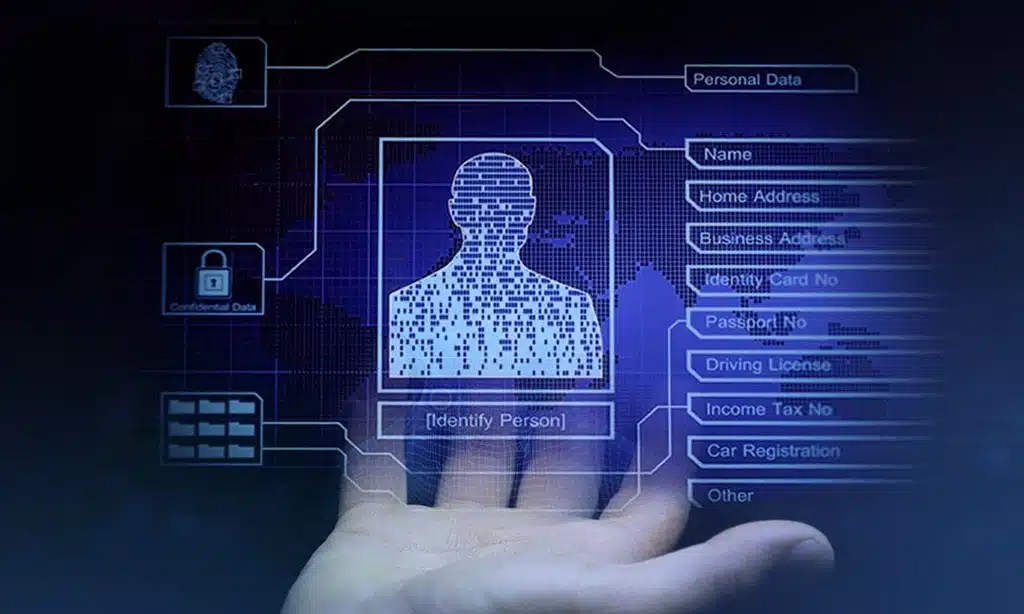
Web3 introduces Self-Sovereign Identity [SSI], a revolutionary concept that empowers users to manage and control their personal data without relying on third-party authentication providers like Google or Facebook. Unlike traditional identity systems where personal information is stored on centralized servers, SSI enables users to store their credentials on a decentralized blockchain.
This allows for secure, verifiable identity transactions without exposing sensitive data. With SSI, individuals can selectively share only the necessary information, such as age verification without revealing their birthdate, thereby enhancing privacy and reducing the risk of identity theft.
How SSI Works:
- Users store their identity credentials on a decentralized blockchain.
- Services verify credentials without storing personal data.
- Users selectively share information when necessary.
Zero-Knowledge Proofs and Enhanced Security
Web3 employs Zero-Knowledge Proofs [ZKPs] to enhance privacy. ZKPs allow verification without revealing actual data, making transactions more secure.
Use Cases:
- Secure Login Systems: Users verify their identity without passwords.
- Privacy-Preserving Transactions: Anonymous yet verifiable crypto transactions.
3. Web3 and the Evolution of Online Payments
Web3 facilitates frictionless, borderless transactions through cryptocurrencies, allowing users to send and receive funds without the limitations of traditional banking infrastructure.
Unlike conventional payment systems that involve banks, intermediaries, and lengthy processing times, Web3 leverages decentralized networks to enable instant and low-cost transactions across borders.
Smart contracts automate payments and enforce agreements without the need for a third party. These self-executing contracts run on blockchain technology, ensuring transparency and reducing the risk of fraud.
Smart contracts streamline processes such as payroll, subscription payments, and peer-to-peer lending, making financial transactions more efficient and secure.
Advantages of Crypto Payments:
- Instant transactions with lower fees
- No dependency on traditional banking systems
- Programmable money through smart contracts
The Future of Decentralized Finance [DeFi]
DeFi is reshaping finance by eliminating traditional banking infrastructure. Platforms like Aave and Compound enable peer-to-peer lending, while Uniswap facilitates decentralized trading.
DeFi Benefits:
- Higher returns than traditional savings accounts
- Transparency and reduced risk of corruption
- Access to financial services without intermediaries
4. Ownership and Monetization of Digital Assets
Non-fungible tokens [NFTs] represent ownership of digital assets, from artwork to virtual land, and are revolutionizing the way we perceive and trade digital property. Unlike traditional digital files, which can be copied and distributed endlessly without distinction, NFTs utilize blockchain technology to establish verifiable uniqueness and ownership.
Each NFT is stored on a decentralized ledger, ensuring that ownership records remain transparent, tamper-proof, and easily transferable.
NFTs are not just limited to art and collectibles; they are redefining gaming, entertainment, intellectual property rights, and real estate.
Artists and musicians can tokenize their work, ensuring royalties are automatically distributed via smart contracts. In the gaming industry, NFTs provide players with verifiable ownership of in-game assets, which they can trade, sell, or use across different platforms.
Similarly, virtual real estate in Metaverse environments is being sold as NFTs, allowing individuals and businesses to invest in and develop digital spaces with real-world value.
Industries Impacted by NFTs:
- Art and Entertainment: Digital artists monetize their creations.
- Gaming: Play-to-earn games like Axie Infinity allow players to trade assets.
- Real Estate: Virtual land on platforms like Decentraland is being bought and sold.
Tokenized Economies and User Monetization
Web3 promotes user-driven economies where creators are compensated directly, bypassing traditional platforms.
How Users Benefit:
- Play-to-Earn Models: Gamers earn real money from in-game achievements.
- Decentralized Content Monetization: Writers and musicians retain full earnings.
5. The Role of DAOs in Governance and Decision-Making
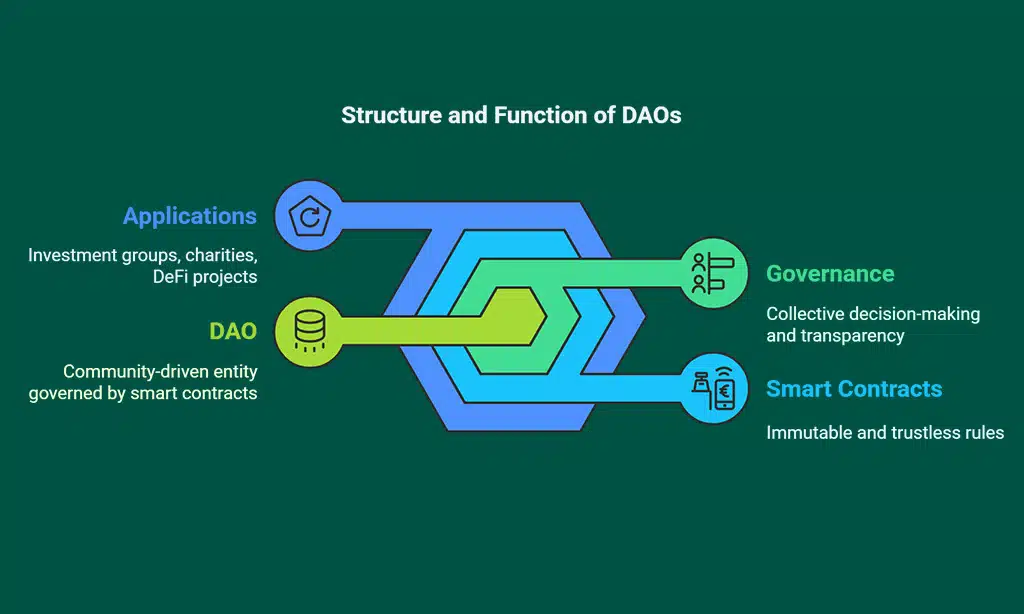
A Decentralized Autonomous Organization [DAO] is a community-driven entity governed by smart contracts rather than centralized leadership, ensuring transparency, automation, and collective decision-making.
DAOs eliminate the need for traditional hierarchical management structures by allowing token holders to propose, vote on, and implement changes within an organization. The rules and operations of a DAO are encoded in blockchain-based smart contracts, making them immutable and trustless.
This revolutionary model has been applied to investment groups, charitable organizations, and even decentralized finance [DeFi] projects, fostering an inclusive and democratic approach to governance.
How DAOs Operate:
- Members hold governance tokens.
- Proposals are submitted and voted upon.
- Approved decisions are executed via smart contracts.
Real-World Use Cases of DAOs
- Investment Collectives: DAOs like The LAO allow members to vote on investments.
- Community-Driven Projects: Gitcoin funds open-source development via DAO voting.
6. Web3’s Impact on Content Creation and Distribution
Web3 removes the power of centralized algorithms, giving creators more control over their content and ensuring a more equitable digital landscape.
Traditional content platforms often use opaque algorithms that prioritize profit-driven engagement metrics over quality or originality, leaving creators at the mercy of fluctuating reach and monetization models.
With Web3, content creators can directly interact with their audience through decentralized platforms, retaining greater autonomy over their work. Furthermore, tokenized reward systems allow for community-driven content curation, where users, not corporations, determine what gains visibility and traction.
Benefits for Creators:
- No more demonetization due to algorithm changes
- Direct user engagement without platform interference
- Decentralized funding through tokenization
Decentralized Storage and Data Ownership
Traditional cloud storage is centralized and prone to censorship. Web3 alternatives like IPFS [InterPlanetary File System] and Filecoin offer censorship-resistant, decentralized storage.
Centralized vs. Decentralized Storage
| Feature | Centralized [AWS, Google] | Decentralized [IPFS, Filecoin] |
| Control | Owned by corporations | User-owned, censorship-free |
| Security | Vulnerable to breaches | Cryptographically secure |
| Cost | Subscription-based | Pay-as-you-use |
7. The Metaverse and Immersive Digital Experiences
The Metaverse is a decentralized, immersive digital space where users interact through avatars in a fully virtual environment.
Unlike traditional online spaces controlled by centralized entities, the Metaverse leverages Web3 technologies like blockchain, NFTs, and DAOs to enable users to truly own, control, and monetize their digital assets and identities.
Blockchain ensures secure, transparent transactions, while NFTs allow users to buy, sell, and trade unique virtual assets such as land, avatars, and digital wearables. DAOs enable decentralized governance, allowing communities to collectively manage and shape virtual worlds.
As major brands and businesses invest in the Metaverse, this digital realm is evolving into a hub for social interaction, entertainment, e-commerce, and even professional collaboration.
How Web3 Powers the Metaverse:
- NFT-backed virtual real estate ensures digital ownership.
- Smart contracts facilitate peer-to-peer transactions.
- Decentralized identity enables seamless cross-platform interaction.
Virtual Real Estate and Digital Economy in the Metaverse
Virtual land in platforms like The Sandbox and Decentraland is being purchased as digital assets. Major brands, including Adidas and Gucci, have entered the space to build virtual experiences.
Use Cases of Virtual Real Estate:
- Digital storefronts for businesses
- Virtual concerts and events
- Remote workspaces and virtual offices
Takeaways
Web3 is set to revolutionize the internet, offering greater privacy, decentralization, and monetization opportunities.
The 7 Ways Web3 Will Change How We Use the Internet illustrate how this technology will reshape financial systems, content creation, digital identities, and governance.
As Web3 adoption accelerates, users and businesses must adapt to this decentralized future. Whether through embracing cryptocurrencies, exploring NFTs, or participating in DAOs, the future of the internet is more transparent, user-driven, and empowering than ever before.