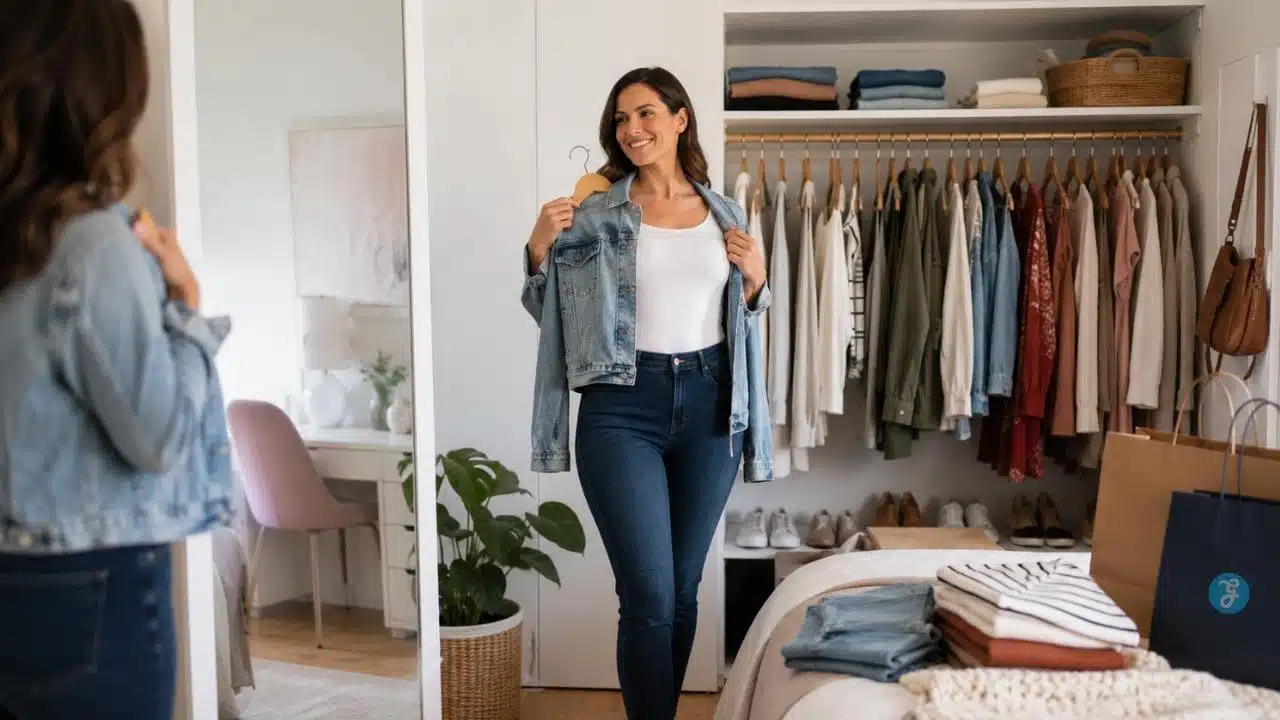
Losing weight often marks the beginning of a new chapter. For many people, that chapter includes the excitement of trying different styles, exploring clothing that feels more comfortable, and finding pieces that better reflect how they want to present themselves. Yet replacing a wardrobe can be surprisingly expensive, especially when sizes are changing and personal preferences are evolving at the same time.
The good news is that building a fresh wardrobe does not have to happen overnight. A thoughtful approach can help create a closet that feels intentional rather than rushed. By focusing on budgeting, personal style, fit, and long-term value, shoppers can navigate the process with greater confidence and less financial stress.
Use Flexible Payment Options to Spread Out Costs
One of the first realities many people face after weight loss is that replacing clothing can become a significant expense. Basics such as jeans, workwear, shoes, outerwear, and undergarments can add up quickly, particularly when multiple sizes need updating within a relatively short period.
This is one reason buy now pay later companies make this easier than ever and are worth using responsibly. Rather than purchasing an entire wardrobe at once and paying a large upfront cost, many shoppers use installment plans to spread purchases across several payments. This approach can make it easier to invest in higher-quality staples that may offer better longevity than cheaper alternatives.
For individuals rebuilding their wardrobes gradually, flexible payment options can also create room for more thoughtful decision-making. Instead of settling for items that are merely affordable at the moment, shoppers may have greater freedom to select pieces that better suit their needs and lifestyle. The key is approaching these services as budgeting tools rather than opportunities to spend beyond one’s means.
Focus on Core Pieces Before Trend Items
The temptation to buy everything at once can be strong, especially after reaching a personal goal. However, many style professionals recommend starting with foundational items before moving on to statement pieces.
A well-fitting pair of jeans, versatile trousers, comfortable tops, and dependable shoes often provide more value than a closet full of trendy items that may only be worn occasionally. Building around these essentials creates a strong foundation that can be expanded over time.
This strategy also allows shoppers to assess which items they truly need. After a few weeks of wearing newly purchased basics, gaps in the wardrobe often become much easier to identify. Rather than chasing every seasonal trend, focusing on versatile pieces can create a collection of clothing that works across multiple settings and occasions.
Understand the Emotional Side of Clothing Purchases
Shopping after weight loss often involves more than practical considerations. Clothing can become connected to personal milestones, confidence, and self-perception. These emotions sometimes influence purchasing decisions in ways that are not immediately obvious.
The psychology of shopping suggests that buying behavior is frequently linked to emotional experiences. Someone celebrating a major achievement may feel inclined to purchase expensive items as a reward. Others may hesitate to invest in clothing because they are uncertain whether their size will continue to change. Neither reaction is unusual. Recognizing these feelings can help create a healthier relationship with shopping. Instead of viewing purchases as rewards or tests of success, it may be more useful to focus on how clothing supports daily comfort and confidence.
Approaching shopping with clear goals and realistic expectations often leads to more satisfying choices and fewer regrettable purchases.
Prioritize Fit Rather Than the Number on the Tag
Many people are surprised to discover how inconsistent sizing can be across brands. A garment that fits perfectly in one store may feel entirely different elsewhere, even when the size label appears identical.
For that reason, fit often matters far more than the number printed inside a garment. Clothing that fits comfortably tends to look more polished and feel more natural, regardless of the size attached to it.
Tailoring can also be a worthwhile consideration during a wardrobe transition. Small adjustments can improve the appearance of favorite pieces and extend their usefulness. In some situations, altering existing clothing may provide greater value than replacing it altogether. Focusing on comfort, movement, and proportion rather than labels can make the shopping experience less stressful and more productive.
Build a Closet That Reflects Your Current Lifestyle
A wardrobe should support daily life rather than an idealized version of it. While special occasion outfits have their place, most people spend far more time in clothing designed for work, errands, family activities, and social gatherings.
Before making major purchases, it can help to consider how time is actually spent throughout the week. Someone working from home may prioritize elevated casual wear. Professionals who spend time in offices may need versatile business attire. Parents with active schedules often benefit from comfortable pieces that can transition between multiple activities. When clothing aligns with real-world needs, it tends to get worn more frequently and provide greater value over time.
Refreshing a wardrobe after weight loss can feel exciting, but it does not need to happen all at once. A focus on smart budgeting, thoughtful purchases, proper fit, and realistic lifestyle needs can help create a closet that feels both practical and rewarding.