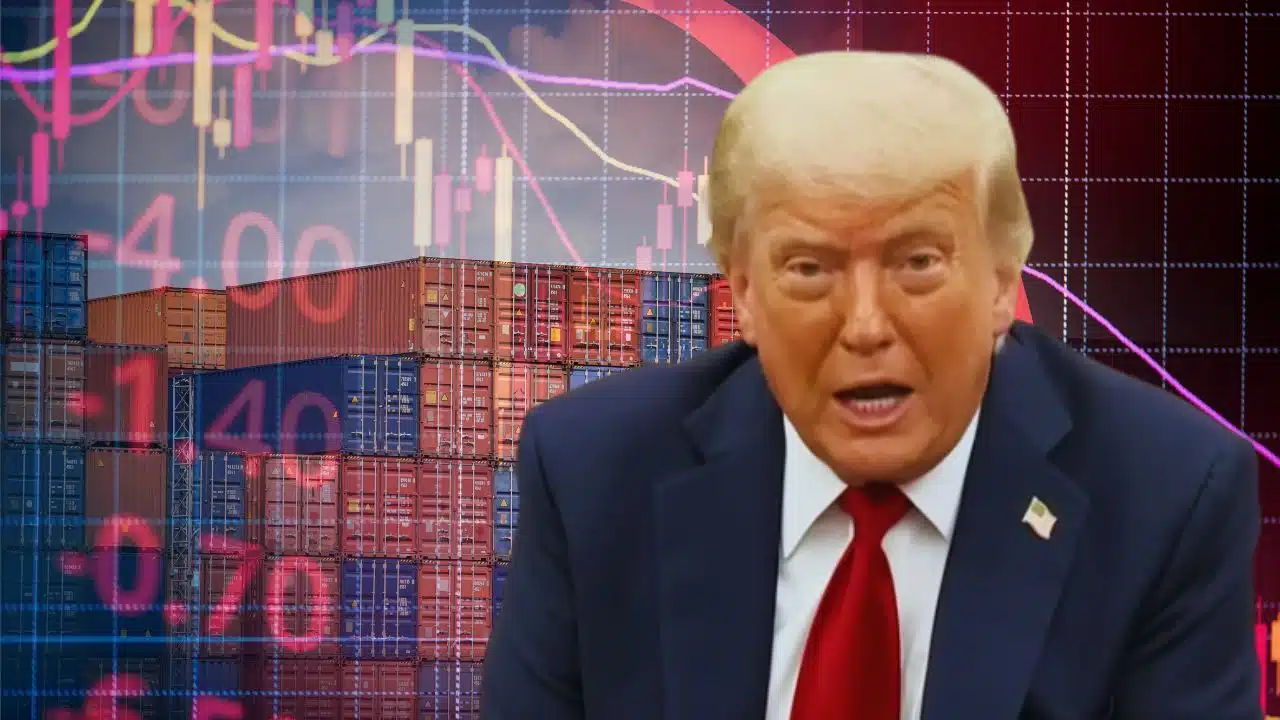
U.S. President Donald Trump has urged the European Union (EU) to impose tariffs of up to 100% on goods from India and China in a dramatic escalation of efforts to pressure Russian President Vladimir Putin. The proposal was revealed during a conference call with senior U.S. and EU officials in Washington on September 9, 2025, according to reports from the Financial Times and Reuters.
The idea behind the tariff demand is simple but far-reaching: both India and China have become the largest importers of Russian oil, providing Moscow with a steady revenue stream despite Western sanctions. By hitting their exports with steep tariffs, Washington hopes to force New Delhi and Beijing to reconsider their reliance on Russian energy and, in turn, weaken Russia’s ability to sustain its war in Ukraine.
U.S. Willing to Mirror EU Measures
Trump’s push was not limited to rhetoric. According to officials briefed on the meeting, the United States would “mirror” any tariff hikes introduced by Europe. In other words, if the EU imposes 100% tariffs on Indian and Chinese goods, Washington would follow suit.
This marks a significant shift in U.S. strategy. While sanctions against Russia have been the cornerstone of Western policy since the invasion of Ukraine in February 2022, Trump is now seeking to expand the battleground into global trade policy.
An EU diplomat present at the talks confirmed the stance, saying, “The Americans are ready to go all the way, but they want us in step. They know unilateral moves would be less effective.”
India Already Hit by U.S. Tariffs
India has already felt the sting of U.S. tariffs. Earlier in 2025, Washington slapped a 25% punitive duty on Indian goods due to New Delhi’s oil purchases from Russia, raising overall tariffs on some imports to 50%.
The Indian government has strongly objected to these measures. New Delhi called them “unfair, unjustified, and unreasonable,” highlighting that both the U.S. and EU continue to maintain certain levels of trade with Russia themselves.
Despite the tariffs, India’s economic ties with Moscow have grown at record speed. Data from the Indian embassy in Moscow shows bilateral trade reached $68.7 billion in the year ending March 2025—almost six times higher than before the pandemic when trade stood at $10.1 billion. The surge has largely been driven by discounted Russian oil purchases, which India refines and then exports to other global markets.
China’s Strategic Position
China, the largest buyer of Russian oil, has so far escaped the full force of U.S. and EU “secondary” sanctions. Earlier this year, Beijing negotiated a truce with Washington that reduced additional levies on Chinese products to 30%, avoiding the harsher penalties India faced.
However, Trump’s latest proposal suggests that China’s protection may be slipping. Analysts believe Washington is frustrated that China continues to deepen its partnership with Moscow despite multiple rounds of trade talks.
During the Shanghai Cooperation Organization (SCO) summit in Beijing last week, President Putin, Chinese President Xi Jinping, and Indian Prime Minister Narendra Modi reaffirmed their commitment to energy and security cooperation, underlining a united front against Western pressure.
EU Trade Balance and Challenges
The EU itself faces a delicate balancing act. According to European Commission data, its trade with Russia remains significant:
- €67.5 billion ($78.1 billion) in goods trade with Russia in 2024.
- €17.2 billion in services trade in 2023.
For many European economies already battling high energy costs, inflation, and fragile supply chains, a new tariff war could further destabilize markets.
Some EU countries, particularly those heavily dependent on cheap imports from India and China, are likely to push back against Washington’s request. Others, especially Eastern European states close to Ukraine, may welcome the move as a show of transatlantic solidarity.
Trump-Putin Meeting in Alaska Brought No Breakthrough
Trump’s tariff proposal comes just weeks after his highly anticipated meeting with President Putin in Alaska. The talks had raised hopes of a potential ceasefire, but the outcome was limited.
In a joint press conference, Putin stressed that “the root causes of the conflict” must be addressed before peace could be achieved. Trump, meanwhile, said both leaders had “made some headway” but admitted that a “couple of big points” remained unresolved.
The lack of tangible progress has heightened pressure on Trump to show stronger action against Moscow, leading to his latest tariff push.
Ongoing Trade Negotiations With India
Despite the tariff tensions, Trump insists relations with India remain strong. In a recent post on X (formerly Twitter), he described Modi as a “very good friend” and expressed confidence that ongoing trade negotiations would end successfully.
“Trade talks are progressing very well. We will reach a successful conclusion,” Trump wrote.
Indian officials have echoed this optimism. Modi recently emphasized that the U.S.-India partnership has ‘limitless potential’, even while his government resists U.S. pressure on Russian energy imports.
China Talks Stall
By contrast, Washington’s negotiations with China appear stalled. In late August, Chinese trade negotiator Li Chenggang visited Washington, but officials described the talks as making “little progress.”
With Beijing doubling down on ties with Moscow, U.S. officials fear that tariffs may be the only remaining leverage. However, a full 100% tariff regime could trigger a major escalation in U.S.-China economic tensions, already strained by years of disputes over technology, security, and supply chains.
The Bigger Picture: Risks and Implications
If implemented, 100% tariffs on India and China could have far-reaching consequences:
- Global supply chains: Tariffs would drive up costs for European consumers and businesses, particularly in industries reliant on Indian pharmaceuticals, textiles, and IT services, or Chinese electronics and machinery.
- Geopolitical divides: India and China could deepen their cooperation with Russia, portraying Western tariffs as unfair economic coercion.
- EU divisions: While the U.S. seeks EU unity, the bloc is divided. Countries like Poland or the Baltic states may support harsher measures, but Germany, France, and southern European economies might resist.
- U.S. credibility: Trump’s dual approach—escalating tariffs while maintaining friendly rhetoric with Modi—highlights Washington’s complex and sometimes contradictory trade posture.
President Trump’s push for 100% tariffs on India and China underscores the shifting nature of U.S. strategy against Russia. While sanctions alone have not forced Moscow to change course, Washington is now attempting to leverage global trade relationships to weaken Putin’s war chest.
The plan faces serious challenges: divisions within the EU, India’s resistance, China’s growing alignment with Russia, and the risk of global supply chain shocks. But it also marks one of the most aggressive efforts yet by Washington to expand the pressure campaign beyond sanctions.
Whether Europe agrees to follow Trump’s lead could determine if this tariff threat becomes a turning point—or another flashpoint—in the geopolitics of the Russia-Ukraine war.
The Information is Collected from BBC and CNBC.