Do you ever feel overwhelmed by juggling tasks, emails, and meetings in your busy day? Imagine this, you’re staring at a packed Google Calendar, trying to track projects while sifting through Gmail inboxes full of junk mail.
It’s like herding cats, right? Many folks struggle with scattered tools that waste time and kill productivity. Workflow automation sounds great, but without smart features, it just adds to the chaos.
Artificial intelligence is changing that fast; one key fact shows AI tools now use machine learning to spot patterns in time allocations and boost operational efficiency. This post explores 12 tracking softwares packed with AI powers, like predictive analytics for sales and anomaly detection for bugs.
You’ll get the scoop on how they automate everything from project management to sentiment analysis in emails. Stick around to see which ones will transform your workday.
Key Takeaways
- Monday.com offers AI for project management with pricing from free for two seats, basic at $9 per month per seat annually for three or more users, standard at $12, pro at $19, and enterprise custom, plus an 18% discount on annual billing and a 14-day free pro trial.
- Toggl Track uses AI to analyze time usage and integrates with tools like Gmail and Asana; similar tools include Akiflow at $19 monthly or $167 yearly, and Trevor AI at $3.99 monthly or $29.99 yearly.
- Salesforce’s Einstein AI provides sales forecasting with predictive analytics on historical data, opportunity scoring, and real-time dashboards for performance metrics.
- HubSpot’s AI automates CRM tracking with predictive lead scoring, customer segmentation, and AI-driven reports on sales pipeline bottlenecks.
- Jira employs AI for bug tracking with automated triage, risk analysis, and integrations with GitHub and GitLab for status updates.
AI-Powered Project Management Tools
Project managers, you know the drill—juggling tasks like a circus performer, and one slip can send everything tumbling. AI tools step in like a trusty sidekick, automating workflows and boosting productivity with smart features that predict issues before they hit.
How does Asana use AI for task tracking and scheduling?
Asana taps into artificial intelligence to act like a smart personal assistant for your tasks. It handles workflow automation by learning your habits and productivity patterns. Imagine this, you’re juggling a bunch of deadlines, and Asana steps in to predict task durations with predictive analytics.
This ai tool breaks down projects into bite-sized parts, making everything feel less like a mountain to climb. Teams love how it adapts to individual styles, almost like it reads your mind on busy days.
Motion sets a good example with features that mirror what Asana does, such as auto task scheduling and dynamic calendar tweaks. Asana integrates with tools like Google Workspace or Microsoft Teams for smooth cross-app flow.
It auto-reschedules items when plans shift, keeping your todo list on track. Deep learning helps it spot patterns in your work, boosting general project management. Folks in software development find it cuts down on those endless meetings, freeing up time for real innovation.
What AI features does Monday.com offer for project management?
Monday.com packs artificial intelligence into its project management software to make workflows smoother for teams. It links code to business outcomes through monday dev, offering end-to-end project management with AI insights.
Imagine you’re juggling sprints and suddenly the AI sprint assistant jumps in, like a helpful sidekick, to automate sprint management and agile reporting. Teams get predictive analytics that spot delays before they hit, thanks to AI-powered risk analysis for early detection of project roadblocks.
Intelligent resource allocation matches tasks to team capacity, boosting productivity tools across the board.
GitHub and GitLab integration shines here, enabling automated status updates and better cross-team communication, all powered by artificial intelligence. Monday dev embeds governance checkpoints into workflows for control and automation, while providing strategic decision support through intelligent workflows.
Developer ownership grows with leadership visibility, and it eliminates the product backlog by tying into business intelligence. Pricing starts free for up to two seats, then basic at nine dollars per month per seat annually for at least three users, standard at twelve, pro at nineteen, and enterprise with custom pricing.
Grab an eighteen percent discount on annual billing, or try the fourteen-day free pro trial to see these AI tools in action.
Time Tracking Software
Ever feel like time slips away faster than sand through your fingers? Tools like Toggl Track use artificial intelligence to spot patterns in your work hours, helping you boost productivity with smart insights.
Clockify takes it up a notch with predictive analytics that generate reports on team efficiency, making it easy to tweak habits and stay on top of deadlines.
How can Toggl Track analyze time usage with AI?
Toggl Track taps artificial intelligence to pull tasks from spots like Gmail, Slack, Asana, and Todoist. It creates a single spot for your time overview, no more jumping around apps.
Imagine your day gets a smart map, showing where hours slip away. AI sorts those tasks into groups, and it even pitches ideas on what to tackle first, boosting your productivity tools game.
Tools like Akiflow mirror this at $19 a month or $167 a year, using AI for priority tips and task labels. Reclaim AI steps in with habit scheduling to track what you finish and tweak routines.
Toggl’s AI predicts how long activities take and shifts them around automatically. Trevor AI, at $3.99 monthly or $29.99 yearly, adds drag-and-drop timelines with smart schedule suggestions, like a helpful sidekick for your daily grind.
What smart reports does Clockify provide through AI?
Clockify’s artificial intelligence examines your time logs, spotting productivity trends and workflow bottlenecks like a sharp-eyed detective. It generates automatic documentation and summary reports for teams, making sense of scattered hours without the hassle.
Imagine you’re wrapping up a busy day, and Clockify’s AI reporting features pop up with end-of-day summaries, such as Trevor’s “Reality Check,” which shines a light on task completion and total productivity.
Data-driven habit optimization keeps you on track, while completion tracking flags what got done and what didn’t. Teams love how these AI tools integrate with calendars and external task managers, say Google Calendar or Todoist, adding richer context to every report.
Clockify uses AI-generated project summaries to break down time analytics, helping pinpoint spots for better team efficiency, almost like a coach reviewing game tape. Productivity tools like this turn raw data into actionable insights, easing the load on project management.
Imagine chatting with an AI bot that automates these reports, freeing you up for real work. It tackles data analytics head-on, optimizing habits through smart completion tracking. These features blend seamlessly with tools such as Google Drive, ensuring your reports pack a punch with full context from integrated sources.
Employee Monitoring Tools

Imagine, your team stays on track without constant check-ins, thanks to AI that spots slack spots like a hawk. Explore how Hubstaff crunches data for real productivity wins, and ActivTrak dishes out smart insights on work habits, keeping things smooth and fair.
How does Hubstaff use AI to track productivity?
Hubstaff taps into artificial intelligence to boost productivity tools in clever ways. It monitors activity levels and work patterns, like a smart coach spotting your team’s rhythm.
Imagine you’re juggling tasks, and Hubstaff’s AI jumps in with automated time tracking, idle detection, and productivity scoring to keep things on point. Teams love how these features turn raw data into gold, helping everyone stay sharp.
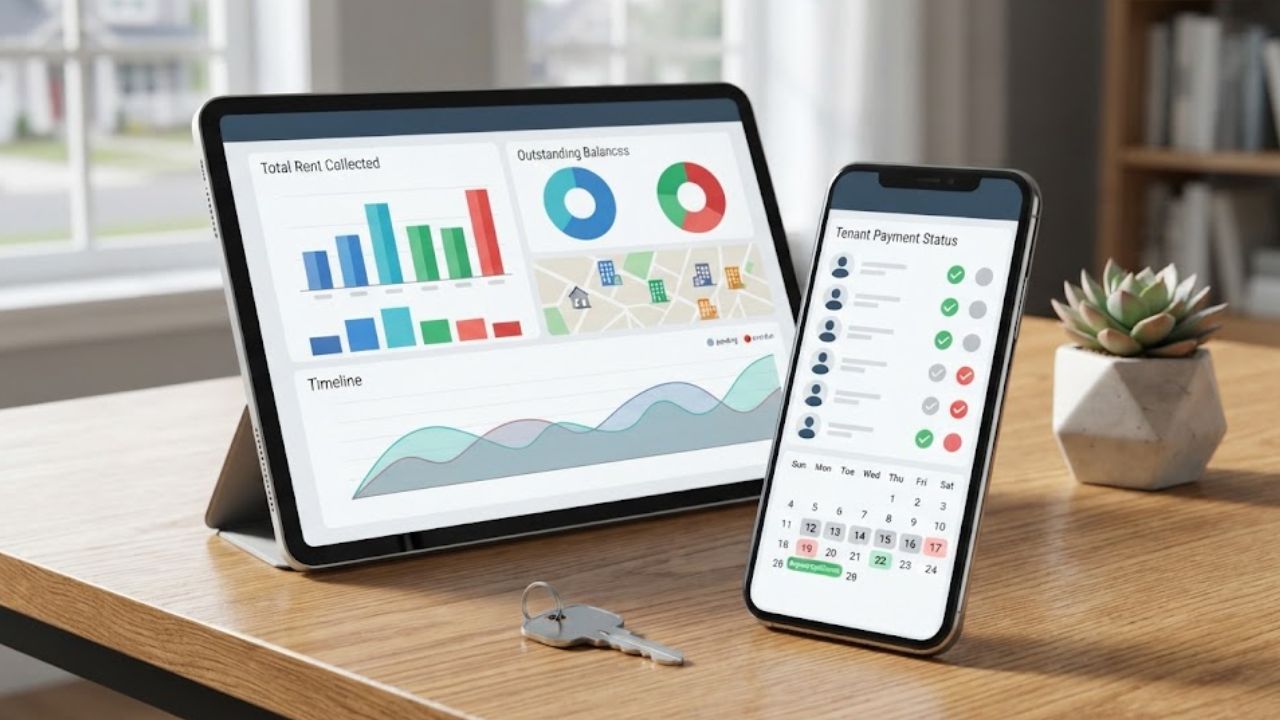
AI analytics in Hubstaff alert managers to workflow bottlenecks or underutilized capacity, acting like a predictive analytics wizard that foresees issues. You get real-time dashboards for productivity metrics, fueled by this tech.
And AI-driven insights guide teams to tweak resource allocation and task assignments for top output. Integration with payroll and invoicing systems shines brighter thanks to AI-generated productivity data, making workflow automation a breeze.
What behavioral insights does ActivTrak’s AI deliver?
ActivTrak’s artificial intelligence examines behavioral analytics, spotting trends like focus time against distraction periods. It tracks attention spans, break frequency, and workload balance metrics to keep teams on point.
Imagine your productivity tools acting like a smart coach, flagging when someone needs a breather before burnout hits.
This AI segments users by productivity levels and dishes out customized coaching tips. Automatic anomaly detection alerts managers to odd work patterns for quick reviews. Also, those AI-generated reports empower HR and team leads with predictive analytics for smarter workflow tweaks, making employee monitoring feel like a helpful sidekick rather than a watchdog.
Sales and CRM Tracking Tools
Imagine turning your sales team into fortune tellers, with tools that predict deals before they happen. Salesforce leads the pack here, using predictive analytics to forecast sales trends, while HubSpot amps up CRM with conversational AI that tracks customer chats like a pro.
How does Salesforce use AI for sales forecasting?
Salesforce taps into artificial intelligence, like its Einstein tool, to forecast sales. Teams love how it predicts outcomes and checks pipeline health. Imagine you’re juggling leads, and Einstein steps in like a smart sidekick.
It crunches historical sales data with predictive analytics. That gives accurate revenue forecasts. No more guesswork in your sales game.
Salesforce’s AI automates opportunity scoring and spots high-value leads first. Dashboards powered by AI show real-time insights on performance metrics. They help teams spot market shifts early.
Then, they adjust strategies on the fly. Plus, the system auto-generates follow-up tasks and reminders. It bases them on customer behavior patterns. This boosts productivity tools in your CRM setup.
What AI capabilities does HubSpot have for CRM tracking?
HubSpot’s artificial intelligence automates contact management in CRM workflows. It tracks communications with ease, like a smart assistant that never sleeps. Imagine you’re juggling leads, and AI jumps in with predictive lead scoring.
This spots hot prospects fast. AI also handles customer segmentation, grouping folks by behavior. Teams get insights on customer journey stages, plus next-best-action recommendations.
That means sales reps know exactly what to do next, boosting productivity tools in a snap.
AI-driven reports shine a light on sales pipeline bottlenecks. They measure deal velocity too, keeping things moving. Integration with email accounts and marketing automation amps up these AI tools.
For instance, AI auto-schedules follow-ups and reminders for sales reps. Imagine chatting with an AI chatbot that sets your calendar without you lifting a finger. Generative AI even enhances recommendation systems here, making CRM tracking feel like a breeze.
Performance and Bug Tracking Software
Imagine your code as a sneaky fox, dodging bugs in the wild, but tools like Jira step in with neural networks to spot issues fast and fix them before they bite. BugSnag, on the other hand, harnesses machine learning for sharp error detection, turning chaotic crashes into clear paths for smoother software runs, so why not explore how these keep your projects on track?
How does Jira automate bug tracking with AI?
Jira uses artificial intelligence to make bug tracking a breeze in project management. It integrates AI for sprint management, agile reporting, and automated bug triage. Imagine it like a smart coach spotting weak spots on your team.
AI features handle risk and resource analysis, plus intelligent backlog prioritization. The AI assistant clarifies vague requirements and auto-assigns bugs to the right team members.
This boosts productivity tools in your workflow.
Predictive analytics in Jira spot project delays early and suggest fixes. Integration with GitHub and GitLab brings automatic status updates, improving workflow automation. Jira’s AI-driven setup streamlines the resolution process and sharpens reporting accuracy.
Think of it as neural networks teaming up with your development cycles to catch issues fast. AI tools like these cut through the noise, making bug hunts feel less like a wild goose chase.
How does BugSnag use machine learning for error detection?
BugSnag taps into machine learning to spot app errors fast. This tech detects, sorts, and ranks those glitches in real time, like a sharp-eyed guard on duty. Developers love how it learns from old problems to boost accuracy over time.
Picture your code as a busy highway; machine learning models scan for repeat crashes and dig up root causes, speeding up fixes. Teams get AI-driven alerts that zero in on bugs hurting user experience most.
All this ties into the software development lifecycle, making testing tools smarter and slashing security vulnerabilities.
Dashboards powered by ML paint clear pictures of error trends, spotlighting odd spots that need quick looks. Imagine chatting with your data, where anomalies pop out like red flags in a crowd.
Engineers use these insights right in their workflows, thanks to smooth links with development pipelines. Artificial intelligence here acts as a helpful sidekick, turning raw info into actionable steps.
Productivity tools like this cut down chaos, letting teams focus on what matters. Ai technologies refine the process, much like predictive analytics forecasting a storm before it hits.
Takeaways
AI tracking tools change how teams work, boosting speed and smarts in every step. Picture your projects flowing smooth like a well-oiled machine, with tools like monday dev spotting risks before they bite.
Grab these gems now, folks, and watch your productivity soar, leaving old frustrations in the dust.
FAQs on Tracking Software with AI Features
1. What makes workflow automation stand out in these tracking software with AI features?
Workflow automation in tools like UiPath streamlines project management, saving you time like a trusty sidekick that never sleeps. It uses artificial intelligence to handle repetitive tasks, so you focus on the big picture.
2. How does Siri fit into iOS tracking software?
Siri on iOS acts as a voice user interface, letting you control productivity tools with simple voice commands.
3. Can these AI tools help with predictive analytics in meetings?
Yes, AI chatbots in meeting notes software use predictive analytics to summarize discussions, spotting trends before they hit you. Imagine them as crystal balls for your team huddles, pulling insights from data like pros. They even integrate with Google Sheets for quick reports.
4. What role do large language models play in these tracking features?
Large language models like GPT-4o power AI tools for tasks such as refactoring code in Replit or generating content.
5. How do recommendation engines improve user experience in mobile apps?
Recommendation engines in apps like Spotify analyze your habits, suggesting tracks that feel just right, boosting user experience. They use computer vision and data from cookies to personalize everything, making your day smoother. Think of them as friendly guides who know you better than you know yourself.
6. Are there concerns about biases in these AI tracking software?
Biases can sneak into tools like Stable Diffusion or TensorFlow, so AI ethicists stress the need for explainable AI to spot and fix them. It keeps things fair, avoiding those security holes that pop up unexpectedly.