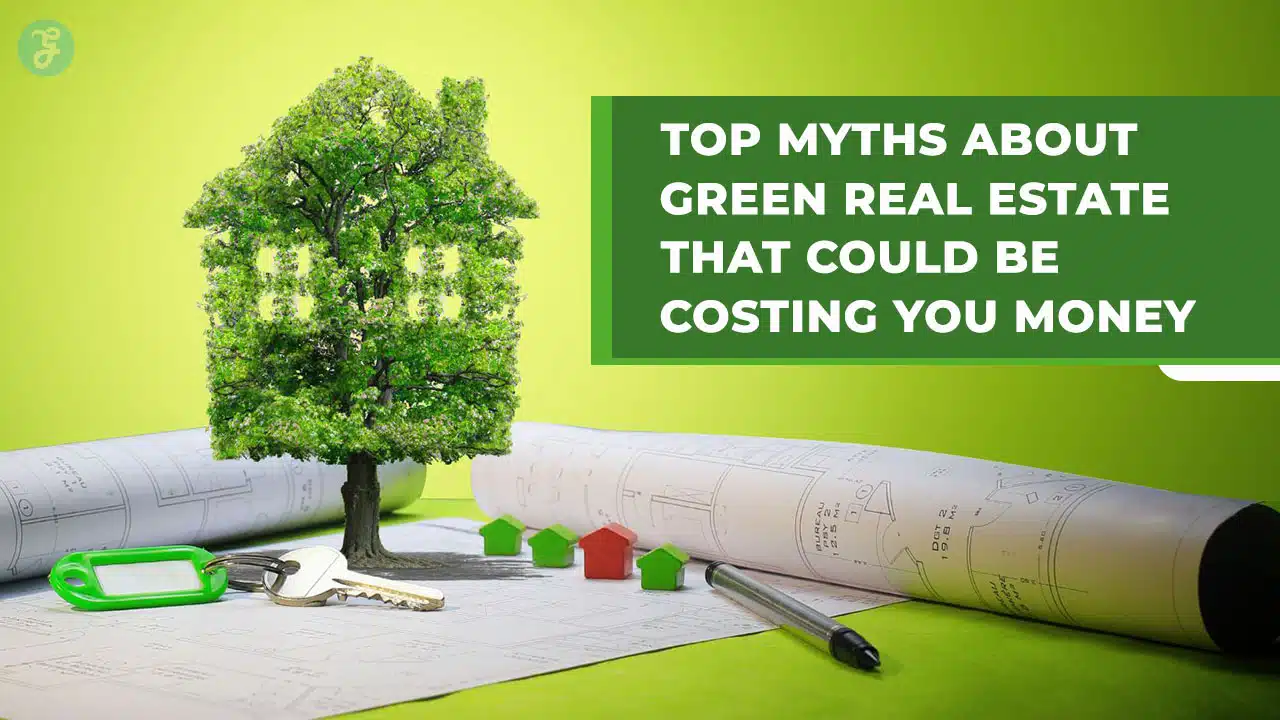
Many people skip green homes fearing big bills. They think energy-efficient upgrades will hike their mortgage, so they avoid passive house or a basic energy audit. They stick with old heating and cooling, even if it spikes energy costs and carbon footprint.
They miss out on true energy savings.
Did you know a sustainable home can sell for about 3.5% more than a regular one? We will bust myths about solar panels, green roofs, and green retrofits, and show you how to boost resale value.
We’ll share tips on rebate programs, smart lending moves, and real dollars saved. Read on.
Key Takeaways
- Buyers pay 3.5% more for sustainable homes; green properties in North Carolina sold for 9.5% more. Owners recoup a 10% upgrade cost through energy savings, clean energy rebates, and PACE grants from banks and the EPA.
- Smart retrofits convert old houses into green homes. Adding insulation cuts over 200 tons of CO2, and a 2,400-sq ft Passive House saves 128 tons of CO2 in 20 years under expert guidance.
- Upgrades like solar panels, LED lights, and low-E window films raise sale prices by about 5%. LEED certification lifts home value by 7% above local averages.
- Solar PV systems often earn near 10% returns over 20 years. Energy expert Joshua M. Pearce, PhD, shows solar beats grid power on cost, and government incentives boost ROI.
- Green maintenance feels like traditional fixes. Energy Star appliances save up to 20% energy, green roofs shed water and block mold, and simple apps track real performance.
Myth: Green Homes Are Too Expensive
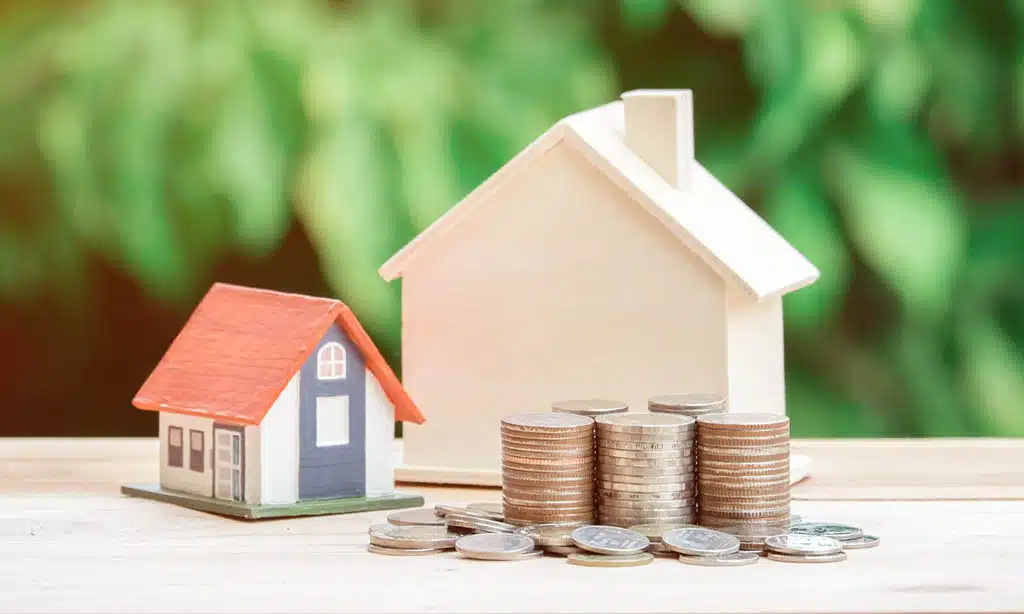
Energy-efficient homes may carry a 10% premium over code-built houses. Builders add solar panels, green roofs, extra insulation, and LED lights. These upgrades cut carbon dioxide emissions and shrink energy bills.
Buyers see a 3.5% jump in sale price for sustainable homes. In North Carolina, certified green properties sold for 9.5% more.
Owners recoup extra costs through energy savings and clean energy rebates. Banks and the EPA fund property assessed clean energy plans and green building grants. A modern heat pump or passive house design shrinks heating load and trims carbon footprint.
Solar panels feed renewable energy back to the grid. Investors tally long-term savings and find these net-zero homes pay off.
Myth: Only New Homes Can Be Made Sustainable
Owners of old houses can slash greenhouse gas emissions by retrofitting insulation. A full upgrade in a poorly insulated home saves over 200 tons of carbon dioxide. A 2,400 square foot Passive House beats a standard model, cutting 128 tons over 20 years.
Energy specialists guide these green building moves. Energy efficiency rises and energy savings follow.
Tiny homes need less energy for heat and cool. Super-insulated homes cost the least to heat thanks to air sealing. Net-zero homes start with tight walls and roofs. LED lights and green roofs boost comfort and curb carbon footprints.
These sustainable homes prove new builds are not the only path.
Myth: Going Green Does Not Add Resale Value
Buyers pay more for homes with energy efficiency upgrades. Recent data shows that energy-saving window films, LED lights, and solar panels lift sale prices by about 5%. LEED certified houses can fetch 7% above the local average.
That gain matters for folks who move 11 times in their lives.
Certifications spur buyer interest and cut greenhouse-gas emissions. Agents report net-zero homes draw more offers at open houses. The green features trim utility bills and shrink property tax burdens.
Those upgrades boost curb appeal and lock in energy savings.
Myth: Solar Panels Are Not Worth the Investment
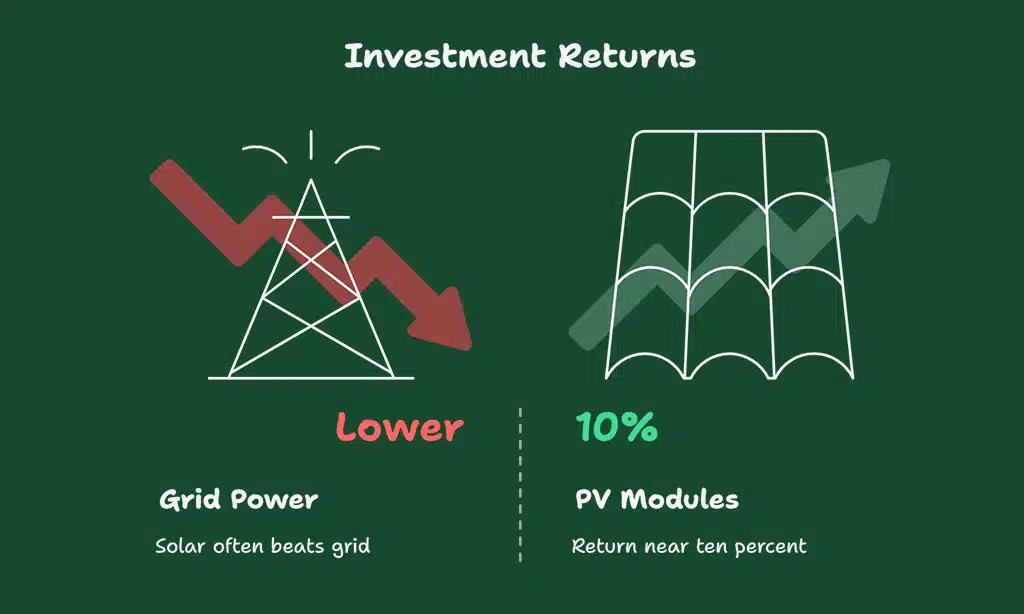
Investors see big returns from PV modules. They earn high single digits, often near ten percent, over 20 years. Energy expert Joshua M. Pearce, PhD, shows solar often beats grid power in cost-benefit tests.
A study says 79 American billionaires could cover every watt of our power with solar and keep their fortunes. Solar ranks as one of the cheapest energy sources while cutting carbon dioxide emissions.
Homeowners cut heating and air conditioning bills with a sound photovoltaic system. That drives down energy consumption and carbon footprint. Many green construction projects in net-zero homes earn government incentives and energy rebates.
Passive houses use led lights and smart controls for peak efficiency. PV modules now cost less, making sustainable homes more within reach. That boosts both resale value and return on investment.
Myth: Green Renovations Are Difficult to Maintain
Most repairs in green homes feel just like fixing an old house. You can retrofit Energy Star rated appliances, air system improvements, low-E windows and CFL bulbs in a weekend. Energy Star dryers use about 20% less energy than old models, saving about $215 over the lifetime.
You boost energy efficiency and curb passive house design. These upgrades slash carbon footprint and cut greenhouse gas emissions. They pay back in energy savings and come with tax incentives.
Modern green buildings stay bright and leak free. A green roof sheds water and resists mold. You track performance with google analytics or a simple phone tool. That app shows real data.
It helps you suss out a draft or a pool pump drain. Maintenance feels no harder than cleaning a screen door.
Takeaways
You saw how zero energy houses can boost resale value. This post crushed the idea that green homes drain wallets. Small changes, like smart thermostats and light-emitting diodes, can slash your CO2 footprint.
Installing photovoltaic arrays can pay back in energy savings. Good rebates and tax credits make upgrades easy. Green building works, and your wallet will thank you.
FAQs on Top Myths About Green Real Estate
1. Do green homes cost more to buy and never pay back?
Green homes can cost more at first. But they save energy. Low energy bills and solid energy savings pay back investments over time.
2. Will solar panels hike my mortgage rate?
Solar panels cut utility costs. They boost home value. They rarely raise your interest rate. Lenders see them as smart renewable energy upgrades.
3. Are led lights and compact fluorescent lights too dim?
Led lights and fluorescent bulbs shine bright. They use less power than traditional bulbs. You get clear light and cut carbon dioxide emissions.
4. Does a net zero home wipe out all power bills?
Net zero homes balance energy use with renewable energy. You still pay for hot water and some peak use. But high energy efficiency trims bills a lot.
5. Do organic food and local produce affect my home’s eco score?
Local produce cuts food miles. Composting organics at home shrinks your carbon footprint. It shows your home is truly green.
6. Do green roofs and green building just add cost, not value?
A green roof feels like a garden hat for your house, but it works. It holds rain, cuts runoff to dumps. It trims solid waste, cuts greenhouse gas emissions. You can earn carbon offsets too.