

Are you ready to embrace a greener lifestyle and make a positive impact on the environment? These tips for creating a zero-waste living room are your guide to designing an eco-friendly space that combines functionality with sustainability.
In 2025, as the urgency to combat climate change grows, more individuals are rethinking how they live and consume. Your living room, often the heart of your home, can be a powerful starting point for your zero-waste journey.
A zero-waste living room not only reduces your household’s contribution to landfills but also promotes healthier living by eliminating harmful materials. It’s an opportunity to create a beautiful, inviting space that reflects your commitment to sustainability. From selecting eco-friendly furniture to managing waste effectively, the path to a zero-waste living room is both practical and rewarding. Let’s dive into these actionable tips and discover how you can transform your living room into a sustainable sanctuary.
Embrace These Practical Tips for Creating a Zero-Waste Living Room
1. Embrace Minimalism
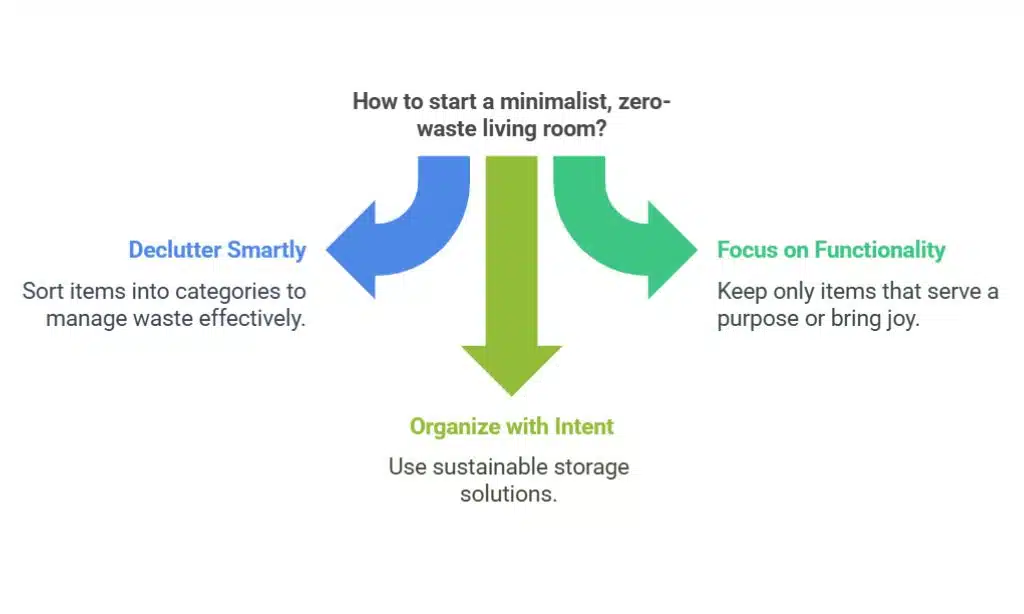
Decluttering is the first step toward a zero-waste living room. A minimalist approach reduces waste, enhances functionality, and creates a calming environment.
How to Start:
- Declutter Smartly: Sort items into categories: keep, donate, recycle, or discard responsibly.
- Focus on Functionality: Keep only items that serve a purpose or bring you joy.
- Organize with Intent: Use storage solutions made from sustainable materials.
Additional Benefits:
Minimalism also reduces mental clutter, allowing for a clearer and more focused mindset. Studies have shown that a tidy and organized environment can improve productivity and mental well-being.
| Benefits of Minimalism |
| Reduces unnecessary purchases |
| Promotes mental clarity and relaxation |
| Supports sustainable consumption |
2. Invest in Sustainable Furniture
Sustainable furniture is a cornerstone of zero-waste living. By choosing eco-friendly materials and durable designs, you reduce your environmental footprint.
Key Considerations:
- Material Matters: Opt for furniture made from bamboo, reclaimed wood, or recycled metals.
- Certifications to Look For: Check for labels like FSC (Forest Stewardship Council) and GREENGUARD.
- Buy Quality: Choose timeless designs that will last for years.
Supporting Circular Economy:
Many brands now offer furniture take-back programs, where they recycle old pieces into new products. Explore these options to further support sustainability.
| Sustainable Furniture Tips |
| Look for modular, easy-to-repair pieces |
| Shop from brands with transparent supply chains |
| Avoid fast furniture trends |
3. Upcycle and Repurpose Items
Upcycling and repurposing breathe new life into old items, reducing waste and adding unique charm to your living room.
Creative Ideas:
- Transform Old Furniture: Sand and repaint old wooden tables or chairs.
- DIY Projects: Convert wine crates into shelves or pallets into coffee tables.
- Repurpose Decor: Use glass jars as plant holders or candle holders.
Environmental Impact:
Upcycling reduces the demand for raw materials, conserving energy and minimizing landfill waste. It’s an effective way to combat the environmental effects of mass production.
| Examples of Upcycling Projects |
| Pallet coffee table |
| Wine crate bookshelves |
| Mason jar plant holders |
4. Choose Eco-Friendly Decor
Eco-friendly decor uses natural and biodegradable materials, enhancing the aesthetic appeal while supporting sustainability.
Suggestions:
- Rugs and Cushions: Choose items made from organic cotton, wool, or jute.
- Curtains: Look for options made from bamboo or recycled fabrics.
- Decor Items: Use ceramics, glass, or metal over plastic.
Cost-Effective Tips:
Many eco-friendly materials last longer than synthetic alternatives, making them a cost-effective investment in the long run.
| Eco-Friendly Decor Materials |
| Organic cotton |
| Bamboo |
| Recycled glass |
5. Opt for Second-Hand Finds
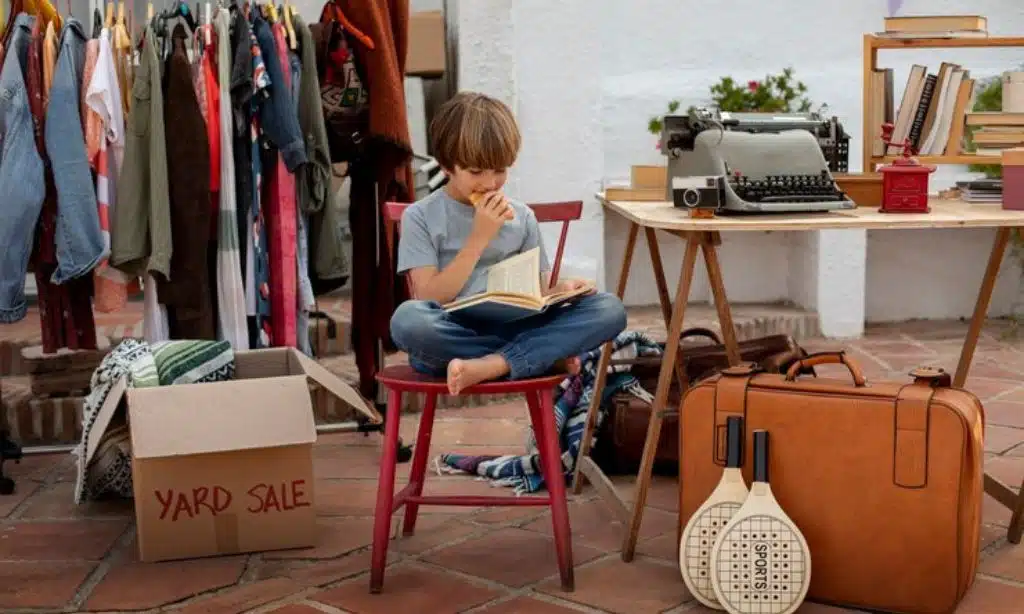
Second-hand shopping reduces demand for new production and gives pre-loved items a second life.
Where to Shop:
- Thrift Stores: Local shops often have unique furniture and decor.
- Online Platforms: Explore sites like eBay, Facebook Marketplace, or Craigslist.
- Flea Markets: Discover vintage and antique treasures.
Benefits:
Buying second-hand not only saves money but also supports a circular economy by reducing waste.
| Benefits of Second-Hand Shopping |
| Reduces waste |
| Saves money |
| Adds character to your space |
6. Avoid Single-Use Products
Single-use items contribute to unnecessary waste. Instead, choose reusable alternatives that are durable and stylish.
Alternatives:
- Cloth Napkins: Replace disposable paper towels.
- Washable Coasters: Avoid single-use drink mats.
- Reusable Covers: Use fabric covers instead of plastic wrap for small furniture.
Quick Fact:
The average household discards over 2,000 single-use items annually. Switching to reusable options can drastically reduce this number.
| Single-Use Replacements |
| Cloth napkins |
| Reusable storage covers |
| Washable placemats |
7. Use Energy-Efficient Lighting
Lighting is an essential part of any living room, and choosing energy-efficient options reduces electricity consumption.
Recommendations:
- LED Bulbs: Use less energy and last longer.
- Solar-Powered Lights: Ideal for decorative accents.
- Smart Lighting: Adjust brightness with energy-saving settings.
Additional Tips:
Use dimmers and motion sensors to further optimize energy use. These small adjustments can reduce electricity bills by up to 20%.
| Energy-Efficient Lighting Options |
| LED bulbs |
| Smart lighting systems |
| Solar-powered lamps |
8. Add Greenery with Indoor Plants
Indoor plants improve air quality and bring a touch of nature to your living room.
Tips for Sustainability:
- Choose Low-Maintenance Plants: Snake plants, pothos, and succulents are great options.
- Sustainable Potting: Use biodegradable pots or repurpose containers.
- Compost Plant Waste: Recycle trimmings into compost.
Fun Fact:
NASA studies have shown that certain indoor plants can remove up to 87% of toxins from the air within 24 hours.
| Popular Indoor Plants |
| Snake plant |
| Pothos |
| Peace lily |
9. Manage Waste Effectively
Proper waste management is key to maintaining a zero-waste living room.
Steps:
- Set Up Stations: Have separate bins for recycling, composting, and trash.
- Compact Solutions: Use stylish bins that blend with your decor.
- Label Bins Clearly: Make it easy for family members to sort waste.
Advanced Tips:
Research local recycling programs to ensure proper disposal of complex materials like electronics or textiles.
| Waste Management Essentials |
| Recycling bins |
| Compost bins |
| Clear labels |
10. Support Local Artisans
Buying locally made products reduces carbon emissions and supports small businesses.
Benefits:
- Unique Items: Add character with handcrafted pieces.
- Eco-Friendly Practices: Local artisans often use sustainable materials and methods.
- Community Impact: Support local economies and traditions.
Resources:
Look for artisan marketplaces or craft fairs in your area. Websites like Etsy can also connect you with local creators.
| How to Support Artisans |
| Shop at craft fairs |
| Buy handmade decor |
| Follow local businesses online |
FAQs
What is a zero-waste living room?
A zero-waste living room minimizes waste by using sustainable furniture, decor, and practices.
Where can I find sustainable furniture?
Look for brands with FSC certification or shop second-hand at thrift stores and flea markets.
How do I start living zero-waste in 2025?
Begin by adopting the principles of reduce, reuse, and recycle. Focus on small changes that make a big impact.
Takeaways
Transitioning to a zero-waste lifestyle is a journey of small but impactful steps, and your living room is the perfect place to start. By incorporating these tips for creating a zero-waste living room, you’re not just making changes to your home—you’re contributing to a larger movement of environmental awareness and responsibility. Imagine a space that is not only visually appealing but also a testament to your values of sustainability and mindfulness.
Remember, every small action counts. Whether it’s switching to energy-efficient lighting, opting for second-hand decor, or upcycling old furniture, your choices today will have a lasting impact. Creating a zero-waste living room is more than a home improvement project—it’s a commitment to a healthier planet and a legacy for generations to come.

























