

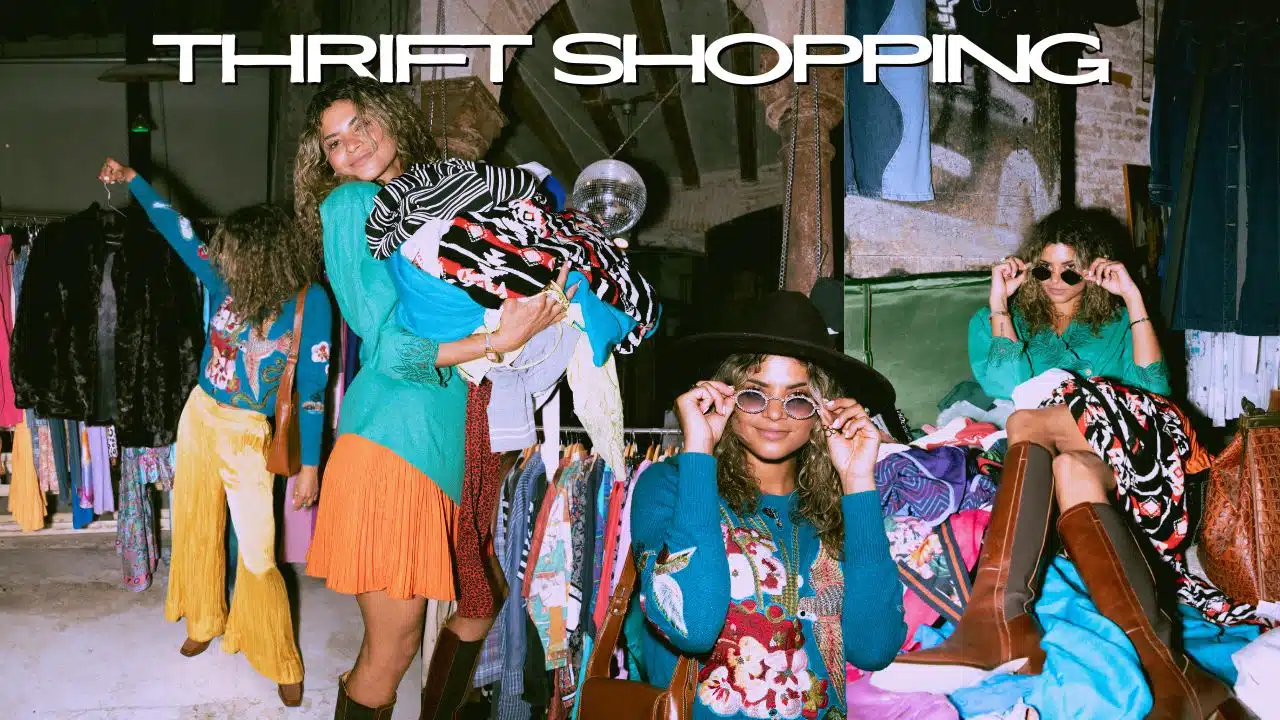
Thrift shopping has become a go-to option for fashion enthusiasts who want to build a unique, stylish wardrobe on a budget.
For anyone looking to curate one-of-a-kind outfits, discover vintage treasures, and reduce their environmental footprint, thrift stores offer endless possibilities.
However, navigating the world of secondhand shopping requires a bit of strategy to ensure you get the most out of every trip.
This article shares 10 pro tips for thrift shopping, helping you make smart choices, uncover hidden gems, and bring out your inner fashionista.
Whether you’re a seasoned thrifter or a newbie looking to build your wardrobe, these tips will guide you through the process and help you shop like a pro.
Why Thrift Shopping is a Smart Choice for Fashion Lovers?
Thrift shopping offers numerous benefits for fashion lovers. It’s not just about saving money; it’s also about finding pieces that are unique, high-quality, and sustainable. Here are some reasons why thrift shopping has become so popular:
- Budget-Friendly: Thrift stores provide access to high-quality items at a fraction of retail prices.
- Eco-Friendly: Buying secondhand helps reduce waste, contributing to sustainable fashion.
- Unique Finds: Thrift shopping is ideal for discovering rare, vintage, and designer pieces that you won’t find in regular stores.
- Quality Over Quantity: Thrifted items often come from brands with higher quality standards, making them more durable than fast fashion items.
Now, let’s dive into the top 10 tips for thrift shopping like a fashion pro.
1. Know Your Style and Wardrobe Needs
Before you even step into a thrift store, it’s essential to have a clear sense of your personal style and wardrobe needs. This focus helps you avoid unnecessary purchases and makes it easier to identify pieces that truly complement your wardrobe.
- Define Your Aesthetic: Take time to define your style preferences—whether it’s vintage, bohemian, minimalist, or eclectic. This will help you quickly identify pieces that fit your look.
- Identify Wardrobe Gaps: Consider what items are missing from your wardrobe or need replacement. Having a list of specific items in mind, like a classic blazer or a statement accessory, keeps you focused.
- Avoid Impulse Buys: Knowing your style and wardrobe needs helps prevent impulse buys that may end up cluttering your closet.
Pro Tip:
Create a Pinterest board or save style inspiration on your phone to refer to while shopping. This visual guide can help you stay on track.
2. Research the Best Thrift Stores in Your Area

Not all thrift stores are created equal, so it’s worth doing some research to find stores with quality items that match your budget and style. Some stores specialize in high-end items, while others offer budget-friendly options, so choose stores based on your goals.
- Find Specialty Stores: Some stores focus on vintage clothing, while others might carry more contemporary or designer items. Knowing which stores cater to your taste can save time.
- Explore Various Locations: Different neighborhoods offer different types of inventory. Upscale neighborhoods often have thrift stores with higher-end items, while suburban stores might have more budget-friendly options.
- Check Store Policies: Look up the store’s return policies and opening hours. Some stores may have restock days where they bring out new items, which is a great time to shop.
Pro Tip:
Thrift apps and social media groups dedicated to secondhand fashion often provide recommendations for the best thrift stores in specific areas.
3. Dress Comfortably for a Day of Thrifting
Thrift shopping can involve hours of browsing through racks, trying on clothes, and sifting through hidden gems. Dressing comfortably will make your experience much more enjoyable and efficient.
- Wear a Fitting Outfit: Choose an outfit that allows you to quickly try on clothes over your own, such as leggings and a fitted top. This saves time if fitting rooms are busy or unavailable.
- Bring a Crossbody Bag: A crossbody bag keeps your hands free for browsing, making it easier to sort through racks and carry items.
- Avoid Accessories That Snag: Skip wearing bulky jewelry or items that can catch on clothing. This minimizes distractions and helps you move quickly through the store.
Pro Tip:
Bring a reusable tote bag to carry your finds, as many thrift stores charge for bags or don’t provide them at all.
4. Start with Basics and Classic Pieces
When building a wardrobe, basics are timeless and versatile. These classic pieces can form the foundation of your wardrobe, making it easier to mix and match with statement pieces you might find in thrift stores.
- Look for Essentials: Items like white button-downs, neutral t-shirts, jeans, and blazers are wardrobe staples that pair well with almost anything.
- Focus on Versatility: Choose basics in neutral colors like black, white, navy, and beige that you can wear in different ways.
- Quality Over Quantity: Basic pieces are often made of higher-quality fabrics in thrift stores, so prioritize well-made items that will last.
Pro Tip:
Check for high-quality fabrics like cotton, wool, and denim when looking for basics, as these materials tend to last longer and withstand regular wear.
5. Don’t Skip the Men’s and Kids’ Sections
Expanding your search to the men’s and kids’ sections can open up a whole new world of stylish, versatile options. You might find oversized shirts, tailored blazers, or unique accessories that suit your style.
- Men’s Section for Oversized Looks: Men’s sections often carry oversized shirts, sweaters, and jackets that fit the trendy oversized look or make great layering pieces.
- Kids’ Section for Petite Sizes: If you’re petite, the kids’ section can offer items that fit well, especially for basics like tees, sweaters, and accessories.
- Unique Accessories: Don’t overlook accessories like hats, belts, and bags in these sections, as you may find unique, unisex styles.
Pro Tip:
When shopping in other sections, don’t be afraid to try on items with an open mind. A men’s shirt could make a perfect dress, or a kid’s belt might fit you better than standard adult sizes.
6. Examine Items Carefully for Quality and Condition
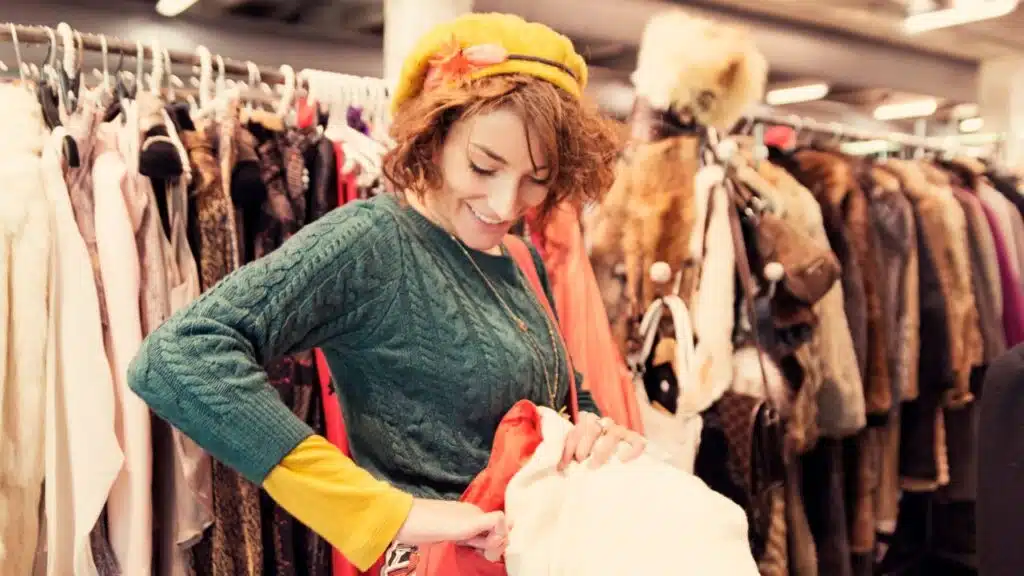
While thrift shopping, it’s essential to inspect items for wear and tear to ensure they’re worth the purchase. High-quality items in good condition are the real gems of thrift stores, but you have to be diligent in spotting them.
- Check Seams and Hems: Look for frayed seams, loose threads, and worn-out hems, which are signs of excessive wear. Ensure all buttons are intact and zippers work properly.
- Inspect for Stains or Holes: Examine each item carefully for stains, holes, or tears. Some minor flaws are repairable, but significant damage may not be worth the hassle.
- Evaluate Fabric Quality: Look for durable fabrics like wool, cotton, silk, and linen, as these tend to be more valuable and longer-lasting.
Pro Tip:
Carry a small stain remover pen or wipes with you to see if minor stains can be removed. This can help you decide whether an item with a minor flaw is worth buying.
7. Be Open to Alterations and DIY Projects
Sometimes, a thrifted item may not fit perfectly, but a small alteration can make it a star piece in your wardrobe. If you have basic sewing skills or access to a tailor, you can turn almost any thrifted find into a customized piece that fits you perfectly.
- Minor Alterations: Simple alterations like adjusting the hem, taking in the waist, or shortening sleeves can make a huge difference in how an item looks on you.
- Upcycling and DIY: Thrift shopping is a great opportunity for DIY projects. Consider adding patches, re-dying fabrics, or adding embellishments to create one-of-a-kind pieces.
- Transform Larger Sizes: Don’t hesitate to buy items that are slightly larger if they can be altered to fit. Many oversized items can be tailored for a more flattering silhouette.
Pro Tip:
Look for a reliable tailor if you don’t sew yourself. The cost of minor alterations is often worth it for high-quality thrifted items.
8. Set a Budget and Stick to It
It’s easy to go overboard when you find lots of affordable pieces, but setting a budget helps you stay focused on your needs. By having a spending limit, you’ll be more selective and avoid impulse buys.
- Establish a Maximum Spend: Decide on a budget before you start shopping and stick to it. This way, you won’t end up with too many unnecessary items.
- Calculate Price Per Wear: Consider how often you’ll wear an item to gauge its value. This helps prioritize purchases that offer the best cost per wear.
- Limit Spending on Trendy Pieces: Trends come and go, so avoid spending too much on pieces that may only be fashionable for a short time.
Pro Tip:
Carry cash if possible to help enforce your budget. It’s easier to stick to a limit when you physically see the money you’re spending.
9. Visit Thrift Stores Regularly
Thrift stores constantly receive new inventory, so regular visits increase your chances of finding great items. Shopping frequently also helps you refine your ability to spot quality pieces quickly.
- Catch New Arrivals: Many stores restock on specific days, so find out when new items are brought out to get the best selection.
- Learn Store Patterns: Familiarize yourself with the layout and sections of your favorite stores. This will help you shop efficiently during each visit.
- Build Relationships with Staff: Regular visits can help you build rapport with store staff, who may offer helpful tips or give you a heads-up on new arrivals.
Pro Tip:
Follow your favorite thrift stores on social media, as they often post about special sales or new items, giving you a chance to plan your trips around new inventory.
10. Mix Thrifted with Modern Pieces
One of the best ways to elevate your thrifted finds is by combining them with modern items from your existing wardrobe. Mixing old and new pieces creates an effortlessly chic look and lets you enjoy the best of both worlds.
- Combine Vintage and Contemporary Styles: Pair a vintage blazer with modern jeans or add a thrifted scarf to a new dress to create a balanced look.
- Embrace High-Low Fashionstyle=”font-weight: 400;”>: Don’t hesitate to wear thrifted items with designer pieces for a unique high-low style. This approach showcases your eye for style and personal flair.
- Accessorize Strategically: Accessories can bring together a thrifted look, so invest in a few high-quality accessories like belts, bags, or shoes to elevate your outfit.
Pro Tip:
Focus on timeless thrifted pieces and add trendy items sparingly, allowing you to create an effortlessly stylish look without overwhelming your wardrobe with fads.
Conclusion
Thrift shopping is an art that requires patience, creativity, and a little bit of strategy. By following these 10 tips, you can shop like a fashion pro, finding pieces that add value, style, and uniqueness to your wardrobe.
Thrift shopping not only offers budget-friendly fashion but also promotes sustainability and individuality. So, next time you head to a thrift store, keep these tips in mind to uncover hidden gems and create a wardrobe that reflects your personal style.
Happy thrifting!






















