

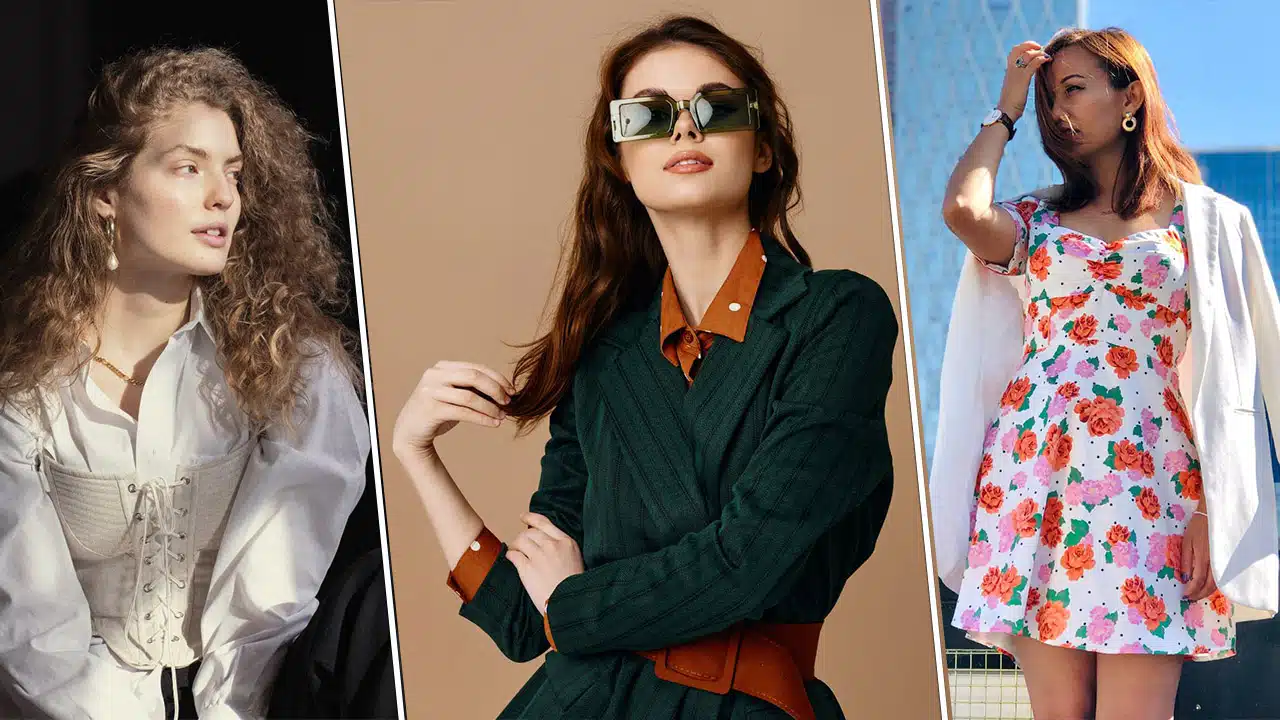
Finding your personal style is an empowering journey that allows you to express your identity, boost your confidence, and create a wardrobe that reflects who you are.
Whether you’re dressing for work, casual outings, or special events, knowing your style ensures you always feel comfortable and true to yourself.
Discovering your personal style is about more than just following trends; it’s about understanding your preferences, experimenting with different looks, and curating pieces that make you feel confident and empowered.
Here are 10 detailed tips to help you find and refine your personal style.
1. Assess Your Current Wardrobe
Before finding your personal style, it’s essential to understand what’s already working for you.
Your current wardrobe holds clues about what you love and what doesn’t resonate with you anymore.
Taking the time to assess your closet helps identify your style preferences and eliminate pieces that no longer serve you.
How to Do It:
- Separate your favorites:
Pull out the items you wear the most—your go-to jeans, the blouse you feel great in, or the dress you always get compliments on.
These pieces can reveal key aspects of your personal style, such as preferred colors, silhouettes, or fabrics.
- Evaluate neglected items:
Look at the clothes you rarely wear and ask yourself why. Is it the fit, the color, or the style?
Knowing what doesn’t work is just as important as knowing what does.
- Identify patterns:
As you sort through your wardrobe, take note of common elements in the pieces you love.
Do you gravitate towards neutrals, structured pieces, or soft, flowy fabrics?
Recognizing these patterns can guide you in refining your personal style.
Tip:
Create a capsule wardrobe with your most-loved pieces.
This collection can be your foundation as you explore new styles or make future purchases.
A capsule wardrobe consists of a few versatile, timeless items that can be mixed and matched effortlessly.
2. Define Your Style Inspirations
Style inspiration helps clarify the direction of your personal style by providing visual examples of what you’re drawn to.
Whether it’s a celebrity, influencer, or style icon, finding inspiration gives you a clearer sense of the aesthetics that resonate with you.
How to Do It:
- Create a mood board:
Use Pinterest or create a physical mood board with magazine clippings, images of outfits, textures, and colors that you love.
This exercise will help you see trends and common themes in the looks that inspire you.
- Follow fashion icons:
Pay attention to celebrities, bloggers, or designers whose style you admire.
Analyze their outfits and identify key elements that you could incorporate into your wardrobe.
- Understand the details:
Look closely at the details of your style inspirations. Do they favor minimalist, edgy, or bohemian looks?
Are their outfits structured or relaxed?
Understanding these details will help you pinpoint the elements you want to replicate.
Tip:
Don’t just copy someone else’s style.
Instead, use their looks as inspiration and adapt them to fit your personality, body type, and lifestyle.
This will ensure your style remains authentic to you.
3. Consider Your Lifestyle
Your personal style should align with your day-to-day activities and lifestyle.
Whether you’re working in an office, staying at home, attending social events, or managing a mix of these, your wardrobe should support your lifestyle needs.
This ensures that your clothes are practical and wearable for your daily routines.
How to Do It:
- Categorize your life:
Break down your typical week into different categories—work, casual, social, fitness, or special occasions.
Estimate how much time you spend in each category to prioritize the types of clothing you need.
- Match your wardrobe to your activities:
If you work in a professional setting, invest in structured pieces like blazers, dress shirts, and tailored trousers.
For a more casual lifestyle, focus on comfortable yet stylish items like jeans, tees, and casual dresses.
- Balance versatility and specificity:
Look for pieces that can be dressed up or down depending on the occasion.
A classic white button-up shirt, for example, can work in both professional and casual settings.
Tip:
Make sure your wardrobe is versatile enough to transition between different aspects of your life.
Invest in key staples that can easily adapt to various situations, like a neutral blazer or a pair of well-fitted jeans.
4. Understand Your Body Shape
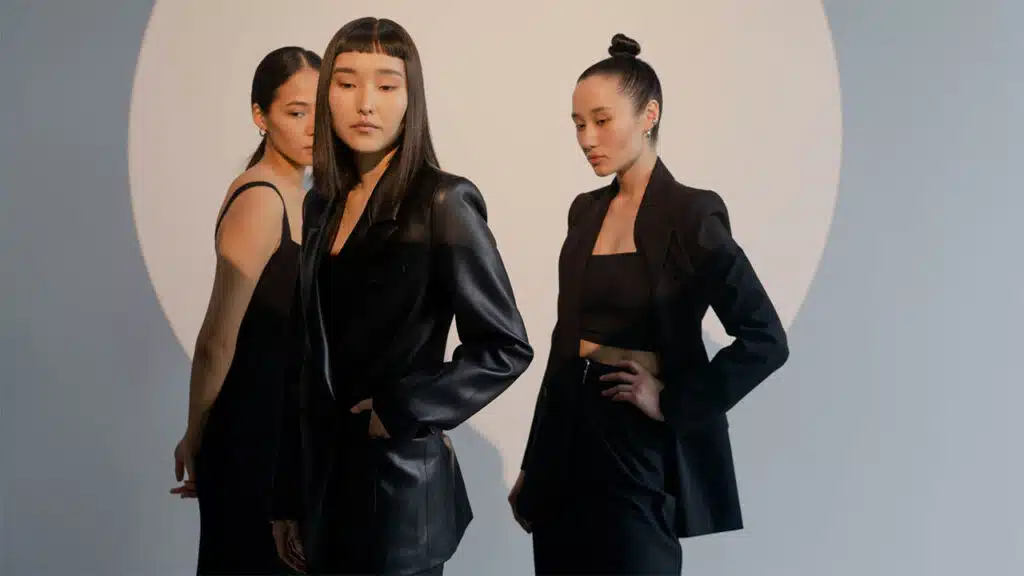
Dressing for your body shape is one of the most important aspects of personal style.
Clothes that complement your shape will help you feel confident and comfortable, ensuring your wardrobe works for you rather than against you.
Understanding how different cuts and silhouettes flatter your figure is key to finding styles that enhance your appearance.
How to Do It:
- Identify your body shape:
Common body shapes include hourglass, pear, rectangle, apple, and inverted triangle.
Once you know your shape, research styles and cuts that enhance your best features.
- Experiment with different fits:
Try on various silhouettes, from fitted to loose, and see which ones make you feel the most comfortable.
For instance, A-line dresses are flattering for pear-shaped bodies, while tailored blazers can add structure to a rectangle figure.
- Tailoring is key:
Invest in tailoring to make your clothes fit perfectly.
Even small adjustments, like hemming pants or taking in the waist of a dress, can make a huge difference in how clothes look on you.
Tip:
Focus on highlighting the features you love, whether that’s your waist, legs, or shoulders.
Don’t shy away from altering trends to fit your body shape—fashion should serve you, not the other way around.
5. Experiment with Different Colors
Colors have a powerful impact on how we feel and how others perceive us.
Finding the right color palette for your skin tone can elevate your look and bring out your natural features.
Wearing colors that complement your skin tone helps create a cohesive, flattering wardrobe.
How to Do It:
- Identify your undertones:
Determine whether your skin has warm, cool, or neutral undertones.
Cool undertones suit colors like blue, green, and purple, while warm undertones pair well with reds, yellows, and earthy tones.
- Test different shades:
Hold different colors up to your face in natural light and see which ones make you glow versus which ones wash you out.
This will help you understand your best shades.
- Create a cohesive color palette:
Build your wardrobe around a core set of colors that complement each other, making it easier to mix and match pieces.
You can have a base of neutral colors (like black, white, beige) and add pops of color through accessories or statement pieces.
Tip:
Don’t be afraid to experiment with new colors that you might not have tried before.
You might discover that bold hues, like jewel tones, or soft pastels work surprisingly well with your skin tone.
6. Identify Your Style Keywords
Having a clear idea of the style you want to achieve will make shopping and dressing easier.
Defining your style with a few keywords will keep you focused and prevent impulse buys that don’t align with your overall aesthetic.
These keywords act as a guideline, ensuring consistency in your wardrobe choices.
How to Do It:
- Think about your style goals:
How do you want your clothes to make you feel? Do you want to feel chic, comfortable, edgy, or polished?
Think of three to five keywords that describe the look you aspire to.
- Be specific:
Instead of broad terms like “fashionable,” choose words that better define your style vision.
For example, your style keywords could be “minimalist,” “sophisticated,” “bohemian,” or “sporty.”
- Use the keywords when shopping:
When looking at new pieces, ask yourself if they fit your chosen style keywords.
This ensures that each item you buy aligns with your overall style.
Tip:
Revisit your keywords every few months to see if they still resonate with you.
As your style evolves, your keywords might change to reflect new interests or phases in your life.
7. Play with Accessories
Accessories are an easy and effective way to personalize your outfits and experiment with new styles without overhauling your entire wardrobe.
The right accessories can take a basic outfit and elevate it to something unique and eye-catching.
Plus, they offer a fun way to try new trends or colors without making a big commitment.
How to Do It:
- Start simple:
If you’re new to accessorizing, begin with classic pieces like a leather belt, a pair of stud earrings, or a structured handbag.
These pieces add polish to any look.
- Experiment with different accessories:
Try statement necklaces, bold earrings, scarves, hats, or even a bold pair of shoes.
Notice how different accessories can change the vibe of your outfit from casual to chic or from edgy to elegant.
- Invest in timeless pieces:
Quality accessories, such as a leather tote bag or a delicate gold necklace, are worth the investment because they can be worn in multiple ways and with many outfits.
Tip:
Don’t be afraid to mix metals or textures in your accessories.
Combining gold and silver jewelry or pairing leather with silk can add dimension to your look and make it more interesting.
8. Trust Your Instincts and Intuition
At the end of the day, your personal style is about expressing yourself.
Trusting your instincts when it comes to fashion ensures that your wardrobe feels authentic and true to you.
While trends and external influences can offer guidance, your intuition is the most important factor in discovering what makes you feel confident.
How to Do It:
- Listen to your gut:
When shopping or putting together outfits, listen to how you feel in certain clothes.
If something makes you feel uncomfortable or unsure, it’s likely not right for you, no matter how trendy it is.
- Don’t chase trends:
Trends come and go, but personal style is timeless.
Trust your judgment when deciding whether a trend aligns with your aesthetic.
If it doesn’t feel like “you,” it’s okay to skip it.
- Wear what makes you happy:
Style is a form of self-expression, so it’s important to wear pieces that make you feel happy, confident, and empowered.
If you feel good in an outfit, that’s what matters most.
Tip:
Your style is personal, and there are no hard and fast rules.
Be open to trying new things, but always listen to your intuition.
When you feel confident in what you’re wearing, it shows.
9. Focus on Quality Over Quantity
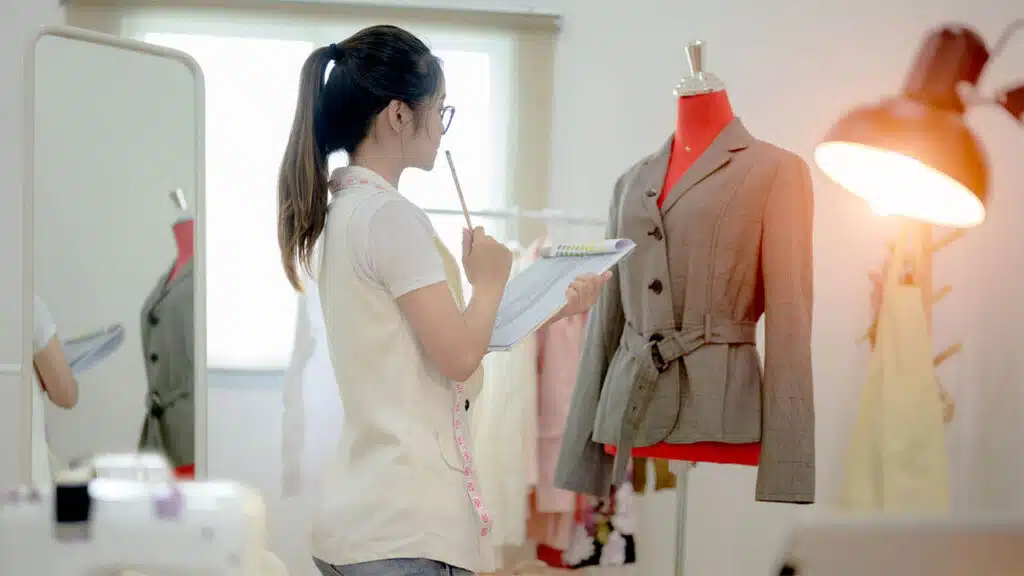
A wardrobe filled with high-quality, versatile pieces will serve you much better in the long run than a closet packed with fast fashion items that wear out quickly.
Investing in quality over quantity ensures that your clothes not only look better but last longer, giving you a better return on investment.
How to Do It:
- Invest in timeless staples:
Focus on key wardrobe pieces like a tailored blazer, high-quality denim, a classic coat, or a little black dress.
These pieces never go out of style and can be worn in various ways.
- Look for quality fabrics:
Pay attention to fabric types—natural fibers like wool, cotton, and silk tend to last longer and wear better over time.
Avoid synthetic fabrics that can lose shape or fade quickly.
- Spend wisely:
It’s better to invest in fewer, high-quality items that will last for years than to constantly replace cheaper, trendy items that wear out after a few wears.
Tip:
Start by upgrading your most-used wardrobe pieces, such as a well-fitting pair of jeans or a versatile handbag.
These items will have a bigger impact on your overall style and cost-per-wear.
10. Embrace Trial and Error
Finding your personal style is a process of trial and error. Not every outfit will be a hit, and that’s perfectly okay.
The key is to learn from your fashion experiments, refining what works for you while letting go of what doesn’t.
The more you try, the better you’ll understand what feels right for you.
How to Do It:
- Be open to experimenting:
Try different styles, colors, and trends, even if they’re outside your comfort zone.
You might be surprised by what works for you.
- Learn from your fashion “mistakes”:
Every fashion misstep teaches you something about your style.
Whether it’s realizing that a certain silhouette doesn’t suit you or that a color feels too bold, use these experiences to refine your choices.
- Be patient:
Developing a personal style takes time.
Don’t rush the process or feel like you need to have everything figured out immediately.
Tip:
Document your favorite and least favorite outfits by taking photos.
This helps you visually track what styles work best for you and which ones you should avoid in the future.
Final Thoughts
Finding your personal style is a rewarding journey that allows you to express your individuality and feel confident in what you wear.
By assessing your current wardrobe, defining your style inspirations, and experimenting with different colors, silhouettes, and accessories, you’ll create a unique style that truly reflects who you are.
Remember, style is about feeling good in your clothes and expressing your personality, so trust your instincts and enjoy the process.





















