Looking for a new way to see Taiwan? You might want to try a Taiwan self-driving gharry. These are like the old horse-drawn carriages you see in movies, but with cool tech inside them.
They can drive by themselves!
Here’s something interesting: gharries have been around in Taiwan for a long time, used in the past to move people and things all over. But now, they’re getting an upgrade with self-driving technology.
This means that these gharries use computers and special sensors to find their way around without a human driver. Our blog will show you how this mix of old tradition and new tech is making travel in Taiwan exciting and different.
Keep reading—you’ll enjoy it!
The Evolution of Taiwan Self-Driving Gharry
In Taiwan, the journey of the gharry started long ago. Horse-drawn carriages roamed streets before cars did. Then, tech changed them into self-driving carts. This blend shows how Taiwan respects history while embracing new tools like AI and sensors.
Historical Context
Gharries have a rich history in Taiwan, dating back centuries. These diminutive carriages, once drawn by horses or oxen, were ubiquitous across the island. Their function extended beyond merely transportation of goods; they also served as a mode of travel for individuals.
Each gharry bore its unique aesthetic, featuring wooden panels, radiant illustrations, and intricate woodwork. Passengers would sit opposite each other during their journey.
The term “gharry” originated from British India during the colonial era. This suggests that gharries had an extensive influence, not limited to Taiwan, but extending across Asia. As time progressed, these traditional carriages became an integral part of Taiwanese culture.
They blended practicality with artistic expression, turning each ride into a unique opportunity to appreciate captivating local craftsmanship.
Technological Advancements
Self-driving Gharries in Taiwan use smart tech to get better. This includes things like cameras, LiDAR (a tech that measures distance with laser light), and radar systems. These tools help the vehicle see the road and avoid accidents.
Big names in Taiwan’s car world, iAuto and MobileDrive, are working on this technology right now.
AI (artificial intelligence) makes these vehicles smart by learning from data collected by sensors. Machine learning helps cars make sense of what they see around them. This way, self-driving Gharries can drive safely through city streets.
They combine old styles with new tech to fight climate change and lower pollution—making travel clean and green for everyone.
Core Technologies in Self-Driving Gharries
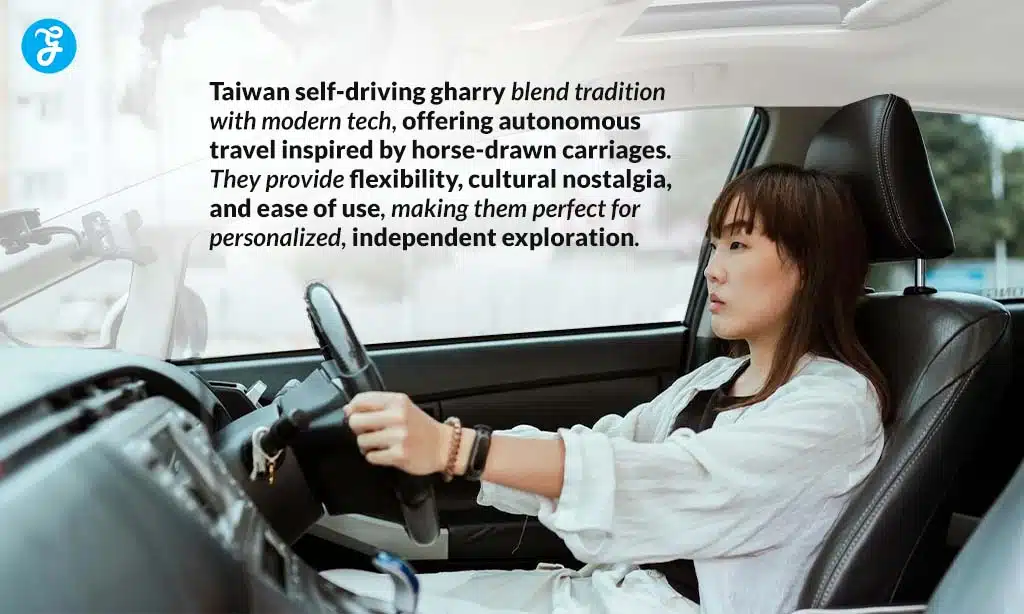
Self-driving gharries in Taiwan are smart because of artificial intelligence and machine learning. These cars use sensors and programs to safely move on the road.
Role of Artificial Intelligence and Machine Learning
Artificial intelligence and machine learning are changing how self-driving vehicles work. These smart systems can look at data from sensors to make quick, safe choices on the road.
They help cars see obstacles and decide where to go without a person driving. This tech cuts down on human mistakes that lead to traffic accidents.
These tools also learn from each trip they take. This means they get better at driving over time. With updates in battery tech and more advanced sensors, these cars will keep getting smarter.
They drive safer and use less power, which is good for the planet too.
Integration of Advanced Sensors and Algorithms
Taiwan self-driving gharry use LiDAR, cameras, and radar to see the world. LiDAR maps out places. Cameras pick up visual stuff. Radars find objects far and near. These tools give the car full knowledge of its surroundings.
Algorithms take in this data to make smart choices on the road. They ensure the gharry drives right and stays safe. This blend of tech boosts how well and reliably these cars run on busy streets.
Benefits and Challenges of Self-Driving Gharries

Self-driving gharries bring big wins for our planet and wallets. They use clean energy, cutting down on air pollution and saving money on gas. Yet, making these smart carts understand road rules and keep people safe is tough work.
Tech experts are solving these puzzles every day to make rides smooth and secure.
Environmental Impact
Gharries going self-driving help our planet. They cut down the use of fuels that harm the air. This means they make less dirty air than old cars. Many can run on electric power, which is cleaner.
This change helps fight climate change. It also makes the air better for everyone.
They fit well with green transportation plans too. By using less fuel and making less dirty air, these vehicles keep our environment safer. They are part of making transport sustainable for the future.
Economic Benefits
Taiwan self-driving gharry cut labor costs. This helps businesses save money. It also makes trips cheaper for riders. The tech behind these vehicles creates new jobs, too. People get work making and improving them.
The government supports this with programs like the “Smart Machinery Promotion Program.” Pingtung County even tried self-driving gharries out. These efforts show how Taiwan uses new tech to grow its economy and help people.
Regulatory and Technological Challenges
Regulatory hurdles are big for Taiwan self-driving gharry. Rules need clear updates to allow these cars on the road. Right now, laws cover humans driving, not computers. So, officials must make new rules that focus on safety and privacy.
This means looking at how these cars interact with traffic lights and follow speed limits. Also, insurance companies need guidelines on who is at fault in a crash.
Making self-driving gharries work involves complex tech fixes too. The cars use AI to think and sensors to see roads and other cars. But technology can fail or make mistakes. Keeping software reliable is tough but necessary for safe drives without a human driver.
Plus, ensuring these vehicles do not harm our privacy takes effort from technologists and policymakers alike.
Cultural Impact and Public Acceptance
Taiwan self-driving gharry are mixing old ways and new tech. This merger shakes up both culture and how people welcome change.
Modernization of a Cultural Icon
Gharries in Taiwan are getting a high-tech update. This change mixes old ways with new science. Now, these carts can drive themselves using smart tech like artificial intelligence and sensors.
They help people see the culture in a fresh way.
This upgrade does more than just add cool features. It makes trips better for tourists who want to dig deep into local life. These electric vehicles cut down on pollution too. They show that keeping tradition alive works well with new inventions.
Balancing Tradition with Innovation
Mixing old ways with new tech is tricky but key for Taiwan self-driving gharry. These vehicles blend the island’s rich cultural past with cutting-edge advancements. Media plays a big role in getting people to trust these smart carts.
Stories show how they help everyone, especially those who often get left out.
Young folks are excited about this mix, while older ones take more time to warm up to it. But by showing that these advanced carts still honor Taiwan’s traditions, more people start to see their value.
This balance keeps the culture alive while making daily life better and helping fight climate change too.
Takeaways
The future of Taiwan self-driving gharry looks bright. Tradition meets tech in these cars. They make travel easy and fun. People can see Taiwan’s beauty at their own pace. These smart cars also help the planet by cutting down on pollution.
In short, self-driving gharries blend old charm with new tech for a better tomorrow in Taiwan.