

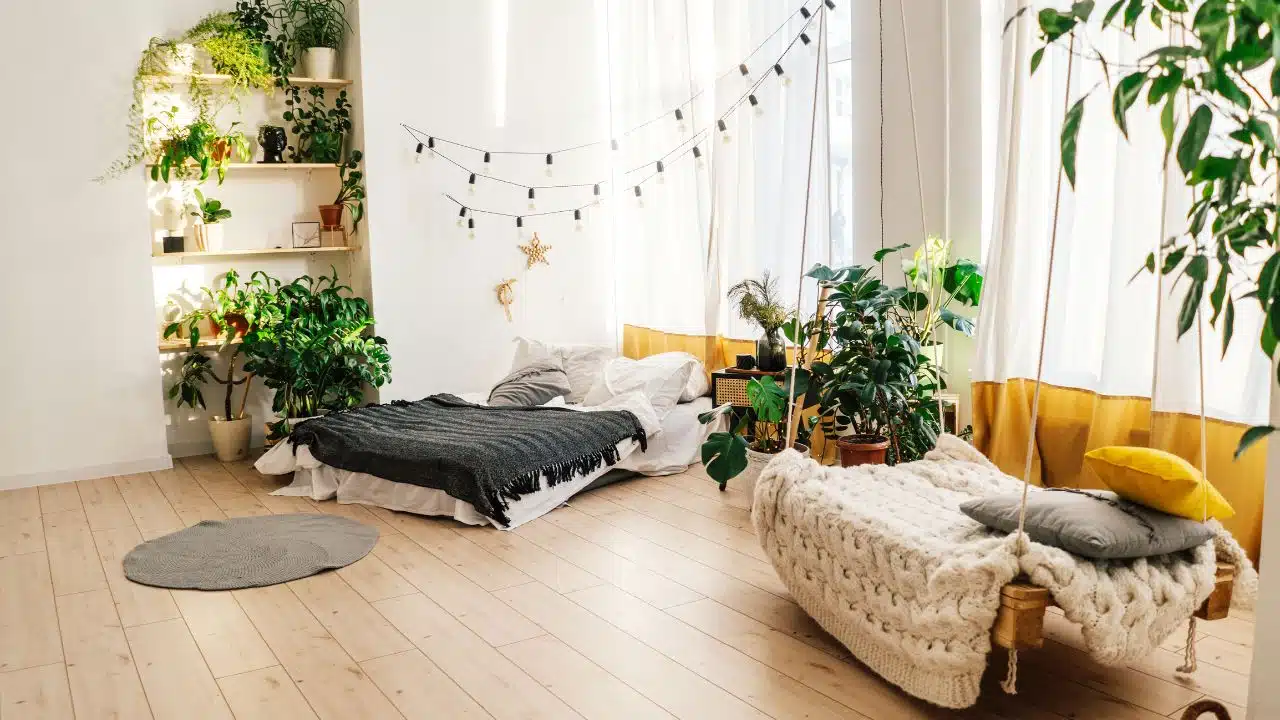
Imagine walking into a home that not only looks beautiful but also benefits the environment. That’s the essence of sustainable interior design. As people become more aware of climate change and resource depletion, eco-friendly living is no longer just a trend—it’s a necessity. Sustainable interior design marries aesthetics with functionality, all while reducing your ecological footprint.
This guide will walk you through everything you need to know about creating a sustainable living space. From choosing eco-friendly materials to adopting energy-saving practices, you’ll discover practical steps to design a home that’s good for both you and the planet.
What is Sustainable Interior Design?
Sustainable interior design focuses on creating spaces that minimize negative environmental impacts while promoting health and well-being. It incorporates eco-friendly materials, energy efficiency, and waste reduction into every aspect of design.
At its core, sustainable interior design is about balance: designing homes that meet today’s needs without compromising resources for future generations.
Key Features of Sustainable Interior Design
| Feature | Description |
| Eco-Friendly Materials | Use of natural, recycled, or reclaimed materials. |
| Energy Efficiency | Optimizing natural light and energy-saving appliances. |
| Healthier Spaces | Focus on non-toxic, low-VOC paints and finishes. |
| Longevity | Durable designs that reduce the need for replacements. |
Benefits of Sustainable Interior Design
Sustainable design goes beyond environmental benefits. It can also enhance your quality of life and save you money over time. Here are the top benefits:
- Reduced Carbon Footprint: By using energy-efficient systems and renewable materials, you lower your home’s environmental impact.
- Healthier Indoor Environment: Sustainable homes often feature non-toxic materials, leading to better air quality and fewer allergens.
- Cost Savings: While initial investments in sustainable designs may be higher, energy-efficient systems and durable materials save money in the long run.
- Enhanced Aesthetics: Eco-friendly materials, like reclaimed wood or bamboo, often add a unique and natural beauty to your interiors.
| Benefit | How It Helps |
| Reduced Carbon Footprint | Lowers greenhouse gas emissions. |
| Healthier Spaces | Improves air quality and reduces health risks. |
| Cost Efficiency | Saves money on energy bills and repairs. |
Key Principles of Sustainable Interior Design
To design sustainably, keep these principles in mind:
- Energy Efficiency: Optimize natural lighting and ventilation to reduce reliance on artificial systems. Install LED lighting and energy-efficient appliances.
- Material Sustainability: Choose materials that are renewable, biodegradable, or recycled, like cork, bamboo, or reclaimed wood.
- Minimal Waste: Focus on designs that minimize waste during construction and promote recycling or upcycling.
- Durability: Invest in high-quality furniture and fixtures that last longer to reduce waste.
Checklist for Sustainable Interior Design
| Principle | Actions |
| Energy Efficiency | Use smart lighting and solar panels. |
| Material Sustainability | Select bamboo flooring, recycled glass, or reclaimed wood. |
| Minimal Waste | Repurpose old furniture and avoid disposable items. |
| Durability | Invest in timeless, sturdy furniture. |
Eco-Friendly Materials and Finishes
The materials you choose have a huge impact on sustainability. Many traditional materials contain toxins or require significant energy to produce. Switching to eco-friendly options can make a difference.
Top Sustainable Materials
| Material | Benefits |
| Bamboo | Renewable, strong, and stylish. |
| Reclaimed Wood | Reduces deforestation and adds rustic charm. |
| Cork | Renewable, durable, and hypoallergenic. |
| Low-VOC Paints | Improves indoor air quality by reducing harmful emissions. |
Sustainable Furniture and Decor Choices
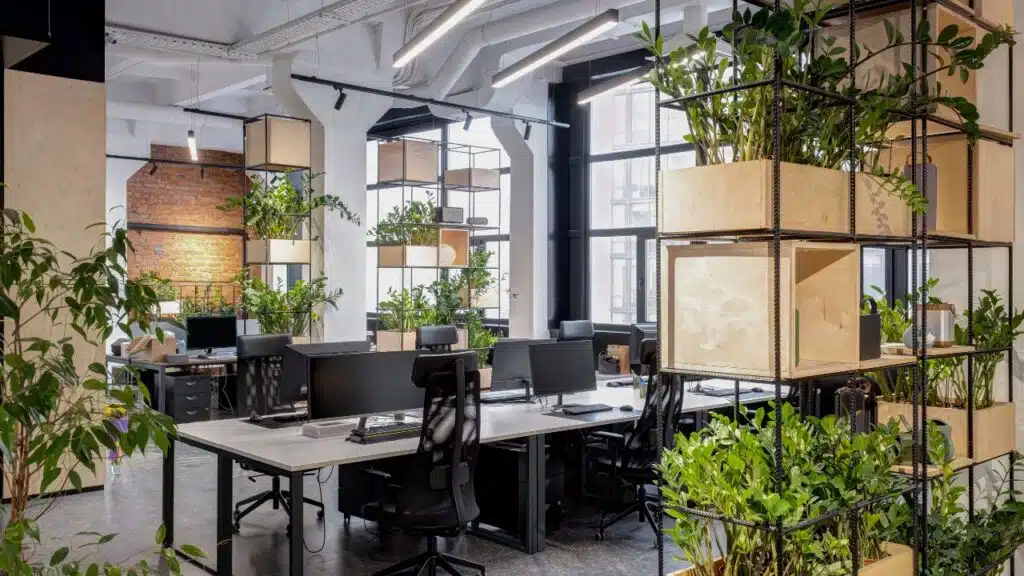
Furniture and decor are major contributors to interior design. Making conscious choices can lead to stunning yet sustainable interiors.
- Second-Hand and Upcycled Furniture: Thrift stores and online marketplaces are treasure troves for unique, budget-friendly furniture. With a bit of creativity, you can upcycle old furniture into something fresh and stylish.
- Sustainable Brands: Look for furniture brands that use eco-friendly materials and ethical production practices.
- Timeless Designstyle=”font-weight: 400;”>: Invest in classic, durable pieces that won’t go out of style.
| Option | Why It’s Sustainable |
| Upcycled Furniture | Reduces waste and gives items a second life. |
| Second-Hand Finds | Cuts down on manufacturing demand. |
| Ethical Brands | Ensures environmentally friendly production processes. |
Energy-Saving Tips for Interior Design
Energy efficiency is a cornerstone of sustainable design. By reducing energy use, you not only cut your utility bills but also lower your environmental impact.
Ways to Save Energy?
- Maximize Natural Light: Use sheer curtains or open layouts to let sunlight illuminate your home.
- LED Lighting: Replace incandescent bulbs with LEDs, which use up to 80% less energy.
- Smart Technology: Install smart thermostats and lighting systems for better energy management.
- Energy-Efficient Appliances: Look for appliances with the Energy Star label.
| Tip | Energy-Saving Benefit |
| Natural Light | Reduces reliance on artificial lighting. |
| LED Bulbs | Lowers energy consumption and lasts longer. |
| Smart Tech | Optimizes energy usage based on habits. |
Indoor Plants: The Natural Air Purifiers
Indoor plants are a win-win for aesthetics and sustainability. They enhance your interior design while improving indoor air quality.
Best Plants for Sustainable Interiors
| Plant | Benefits |
| Snake Plant | Absorbs toxins and requires minimal care. |
| Spider Plant | Removes carbon monoxide and other impurities. |
| Peace Lily | Improves air quality and adds a decorative touch. |
DIY Ideas for Sustainable Interiors
A little creativity can go a long way in making your home sustainable. DIY projects are budget-friendly and allow you to personalize your space.
Easy DIY Projects
| Project | Sustainability Benefit |
| Pallet Furniture | Repurposes wood pallets into tables or shelves. |
| Fabric Scraps Decor | Turns leftover fabric into cushions or wall hangings. |
| Mason Jar Storage | Upcycles jars into organizers or planters. |
Common Mistakes to Avoid in Sustainable Interior Design
While going green, it’s easy to make mistakes. Avoid these common pitfalls:
- Greenwashing: Don’t fall for products marketed as “green” without verifying their sustainability claims.
- Over-Furnishing: A cluttered space often leads to unnecessary resource use. Opt for minimalism.
- Ignoring Energy Efficiency: Prioritize energy-efficient designs over aesthetic preferences.
| Mistake | Why to Avoid |
| Greenwashing | Leads to buying unsustainable products. |
| Over-Furnishing | Increases resource use and clutter. |
| Ignoring Efficiency | Results in higher energy costs and environmental impact. |
Inspirational Sustainable Interior Design Projects
Sometimes, the best way to start is by looking at successful examples. Explore homes that showcase the beauty of sustainable design.
| Project Name | Highlights |
| Green Modern Home | Features solar panels and reclaimed wood interiors. |
| Eco-Chic Apartment | Minimalist design with upcycled furniture. |
| Sustainable Farmhouse | Combines natural materials and renewable energy systems. |
Expert Tips for Getting Started
Feeling overwhelmed? Start small. Replace single-use items with reusable ones. Gradually transition to energy-efficient lighting and appliances. Consult with an interior designer who specializes in sustainable designs for tailored advice.
The Future of Sustainable Interior Design
As technology advances, the future of sustainable design looks promising. Innovations like biodegradable materials, AI-driven design tools, and circular economy principles are reshaping the industry. By adopting these trends, we can create homes that are both functional and eco-conscious.
Final Thoughts
Sustainable interior design is not just a choice—it’s a commitment to a healthier planet. By incorporating eco-friendly practices, you’re contributing to a greener future while creating a beautiful, functional home. Remember, every small step counts.
Start your sustainable journey today. Your home—and the planet—will thank you.
























