New Zealand, renowned for its lush pastures and vibrant agricultural sector, faces growing challenges due to climate change and increasing global demand for environmentally friendly products. In 2025, sustainable farming is not just a trend; it’s a necessity.
By adopting sustainable farming practices New Zealand farmers can reduce their environmental impact while boosting productivity and ensuring long-term profitability.
This article explores ten impactful sustainable farming practices tailored for New Zealand’s unique landscape, helping farmers embrace a greener future.
Practical insights, case studies, and actionable tips make this a comprehensive guide for any farmer.
Why Sustainable Farming Matters in New Zealand
New Zealand’s agricultural sector contributes significantly to its economy, but it also impacts the environment. Key concerns include:
- Deforestation: Conversion of natural forests into farmlands has reduced biodiversity.
- Soil Degradation: Over-farming and poor land management lead to soil erosion and nutrient loss.
- Water Pollution: Runoff from fertilizers and pesticides contaminates freshwater systems.
Current Trends and Data:
- New Zealand’s agricultural greenhouse gas emissions account for 48% of its total emissions.
- Efforts to reduce nitrate leaching have been mandated under government water reforms.
Benefits of Adopting Sustainable Practices
Embracing sustainability benefits not only the environment but also farmers themselves:
- Economic Viability: Reduced input costs through efficient resource use.
- Improved Soil and Water Quality: Healthier ecosystems lead to better yields.
- Alignment with Market Trends: Meeting global consumer demands for environmentally responsible products.
Top 10 Sustainable Farming Practices for New Zealand Farmers in 2025
1. Rotational Grazing Systems
Rotational grazing involves moving livestock between pastures to prevent overgrazing. This method improves pasture health, enhances livestock productivity, and ensures long-term land sustainability.
Benefits:
- Enhances soil fertility by evenly distributing manure.
- Promotes regrowth of pasture and prevents erosion.
- Reduces the need for supplemental feed during drought periods.
Practical Tips:
- Divide pastures into smaller grazing zones using portable fencing.
- Monitor forage growth and adjust livestock density accordingly.
| Key Aspect | Details |
| Initial Setup | Requires portable fencing and planning. |
| Maintenance | Regular rotation based on pasture growth. |
| Cost Efficiency | Saves on feed and land restoration. |
2. Conservation Tillage
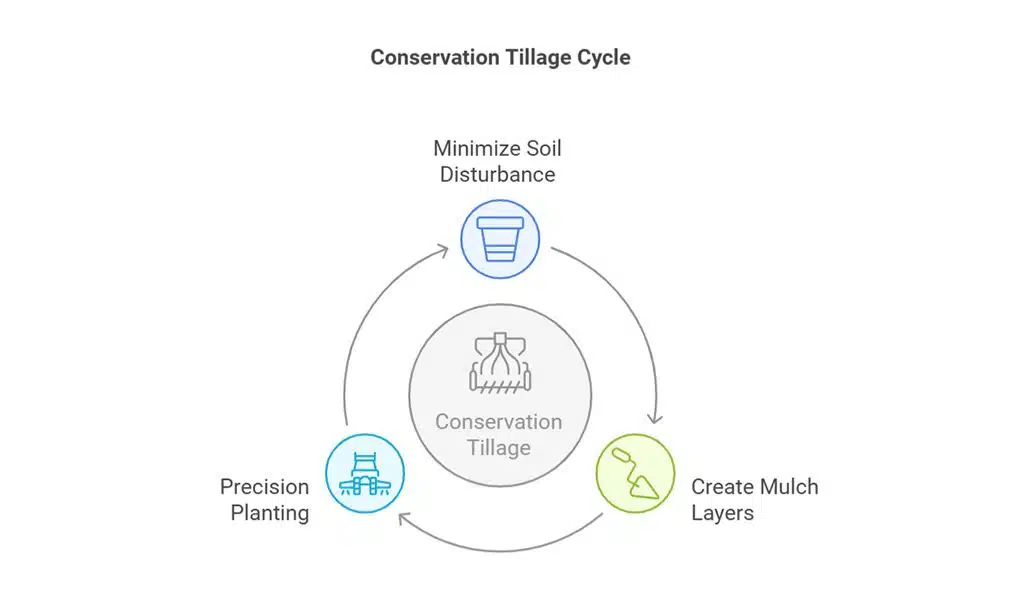
Conservation tillage minimizes soil disruption, preserving its structure and nutrients.
It’s an effective method to reduce soil erosion and improve water retention, especially in erosion-prone areas.
Benefits:
- Decreases fuel and labor costs.
- Enhances soil moisture for better crop yields.
- Reduces carbon emissions compared to conventional tillage.
Tools and Implementation:
- No-till Planters: Specialized equipment for sowing without disrupting soil.
- Cover Crop Rollers: Flatten cover crops into mulch for planting.
| Tool/Technique | Function |
| No-Till Planters | Plant seeds with minimal disturbance. |
| Cover Crop Rollers | Create natural mulch layers. |
| Strip Tillage | Combines tillage with precision planting. |
3. Cover Cropping
Cover crops, such as clover and ryegrass, protect soil from erosion and add organic matter. They’re an essential practice for maintaining soil health and enhancing crop yields.
Why It Works:
- Suppresses weeds and retains soil moisture.
- Improves soil aeration and nutrient levels.
- Prevents soil compaction caused by heavy rainfall.
Best Cover Crops for New Zealand:
- Clover: Boosts nitrogen levels in the soil.
- Ryegrass: Provides excellent ground cover during off-seasons.
- Oats: Excellent for breaking up compacted soils.
| Crop Type | Key Benefits |
| Clover | Nitrogen fixation. |
| Ryegrass | Weed suppression and moisture retention. |
| Oats | Soil aeration and erosion control. |
4. Agroforestry Integration
Agroforestry combines trees with farming, creating a diverse ecosystem that benefits crops, livestock, and the environment.
It’s an innovative way to merge forestry and agriculture for mutual benefits.
Benefits:
- Reduces wind erosion and provides shade for livestock.
- Absorbs carbon dioxide, contributing to climate change mitigation.
- Enhances biodiversity by creating habitats for pollinators and wildlife.
Success Stories:
- New Zealand farmers integrating poplar and willow trees into grazing systems to reduce soil erosion and provide livestock fodder.
| Agroforestry Component | Benefits |
| Shelterbelts | Windbreaks and shade. |
| Intercropping | Enhances biodiversity. |
| Woodlots | Carbon sequestration and income from timber. |
5. Organic Soil Management
Healthy soil is the foundation of sustainable farming. Organic soil management prioritizes natural fertilizers and compost over chemical inputs, fostering a resilient ecosystem.
Natural Fertilizers:
- Compost and manure enrich the soil with nutrients.
- Biochar improves water retention and microbial activity.
Testing and Monitoring Soil Health:
- Regular soil testing to track pH and nutrient levels.
- Use of apps and soil sensors for real-time analysis.
| Practice | Key Benefit |
| Composting | Builds organic matter. |
| Biochar Use | Retains water and nutrients. |
| Soil Testing | Prevents over-application of fertilizers. |
6. Smart Irrigation Systems
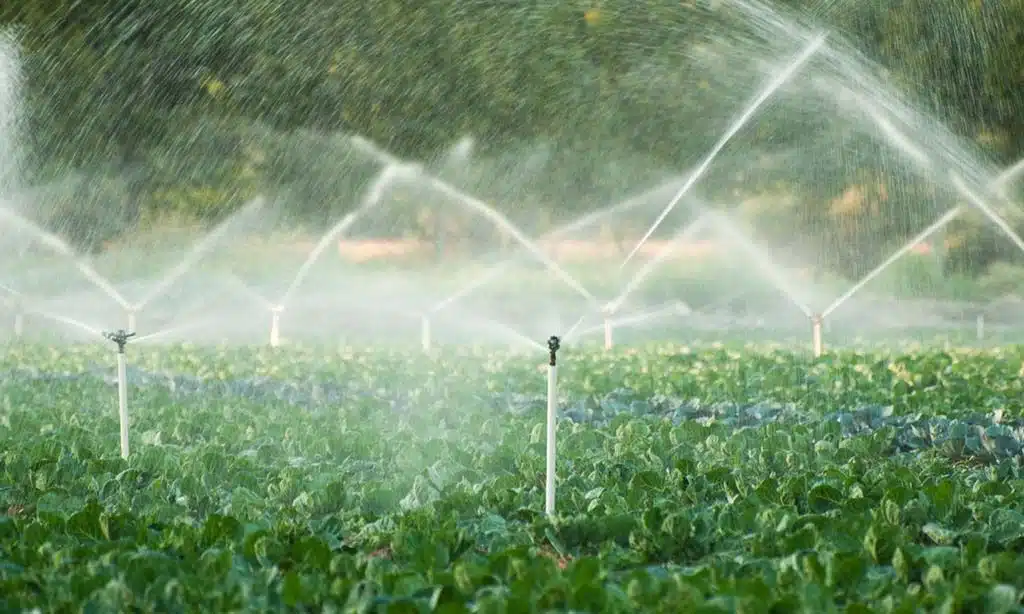
Efficient water use is critical for sustainable farming, especially in drought-prone areas of New Zealand. Smart irrigation systems enable precision water delivery, reducing waste.
Water-Saving Technologies:
- Drip Irrigation: Delivers water directly to plant roots.
- IoT-Enabled Systems: Monitor soil moisture and weather data to optimize irrigation schedules.
Benefits for Drought-Prone Areas:
- Reduces water waste and ensures consistent hydration.
- Cuts operational costs by minimizing energy use.
| Technology | Features |
| Drip Systems | Root-focused hydration. |
| IoT Sensors | Real-time moisture tracking. |
| Sprinkler Systems | Efficient large-scale coverage. |
7. Integrated Pest Management (IPM)
IPM focuses on controlling pests using environmentally friendly methods, reducing reliance on chemical pesticides. It’s a holistic approach to pest control.
Eco-Friendly Pest Control:
- Introduce natural predators to target pests.
- Rotate crops to disrupt pest life cycles.
Tools and Resources:
- Apps to identify pests and recommend treatment.
- Guidance from local agricultural consultants.
| IPM Method | Benefit |
| Biocontrol | Uses natural predators. |
| Crop Rotation | Disrupts pest reproduction. |
| Trap Crops | Attracts pests away from main crops. |
8. Renewable Energy Adoption
Transitioning to renewable energy reduces dependency on fossil fuels and lowers carbon footprints, making farms more sustainable and cost-effective.
Solar Panels on Farms:
- Generate electricity to power irrigation systems and machinery.
- Reduce energy costs long-term.
Wind and Bioenergy Options:
- Install wind turbines for additional energy.
- Use agricultural waste to produce biogas.
| Renewable Source | Key Features |
| Solar Panels | Low maintenance and scalable. |
| Wind Turbines | Ideal for high-wind areas. |
| Biogas Systems | Converts waste into energy. |
9. Regenerative Agriculture Techniques
Regenerative agriculture restores ecosystems by improving soil health, promoting biodiversity, and increasing resilience to climate change. It goes beyond sustainability to actively improve the land.
Restoring Ecosystems:
- Use perennial crops to stabilize soil.
- Incorporate native plant species for biodiversity.
Funding Opportunities:
- Explore New Zealand government grants for regenerative farming projects.
| Practice | Key Impact |
| Perennials | Soil stabilization. |
| Cover Crops | Enhance biodiversity. |
| No-Till Farming | Improves carbon storage. |
10. Precision Farming Technologies
Precision farming uses advanced technology to optimize farming efficiency and minimize waste. It allows farmers to make data-driven decisions for better outcomes.
Tools for Precision Agriculture:
- Drones for aerial monitoring of crops.
- GPS systems for accurate planting and harvesting.
- Sensors to monitor soil and crop conditions.
Maximizing Yields and Minimizing Waste:
- Use data analytics to improve decision-making.
- Automate irrigation and fertilizer application.
| Precision Tool | Function |
| Drones | Monitor crop health. |
| GPS Systems | Precision planting. |
| Soil Sensors | Measure moisture and nutrients. |
Resources and Support for New Zealand Farmers
Government Initiatives for Sustainability
New Zealand’s government supports farmers through:
- Grants for adopting eco-friendly practices.
- Subsidies for renewable energy installations and advanced technologies.
Community and Educational Programs
Farmers can enhance their skills and connect with peers through:
- Local workshops and sustainability forums.
- Online courses focused on sustainable farming techniques.
Recommended Tools and Technologies
| Tool/Technology | Function | Cost Range |
| Drip Irrigation Systems | Water-saving irrigation | $1,500 – $5,000 |
| Drones | Crop monitoring | $2,000 – $10,000 |
| Soil Sensors | Real-time soil health data | $500 – $2,000 |
Challenges in Implementing Sustainable Practices
High Initial Costs
While sustainable practices offer long-term benefits, the upfront costs can be daunting. Farmers can:
- Apply for government grants.
- Partner with sustainability-focused organizations.
Resistance to Change
Adopting new methods often meets resistance. Education and showcasing successful case studies can help overcome traditional mindsets.
Future of Sustainable Farming in New Zealand
Innovations to Watch in 2025 and Beyond
Emerging technologies include:
- AI-powered analytics for precision agriculture.
- Vertical farming for space-efficient food production.
Global Trends Influencing New Zealand Agriculture
Sustainability demands from international markets will shape New Zealand’s farming strategies, making eco-certification a key driver of exports.
Takeaway
Sustainable farming practices are the cornerstone of New Zealand’s agricultural future.
Farmers can ensure long-term profitability while preserving the environment by integrating methods like rotational grazing, precision technologies, and renewable energy.
Now is the time for New Zealand farmers to lead the way, demonstrating that sustainability and productivity can go hand in hand.