Are you concerned about bone health as you grow older and want to take steps to ensure your bones remain strong as you age? In this article, we will take a look at what osteoporosis is, how it can impact your daily life, and some of the surprising ways you can detect if you have it. So let’s dive in.
What is osteoporosis and what causes it?
Let’s answer the most basic question first – what is osteoporosis? Osteoporosis is a medical condition which affects the density of the bones. It is characterised by loss of bone mass and deterioration of the bone tissue. This condition is mostly referred to in respect to the older generation, however, it can (although less commonly) affect people across all age groups.
According to the NHS, around 3 million people in the UK suffer from osteoporosis. The prevalence of osteoporosis increases as you age. And with the UK’s ageing population is ageing, this is a concern for the future.
What causes osteoporosis?
Well, there are many contributing factors, including:
Genetics. Genetics play an important role in determining our overall health. The American Academy of Orthopaedic Surgeons says that if someone in your immediate family has had osteoporosis, you will have a higher risk of developing it too.
Hormones. Hormones also play an important role in osteoporosis risk. As we age, some of our hormones that heavily contribute to bone health decline. In particular, oestrogen in women and testosterone in men. Both of these hormones are responsible for maintaining bone mass in the body.
Physical activity. Another important factor that contributes to osteoporosis in adults is low levels of physical activity. People who work from home or those who have less mobility due to an injury or a health condition, are more prone to developing osteoporosis. Activities that involve movement, lifting of weights, and stretching can all help to maintain bone mass and density.
Lifestyle. In addition to the above, your lifestyle can also contribute to your risk of developing osteoporosis. If you avoid items rich in calcium like milk, yoghurt and other byproducts, consume alcohol in excessive quantities, smoke on a regular basis, and have an overall sedentary routine, then your risk of osteoporosis increases dramatically.
Medication. Some medications, particularly those used to treat any sort of inflammatory conditions (such as corticosteroids), thyroid hormones, heparin and warfarin can have an impact on bone density. This can happen when these medications are used for an extended period of time. If you are using any of these medications long-term, it’s worth speaking with your healthcare provider about your osteoporosis risk.
So how do you know if you may have osteoporosis?
Osteoporosis detection – surprising symptoms of osteoporosis
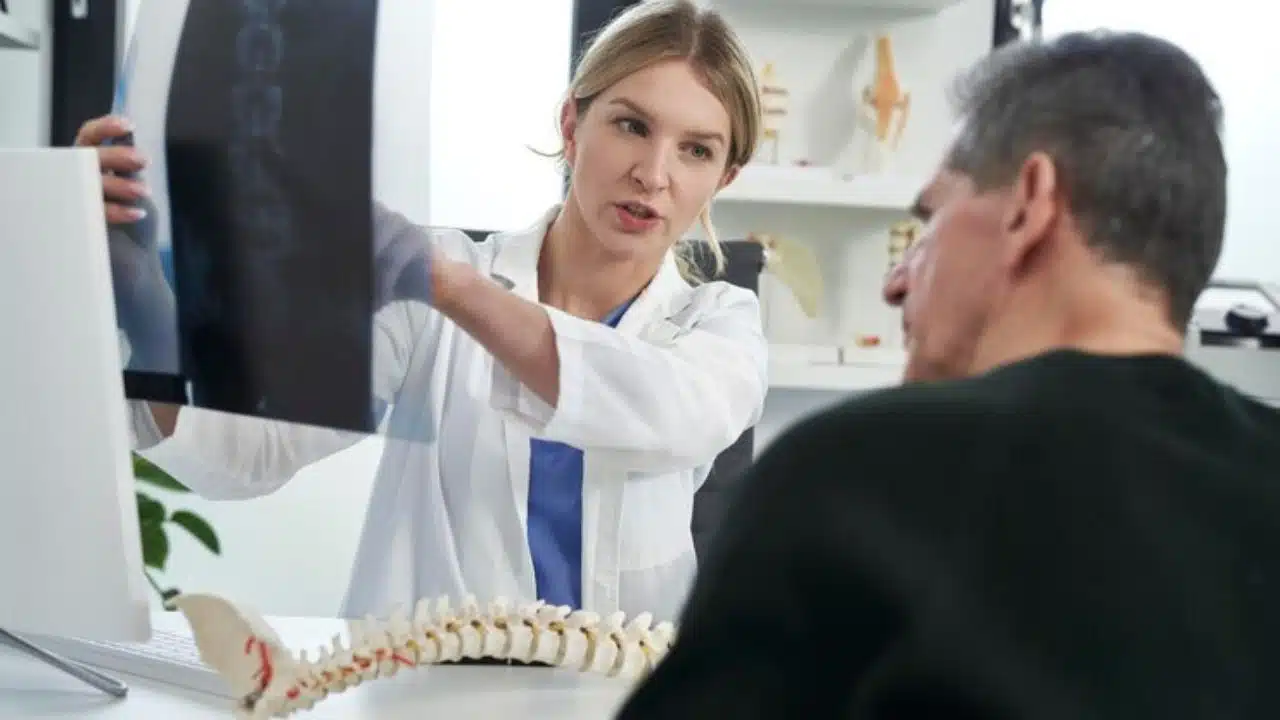
Osteoporosis is considered to be a “silent” condition, as it often goes unnoticed for long periods of time. It is often only when a scan or X-ray is carried out that this condition is detected, but usually by then it is too late for preventive measures. However, all hope is not lost and there are some surprising symptoms which can indicate you should start to take preventive measures.
Brittle nails
Calcium is essential for healthy nail growth as well as our bone growth. If your nails have become brittle, this can be a sign that your body isn’t getting the calcium it needs. Though, it is important to note that there are many other factors that can influence nail strength such as nail paints and water submersion.
Back pain
The one that tops our list is back pain. Back pain, while common across all ages, is an early sign of osteoporosis. It is usually a direct result of strenuous exercise, a hectic lifestyle or stressful activity like lifting heavy weights, but if you have a chronic pain in the area, or abnormally striking pain when doing any exercise like walking, it can be a signal of osteoporosis.
Gut issues
Bone density is closely linked to gastrointestinal issues such as inflammatory bowel disease and coelia’s disease. Why? These inflammatory conditions can cause issues with the gut lining and can impact absorption of important nutrients.
Problems with your teeth
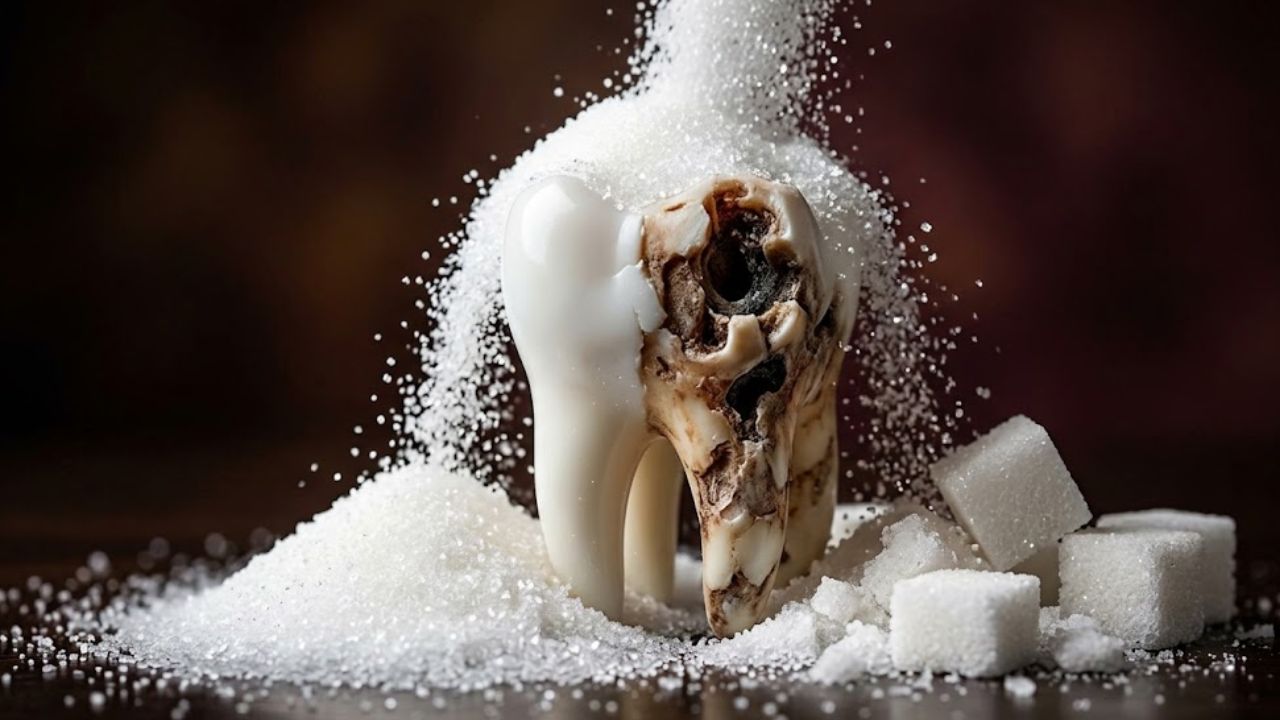
Tooth loss and receding gums can also be surprising symptoms of osteoporosis. This can occur when the bone density in the jawbone decreases. Your dentist may be able to detect osteoporosis when they carry out routine X-rays.
Posture and height loss
Have you noticed your posture has changed over time and you’ve lost a bit of height? This can happen when your spinal vertebrae compress as a result of weakening of bones. In cases where osteoporosis is more advanced, it can result in minor fractures in the spinal column, leading to a more hunched posture.
Weakened grip strength
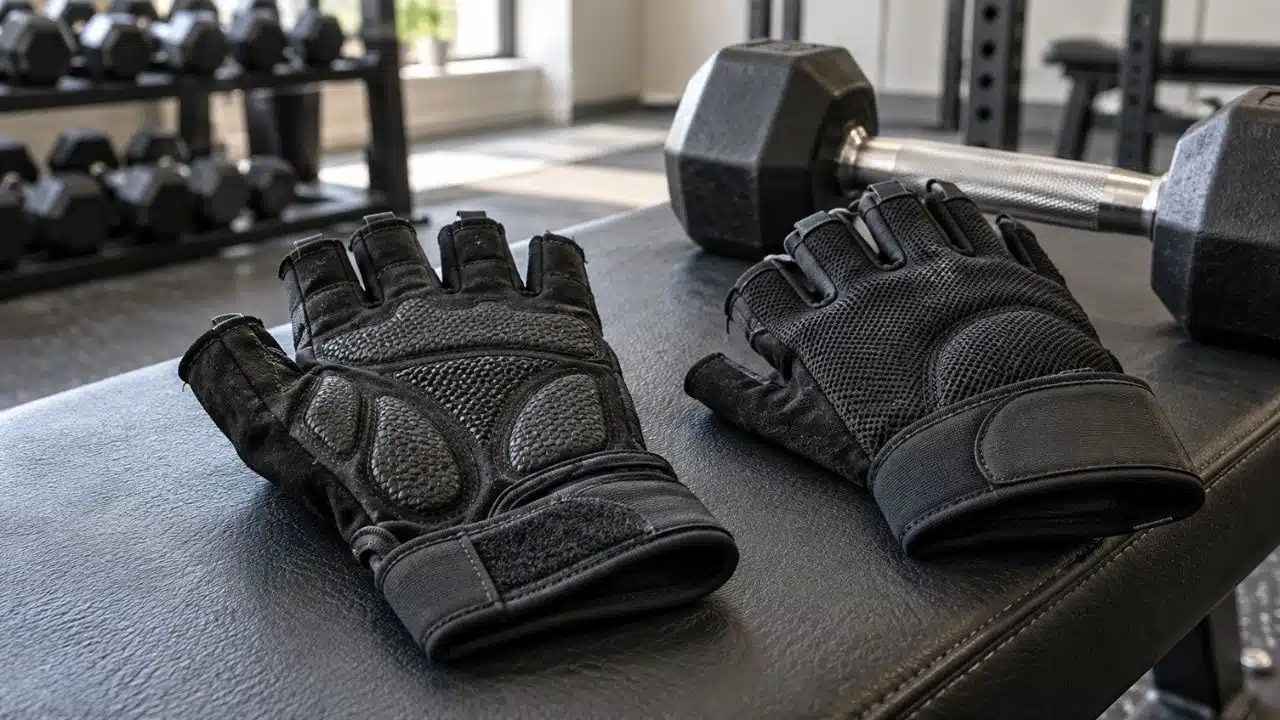
Although it may sound like an unusual link, according to research, weakening hand grip strength is a strong biomarker for osteoporosis in older adults. As a result of decreased bone density associated with osteoporosis, wrist fractures become a cause for worry as our common reflex when falling down involves putting pressure on the wrist.
Your health is in your hands
Now that we know about osteoporosis, the next obvious question that arises is – can you do something to prevent osteoporosis? The answer is a resounding yes! Cutting out smoking, eating a balanced diet, incorporating regular strength training, and reviewing any long-term medications are good places to start when it comes to reducing your risk of osteoporosis.
But if you notice any of the above symptoms, or you have a family history of osteoporosis and the condition is a concern for you, the best first step you can take is to seek guidance from a medical professional. A rheumatologist specialises in joints and is best-placed to provide an accurate diagnosis and put together an effective treatment plan. Finding a private rheumatologist in London has never been easier. Their expert diagnosis can help you better understand your health and get you on the path to both preventing and managing any underlying conditions, helping you live worry-free.