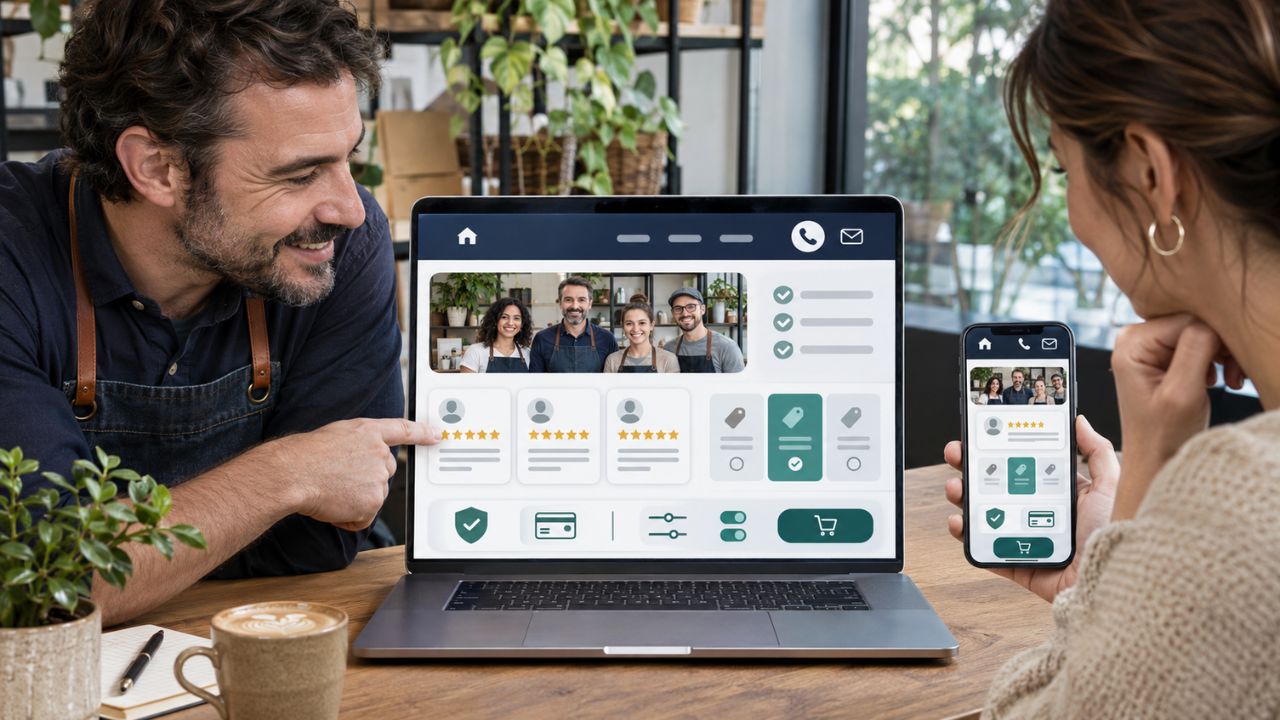
Customer engagement platforms for Singapore retailers can connect conversations, loyalty programs, and shopping journeys across stores and digital channels. The right choice depends on the systems a retailer already uses, the customer data it can lawfully collect, and the channels its customers prefer.
A shopper might browse on a phone, ask a question through messaging, and collect an order at a store. If each interaction sits in a separate system, a retailer can struggle to recognize the same customer or honor a reward consistently. Engagement software can help, but the products below solve different parts of that problem: some are built around loyalty, others around messaging or service.
For more context, explore our guides to marketing automation tools and how marketing automation works.
This research-led selection is not a ranking or a hands-on test. Vendor descriptions informed the feature summaries; availability, integrations, contract terms, support, and prices should be confirmed directly for your Singapore business before purchase.
1. Ascentis: Connecting store operations and loyalty
Singapore-based Ascentis offers retail CRM and membership tools alongside its AscentisOmni suite, which brings together retail and mobile point of sale, e-commerce, and related services. Its loyalty tools support member management and rewards, making it a practical candidate when the store transaction itself needs to connect with customer engagement.
A multi-location retailer looking for a locally based provider may find this combination useful. Ask how your existing POS, e-commerce platform, and payment systems connect, whether any integration requires custom work, and which modules are included in the proposed price.
2. Capillary Technologies: Loyalty across a larger customer base
Capillary focuses on loyalty management and customer engagement and maintains a Singapore presence. Its platform is relevant to businesses designing programs that recognize customers across channels, rather than simply sending a monthly promotional email. A retailer with a complex rewards structure can explore how the system handles points, tiers, promotions, and customer data.
It is worth considering when loyalty rules must work across several brands or locations. Request a demonstration using your own scenarios: a return after points have been earned, a reward redeemed in a store, and a customer whose online and offline profiles must be matched. Confirm implementation fees and contract scope.
3. Braze: Coordinating messages across channels
Braze has a Singapore office and specializes in customer engagement. Its Canvas journey tools can coordinate email, mobile push, in-app messages, and other supported channels. A retailer with an active app or website can use behavior-based journeys to decide when a reminder or follow-up is appropriate.
Choose it for the messaging and orchestration problem rather than assuming it replaces a POS or a complete loyalty engine. Store transactions and rewards may need integrations with other systems. Ask who will maintain those data connections, how quickly events appear, and what message volumes and channels are covered by the quote.
4. MoEngage: Behavioral journeys for digital retailers
MoEngage has a Singapore presence and offers customer engagement across channels including email, SMS, websites, and mobile apps. Its retail offering emphasizes segmentation and contextual messages, useful when a team wants different follow-ups for a first-time visitor and an existing customer.
It may suit a retailer with a meaningful digital audience and staff who can turn customer events into useful campaigns. Confirm how offline purchases enter the customer profile and whether the platform connects to your particular store and commerce tools. Ask for a full estimate that includes messaging, implementation, and any partner services.
5. CleverTap: Engagement for app-led shopping
CleverTap established a Singapore office to serve Southeast Asia and offers customer engagement tools for app-driven businesses. Its combination of behavioral analysis and messages across channels such as push, in-app, email, and SMS makes it relevant to retailers whose shopping app is central to repeat purchases.
Consider it if the team needs to understand where app users stop engaging and build journeys around those events. It is less useful to judge the product solely on app features if most sales happen in physical stores: ask how POS data, consent, and loyalty balances would reach the platform, and what extra integration work is required.
6. Salesforce Marketing Cloud: Enterprise customer journeys
Salesforce offers marketing tools for audience segmentation, campaign automation, and analysis. Salesforce has described Marketing Cloud use by Singapore retailer FairPrice Group, which provides local evidence of the platform’s relevance to retail engagement.
For a larger organization already using Salesforce, connecting marketing with its existing customer records may be attractive. Complexity is the tradeoff: identify the exact products, licenses, data services, and implementation support needed for the intended journeys. A small retailer should compare the total project cost with a narrower tool before committing.
7. Zendesk: Keeping customer conversations together
Zendesk is primarily a customer service platform. For a retailer, its value lies in managing questions and issues across support channels, rather than acting as the loyalty program itself. Its Singapore-facing retail material discusses omnichannel support and shared customer context.
It can be a useful fit when returns, delivery questions, and product inquiries are handled by different people and customers have to repeat themselves. Check how order history reaches the agent, which channels your plan includes, and how the system connects to your loyalty or marketing software. A separate rewards tool may still be needed.
8. Talon.One: Managing offers and incentives
Talon.One focuses on loyalty and promotion rules and has a Singapore team. It can help businesses manage offers and incentives across channels; its integration with Braze illustrates how a promotion engine and a messaging platform can work together.
Consider it when the hard part is defining who qualifies for an offer and preventing inconsistent promotions across a website and store. It is not a substitute for every component in the retail stack. Ask your developers and vendors how eligibility is checked at checkout, how redemptions are recorded, and whether the necessary connectors are already available.
9. Poinz: A Shopify-focused rewards option
Poinz is listed in the Shopify App Store as a loyalty and rewards app, with a Singapore address shown in its listing. For a Shopify merchant, an app-based program can be a simpler starting point than procuring a broad enterprise engagement suite.
It is best assessed by a retailer that already uses Shopify and wants to add a rewards program around its existing store. Before relying on it for an omnichannel launch, confirm which Shopify POS functions are supported in Singapore, how rewards are redeemed at the counter, and whether the plan and transaction charges fit your expected volume.
10. Smile.io: Points, tiers, and referrals
Smile.io offers points, VIP tiers, and referrals, with its Shopify listing describing online and Shopify POS use. Singapore merchant reviews in the app store indicate local use, although each retailer should confirm that its particular plan, POS setup, and required features are available.
This is a sensible shortlist candidate for a Shopify retailer that wants a recognizable points-and-rewards program without commissioning an entire custom loyalty system. Check which functions require a paid tier, how points behave during refunds, and whether the customer experience works for both store staff and online shoppers.
How to choose for a Singapore retail operation
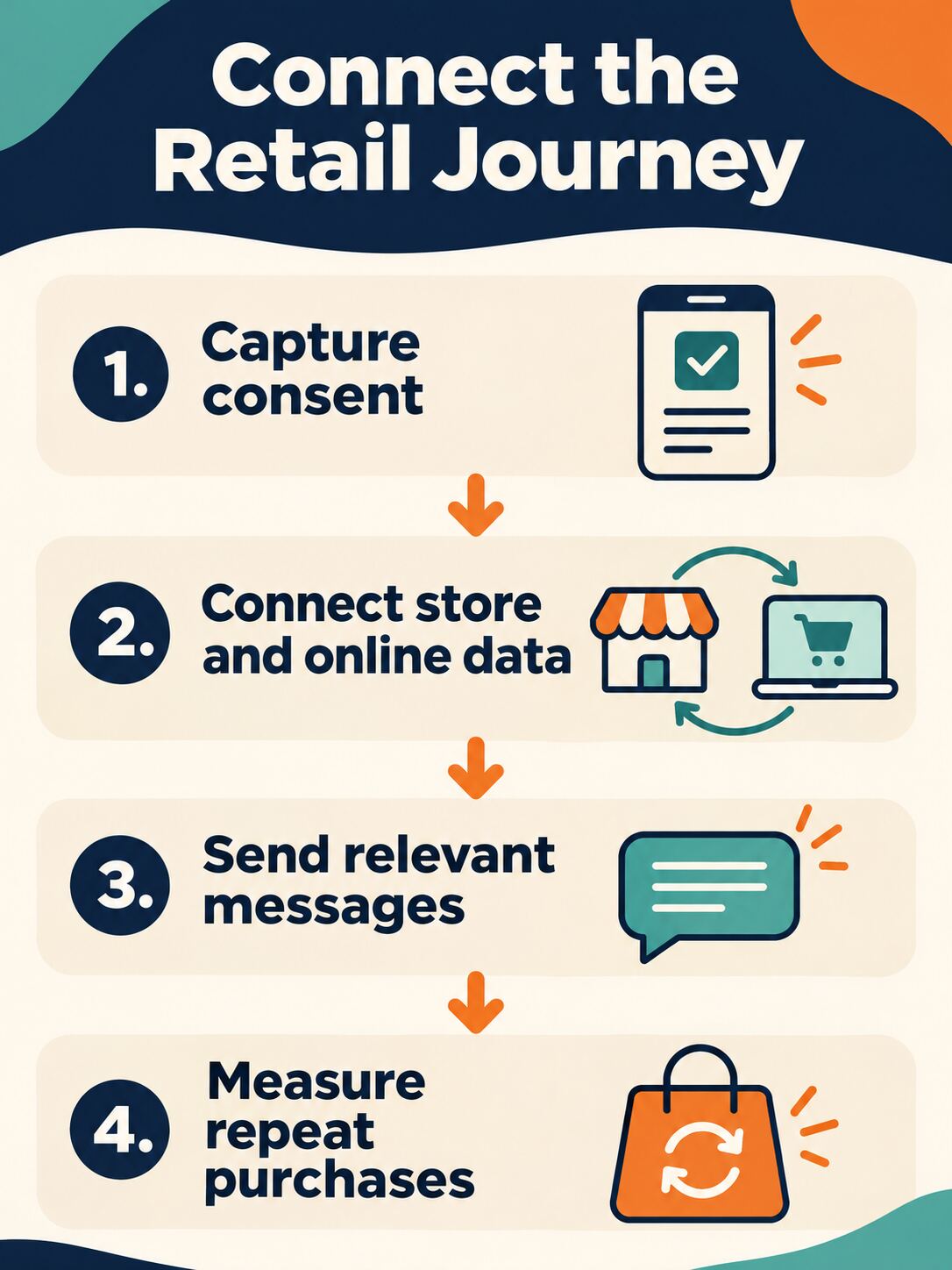
Start with one customer journey, such as earning a reward online and redeeming it in a store. Ask each shortlisted vendor to demonstrate that exact journey using your POS and e-commerce systems. Then test a return, a duplicate profile, and a customer withdrawing permission to receive marketing.
Data protection deserves its own discussion. Singapore’s PDPC guidance on the Do Not Call provisions explains how the rules can apply to marketing messages to Singapore telephone numbers. The IMDA retail digital plan also discusses connecting systems such as CRM, online orders, and point of sale. Check the current requirements and get advice for your own use case; a software subscription does not itself establish compliance.
Finally, compare the full cost: implementation, monthly subscription, messages, integrations, support, and the time your staff will spend maintaining the program. The best fit is the system that supports the customer journeys you can actually run and measure.