Car accidents are a common occurrence on our roads today. In 2021, around 6,102,936 vehicle accidents happened in the USA, 39,508 of which were fatal. Be it a minor fender bender or a major collision, the experience can be overwhelming for anyone involved. The first few minutes after an accident can be confusing but remaining calm and taking the necessary steps is crucial.
In this blog, we will discuss seven things to do after a car accident.
-
Check for Injuries
After an accident, the priority should be checking yourself and others for injuries. Even if you feel unharmed, it is vital to conduct a thorough examination of yourself and the passengers in your vehicle. Assess if there are any signs of pain, discomfort, or visible wounds. If anyone requires medical attention, immediately call an ambulance. It is better to seek medical assistance immediately, even if you feel fine, as some injuries can manifest later. For example, if left untreated, soft tissue damage, concussions, and whiplash could become serious.
-
Call the Police
Immediately after an accident, informing the authorities is crucial. In many regions and states, it is a legal obligation to report an accident to the police. Calling the police will help document the incident and assist in determining fault in the aftermath. Inform the operator about the accident’s location, situation, and any known injuries. If there are no injuries or significant damages, the police may not come to the scene, but they will provide you with a case number that you can use for insurance claims and other legal purposes.
-
Collect Information
Gather as much information as possible from all parties involved in the accident. Always remain calm and courteous when speaking with other drivers or witnesses. Begin by getting their full names, phone numbers, home addresses, driver’s license number, and insurance policy number. Take note of the damages to all vehicles involved, if possible. Collect any witness statements from bystanders and note their contact details. This information will help your insurance company assess liability and navigate any court cases that may arise. Ensure you have sufficient information before leaving the accident scene, as it may be impossible to acquire additional details later.
-
Document the Scene
When taking photos and videos of the accident scene, capturing all angles and perspectives is essential. Include photos of the vehicles involved, the vehicle damage, any road debris, and any damaged property. Take photos of any visible injuries sustained by yourself or others involved in the accident. Document the weather conditions and road conditions, such as any traffic signals or stop signs in the area. All of this information is critical for filing an insurance claim or legal case.
-
Seek Legal Help
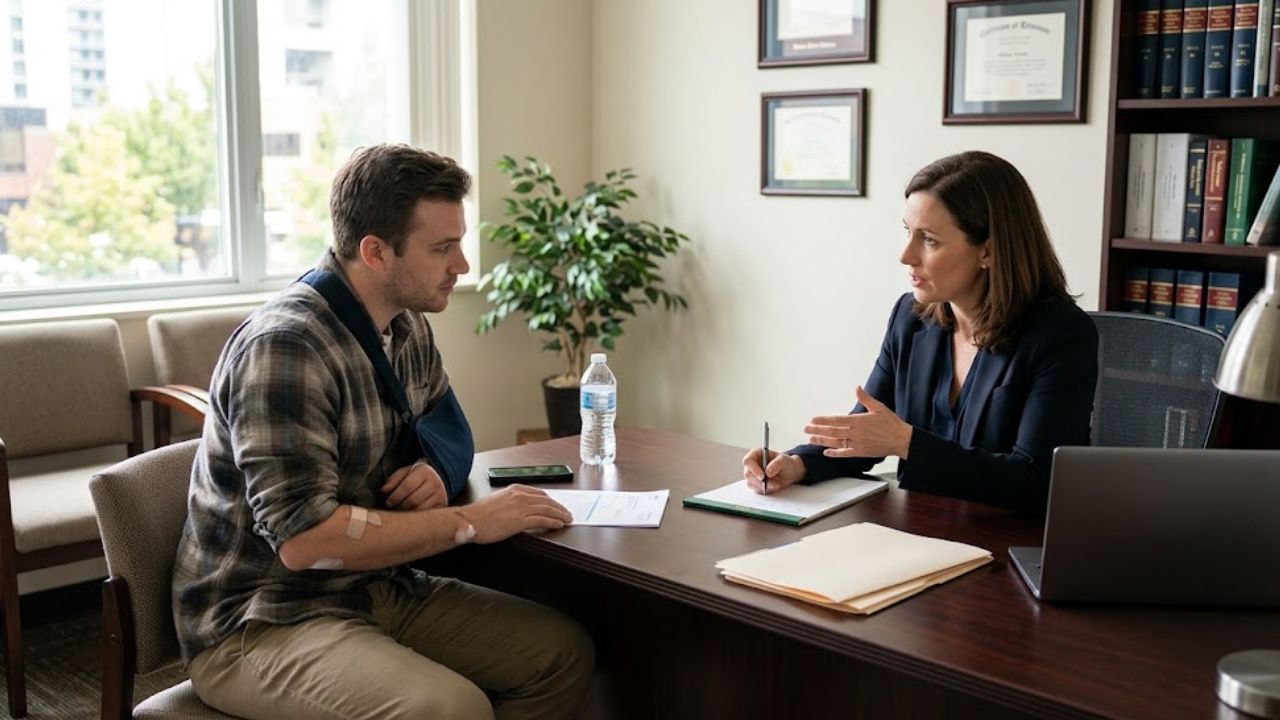
You may have a legal case if you’ve suffered an injury due to someone else’s negligence. According to the NYC personal injury lawyer at Goidel and Seigel, you should immediately take action if you’ve suffered injuries in a car accident so that you can reserve your case and get full compensation for the injuries. An experienced lawyer can help you understand your legal rights and pursue compensation for your injuries and damages. They will review your case and guide the best course of action. A lawyer can also negotiate with the insurance companies and ensure you receive a fair settlement. They will assist you in collecting evidence and documentation of your injuries and making medical appointments when necessary.
-
Notify Your Insurance Company
After the accident, contact your insurance company to report the incident immediately. Provide details about the accident, including the time and location, and any other drivers involved. It is also important to advise them if the police attended the scene and provide the case number if available. Informing your insurance company quickly is critical, as there is often a time limit for claiming your insurance policy. Your insurance company will guide you through the claims process and help you get your car repaired.
-
Follow Up
Following up after the accident is critical to ensure that you receive the appropriate level of compensation for your injuries and any damage to your property. Keep track of any medical expenses and lost wages resulting from the accident. Attend follow-up appointments with your doctor to assess your injuries and any necessary rehabilitation. If you are unsatisfied with the settlement offer from the insurance company, it may be necessary to go to court. At this point, your lawyer will guide you regarding the best course of action to take and what is required from you.