

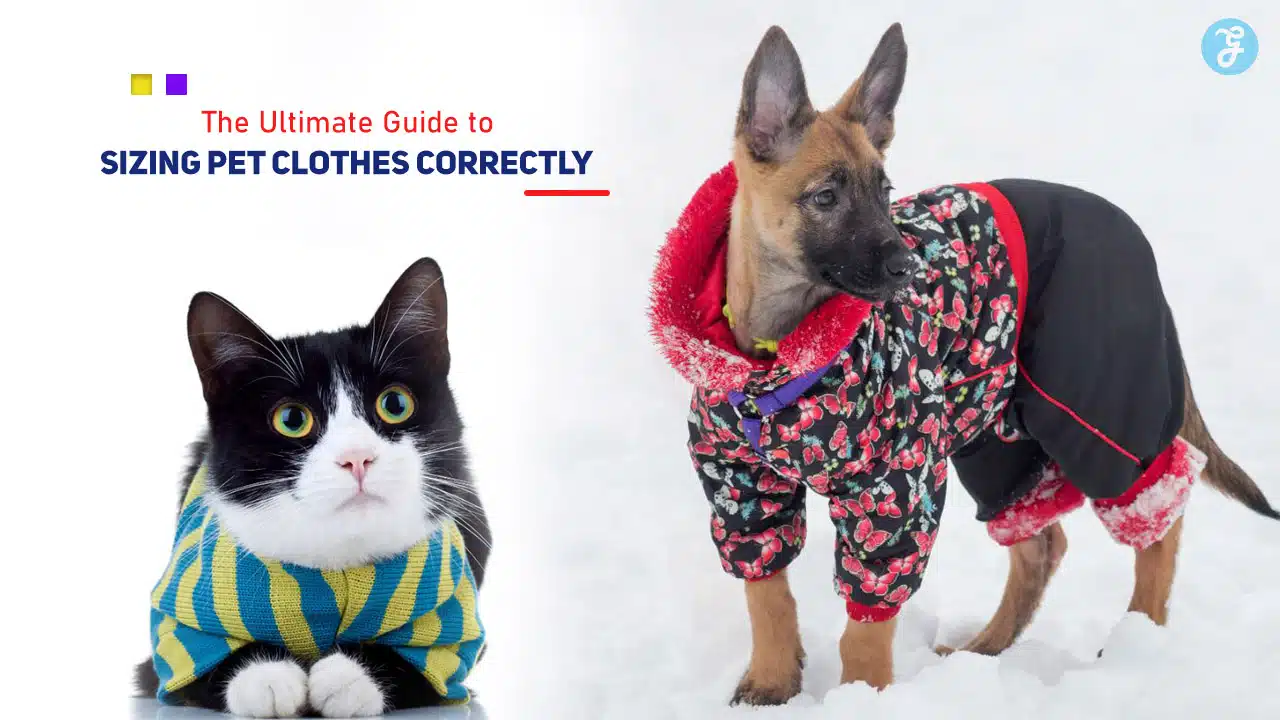
Dressing your pet in cute or functional outfits can be fun, but one of the most important things to consider is ensuring that the clothes fit properly.
Whether it’s a winter jacket, a raincoat, or a cute costume, the key to keeping your pet comfortable and safe lies in finding the right size.
Ill-fitting clothes can cause discomfort, restrict movement, and even lead to health issues.
In this detailed guide, we’ll cover everything you need to know to size pet clothes correctly, from measuring your pet to avoiding common mistakes.
Why Properly Sizing Pet Clothes is Important?
Before diving into the measurement process, it’s essential to understand the significance of properly sized pet clothing:
- Comfort: Clothes that are too tight can irritate your pet’s skin, while loose clothing may get caught on objects or drag on the ground.
- Safety: Clothing that doesn’t fit well can lead to tripping, restricted movement, or even choking hazards if the neck area is too tight.
- Style: A proper fit not only ensures your pet’s comfort but also makes them look better. Well-fitted clothes give a polished, stylish appearance.
- Functionality: Practical pet clothing, such as coats or booties, need to fit well to function effectively. A coat that’s too loose won’t keep your pet warm, and booties that are too tight will be uncomfortable to walk in.
Steps to Size Pet Clothes Correctly
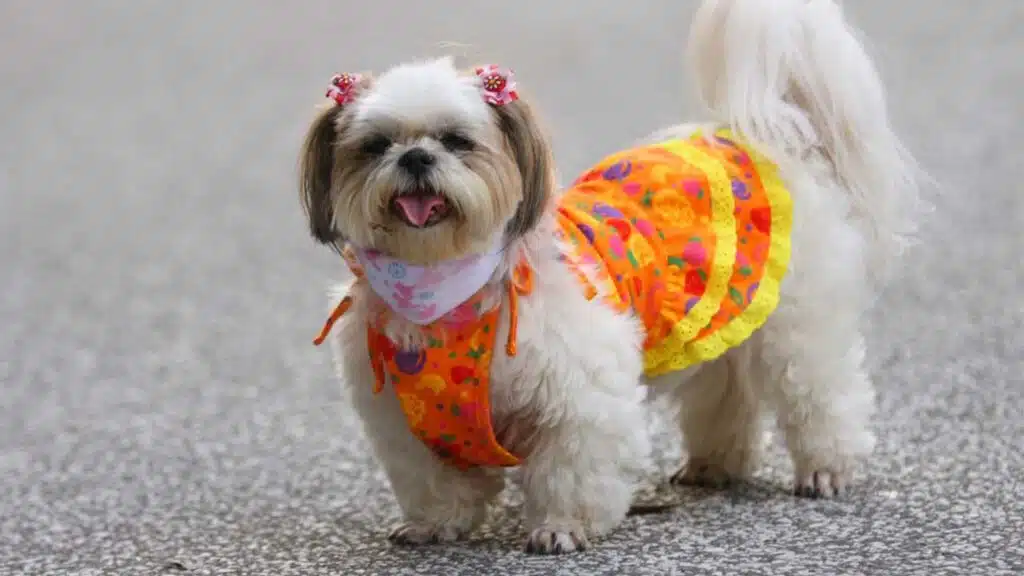
Here are the essential steps to size pet clothes correctly.
1. Measure Your Pet’s Body
Measuring your pet accurately is the first and most important step in selecting the right clothing size. Each part of your pet’s body requires attention, and here’s how to do it:
Chest Girth
The chest girth is one of the most critical measurements for pet clothes. This is the widest part of your pet’s chest, typically right behind their front legs.
- How to Measure: Wrap a flexible measuring tape around the chest, ensuring that it is snug but not too tight. The tape should be parallel to the ground.
- Why It Matters: Most clothing items like shirts, coats, and jackets rely heavily on the chest girth for proper fit. Clothes that are too tight can restrict your pet’s breathing and movement, while loose clothes might slip off.
- Tip: Add 1-2 inches to this measurement to allow for comfortable movement, especially if your pet has thick fur.
Neck Circumference
The neck circumference is where the collar would naturally sit. This measurement is crucial for clothes with collars, such as sweaters and coats.
- How to Measure: Place the measuring tape around the base of the neck, right above the shoulders.
- Why It Matters: A tight neck can restrict breathing or cause discomfort, while a loose neck may result in the clothing slipping down.
- Tip: Slide two fingers under the tape to ensure the neck area has enough room for comfort.
Back Length
Back length is the distance from the base of the neck (where the neck meets the shoulders) to the base of the tail.
- How to Measure: Keep your pet standing straight and measure along the spine.
- Why It Matters: This measurement ensures that clothes like sweaters, jackets, or costumes will cover your pet’s body without being too long or too short. Too long, and the clothes may drag or trip the pet; too short, and the clothes won’t provide enough coverage.
- Tip: If your pet is between sizes, it’s usually safer to go for the longer length to ensure full coverage.
Leg Length (Optional)
For clothing with sleeves, such as jackets or pajamas, measuring the leg length can help achieve a better fit.
- How to Measure: Measure from the shoulder to the paw for the front legs and from the hip to the paw for the back legs.
- Why It Matters: Leg length ensures that your pet’s limbs are comfortable in the clothing without the sleeves being too tight or too loose.
- Tip: Choose clothes with elastic cuffs if your pet is between sizes for added flexibility.
2. Know Your Pet’s Weight
In addition to measuring the body, you should also know your pet’s weight. Many brands provide sizing charts based on weight.
- Why It Matters: Some pets, like puppies or small breeds, can be tricky to measure, so weight can serve as a helpful guide.
- Tip: Weigh your pet on a regular bathroom scale by first weighing yourself, then weighing yourself while holding your pet, and subtracting the difference.
3. Consult the Brand’s Sizing Chart
Every brand sizes their clothing differently, so it’s crucial to always check the specific sizing chart for the brand you’re purchasing from.
- Why It Matters: A size small in one brand might be a medium or large in another, depending on their size standards. Always compare your pet’s measurements against the chart before purchasing.
- Tip: Read customer reviews to determine if the brand’s sizing runs small or large. Other pet owners’ experiences can help guide your decision.
4. Consider Your Pet’s Breed and Body Type
Some breeds have unique body shapes that don’t fit the typical small, medium, or large sizing. For example:
- Long-bodied breeds (like dachshunds) may need clothes with longer backs.
- Broad-chested breeds (like bulldogs) often need a larger chest girth.
- Slim breeds (like greyhounds) require tailored clothing for their slim builds.
- Why It Matters: Considering your pet’s breed will help you select clothes that accommodate their specific body type.
- Tip: Many brands now offer breed-specific sizing options, so look for these if your pet doesn’t fit typical measurements.
5. Allow for Some Room to Move
Even if you get the measurements exactly right, you should still allow a bit of extra room for movement.
- Why It Matters: Clothes that are too tight will restrict your pet’s ability to move freely, while too loose clothes could cause them to trip or get tangled.
- Tip: Add about 1 inch to the chest and neck measurements for small pets and 2 inches for larger pets to allow them to move comfortably.
6. Pay Attention to the Material
The material of the pet clothing can also impact how well it fits.
- Why It Matters: Some fabrics stretch, while others do not. For example, materials like cotton and spandex are flexible and offer some give, while polyester or wool may be more rigid.
- Tip: If your pet’s measurements fall between two sizes, opt for the larger size if the fabric is non-stretchy and the smaller size if the material is stretchy.
7. Test the Fit Before Making a Final Decision
Once your pet’s clothing arrives, it’s essential to try it on before making a final decision.
- Why It Matters: Even if the measurements align, your pet might not feel comfortable in the outfit.
- Tip: Check if your pet can move easily, sit, stand, and lie down without the clothing restricting their movement. Observe their behavior to ensure they are not struggling or feeling uncomfortable.
8. Adjust for Growth (For Puppies or Kittens)
If you’re shopping for a growing puppy or kitten, keep in mind that they may outgrow their clothes quickly.
- Why It Matters: You don’t want to spend money on clothes that will fit for only a few weeks.
- Tip: Opt for clothes with adjustable features like Velcro, elastic, or drawstrings to accommodate your pet as they grow. You can also consider sizing up slightly to allow for growth.
Common Mistakes to Avoid When Sizing Pet Clothes
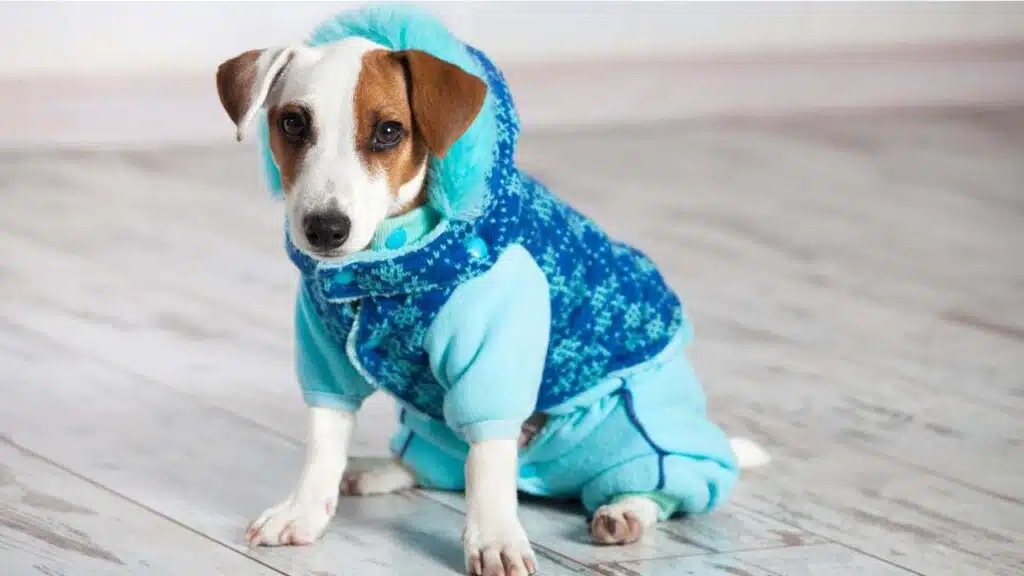
While it’s important to know how to size pet clothes correctly, it’s equally crucial to avoid common pitfalls that pet owners often encounter:
1. Skipping Measurements
Relying on guesswork or assuming that your pet’s size hasn’t changed can lead to uncomfortable or unsafe clothing.
- Why It Matters: Measuring ensures accuracy, and every brand may have slight variations in sizing. Don’t rely solely on your pet’s previous sizes.
- Tip: Measure your pet each time before buying new clothes, especially if they have gained or lost weight.
2. Ignoring Seasonal Differences in Fur
If your pet has a thick winter coat, they may need a larger size during the colder months, while they may require a smaller size when they shed in warmer seasons.
- Why It Matters: Seasonal changes in your pet’s fur can drastically affect how clothes fit.
- Tip: Adjust your sizing approach based on the season, and keep a collection of clothes suited to both their winter and summer coat sizes.
3. Choosing Based on Weight Alone
While weight is a useful guide, it’s not always the most reliable sizing factor.
- Why It Matters: Two pets may weigh the same but have very different body shapes.
- Tip: Always combine weight measurements with body measurements like chest girth and back length for the best results.
4. Overlooking Pet’s Preferences
Some pets are more tolerant of certain materials or styles, while others might dislike heavy fabrics or tight collars.
- Why It Matters: If your pet feels uncomfortable in their outfit, they might refuse to wear it or constantly try to take it off.
- Tip: Choose soft, breathable fabrics like cotton for sensitive pets, and avoid heavy or stiff materials if your pet shows signs of discomfort.
Final Thoughts: Prioritize Comfort Over Style
Although it’s tempting to focus on style when buying clothes for your pet, comfort should always come first.
Properly sizing your pet’s clothes ensures they stay safe, comfortable, and happy.
Following these measurement guidelines and avoiding common mistakes will make dressing your pet a fun and enjoyable experience for both of you.
Sizing your pet’s clothes correctly involves more than just picking a size.
By taking precise measurements, considering your pet’s breed and body type, and checking the material and brand-specific sizing charts, you can ensure a perfect fit every time.
Following these detailed steps will guarantee that your furry friend looks stylish and stays comfortable in their new outfits.
























