Altitude sickness, also known as acute mountain sickness (AMS), can be a debilitating condition that affects individuals when they ascend to high altitudes too rapidly. This condition occurs in mountainous regions or during activities like trekking, climbing, and skiing at elevations exceeding 8,000 feet above sea level. Fortunately, nature has provided a solution in the form of Shilajit, a powerful resin with a history of traditional use and emerging scientific support. In this comprehensive guide, we’ll explore what altitude sickness is, how Shilajit works to alleviate its symptoms, and why it’s becoming increasingly popular among adventurers and travelers.
What is Altitude Sickness?
Altitude sickness is a common condition that arises due to reduced air pressure and lower oxygen levels at high altitudes. It primarily affects those who ascend too quickly without giving their bodies time to acclimatize. The severity of altitude sickness can vary from mild symptoms, such as headache and dizziness, to more severe forms like high-altitude pulmonary edema (HAPE) and high-altitude cerebral edema (HACE), which can be life-threatening.
Symptoms of altitude sickness include:
- Headache
- Nausea and vomiting
- Fatigue
- Dizziness
- Shortness of breath
- Rapid heart rate
- Difficulty sleeping
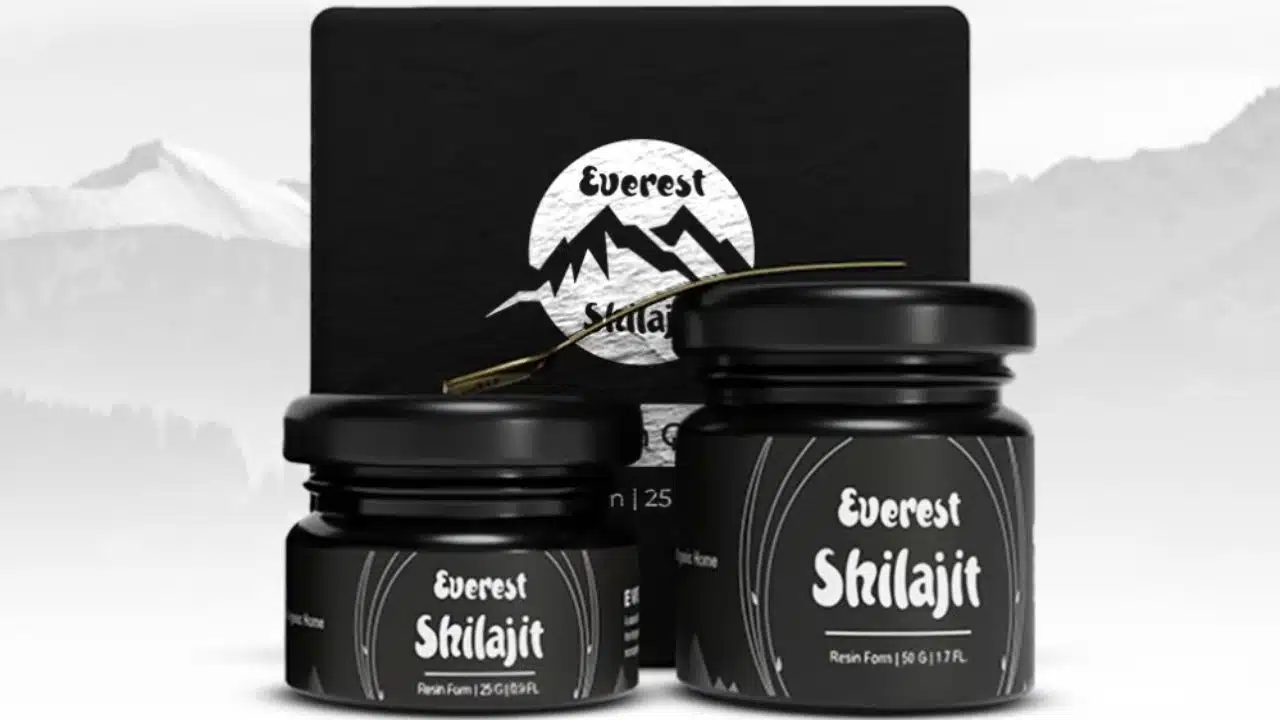
If you want to delve deeper into Shilajit, consider exploring Everest Shilajit to learn more about its origin, processing, availability, and other relevant details.
Shilajit: A Natural Remedy
Shilajit, often referred to as the “conqueror of mountains,” is a sticky resin-like substance found in the rocky mountains of the Himalayas, Altai, Caucasus, and other high-altitude regions. It has been a cornerstone of traditional Ayurvedic medicine for centuries, revered for its numerous health benefits.
Shilajit is filled with many essential minerals, fulvic acid, and other bioactive compounds. These components are believed to contribute to its potential in alleviating altitude sickness symptoms and improving overall well-being. Here’s how Shilajit may help combat altitude sickness:
1. Oxygen Utilization
One of Shilajit’s most significant benefits at high altitudes is its capacity to enhance oxygen utilization in the body. When you ascend to high altitudes, the air pressure decreases, and oxygen levels in the atmosphere become lower. As a result, your body has to work harder to extract and utilize the available oxygen. Shilajit plays a vital role in this context by improving the body’s ability to efficiently use the limited oxygen supply.
The improved oxygen utilization can be a game-changer for individuals experiencing altitude sickness, as it can help alleviate symptoms such as shortness of breath and fatigue. This enhanced oxygen uptake enables the body to function more effectively, allowing you to adapt to the lower oxygen levels at higher altitudes.
2. Antioxidant Properties
Shilajit’s antioxidant properties are a valuable asset when combating altitude sickness. At high altitudes, where oxygen levels are reduced, the body is more susceptible to oxidative stress caused by an imbalance between free radicals and antioxidants. This oxidative stress can lead to cellular damage and exacerbate altitude sickness symptoms.
Shilajit contains potent antioxidants that help protect cells from the damaging effects of free radicals. These antioxidants scavenge and neutralize free radicals, preventing cellular damage and promoting overall cellular health. By reducing oxidative stress, Shilajit provides an essential defense mechanism that can help individuals cope with altitude sickness more effectively.
3. Anti-Inflammatory Effects
Inflammation is a common companion of altitude sickness. Swelling in the body’s tissues can lead to discomfort and exacerbate various symptoms. Shilajit’s anti-inflammatory properties come into play here by helping to reduce swelling and inflammation.
By mitigating inflammation, Shilajit can alleviate pain, reduce discomfort, and improve overall well-being in individuals experiencing altitude sickness. This anti-inflammatory effect contributes to making the high-altitude experience more manageable and less physically taxing.
4. Energy Boost
Shilajit’s reputation for its energy-boosting properties is well-founded. Fatigue is a frequent complaint among individuals at high altitudes, where the lower oxygen levels can leave them feeling exhausted and drained. Shilajit’s energizing qualities can help combat this fatigue, allowing individuals to enjoy their mountainous adventures with increased endurance and vitality.
The additional energy from Shilajit is particularly beneficial for those engaging in physically demanding activities, such as trekking or mountaineering, at high altitudes. It empowers them to pursue their passions and conquer their goals without being hindered by fatigue.
5. Stress Reduction
Altitude sickness is not only a physical challenge but can also be a mentally stressful experience. The combination of physical discomfort, reduced oxygen levels, and unfamiliar surroundings can lead to anxiety and stress. Shilajit’s adaptogenic properties come into play here, offering a valuable solution.
Adaptogens are substances that help the body adapt to stressors, whether they are physical or mental. Shilajit’s adaptogenic qualities enable it to help individuals cope with the stress associated with altitude sickness. It can provide a sense of calm, reduce anxiety, and promote mental resilience, allowing individuals to enjoy their high-altitude adventures more comfortably.
6. Improved Sleep
Sleep quality can be challenging to maintain at high altitudes due to lower oxygen levels. The body’s ability to relax and acclimatize depends on getting adequate, restful sleep. Shilajit may promote better sleep quality, enhancing the overall acclimatization process and contributing to overall well-being.
By improving sleep, Shilajit assists individuals in adjusting to the challenges of high-altitude environments more effectively. Quality sleep is crucial for recovery, mental clarity, and the body’s ability to adapt to the changes associated with altitude.
Scientific Support for Shilajit
While traditional wisdom has long celebrated the benefits of Shilajit, modern science is catching up. Several studies have examined Shilajit’s potential to combat altitude sickness and its associated symptoms. For instance:
1. Oxygen Transport
A study published in the “International Journal of Ayurveda Research” investigated Shilajit’s impact on oxygen transport within the body. This is a crucial aspect of its potential in combating altitude sickness. At high altitudes, where the air pressure is lower and oxygen levels are reduced, the body must work harder to efficiently transport and utilize the limited oxygen available.
The study found that Shilajit enhances oxygen transport, enabling the body to make better use of the available oxygen. By improving the body’s ability to utilize oxygen more effectively, Shilajit can alleviate common altitude sickness symptoms such as shortness of breath and fatigue. This enhanced oxygen utilization is particularly valuable for individuals ascending to high altitudes, as it supports their ability to adapt to the lower oxygen levels.
2. Anti-Inflammatory Effects
Inflammation is a frequent occurrence in altitude sickness, leading to discomfort and exacerbating various symptoms. A study in the “Journal of Medicinal Food” focused on Shilajit’s anti-inflammatory properties, suggesting its potential for reducing inflammation associated with altitude sickness.
Shilajit’s anti-inflammatory effects can help alleviate swelling and pain, contributing to a more comfortable experience for individuals at high altitudes. By mitigating inflammation, Shilajit provides a valuable tool for those facing altitude sickness, helping to minimize the physical discomfort that often accompanies it.
3. Improved Physical Performance
The “Journal of Ethnopharmacology” featured research indicating that Shilajit can enhance physical performance and endurance, particularly in strenuous conditions. This is of significant interest for individuals engaged in physically demanding activities at high altitudes, such as trekking, mountaineering, or other adventurous pursuits.
Shilajit’s ability to boost physical performance and endurance can be a game-changer for athletes and adventurers. It helps combat fatigue, making it easier to cope with the physical demands of high-altitude environments. This enhanced endurance and physical performance can lead to a more enjoyable and successful experience in the mountains.
4. Adaptogenic Benefits
The adaptogenic effects of Shilajit were highlighted in a study published in “Phytotherapy Research.” Adaptogens are substances that help the body adapt to stressors, whether they are physical or mental. These effects demonstrate Shilajit’s capacity to help the body cope with stress more effectively, including the stress associated with altitude sickness.
Altitude sickness is not only a physical challenge but can also be a mentally stressful experience. Shilajit’s adaptogenic properties provide mental resilience, reduce anxiety, and promote a sense of calm in high-altitude environments.
How to Use Shilajit for Altitude Sickness?
If you’re planning a trip to high-altitude regions and wish to incorporate Shilajit into your regimen, consider the following guidelines
1. Consult a Healthcare Professional
Before you start using Shilajit, it’s crucial to consult with a healthcare professional, especially if you have pre-existing health conditions or are currently taking medications. This step is vital to ensure that Shilajit is safe for your individual health circumstances. A healthcare provider can provide personalized advice based on your specific needs and any potential interactions with existing medications.
2. Dosage
Shilajit can be found in different types like resin, powder, and capsules. The appropriate dosage can vary depending on factors such as your body weight, the quality of the Shilajit product, and the specific benefits you aim to achieve. It’s important to note that individual responses to Shilajit can vary, so starting with a lower dose is a prudent approach.
A common starting point for many individuals is a daily dose of 300-500 mg. However, this is a general guideline and not a one-size-fits-all recommendation. Your body’s response to Shilajit may differ from others, so it’s advisable to begin with a lower dose and gradually increase it as needed.
3. Quality Matters
The quality of the Shilajit product you choose is of paramount importance. To experience the full benefits of Shilajit and ensure safety, it’s essential to purchase high-quality, purified Shilajit from reputable sources. Here are a few characteristics to look for when assessing Shilajit quality:
Distinct Earthy Smell and Taste: Pure Shilajit should have a unique earthy smell and taste. The presence of impurities or additives can alter its scent and flavor, indicating a lower-quality product.
Third-Party Testing: Reputable manufacturers often provide third-party lab testing results to verify the authenticity and quality of their Shilajit products. Look for products that have been tested for purity and safety.
Packaging and Storage: Shilajit is sensitive to light and temperature, so proper packaging and storage are essential to maintain its quality.
4. Stay Hydrated
Adequate hydration is crucial when you’re at high altitudes. Dehydration can exacerbate the symptoms of altitude sickness and make it more challenging to acclimatize. Therefore, it’s vital to combine your Shilajit supplementation with a sufficient intake of water.
At high altitudes, you may experience increased fluid loss due to factors like dry mountain air and increased respiration. Staying well-hydrated supports your overall well-being and helps mitigate the effects of altitude sickness.
5. Acclimatization
Regardless of whether you choose to use Shilajit, one of the most critical aspects of preparing for high-altitude travel is acclimatization. Acclimatization involves ascending gradually to allow your body to adjust to the reduced oxygen levels at higher altitudes.
When ascending to high altitudes, it’s essential to listen to your body’s signals. If you experience symptoms of altitude sickness, such as headache, dizziness, or shortness of breath, it’s crucial to stop ascending, rest, and give your body time to acclimatize. Over time, your body will adapt to the lower oxygen levels, reducing the risk of altitude sickness.
Shilajit can complement the acclimatization process by providing potential benefits such as improved oxygen utilization, anti-inflammatory effects, and stress reduction. However, it should not replace the need for proper acclimatization practices.
Conclusion
Altitude sickness can put a damper on your high-altitude adventures, but Shilajit offers a natural remedy that may help alleviate symptoms and improve your overall well-being at great heights. With a rich history of traditional use and growing scientific support, Shilajit is becoming increasingly popular among adventurers and travelers looking to conquer the mountains without the hindrance of altitude sickness. However, it’s essential to use Shilajit responsibly and in consultation with a healthcare professional to ensure the best results and a safe journey to higher altitudes. So, the next time you plan to scale new heights, consider taking nature’s remedy, Shilajit, along with you.