

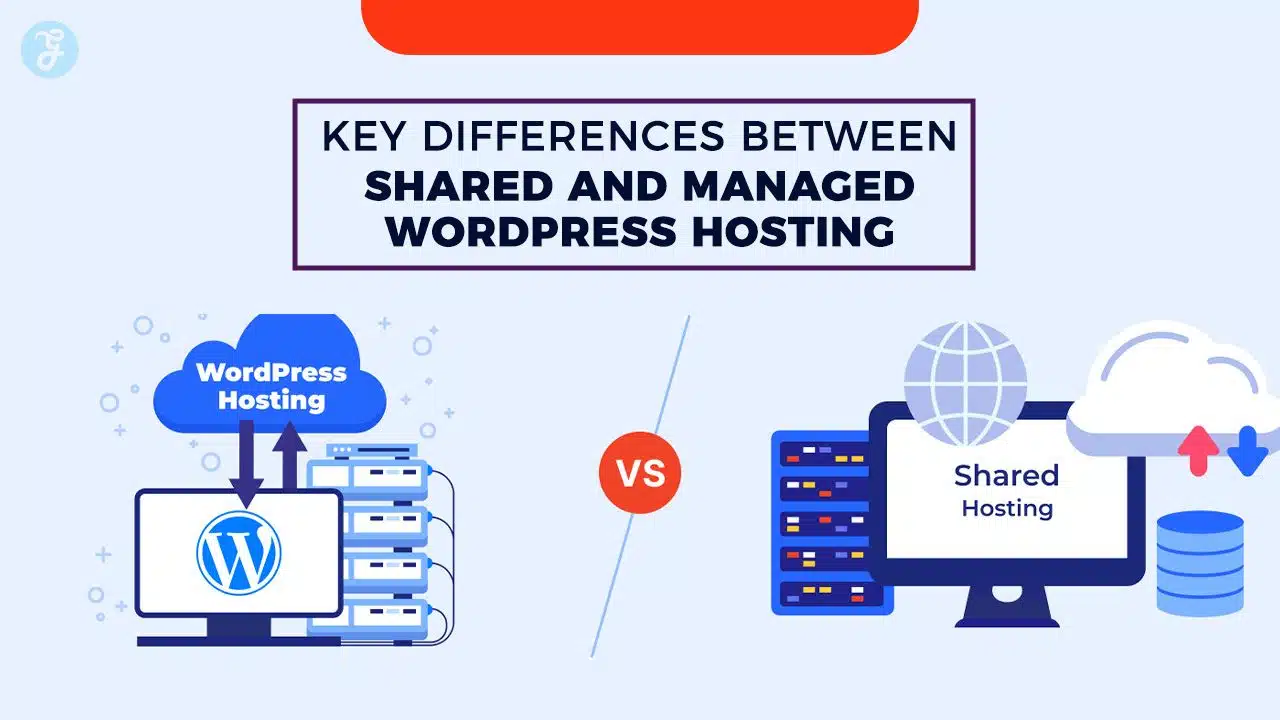
Choosing the right WordPress hosting can feel like picking between a cramped apartment and a luxury suite. You share resources with dozens of neighbors in shared hosting, while managed WordPress hosting gives you dedicated space and premium service.
Your website might load slowly, crash during traffic spikes, or face security threats if you pick the wrong hosting type.
Shared hosting involves sharing server resources with multiple websites, which can lead to performance issues when one site hogs too much power. This guide breaks down seven key differences between shared and managed WordPress hosting plans.
We’ll cover everything from server resources and website security to customer support and hosting costs.
Ready to find your perfect hosting match?
Key Takeaways
- Shared hosting divides server resources among multiple websites while managed hosting provides dedicated resources for stable performance.
- Managed WordPress hosting offers automatic updates, daily backups, and expert support compared to manual maintenance in shared hosting.
- Shared hosting starts at $1.95 monthly while managed hosting costs $10-30 monthly but prevents expensive security breaches.
- Managed hosting includes built-in security features, malware scanning, and 24/7 monitoring versus basic protection in shared hosting.
- Small blogs suit shared hosting while growing businesses and high-traffic sites benefit from managed hosting’s premium features.
How is hosting resources allocated?

Shared hosting divides server resources like CPU, RAM, and storage among multiple websites on the same server. Your site shares these resources with dozens or hundreds of other websites.
Think of it like living in an apartment building where everyone shares the same utilities. One neighbor’s heavy usage can slow down your connection. One site’s high traffic or resource usage on a shared server can negatively affect others.
Managed hosting provides dedicated resources for each website, giving you stable performance. Your site gets its own slice of server power that other sites can’t touch. Managed hosting can scale resources automatically during traffic spikes, unlike shared hosting.
This means your site won’t crash when visitor numbers suddenly jump. Shared hosting users must often upgrade or switch hosting types to handle increased traffic.
Performance differences between shared and managed WordPress hosting are like comparing a crowded bus to a private sports car.
| Feature | Shared Hosting | Managed WordPress Hosting |
|---|---|---|
| Performance Type | Generic performance with no WordPress-specific optimizations | WordPress-optimized with built-in caching, CDN, and enhanced speed |
| Processing Power | Standard processors shared among multiple users | Turbo Hosting offers up to 40% faster processors |
| Read/Write Speeds | Basic storage speeds | 3x faster read/write speeds available |
| Caching Options | Typically lacks built-in caching; users must install plugins for optimization | Server-level caching and optimizations included for speed improvement |
| Traffic Handling | Can experience slowdowns or downtime during traffic surges | Automatically handles traffic surges without speed drops |
| SEO Impact | Slower speeds can hurt search rankings | Speed benefits contribute to improved search engine rankings |
| Site Size Limits | Generally limited to small/medium sites due to performance constraints | Can support larger sites with consistent performance |
| Optimization Setup | Manual plugin installation required for speed improvements | Built-in optimizations work right out of the box |
Speed matters more than most people think. Google uses page loading times as a ranking factor. Managed hosting gives your WordPress site the horsepower it needs. Your visitors won’t wait around for slow pages to load.
Traffic spikes can kill shared hosting performance. Black Friday sales or viral content can crash your site. Managed hosting keeps running smooth during these moments. Your site stays fast while others crawl.
Setting up speed optimizations takes time on shared hosting. You’ll spend hours installing caching plugins. Testing different settings becomes a headache. Managed hosting does this work for you automatically.
What security features does each hosting type offer?
Security differences between shared and managed hosting become clear once you examine what each type provides. Here’s how they stack up:
| Security Feature | Shared Hosting | Managed WordPress Hosting |
|---|---|---|
| Server Environment | Multiple websites share one server, creating potential cross-site vulnerabilities and increased security risks | Resource isolation reduces breach risks by separating sites on dedicated infrastructure |
| Malware Protection | Users handle their own malware scans and removal, often requiring third-party tools like Jetpack Security | Providers manage daily malware scanning, automatic removal, and continuous monitoring |
| Firewall Protection | Basic server-level firewalls, users must configure additional protection themselves | Advanced firewalls with WordPress-specific rules, web application firewalls, and DDoS protection |
| Backup Systems | Users create their own backup strategies, recommended solutions include Jetpack VaultPress Backup for real-time, offsite protection | Automated daily backups with multiple restore points, often stored in separate locations |
| Monitoring & Response | Limited monitoring, users rely on tools like Jetpack Security for downtime monitoring and brute force protection | 24/7 monitoring teams provide rapid threat response and proactive security management |
| Vulnerability Management | Manual vulnerability scanning and patching required from site owners | Automated vulnerability scanning, immediate patching, and security updates handled by hosting provider |
| Additional Protection | Jetpack Security offers spam filtering and real-time backups as add-on features | Built-in spam protection, SSL certificates, and comprehensive security suites included |
Shared hosting puts security responsibility squarely on your shoulders. You’ll need to install security plugins, monitor threats, and handle backups yourself. Managed hosting flips this script completely. Providers take care of security heavy lifting while you focus on content creation.
Most managed hosts include enterprise-level security features that would cost hundreds per month if purchased separately. Their security teams work around the clock, watching for threats and responding within minutes. This proactive approach catches problems before they become disasters.
Jetpack Security bridges some gaps for shared hosting users. It provides brute force protection, malware scanning, and spam filtering. Real-time backups through VaultPress protect against host compromise. These tools help level the playing field, though they can’t match the comprehensive protection of managed hosting.
Host compromise affects shared hosting users more severely. One infected site can potentially impact others on the same server. Managed hosting’s resource isolation prevents this domino effect from occurring.
How are updates and maintenance handled?

Updates and maintenance create the biggest gap between shared hosting and managed WordPress hosting. Your choice here determines how much technical work you’ll handle yourself.
- Shared hosting users must update WordPress core, plugins, and themes manually to avoid security vulnerabilities and site crashes.
- Managed hosting providers handle automatic updates for WordPress core, plugins, and themes as part of their service package.
- Website owners on shared hosting plans need to monitor their site’s performance and security proactively to prevent downtime.
- Managed WordPress hosting includes automated daily backups, so you never worry about data loss from failed updates.
- Shared hosting requires you to install security patches yourself, leaving gaps if you forget or delay updates.
- Managed hosting services perform malware scans and apply security patches automatically to protect your WordPress site.
- Neglecting maintenance tasks in shared hosting can cause serious vulnerabilities that hackers exploit to damage your website.
- Managed hosting allows users to focus on business growth rather than technical details like server optimization and plugin compatibility.
What control and customization options are available?
Shared hosting provides flexible control for users and a wide range of customization options. Users get more direct access to server settings and configurations. This hosting type suits those who prefer a do-it-yourself approach.
People can select and configure various WordPress themes and WordPress plugins without many limits. Shared hosting gives website owners the freedom to modify their hosting environment as they see fit.
Managed WordPress hosting takes a different approach. This hosting provider may restrict certain plugins to maintain security and performance standards. The hosting environment is optimized for WordPress but limits some advanced customizations.
Managed hosting prioritizes stability and uniformity over user-level customization. Website owners get less control but receive a streamlined, optimized setup that handles most technical tasks automatically.
What level of support and expertise can you expect?
Shared hosting provides general technical support that often lacks WordPress-specific expertise. Support teams handle large volumes of requests, which can result in varying response times.
Users may need to consult knowledge bases or forums for platform-specific issues. This self-help approach means you’re often responsible for technical troubleshooting. Customer service tends to be more general and less focused on WordPress websites.
Managed WordPress hosting offers specialized support for troubleshooting, plugin compatibility, and site optimization. These teams provide faster, priority response times with expert assistance for plugin conflicts and performance issues.
The hosting environment is set up for users who want personalized, expert support. Technical support staff are well-versed in WordPress core updates, plugin updates, and WordPress themes.
This allows you to spend less time searching through forums and more time focusing on your website content.
The cost difference between these two hosting types can make or break your budget decision.
| Hosting Type | Starting Price | Regular Price | Value Proposition |
|---|---|---|---|
| Shared Hosting | $1.95/month (promotional) | $15/month | Budget-friendly for beginners and small sites |
| Basic Managed WordPress | $10-$15/month | $20-$30/month (fully managed) | Premium support with dedicated resources |
| Long-term Costs | Lower upfront investment | May save money by preventing issues | Growth-based pricing considerations |
| Scaling Costs | Fixed pricing structure | Automatic scaling increases fees | Pay-as-you-grow model |
Budget-conscious website owners often start with the cheaper option. Promotional rates for shared hosting can drop as low as $1.95 per month. Regular pricing sits around $15 monthly once promotions end.
Managed WordPress hosting commands higher prices from day one. Basic plans start at $10 to $15 per month. Fully managed services jump to $20 to $30 monthly.
Cost reflects what you get behind the scenes. Managed hosting delivers dedicated resources and expert support. Your money buys peace of mind, not just server space.
Smart entrepreneurs minimize upfront costs with shared hosting. New sites can test the waters without breaking the bank. Growth triggers the need for better performance later.
Managed hosting prevents expensive headaches down the road. Security breaches cost thousands in lost revenue. Performance issues drive customers away faster than you can fix them.
Many business owners follow a natural progression. They launch on shared hosting to save money. Success brings traffic that demands managed solutions.
Automatic scaling in managed hosting creates variable costs. Higher traffic means higher bills. Growth becomes expensive but manageable.
Resource allocation explains the price gap perfectly. Shared hosting spreads costs across hundreds of users. Managed hosting dedicates premium resources to fewer clients.

Shared hosting works best for personal blogs, small projects, and people with tight budgets. Bloggers and personal site owners often start with shared hosting because it costs less.
Small businesses that don’t need fancy features also pick shared hosting. You need to feel comfortable managing updates, backups, and fixing problems yourself. Shared hosting makes sense if you have basic technical skills and want to save money.
Managed WordPress hosting fits businesses, ecommerce stores, and high-traffic websites perfectly. Companies that need speed, security, and reliability choose managed hosting. Business owners who want to focus on their work instead of technical site management love this option.
Managed hosting gives you premium support and maintenance without the headache. You can always switch from shared to managed hosting as your website grows bigger and needs more power.
Takeaways
Choosing between shared hosting and managed wordpress hosting comes down to your website’s needs and budget. Small websites and personal blogs work well with shared hosting plans, while growing businesses benefit from dedicated resources and advanced security features.
Managed hosting providers offer automatic updates, daily backups, and expert technical support that saves time and reduces stress. Your hosting environment directly impacts website performance, so consider your traffic levels and growth plans carefully.
Most website owners can start with budget-friendly hosting and upgrade to managed solutions as their wordpress site expands.
FAQs
Shared hosting puts your website on shared resources with other sites, like living in a condo. Managed WordPress hosting gives you dedicated resources and WordPress-specific features. Your hosting provider handles all the technical stuff with managed plans.
2. How do server resources compare between these hosting types?
Shared hosting means you split server resources with dozens of other websites. Managed WordPress hosting provides dedicated resources just for your site. This makes your website performance much faster and more reliable.
3. Which hosting option offers better website security?
Managed WordPress hosting wins hands down with WordPress-specific firewalls, malware scans, and spam protection. Shared hosting gives you basic security features. Your hosting environment gets daily backups and SSL certificates with managed plans.
4. Do automatic updates work the same way?
Managed WordPress hosting handles WordPress updates, plugin updates, and WordPress core updates automatically. Shared hosting makes you do most updates yourself. This saves tons of time on website maintenance.
5. How does customer support differ between hosting plans?
Managed WordPress hosting providers offer technical support from WordPress experts who know the platform inside and out. Shared hosting gives you general web hosting support. When things go wrong, you want someone who speaks WordPress fluently.
6. Which hosting costs more for small websites and personal blogs?
Shared hosting wins the budget game, making it perfect budget-friendly hosting for new sites. Managed WordPress hosting costs more but delivers serious value for high-traffic websites and ecommerce stores. Think of it as paying for a business class ticket instead of economy.





















