Self-defense laws in California permit individuals to use force, including firearms, to protect themselves or others from imminent harm. In order to legally use a firearm in self-defense in Santa Ana, there are certain guidelines that must be followed.
Firstly, the individual must be faced with an imminent threat of death or great bodily harm. In such a situation, the use of a firearm for self-defense may be considered justified under California law. Additionally, the person must have a reasonable belief that it is necessary to use such force in order to prevent the harm from occurring.
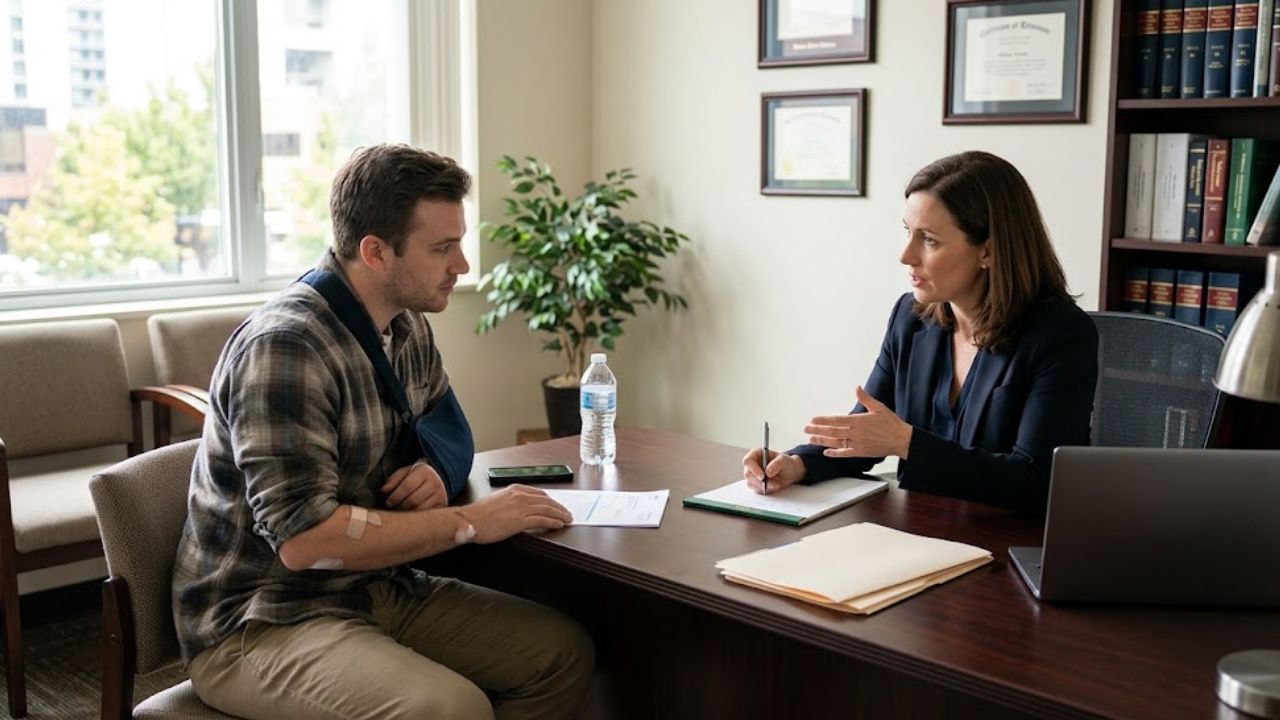
However, due to the complexity of self-defense laws and their application, it is highly recommended to consult with a Gun Crime Lawyer in Santa Ana in order to fully understand the legal implications of using a firearm for self-defense. This can help to protect an individual’s rights and ensure they are following all necessary legal procedures.
Understanding Self-Defense Laws in California
The Basics of Self-Defense
In California, self-defense laws provide individuals with the right to use force, including deadly force if necessary, in response to imminent danger or harm. A person may use force to protect themselves or someone else if they have a reasonable fear of bodily harm. The force used must be proportional to the threat, meaning excessive force can result in criminal charges.
California Penal Code and Self-Defense
Under the California Penal Code, self-defense can be applied to specific criminal charges, such as:
- Battery: Penal Code 242 PC
- Resisting arrest: Penal Code 148 PC
- Domestic violence
These statutes allow for the use of proportional force to defend oneself, others, or property. It’s crucial to understand that the degree of force employed must not exceed the level necessary to protect against harm or threat.
Castle Doctrine and Stand Your Ground Law
California law incorporates two significant doctrines when it comes to self-defense: the Castle Doctrine and the Stand Your Ground Law. The Castle Doctrine permits a person to use reasonable force, even deadly force, when defending their home from intruders. There is no duty to retreat inside one’s residence, and the homeowner is considered justified in their actions as long as they have a reasonable fear of imminent danger.
On the other hand, the Stand Your Ground Law allows individuals to protect themselves without retreating when faced with an imminent threat or harm in public spaces. In California, there is no legal obligation to retreat when confronted with danger, and one may use proportional force to defend themselves if they are not the aggressor and have a reasonable belief that force is necessary to prevent harm.
Legal Use of Firearms in Self-Defense
When Is Lethal Force Permissible?
In Santa Ana, California, the legal use of a firearm in self-defense situations depends on specific circumstances. Lethal force is permissible when an individual has a reasonable belief that their life or the life of another is in imminent danger from an aggressor. This typically means that the aggressor possesses a weapon, has the intent to use it, and has the capability to cause serious harm or death. According to California law, even with lawful possession of a firearm, using it to shoot someone can result in serious felony charges if the shooting is not considered self-defense.
Assault with a Deadly Weapon and Defense
Assault with a deadly weapon is a criminal offense, but there are situations where using a firearm may be justified in self-defense. California law recognizes the right to self-defense where force is used only for the purpose of preventing unlawful interference. The individual must use the minimum amount of force reasonably believed to be necessary to prevent harm.
In cases of assault with a deadly weapon, a person may have a legal right to use a firearm in self-defense if they can prove that their fear of imminent bodily harm was reasonable, and that they did not escalate the situation or create the danger they sought to avoid.
Duty to Retreat vs. Stand Your Ground
California follows the “duty to retreat” principle in some self-defense situations, which means individuals are required to make a reasonable effort to avoid using deadly force, if safely possible, before resorting to it. This may include attempting to leave the area or placing an obstacle between themselves and the aggressor.
However, California law also recognizes the “castle doctrine,” which allows individuals to stand their ground and use deadly force if they are inside their home and confronted with an intruder posing an imminent threat. This doctrine does not generally apply when you are outside of your home or in public spaces.
In conclusion, understanding the legal use of firearms in self-defense situations is crucial. Lethal force must be justified by reasonable belief or imminent danger, and individuals should be familiar with their duty to retreat or the applicability of stand-your-ground laws. It is essential to be knowledgeable and cautious when exercising the right to self-defense in Santa Ana, California.
In Conclusion
When discussing self-defense laws in Santa Ana, it’s crucial to understand that the use of a firearm for self-defense is subject to certain legal conditions. To legally use a firearm in self-defense, an individual must have a reasonable belief that such force is necessary to prevent bodily harm and face imminent danger.
It’s essential to be aware of key factors that determine the legality of using a firearm in self-defense:
- Imminent threat: The danger faced must be immediate and not a potential future issue.
- Reasonable belief: A person should have justified grounds to believe their safety, or the safety of others, is at risk.
- Proportionate response: The level of force used must be proportionate to the threat faced.
California self-defense laws allow individuals to use force, including firearms, in situations where they are under imminent danger and believe that such force is necessary for protection. However, using a firearm for self-defense carries certain risks as it’s potentially lethal. Consequently, the threat level and the individual’s fear must be higher than in cases where only physical force is utilized.
It’s also important to note that in California, the duty to retreat may be heightened when using a firearm in self-defense, with certain exceptions. Gun owners should acquaint themselves with the state’s complex laws about the use of deadly force in self-defense.
In summary, understanding Santa Ana’s self-defense laws, especially those related to firearms, is essential for anyone considering carrying or using a gun for personal protection. Comprehending the conditions and responsibilities associated with firearms can help prevent unnecessary harm and legal repercussions in self-defense situations.